Can I Turn A USB Into A Bluetooth Adapter Without Buying One
Yes, you can turn a USB into a Bluetooth adapter using a few clever methods that save you money. Whether you have an old USB stick or a Bluetooth-enabled USB device, this guide walks you through the process step by step. You will learn about USB Bluetooth adapters, wireless connectivity options, and how to pair devices without buying a new adapter.
Key Takeaways
- USB Bluetooth adapters are affordable and easy to use: You can repurpose or buy a cheap one to add wireless capability to any device.
- Not every USB stick can become a Bluetooth adapter: You need the right hardware or a USB Bluetooth dongle to make it work.
- Plug and play options exist: Many Bluetooth USB receivers work instantly without complex setup.
- Device compatibility matters: Check your device’s Bluetooth version and USB port type before buying or setting up.
- Wireless connectivity opens new possibilities: From file transfer to wireless peripherals, Bluetooth adds huge convenience.
- Troubleshooting is simple: Most issues with Bluetooth USB adapters come down to drivers or pairing problems.
📑 Table of Contents
- Can I Turn A USB Into A Bluetooth Adapter Without Buying One?
- What Exactly Is A USB Bluetooth Adapter?
- Methods To Turn A USB Into A Bluetooth Adapter
- How To Set Up Your USB Bluetooth Adapter
- Benefits Of Using A USB Bluetooth Adapter
- Common Problems And How To Fix Them
- Quick Tips For Getting The Best Performance From Your USB Bluetooth Adapter
- USB Bluetooth Adapter Vs Built-In Bluetooth
- Expert Insights On USB Bluetooth Adapters
- Can I Turn A USB Into A Bluetooth Adapter Without Buying One?
- Frequently Asked Questions
- Conclusion
Can I Turn A USB Into A Bluetooth Adapter Without Buying One?
Let us start with the big question. Can you turn a USB into a Bluetooth adapter without spending a dime? The short answer is yes, but with some important caveats. You cannot simply take any random USB flash drive and expect it to magically become a Bluetooth receiver. That is not how the technology works. However, if you have the right kind of USB device or know the right workaround, you can absolutely add Bluetooth capability to a laptop, desktop, or tablet without buying a brand-new adapter.
Many people find themselves in a situation where they need wireless connectivity but do not want to spend extra money. Maybe your laptop does not have built-in Bluetooth. Maybe the Bluetooth on your device stopped working. Or maybe you just want to connect a wireless mouse or keyboard without fuss. Whatever the reason, turning a USB into a Bluetooth adapter is a practical solution that works for many people.
The process depends on what kind of USB device you already have. If you happen to own a USB Bluetooth dongle sitting in a drawer, you are already halfway there. If you have a standard USB flash drive, you will need a different approach. This guide covers every method, so keep reading to find the one that works for you.
What Exactly Is A USB Bluetooth Adapter?
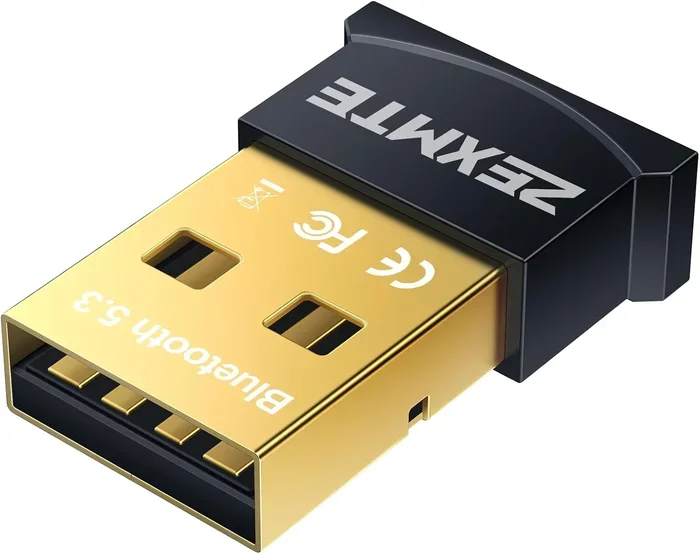
A USB Bluetooth adapter is a small device that plugs into a USB port and gives your computer or laptop the ability to connect to Bluetooth accessories. Think of wireless headphones, keyboards, mice, speakers, and even smartphones. Without a Bluetooth adapter, these devices cannot talk to your computer unless you use cables.
These adapters come in different shapes and sizes. Some look like tiny flash drives. Others are slightly bulkier because they contain better antennas and chips. The Bluetooth version matters too. Newer versions like Bluetooth 5.0 and 5.3 offer faster speeds and longer range compared to older versions like Bluetooth 2.0 or 3.0.
How Does Bluetooth Wireless Technology Work?
Bluetooth uses radio waves to send data between devices over short distances. It operates on the 2.4 GHz frequency band, which is the same band used by Wi-Fi. But Bluetooth is designed for low power consumption and short-range connections. This makes it perfect for accessories like earbuds, game controllers, and fitness trackers.
When you pair two devices, they create a secure little connection between them. This is called Bluetooth pairing. Once paired, the devices can share audio, files, and commands without any wires. A USB Bluetooth adapter makes this possible on devices that do not have built-in Bluetooth support.
Methods To Turn A USB Into A Bluetooth Adapter
There are a few different ways to get Bluetooth working through a USB port. Some methods use hardware you already own. Others require a small investment. Let us break them down.
Method 1: Use A USB Bluetooth Dongle You Already Own
This is the easiest and most reliable method. If you have ever bought a Bluetooth adapter before, you probably have a USB Bluetooth dongle lying around. These little devices are designed specifically to add Bluetooth to any computer with a free USB port.
Simply plug the dongle into your USB port. Wait for your computer to recognize it. In most cases, this is a plug and play experience. Windows 10 and 11 often install the drivers automatically. On a Mac, you may need to download the driver from the manufacturer’s website.
Once the driver is installed, go to your Bluetooth settings and turn it on. Your computer should now detect nearby Bluetooth devices. Click on the device you want to pair, and you are good to go.
Method 2: Repurpose A Bluetooth-Enabled USB Device
Here is where things get interesting. Some USB devices come with built-in Bluetooth chips. For example, certain USB docking stations or USB hubs include Bluetooth functionality. If you have one of these, you can use it as a Bluetooth adapter.
Check the product label or manual of any USB device you have. Look for the word “Bluetooth” in the specifications. If it says Bluetooth 4.0 or higher, you can likely use it as an adapter. Just plug it in, install any needed drivers, and start pairing devices.
Method 3: Use A USB Bluetooth Receiver From An Old Device
Did you used to have wireless earbuds or a wireless mouse that came with a tiny USB receiver? That little receiver is a Bluetooth or wireless USB adapter. You can reuse it with your computer.
Plug the receiver into a USB port. Your computer should recognize it right away. This method works best with devices that use a dedicated USB dongle rather than true Bluetooth. But for many everyday tasks, it works just as well.
If you are working on a project and need to reference data stored on a spreadsheet while setting this up, you might run into issues with your files. If a line won’t delete in Microsoft Excel, that can slow down your workflow. It helps to have your files organized before you start setting up new hardware.
Method 4: Buy A Cheap Bluetooth USB Adapter
If none of the above methods work, buying a cheap Bluetooth USB adapter is still the most reliable option. These adapters cost as little as five to fifteen dollars. They are small, effective, and widely available online.
Look for an adapter that supports at least Bluetooth 4.0. Bluetooth 5.0 models are slightly more expensive but offer better range and speed. Brands like TP-Link, ASUS, and Plugable make reliable options that work with most computers.
Even though this method involves spending a little money, it is still much cheaper than buying a new laptop or desktop with built-in Bluetooth. A small USB adapter solves the problem permanently.
How To Set Up Your USB Bluetooth Adapter
Setting up a USB Bluetooth adapter is straightforward. Follow these steps and you will be connected in minutes.
- Plug the adapter into a USB port. Use a USB port that is not on a USB hub if possible. Direct connection works best.
- Wait for the driver to install. Windows usually does this automatically. On other systems, you may need to visit the manufacturer’s website.
- Turn on Bluetooth in your settings. Go to Settings, then Devices, then Bluetooth. Toggle it on.
- Put your accessory in pairing mode. This usually means holding down a button on the device until a light blinks.
- Click on the device name in your Bluetooth menu. Wait for the pairing to complete.
- Test the connection. Play some audio or try moving your wireless mouse to confirm it works.
If you run into problems, do not worry. Most issues are easy to fix. Try restarting your computer or re-plugging the adapter. You can also update your Bluetooth drivers through your device manager.
For those who work with large files or need to transfer data between devices, having a stable Bluetooth connection is essential. Wireless file transfer works best when your adapter is close to the receiving device and there are no major obstacles between them.
Benefits Of Using A USB Bluetooth Adapter
Using a USB Bluetooth adapter gives you several advantages that make your daily computing life much easier.
- Wireless freedom: Move your mouse, keyboard, or headphones around without being tied to a cable.
- Compatibility: Most USB Bluetooth adapters work with Windows, Mac, and even some Linux systems.
- Portability: These adapters are tiny and easy to carry around. You can plug them into any computer you use.
- No internal installation needed: You do not need to open your computer or install internal hardware.
- Multiple device support: Many adapters can connect to several Bluetooth devices at the same time.
- Cost savings: A small adapter costs a fraction of what a new computer would cost.
These benefits make USB Bluetooth adapters a smart choice for anyone who wants wireless streaming or wireless peripherals without the hassle of cables. Whether you are at home, in the office, or traveling, a USB Bluetooth adapter keeps you connected.
Common Problems And How To Fix Them
Even though USB Bluetooth adapters are simple to use, you might run into a few issues along the way. Here are the most common problems and their solutions.
Adapter Not Recognized By Computer
If your computer does not detect the USB Bluetooth adapter, try plugging it into a different USB port. Avoid using USB extenders or hubs. Also, check if the adapter is physically damaged. A simple restart of your computer can also help the system recognize the new device.
Bluetooth Pairing Fails
Pairing failures happen more often than you might think. Make sure the device you are trying to connect is in pairing mode. Also, check that Bluetooth is turned on and that the device is within range. Most Bluetooth adapters work within a 30-foot range. If you are too far away, move closer and try again.
Slow Or Intermittent Connection
If your Bluetooth connection keeps dropping or feels slow, interference might be the cause. Other wireless devices, USB 3.0 ports, and even microwave ovens can interfere with Bluetooth signals. Try moving closer to the adapter or switching to a different USB port.
Driver Issues
Outdated or missing drivers are a common cause of Bluetooth problems. Visit the adapter manufacturer’s website and download the latest driver for your operating system. Installing the correct driver usually fixes most connection issues.
If you are dealing with software or file management issues alongside your Bluetooth setup, keeping your system organized helps. Sometimes when you are juggling multiple tasks, having clean and accessible files makes the whole process smoother. Just as with hardware setup, a well-organized digital workspace reduces frustration.
Quick Tips For Getting The Best Performance From Your USB Bluetooth Adapter
Want to get the most out of your Bluetooth USB adapter? Follow these quick tips.
- Keep the adapter close to your devices. The closer the adapter is to the device you are connecting, the stronger the signal.
- Use a USB 2.0 port if possible. USB 3.0 ports can sometimes cause interference with Bluetooth signals.
- Update your drivers regularly. New driver updates often fix bugs and improve performance.
- Avoid placing the adapter near other wireless devices. Keep it away from Wi-Fi routers and USB hubs.
- Check the Bluetooth version. A newer Bluetooth version means better speed and range.
- Restart your devices when troubleshooting. A simple restart fixes many Bluetooth issues.
These small steps can make a big difference in how well your Bluetooth adapter performs day to day. Most people skip them and then wonder why their connection is weak. A little effort goes a long way.
USB Bluetooth Adapter Vs Built-In Bluetooth
You might be wondering how a USB Bluetooth adapter compares to the Bluetooth that comes built into your computer. Here is a quick comparison.
| Feature | USB Bluetooth Adapter | Built-In Bluetooth |
|---|---|---|
| Cost | Low cost ($5-$20) | Included with device |
| Installation | Plug and play | Already installed |
| Portability | Very portable | Fixed to one device |
| Upgradeability | Easy to upgrade | Cannot be upgraded |
| Range | Varies by model | Varies by model |
| Compatibility | Works with most devices | Only works with that device |
As you can see, a USB Bluetooth adapter offers flexibility and upgradeability that built-in Bluetooth cannot match. You can take it with you to any computer. You can swap it out for a newer model whenever Bluetooth technology improves. For many users, a USB adapter is the better choice.
Expert Insights On USB Bluetooth Adapters
Technology experts agree that USB Bluetooth adapters are one of the most underrated accessories for computers. Many laptops and desktops sold today still do not include Bluetooth, especially older models or budget computers. A USB adapter bridges that gap perfectly.
Experts also recommend checking the Bluetooth version before purchasing. Bluetooth 5.0 or higher provides significantly better range and battery efficiency compared to older versions. If you are buying a new adapter, always look for the latest version you can afford.
Another expert tip is to avoid cheap no-name adapters from unknown sellers. These adapters often have poor range, unreliable connections, and outdated Bluetooth versions. Stick with reputable brands that offer good customer support and regular driver updates.
Can I Turn A USB Into A Bluetooth Adapter Without Buying One?
To answer the main question one more time: yes, you can turn a USB into a Bluetooth adapter without buying a new one, but only if you already have the right kind of USB device. A USB Bluetooth dongle or a Bluetooth-enabled USB hub can serve as your adapter. If you do not have any of these, a cheap Bluetooth USB adapter from a reputable brand is still the best and most affordable solution.
The key takeaway is that Bluetooth wireless connectivity does not require an expensive investment. Whether you repurpose an old adapter or buy a new one for a few dollars, you can enjoy wireless peripherals, audio streaming, and file transfer in just a few minutes.
Do not let the lack of built-in Bluetooth stop you from using the wireless devices you love. A simple USB adapter opens up a world of possibilities. Your wireless headphones, keyboard, mouse, and speakers will all work seamlessly once you set everything up correctly.
Frequently Asked Questions
Can any USB flash drive be turned into a Bluetooth adapter?
No, a standard USB flash drive cannot be turned into a Bluetooth adapter. Flash drives are designed only for storing data. You need a USB Bluetooth dongle or a Bluetooth-enabled USB device to add wireless connectivity. If you do not have one, purchasing a cheap adapter is the easiest solution.
How much does a USB Bluetooth adapter cost?
Most USB Bluetooth adapters cost between five and twenty dollars. Higher-end models with Bluetooth 5.0 or newer may cost a bit more. Even the cheapest adapters work well for everyday tasks like connecting wireless headphones or keyboards.
Is it safe to use a USB Bluetooth adapter?
Yes, it is completely safe. Bluetooth adapters use low-power radio waves that are well within safety limits. They do not damage your computer or your health. Just make sure you buy from a reputable brand to avoid counterfeit or low-quality products.
Can I use a USB Bluetooth adapter on a Mac?
Yes, USB Bluetooth adapters work on Mac computers. Most adapters are plug and play on macOS. However, some adapters may require you to download a driver from the manufacturer’s website. Always check compatibility before buying.
What is the range of a USB Bluetooth adapter?
Most USB Bluetooth adapters have a range of about 30 feet (10 meters). Bluetooth 5.0 adapters can reach farther, sometimes up to 80 feet in ideal conditions. Walls and other obstacles can reduce the range significantly.
Why does my Bluetooth adapter keep disconnecting?
Disconnections usually happen due to driver issues, interference, or distance. Try updating your drivers, moving closer to the adapter, or switching to a different USB port. Avoid placing the adapter near USB 3.0 devices or Wi-Fi routers, as these can cause interference.
Conclusion
Turning a USB into a Bluetooth adapter is easier than most people think. Whether you already have a USB Bluetooth dongle, a Bluetooth-enabled USB hub, or need to buy a small adapter, the process is simple and affordable. Bluetooth technology gives you the wireless freedom to connect headphones, keyboards, mice, speakers, and more without dealing with cables.
Follow the steps in this guide, use the quick tips, and you will have your devices paired and working in no time. Do not let the absence of built-in Bluetooth hold you back. A small USB adapter solves the problem and costs very little. Start today and enjoy the convenience of wireless connectivity on any computer.