Can You Sell 3d Printed Items And Start Earning Money
Yes, you can sell 3D printed items, and it is easier than ever to turn your prints into real income. Whether you want a side hustle or a full business, selling 3D printed products gives you creative freedom and low startup costs. This guide walks you through everything from legal rules to finding buyers and pricing your work.
Have you ever thought about turning your 3D printer into a money-making machine? The idea of selling what you create at home sounds exciting, and it should be. Can you sell 3D printed items? The short answer is yes, and thousands of people already do it every day.
The world of 3D printing business has grown fast in recent years. People sell phone cases, figurines, custom parts, jewelry, and even home decor. You do not need a huge workshop or a lot of money to get started. All you need is a printer, some filament, and a willingness to learn. This guide will show you exactly how to go from printing for fun to earning real money with your creations.
Key Takeaways
- Selling 3D prints is legal: You can sell original designs and licensed items without breaking the law.
- Multiple platforms exist: Etsy, eBay, Shapeways, and your own website are all great places to sell.
- Material choice matters: Picking the right filament affects quality, cost, and what buyers expect.
- Pricing is key to profit: Factor in material costs, time, and overhead to price competitively.
- You do not need a fancy printer: Even entry-level printers can produce items people want to buy.
- Marketing drives sales: Great photos and smart social media use boost your visibility and profits.
📑 Table of Contents
- Is It Legal to Sell 3D Printed Items?
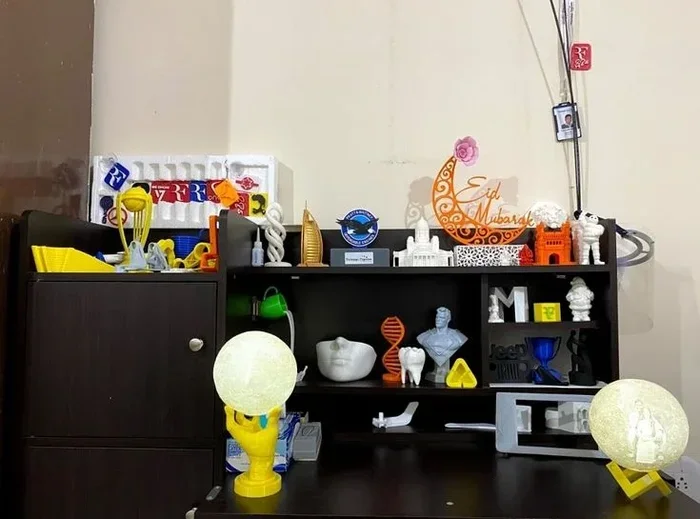
- What Can You Sell as 3D Printed Items?
- How to Get Started Selling 3D Printed Items
- Where Can You Use a 3D Printer for Selling?
- Tips for Boosting Your Sales and Profits
- Common Mistakes to Avoid When Selling 3D Printed Items
- Expert Insights on the 3D Printing Business
- Key Takeaways
- Frequently Asked Questions
- Conclusion
Is It Legal to Sell 3D Printed Items?
The first question most people ask is whether selling 3D printed items is even allowed. The answer is yes, but with some important boundaries you need to know about.
Selling Your Own Original Designs
If you design something yourself, you own the rights to it. That means you can sell it however you want. This is the simplest and safest way to start a 3D printing business. When you create from scratch, there are no copyright issues or legal gray areas. You own your work, and you can sell it on any platform you choose.
Many successful sellers started exactly this way. They found a problem people had and designed a solution. Maybe it was a custom phone holder or a unique keychain. The key is to create something people actually want to buy.
Selling Licensed or Fan Art Designs
Here is where things get tricky. If you want to print and sell something based on someone else’s design, you need permission. Using copyrighted characters or patented designs without a license can get you into serious trouble. Companies actively protect their intellectual property, and platforms like Etsy and eBay take takedown requests seriously.
Some designs are available under Creative Commons licenses. These let you use and sometimes sell the work, but you must follow the specific license rules. Always check the license before you print something for sale. Respecting intellectual property keeps you out of legal trouble and builds trust with your customers.
Patents and Trademarks
Some functional items are protected by patents. If someone invented a specific mechanical part and holds a patent, you cannot legally print and sell that part. Trademarks work similarly. You cannot print items with brand logos unless you have permission. Understanding these rules is essential if you want your 3D printing side hustle to last.
What Can You Sell as 3D Printed Items?
The range of things you can sell is huge. Your imagination is really the only limit. Here are some of the most popular and profitable categories.
Home Decor and Furniture Pieces
People love unique home decor, and 3D printed items fit that need perfectly. You can sell lamp shades, vase holders, wall art, and custom shelf brackets. These items stand out in a market full of mass-produced goods. Many buyers specifically look for handmade and custom pieces to make their homes feel personal.
Custom Jewelry and Accessories
Jewelry is one of the top-selling categories for 3D printing sellers. Rings, bracelets, earrings, and pendants can be designed in countless styles. You can offer custom engraving or personalized designs that mass-market brands cannot match. This niche has low material costs and high perceived value.
Phone Cases and Tech Accessories
Phone cases are a consistent seller. People always need new cases, and custom designs sell especially well. You can also sell cable organizers, stand holders, and keyboard risers. These small items print quickly and cost very little to produce, which means good profit margins.
Toys and Figurines
Toy sellers have found a big market in 3D printed figurines. Board game accessories, custom miniatures, and unique toys all sell well. If you can design appealing characters or useful game pieces, you have a ready customer base. Just make sure you are not copying any existing patented toy designs.
Replacement Parts and Functional Items
One of the most practical uses of 3D printing is making replacement parts. Broken knobs, missing gear teeth, and custom brackets all have buyers. Many people search for parts that are no longer manufactured. If you can design and print those parts, you fill a real need and people will pay for the convenience.
How to Get Started Selling 3D Printed Items
Getting started is simpler than you might think. You do not need years of experience or a massive investment. Here is a clear path to follow.
Step 1: Create or Find Designs to Sell
You need designs to sell. If you can model your own, that is ideal. Programs like Tinkercad, Fusion 360, and Blender are popular choices. Tinkercad is great for beginners, while Fusion 360 offers more advanced features for experienced designers.
If you prefer not to design from scratch, you can buy or download STL files and modify them. Many designers sell their files online, and you can create your own unique versions. However, always check the usage rights on any file you download. Some files are for personal use only and cannot be sold.
Learning to create your own designs opens up more opportunities. If you want to explore what is possible with your own printer, check out this guide on can I 3D print my own design to get started with the basics.
Step 2: Choose Your Printer and Materials
You do not need an expensive printer to start selling. Many successful sellers started with budget-friendly machines. What matters most is that your printer produces consistent, quality results. Look for a printer with a reliable bed leveler and good temperature control.
The material you choose affects the look, feel, and durability of your items. PLA is the most popular starting material. It is easy to print, comes in many colors, and is biodegradable. ABS is stronger and more heat-resistant but requires a heated bed. PETG offers a good balance of strength and ease of use.
Some printers work with specific filament types better than others. If you are using a Dremel 3D45, for example, it is worth understanding which materials work best with it. You can learn more about filament compatibility in this article on can I use any filament for Dremel 3D45.
Step 3: Set Up Shop on a Selling Platform
You need a place to sell your items. Several platforms work well for 3D printed products.
- Etsy: The most popular platform for handmade and custom items. It has a built-in audience looking for unique products.
- eBay: Great for reaching a broad audience. You can sell both custom and ready-made items here.
- Shapeways: A dedicated 3D printing marketplace. They handle printing and shipping for some sellers.
- Your Own Website: Platforms like Shopify let you build a branded store. This gives you more control but requires more marketing effort.
Each platform has pros and cons. Etsy is often the best starting point because buyers already expect to find handmade items there. As you grow, you can expand to other platforms and build your own brand.
Step 4: Price Your Items Correctly
Pricing is one of the most important parts of running a 3D printing business. Price too low and you barely break even. Price too high and buyers go elsewhere. Here is a simple formula to follow:
- Calculate your material cost per print.
- Estimate your time spent designing, printing, and finishing.
- Add a markup for overhead like electricity and printer maintenance.
- Research what similar items sell for on your chosen platform.
Most sellers aim for a profit margin of at least 50%. Remember that your time has value. If a print takes five hours and you value your time at $15 per hour, that is $75 in labor alone before material costs.
Where Can You Use a 3D Printer for Selling?
You need access to a reliable printer to produce items for sale. Not everyone owns a 3D printer, and that is okay. There are several options for getting printing done.
Using Your Own Printer at Home
Having your own printer gives you full control. You can print on your schedule, experiment with designs, and keep all the profits. A small printer in a spare room or garage works fine for most sellers. Just make sure you have good ventilation, especially if you print with ABS filament.
Using Printers at Libraries, Makerspaces, or Schools
If you do not own a printer, you can still sell 3D printed items. Many public libraries and community makerspaces offer printer access. Some charge a small fee per hour, while others are free for members. This is a great way to start without a big upfront investment.
If you are exploring your options for printer access, this article on can I go somewhere to use a 3D printer covers several places where you can print without owning your own machine.
Online 3D Printing Services
Services like Shapeways and 3D Hubs let you upload your design and they print and ship the item for you. This works well if you want to scale up without buying more printers. You pay per print, but you save on equipment and maintenance costs.
Tips for Boosting Your Sales and Profits
Once you start selling, you want to grow. These tips help you increase revenue and build a loyal customer base.
Take Great Photos
Your product photos are the first thing buyers see. Use natural lighting and a clean background. Show your items from multiple angles. If possible, include a photo of the item in use. Good photos dramatically increase click-through rates and sales.
Offer Customization
Customization is a huge selling point for 3D printed items. Offer buyers the option to choose colors, add names, or request specific sizes. Custom orders often command higher prices and attract repeat customers.
Build an Online Presence
Use social media to showcase your work. Instagram and TikTok are especially visual and work well for 3D printing content. Time-lapse videos of prints getting made are very popular. Share behind-the-scenes content and engage with your followers. This builds trust and drives traffic to your shop.
Start Small and Scale Up
Do not try to sell everything at once. Start with a few products and learn what sells. Once you find your winning items, focus on them and expand your line gradually. This approach keeps your costs low while you learn the market.
Manage Your Costs Carefully
Keep track of every expense. Filament, electricity, packaging, and shipping all add up. Use a simple spreadsheet to monitor your costs and profits. This data helps you make smart decisions about pricing and which products to focus on.
Common Mistakes to Avoid When Selling 3D Printed Items
Even the best intentions can lead to mistakes. Here are common pitfalls and how to avoid them.
- Undervaluing your time: Do not price your items based only on material cost. Your design skills and printing time are worth real money.
- Ignoring intellectual property: Selling copyrighted or patented designs without permission can lead to account bans and legal issues. Always verify rights before selling.
- Skipping quality control: A single bad print can lead to negative reviews. Inspect every item before shipping. Sand, paint, and finish your prints for a professional look.
- Underestimating shipping costs: 3D printed items can be heavier than they look. Factor in packaging materials and shipping fees when pricing.
- Copying other sellers: While inspiration is fine, directly copying another seller’s designs hurts everyone. Focus on creating your own unique offerings.
Expert Insights on the 3D Printing Business
Experienced sellers often share the same advice for newcomers. First, focus on quality over quantity. One well-made item that delights a customer is worth more than ten sloppy prints. Second, listen to your customers. Their feedback helps you improve your designs and find new product ideas.
Many sellers also emphasize the importance of patience. Building a profitable 3D printing business takes time. Your first few sales might be slow, but consistency pays off. Keep improving your designs, learning new techniques, and engaging with your audience.
The community around 3D printing is also a valuable resource. Join forums, Facebook groups, and Discord servers dedicated to 3D printing sellers. You will find tips, inspiration, and support from people who have already walked the path you are starting.
Key Takeaways
- Selling 3D prints is legal: You can sell original designs and licensed items without breaking the law.
- Multiple platforms exist: Etsy, eBay, Shapeways, and your own website are all great places to sell.
- Material choice matters: Picking the right filament affects quality, cost, and what buyers expect.
- Pricing is key to profit: Factor in material costs, time, and overhead to price competitively.
- You do not need a fancy printer: Even entry-level printers can produce items people want to buy.
- Marketing drives sales: Great photos and smart social media use boost your visibility and profits.
Frequently Asked Questions
Do I need a expensive 3D printer to sell printed items?
No, you do not need an expensive printer to start selling. Many successful sellers began with budget-friendly machines that cost under $200. What matters more is print quality, reliability, and consistency. A mid-range printer that produces clean, accurate prints is far better than a high-end machine you barely use.
Can I sell 3D printed items on Etsy?
Yes, Etsy is one of the most popular platforms for selling 3D printed items. Buyers on Etsy specifically look for handmade and custom products, which is exactly what 3D printing offers. Just make sure you follow Etsy’s seller policies and clearly state that your items are 3D printed.
Is it legal to sell 3D printed items based on other people’s designs?
It depends on the design’s copyright and licensing. If a design is protected by copyright or patents, you cannot sell it without permission. Some designs are available under Creative Commons or similar licenses that allow commercial use. Always check the license terms before selling anything based on someone else’s work.
How much profit can I make selling 3D printed items?
Profit varies widely based on what you sell, your pricing, and your costs. Some sellers earn a few hundred dollars a month as a side hobby, while others run full-time businesses making several thousand dollars monthly. Your profit depends on product selection, pricing strategy, and how efficiently you produce your items.
What materials are best for selling 3D printed items?
PLA is the most popular choice for beginners. It is easy to print, affordable, and available in many colors. ABS is stronger and heat-resistant, making it good for functional parts. PETG offers durability and a smooth finish. Choose your material based on what your buyers need and what your printer handles well.
Do I need to register a business to sell 3D printed items?
This depends on your location and how much you earn. In many places, you can start selling as a hobby without formal registration. However, if you earn significant income, you may need to register a business, collect sales tax, or get a seller’s permit. Check your local regulations to stay compliant.
Conclusion
Can you sell 3D printed items and start earning money? Absolutely. The barrier to entry is low, the creative possibilities are endless, and the market for unique, custom items keeps growing. Whether you want a fun side project or a serious business, 3D printing gives you the tools to turn your ideas into income.
Start small, focus on quality, and learn as you go. Respect intellectual property, price your work fairly, and connect with your customers. The 3D printing business world is welcoming to newcomers, and the skills you build along the way are valuable no matter where your journey takes you.
Your printer is more than a hobby machine. It is a tool for creating things people want and are willing to pay for. So design something today, hit print, and take the first step toward selling what you make. The opportunity is real, and it is waiting for you.