Did Bluetooth Exist In 2000 Or Was It Already Around
Yes, Bluetooth did exist in 2000. The technology was officially released in 1999 and hit the market in 2000, marking the start of a wireless revolution. Early adopters got to experience short-range wireless connectivity that would eventually transform how we use consumer electronics every day.
Key Takeaways
- Bluetooth launched in 2000: The first consumer Bluetooth devices appeared in the market that year, making wireless connectivity a reality for everyday users.
- It evolved fast: From version 1.0 to modern standards, Bluetooth technology has grown dramatically in speed, range, and reliability.
- Early adopters faced limitations: First-gen Bluetooth devices had short range, low data transfer speeds, and compatibility issues.
- Bluetooth changed audio forever: Wireless audio streaming became possible, paving the way for modern Bluetooth speakers and headphones.
- The technology is everywhere now: Today, Bluetooth-enabled devices are found in cars, phones, speakers, and even household appliances.
📑 Table of Contents
Did Bluetooth Exist In 2000? The Short Answer Is Yes
If you have ever wondered did Bluetooth exist in 2000, the answer is a clear yes. Bluetooth technology was formally introduced to the consumer market in the year 2000. It arrived just one year after the Bluetooth specification was finalized in 1999. This marked the beginning of a wireless connectivity era that would change how we use our devices.
Back in 2000, Bluetooth felt like science fiction. People were amazed that they could connect devices without cables. The idea of wireless data transfer between phones, headsets, and computers seemed incredible. Today, we take Bluetooth pairing for granted, but that first year was a big deal.
The Bluetooth protocol was developed by a consortium of companies. They wanted to create a universal short-range wireless standard. Their goal was simple but powerful: replace cables with radio waves. And it worked. By 2000, the first Bluetooth-enabled devices were already hitting store shelves.
So yes, Bluetooth in 2000 was real. It was not a concept or a rumor. It was a working technology that consumers could actually buy and use. Let us dive deeper into how this all happened and what it meant for the future of wireless technology.
The History Of Bluetooth Before 2000
Bluetooth did not just appear out of nowhere. The technology had roots going back to the 1990s. Engineers and researchers had been working on wireless communication standards for years before the first consumer devices launched.
The Origins Of Bluetooth Technology
The story of Bluetooth starts with a Swedish company called Ericsson. In 1994, they began developing a short-range radio technology. They wanted a way for mobile phones and other devices to communicate wirelessly. The name “Bluetooth” came from a Viking king named Harald Bluetooth. He was famous for uniting different groups together. The name fit perfectly because the goal was to unite different devices.
By 1997, several major tech companies got involved. Intel, Nokia, and Toshiba joined Ericsson in forming the Bluetooth Special Interest Group (SIG). This group was responsible for developing and promoting the Bluetooth specification. They worked hard to create a standard that any company could use.
The first official version of the Bluetooth specification was released in July 1999. It was called Bluetooth 1.0. However, it had some problems. The early version was not very stable. Devices often had trouble connecting. But it proved the concept worked. Wireless connectivity was no longer just a dream.
How Bluetooth 1.0 And 1.0B Worked
When Bluetooth 1.0 launched, it operated on the 2.4 GHz frequency band. This is the same range used by Wi-Fi and other radio waves. Bluetooth used frequency-hopping spread spectrum to avoid interference. This means it switched between different frequencies rapidly. It was a clever way to keep connections stable.
The first devices had a range of about 10 meters. Data transfer speeds were slow compared to today. Version 1.0 supported speeds up to 1 Mbps. That sounds fast, but it was limited by bugs and instability. Version 1.0B improved things slightly. It added better error handling and device discovery features.
Despite these early limitations, the potential was obvious. Companies saw that wireless data transfer could replace messy cables everywhere. The race was on to build Bluetooth-enabled devices for consumers.
Bluetooth Devices In 2000: What Was Available
The year 2000 was a turning point for consumer electronics. For the first time, regular people could buy Bluetooth devices off the shelf. Let us look at what was available and how people used this new wireless technology.
First Bluetooth Headsets And Phones
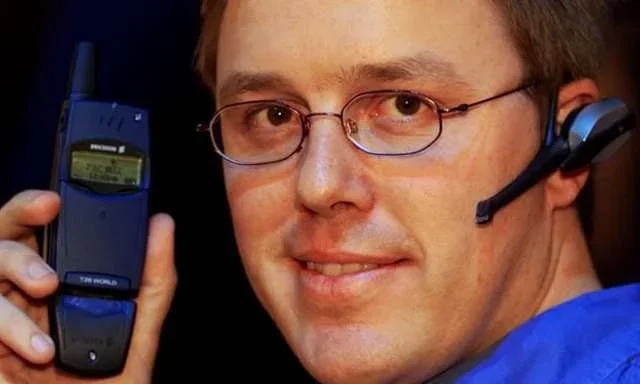
The most popular early Bluetooth device was the hands-free headset. Companies like Ericsson and Nokia released Bluetooth headsets in 2000. These allowed people to talk on their phones without holding the device. It was a huge convenience. Drivers could make calls safely. Business professionals loved the freedom.
Some early cell phones also included built-in Bluetooth support. The Ericsson T36 was one of the first phones with Bluetooth enabled. It was a big step forward for mobile connectivity. People could now pair Bluetooth devices without any wires at all.
These early headsets were bulky by today’s standards. They had short battery life and connection issues. But they proved a concept. People wanted wireless audio and hands-free communication. This demand would drive years of innovation.
Bluetooth In Computers And Accessories
Laptops and desktop computers also started getting Bluetooth adapters in 2000. These small USB dongles let PCs connect to Bluetooth peripherals. Keyboards, mice, and printers could all go wireless. It was a neat trick, but adoption was slow.
Many people did not understand the benefit yet. Why go wireless when cables worked fine? It took a few more years for the wireless revolution to truly take hold. But the foundation was laid in 2000. Early adopters saw the potential, even if most people did not yet get it.
How Bluetooth Changed Over The Years
After 2000, Bluetooth technology evolved rapidly. Each new version brought better speed, longer range, and improved reliability. Let us trace the journey from those first clunky devices to the seamless wireless connectivity we enjoy today.
Bluetooth 2.0 And The Rise Of Better Audio
Bluetooth 2.0 arrived in 2004. It brought a big improvement in data transfer speed. The Enhanced Data Rate (EDR) feature boosted speeds to 3 Mbps. This made wireless audio streaming much more practical. Music could now be sent from a phone to a headset without noticeable delay.
This version also improved battery efficiency. Devices lasted longer on a single charge. That mattered a lot for Bluetooth headsets and portable gadgets. More people started adopting the technology.
By this time, Bluetooth speakers were starting to appear. People could play music from their phones through a small wireless speaker. It was a game changer for casual listening. The idea of wireless audio everywhere was becoming real.
Bluetooth 4.0 And The Era Of Low Energy
Bluetooth 4.0 launched in 2010. It introduced a major breakthrough: Bluetooth Low Energy (BLE). This allowed tiny devices to run for months or even years on a single coin battery. Fitness trackers, smart watches, and health sensors all used this technology.
BLE also improved the range of Bluetooth connectivity. Some devices could now reach 100 meters or more. The technology was becoming more versatile. It was no longer just for audio. Bluetooth-enabled devices could now be found in almost every category of electronics.
If you have ever wondered whether you could make an old stereo Bluetooth, the answer became yes with these newer versions. Bluetooth adapters and receivers made it possible to add wireless capability to older equipment. The wireless revolution truly expanded during this era.
Modern Bluetooth: 5.0 And Beyond
Bluetooth 5.0 arrived in 2016. It doubled the range and quadrupled the speed of previous versions. The Bluetooth protocol became even more efficient. Devices could now connect to multiple peripherals at once. This opened up new possibilities for smart home technology and IoT devices.
Today, Bluetooth 5.3 and newer versions are common. They offer incredible range, fast data transfer, and stable connections. You can put a Bluetooth radio in your car and stream music seamlessly. You can turn regular speakers into Bluetooth with simple adapters. The technology has come a long way from those first clumsy devices in 2000.
Modern Bluetooth pairing is almost instant. Devices find each other automatically. Connections are secure and reliable. What started as a slow and buggy experiment in 2000 is now one of the most important wireless standards in the world.
Bluetooth In Everyday Life Today
It is hard to imagine a world without Bluetooth connectivity now. The technology is embedded in almost every device we use. From phones to cars to household gadgets, Bluetooth-enabled devices are everywhere.
Bluetooth In Cars And Automotive
Modern cars come with built-in Bluetooth hands-free systems. You can make calls, stream music, and use navigation apps all wirelessly. The technology has made driving safer and more convenient. If you are curious about adding this to an older vehicle, you might ask, can I upgrade my car stereo to Bluetooth? The answer is definitely yes, and it is easier than you think.
Bluetooth For Gaming And Entertainment
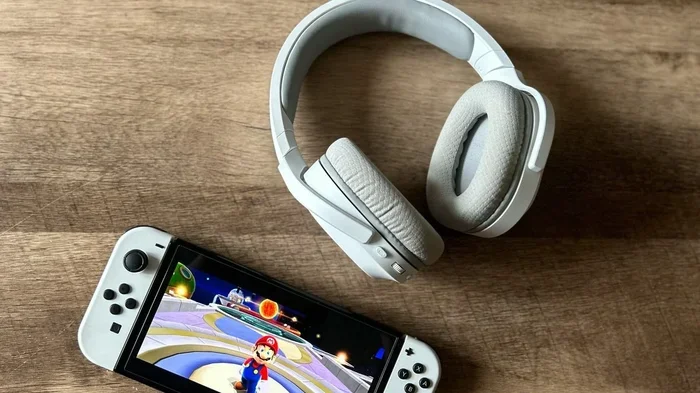
Gamers also benefit from Bluetooth technology. Wireless controllers and headsets connect seamlessly to consoles and PCs. Bluetooth headphones work with gaming systems like the Nintendo Switch, giving players immersive audio without wires. The wireless audio experience has become essential for modern gaming.
Smart speakers like Alexa also use Bluetooth connectivity for streaming. You can use Alexa as a Bluetooth speaker to play music from your phone. The wireless revolution has touched every corner of entertainment.
Common Myths About Bluetooth In 2000
There are several misconceptions about Bluetooth technology in its early days. Let us clear up some of the most common ones.
- Myth: Bluetooth was invented in 2000. The truth is the technology was developed throughout the 1990s. 2000 was just the year it reached consumers.
- Myth: Early Bluetooth was just as good as today. Early versions were buggy, slow, and had limited range. Modern Bluetooth is vastly superior.
- Myth: Only phones used Bluetooth in 2000. While phones were the main device, headsets and adapters also used the technology.
- Myth: Bluetooth and Wi-Fi are the same thing. They both use the 2.4 GHz band, but they serve different purposes. Bluetooth is for short-range device connections, while Wi-Fi is for internet access.
Why Bluetooth In 2000 Mattered For The Future
The arrival of Bluetooth in 2000 was a pivotal moment. It proved that short-range wireless technology could work for everyday consumers. That single year set the stage for the wireless connectivity world we live in today.
Without those first clumsy devices, we would not have wireless headphones, smart speakers, or Bluetooth-enabled cars. The Bluetooth protocol has grown from a basic standard into a sophisticated wireless ecosystem. Every improvement built on the foundation laid in 2000.
The wireless revolution did not happen overnight. It started with a simple idea: replace cables with radio waves. And that idea, born in the late 1990s and launched in 2000, changed the world forever.
Conclusion
So, did Bluetooth exist in 2000? Absolutely. The technology was real, it was available, and it changed how we connect our devices. From those first Bluetooth headsets and phone connections to today’s seamless wireless audio and IoT ecosystems, the journey has been remarkable.
What started as a basic short-range wireless standard has become one of the most important technologies in modern life. Every time you pair Bluetooth devices or stream music wirelessly, you are using the legacy of that first year. The Bluetooth revolution began in 2000, and it shows no signs of slowing down.
If you want to explore more about Bluetooth technology and how it fits into your daily life, check out our guides on using Bluetooth speakers and turning your phone into a Bluetooth speaker. The world of wireless connectivity is vast, and there is always something new to discover.
Frequently Asked Questions
What was the first Bluetooth device available in 2000?
The first widely available Bluetooth devices in 2000 were hands-free headsets and mobile phones. The Ericsson T36 was one of the earliest phones with built-in Bluetooth support. These devices proved that wireless connectivity was practical for everyday use.
How fast was Bluetooth in 2000 compared to today?
Bluetooth in 2000 operated at version 1.0 with speeds up to 1 Mbps. Today’s Bluetooth 5.0 and newer versions support speeds over 2 Mbps with much better range and stability. The wireless technology has improved dramatically over the past two decades.
Could you stream music using Bluetooth in 2000?
Streaming music was very limited in 2000. The early Bluetooth protocol was too slow and unstable for smooth audio streaming. Real wireless music streaming became practical with Bluetooth 2.0 and later versions that introduced Enhanced Data Rate support.
Was Bluetooth available in cars in 2000?
Bluetooth was not common in cars in 2000. The first Bluetooth-enabled car systems appeared a few years later as the technology matured. Today, you can easily add a Bluetooth radio to your car for wireless connectivity.
Who invented Bluetooth technology?
Bluetooth was developed by Ericsson, a Swedish telecommunications company, starting in 1994. The Bluetooth Special Interest Group was formed in 1998 by major tech companies including Intel, Nokia, and Toshiba to standardize and promote the technology.
Is Bluetooth still evolving today?
Yes, Bluetooth technology continues to evolve with each new version. The latest versions focus on lower energy consumption, faster speeds, and better range. The wireless standard is constantly improving to meet the demands of modern consumer electronics.