Find Out If You Can Plug An Hdmi 2 1 Into A 1 4 Slot
You can physically plug an HDMI 2.1 cable into an HDMI 1.4 port, but you will not get the full HDMI 2.1 features. The connection will work at HDMI 1.4 speeds and resolution limits. Understanding this difference helps you avoid frustration and make smarter buying decisions for your home entertainment setup.
Have you ever stood in front of your entertainment setup, cable in hand, and wondered whether your HDMI 2.1 cable would actually work with an older HDMI 1.4 port? You are not alone. This is one of the most common questions people ask when upgrading their home theater or gaming setup. The short answer is yes, you can plug an HDMI 2.1 cable into an HDMI 1.4 slot. But the full story is a bit more interesting than that.
When you understand the difference between cable versions and port versions, you save yourself a lot of confusion. HDMI 2.1 brings incredible features like 8K resolution, higher refresh rates, and faster data transfer. But none of that matters if your port cannot handle it. This guide breaks down everything you need to know about compatibility, performance limits, and what you should actually expect when mixing HDMI versions.
Key Takeaways
- Physical Compatibility: HDMI 2.1 cables fit into HDMI 1.4 ports because they share the same connector shape and size.
- Speed Limitations: When plugged into an HDMI 1.4 slot, the cable will only operate at HDMI 1.4 bandwidth speeds, not HDMI 2.1 speeds.
- Resolution Caps: You will be limited to 4K at 60Hz or lower when using an HDMI 2.1 cable in an HDMI 1.4 port.
- No Advanced Features: Features like VRR, ALLM, and 8K support require HDMI 2.1 ports on both ends.
- Check Your Ports: Always verify the HDMI version on your devices before purchasing cables to avoid wasted money.
- Future-Proofing: Buying HDMI 2.1 cables now is smart since they work with older and newer ports alike.
📑 Table of Contents
- What Is HDMI 2.1 and Why Does It Matter?
- What Is HDMI 1.4 and What Can It Do?
- Can You Plug HDMI 2.1 Into an HDMI 1.4 Slot?
- What Happens When You Use HDMI 2.1 in an HDMI 1.4 Port?
- How to Check Your HDMI Version
- Best Practices for HDMI Cable Selection
- Common Mistakes People Make With HDMI Cables
- Expert Insights on HDMI Compatibility
- Key Takeaways
- Conclusion
What Is HDMI 2.1 and Why Does It Matter?
HDMI 2.1 is the latest version of the High-Definition Multimedia Interface standard. It was released in 2017 and brought major improvements over previous versions. The most exciting part is the massive boost in bandwidth. HDMI 2.1 supports up to 48 gigabits per second of data transfer. That is a huge jump from the 10.2 gigabits per second that HDMI 1.4 offers.
Here are some of the key features that HDMI 2.1 brings to the table:
- 8K Resolution: You can push 8K video at 60Hz, which is incredibly detailed for large screens.
- 4K at 120Hz: Gamers and movie lovers get smooth, high-frame-rate content at 4K quality.
- Variable Refresh Rate (VRR): This reduces screen tearing during gaming, making the experience much smoother.
- Auto Low Latency Mode (ALLM): Your TV automatically switches to gaming mode for the lowest possible input lag.
- Dynamic HDR: This provides enhanced contrast and color on a scene-by-scene or frame-by-frame basis.
- Quick Frame Transport: Reduces latency and improves the overall responsiveness of your display.
If you are building a modern gaming setup or investing in a high-end 4K or 8K television, HDMI 2.1 is the standard you want. It is the backbone of next-generation gaming consoles like the PlayStation 5 and Xbox Series X. These devices rely on HDMI 2.1 to deliver their full visual potential.
But here is where things get tricky. You might have a shiny new HDMI 2.1 cable, but what if your TV or monitor only has an HDMI 1.4 port? That is the question we are going to answer in detail.
What Is HDMI 1.4 and What Can It Do?
HDMI 1.4 has been around since 2009. It served as the standard for many years and is still found on a huge number of TVs, monitors, and projectors. While it is older, it is far from useless. HDMI 1.4 can handle 4K resolution, but only at 30Hz. For movies, that is usually fine. For fast-paced gaming, it is not ideal.
Here is what you can expect from an HDMI 1.4 port:
- 4K at 30Hz: Fine for watching films and streaming content.
- 1080p at 144Hz: Great for competitive gaming on smaller screens.
- 3D Support: HDMI 1.4 introduced support for 3D video content.
- HDMI Ethernet Channel: Allows devices to share an internet connection through the HDMI cable.
- Audio Return Channel (ARC): Sends audio from your TV back to your soundbar or receiver through a single cable.
The bandwidth cap at 10.2 gigabits per second is what limits HDMI 1.4. It simply cannot push the massive amounts of data that HDMI 2.1 can. This is the core reason why plugging an HDMI 2.1 cable into an HDMI 1.4 port will not unlock those fancy new features.
When you look at the 4 main parts of a computer system, the HDMI port is part of the output and display subsystem. Understanding how this subsystem works helps you make better decisions about cables and ports. Your graphics card, motherboard, or streaming device all play a role in determining what HDMI version your setup supports.
Can You Plug HDMI 2.1 Into an HDMI 1.4 Slot?
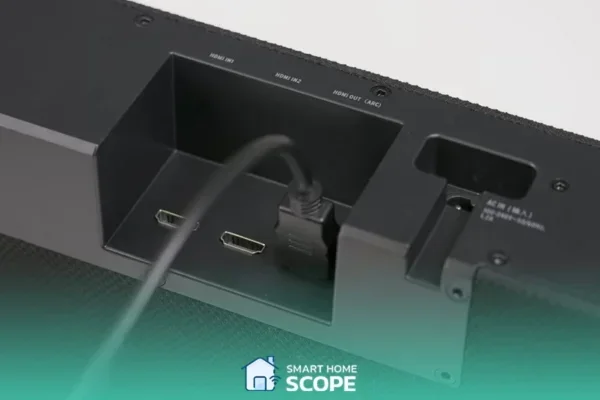
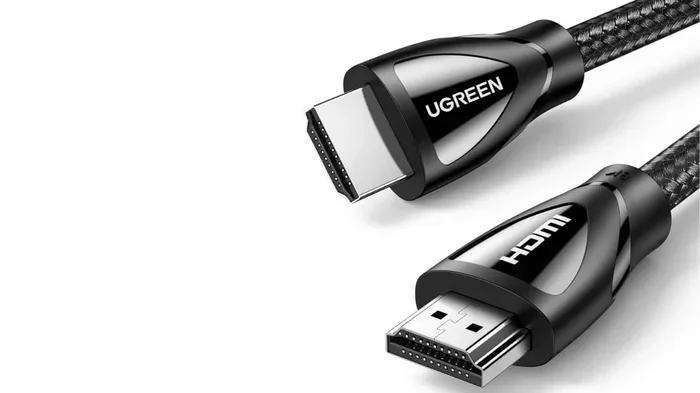
The direct answer is yes. The physical connector on an HDMI 2.1 cable is the same size and shape as an HDMI 1.4 port. They are fully compatible at the plug level. You can insert an HDMI 2.1 cable into an HDMI 1.4 slot without any force or adapters. It will click in just like any other HDMI connection.
However, compatibility at the physical level does not mean full feature compatibility. Think of it like this: you can plug a high-performance engine into an older car chassis. The engine will fit, but the car cannot use all of that engine’s power because the rest of the system is not built to handle it.
When an HDMI 2.1 cable connects to an HDMI 1.4 port, the connection will negotiate down to the highest version both devices support. In this case, that means the cable will operate at HDMI 1.4 specifications. You will get the resolution and refresh rate that HDMI 1.4 supports, not the faster speeds of HDMI 2.1.
This backward compatibility is actually one of the best things about the HDMI standard. It means you do not have to replace all your cables every time a new version comes out. Your existing HDMI 2.1 cables will work fine with older devices. You just will not get the premium features until you upgrade the port or device as well.
What You Will Actually See on Your Screen
When you plug an HDMI 2.1 cable into an HDMI 1.4 port, here is what you can realistically expect:
- 4K at 30Hz: This is the maximum resolution HDMI 1.4 supports at 4K.
- 1080p at 144Hz or higher: If your display supports it, you can still get smooth high-definition gaming.
- Standard HDR: You may get basic HDR support depending on the device, but not dynamic HDR.
- No 8K: HDMI 1.4 cannot process 8K signals at all.
- No VRR or ALLM: These features are exclusive to HDMI 2.1 and will not work through an HDMI 1.4 port.
If you are just watching Netflix or streaming YouTube, you probably will not notice a big difference. But if you are a gamer who wants the smoothest possible experience, the limitations of HDMI 1.4 will be very apparent.
What Happens When You Use HDMI 2.1 in an HDMI 1.4 Port?
Understanding what happens when you mix HDMI versions helps set realistic expectations. The connection will work, but it operates within the limits of the older port. Let us break down what changes and what stays the same.
Bandwidth and Data Transfer
The most significant difference is bandwidth. HDMI 2.1 can move up to 48 Gbps of data. HDMI 1.4 caps out at 10.2 Gbps. When you use an HDMI 2.1 cable in an HDMI 1.4 port, the bandwidth drops to 10.2 Gbps. This means the cable cannot carry the massive data loads needed for 8K or 4K at 120Hz.
Resolution and Refresh Rate
Your resolution and refresh rate will be limited by the HDMI 1.4 port, not the cable. Here is a quick comparison:
- HDMI 2.1 Full Features: 8K at 60Hz, 4K at 120Hz, VRR, ALLM, dynamic HDR.
- HDMI 2.1 Cable in HDMI 1.4 Port: 4K at 30Hz, 1080p at 144Hz+, standard ARC, no VRR.
As you can see, the gap is significant for gaming and high-frame-rate content. If you want 4K at 120Hz for your next-gen console, you need both an HDMI 2.1 cable and an HDMI 2.1 port.
Cable Quality and Build
One thing that often surprises people is that HDMI 2.1 cables tend to be better built than older cables. They often have thicker shielding, better conductors, and sturdier connectors. So even though you are limited to HDMI 1.4 speeds, the physical quality of the cable might still be superior. This means a more reliable connection and less signal degradation over long cable runs.
Will It Damage Your Equipment?
A common concern is whether using the wrong cable version can damage your devices. The answer is no. HDMI connections are designed to be safe. Plugging an HDMI 2.1 cable into an HDMI 1.4 port will not harm your TV, monitor, or any other device. The devices communicate and automatically adjust to the highest mutually supported version.
How to Check Your HDMI Version
Before you buy any cables, it helps to know exactly what HDMI version your devices support. Here are a few ways to find out:
- Check the Device Manual: The user guide for your TV, monitor, or console will list the HDMI version.
- Look at the Port Labeling: Some manufacturers print the HDMI version directly next to the port on the back of the device.
- Visit the Manufacturer Website: Search for your device model and look at the specifications page.
- Check the Settings Menu: Some TVs display the HDMI version in the display or input settings.
If you are unsure about your setup, it is always safe to assume the port is HDMI 1.4 unless it is explicitly labeled as HDMI 2.0 or HDMI 2.1. When you look at the 4 main parts of a computer system, the display output hardware determines the HDMI version your setup can use. Upgrading your graphics card or display might be necessary to unlock HDMI 2.1 features.
Also, keep in mind that some devices have multiple HDMI ports with different versions. Your TV might have two HDMI 2.1 ports and three HDMI 1.4 ports. Always check which specific port you are using.
Best Practices for HDMI Cable Selection
Choosing the right HDMI cable does not have to be confusing. Here are some practical tips to help you make the best decision for your setup.
Buy HDMI 2.1 Cables for Future-Proofing
Even if your current devices only have HDMI 1.4 ports, buying HDMI 2.1 cables is still a smart move. They are widely available and reasonably priced. When you eventually upgrade your TV or console, you will already have the right cables ready to go. It is one of those purchases that saves you time and money in the long run.
Look for Certified Cables
The HDMI Forum certifies cables that meet specific standards. Look for the “Ultra High Speed HDMI” label on the packaging. This certification guarantees the cable can handle 48 Gbps and all HDMI 2.1 features. Avoid cables that make vague claims about “4K support” without proper certification.
Consider Cable Length
Longer cables can suffer from signal loss, especially at higher bandwidths. For HDMI 2.1, keep your cables under 3 meters (about 10 feet) for the best performance. If you need a longer run, look for active HDMI cables or fiber optic HDMI cables that maintain signal quality over distance.
Match the Cable to Your Use Case
Think about what you will be doing with your setup. If you are a casual streamer watching movies, an HDMI 1.4 cable might be all you need. If you are a competitive gamer who wants 4K at 120Hz with VRR, you need a certified HDMI 2.1 cable and an HDMI 2.1 port on both ends.
Common Mistakes People Make With HDMI Cables
There are a few mistakes that people make frequently when dealing with HDMI cables and ports. Avoiding these can save you a lot of headaches.
- Assuming All HDMI Cables Are the Same: Not all cables support the same bandwidth. An older High Speed HDMI cable cannot handle 4K at 60Hz properly.
- Buying Expensive Cables You Do Not Need: You do not need a $100 HDMI cable for basic 4K watching. A $15 certified Ultra High Speed cable does the job just as well.
- Ignoring Port Versions: Having an HDMI 2.1 cable does not matter if your port is HDMI 1.4. Both ends need to support the version you want.
- Using Cheap Uncertified Cables: These cables often fail to deliver the promised bandwidth and can cause flickering or no signal at all.
- Not Checking for Firmware Updates: Some devices can unlock new HDMI features through firmware updates. Always keep your devices up to date.
One thing that trips up a lot of people is thinking that a thicker cable automatically means better performance. Cable thickness does not determine HDMI version. What matters is the internal wiring and certification. A thin, certified Ultra High Speed cable will outperform a thick, uncertified one every time.
Sometimes troubleshooting connection issues feels like dealing with a stubborn line that just will not go away in Microsoft Excel — it is frustrating, but there is always a logical solution. The same applies to HDMI problems. Check your cable, check your port version, and check your device settings before assuming something is broken.
Expert Insights on HDMI Compatibility
Industry experts consistently emphasize one key point: the cable is only as good as the weakest link in the chain. If you have an HDMI 2.1 source device, an HDMI 2.1 cable, but an HDMI 1.4 display, your experience will be capped at HDMI 1.4 quality. All three components need to support the same version for you to get the full benefit.
When you are shopping for accessories, it helps to think of your setup as a system. The source device (like a game console or Blu-ray player), the cable, and the display (your TV or monitor) all need to work together. This is similar to how the 4 main parts of a computer system work together — the processor, memory, storage, and output devices all need to be balanced for the best performance.
Technology reviewers also recommend keeping a small stock of different HDMI cables at home. You never know when you will need to connect a new device or troubleshoot a display issue. Having the right cable on hand makes setup and problem-solving much easier.
If you are interested in finding apps and tools that help you manage your smart home devices, check out apps that work like Uber for finding dog walkers — these platforms use smart connectivity similar to how HDMI devices negotiate the best connection between them. The underlying concept of smart device matching applies across many tech ecosystems.
Key Takeaways
- Physical Compatibility: HDMI 2.1 cables fit perfectly into HDMI 1.4 ports because they share the same connector design.
- Speed and Feature Limitations: The connection will operate at HDMI 1.4 speeds, capping you at 4K 30Hz and basic features.
- No Damage Risk: Mixing HDMI versions is completely safe and will not harm your equipment.
- Future-Proof Investment: Buying HDMI 2.1 cables now is wise since they work with both old and new devices.
- Check Both Ends: Always verify the HDMI version on your source device, cable, and display for the best experience.
- Certification Matters: Look for Ultra High Speed HDMI certification to ensure the cable meets HDMI 2.1 standards.
Conclusion
So, can you plug an HDMI 2.1 cable into an HDMI 1.4 slot? Absolutely. The physical connection works without any issues. But the real question is what you should expect from that connection. The answer is that you will get HDMI 1.4 performance, not HDMI 2.1 performance.
HDMI 2.1 is a fantastic standard that unlocks incredible features for modern gaming and home theater. But to enjoy those features, you need HDMI 2.1 ports on both your source device and your display. The cable alone cannot bridge the gap.
The good news is that HDMI 2.1 cables are backward compatible and work fine with older ports. This means you can invest in quality cables now without worrying about whether they will work with your current setup. When you are ready to upgrade your devices, you will already have the right cables in place.
Take a moment to check the HDMI versions on your devices. Know what your setup can and cannot do. With this knowledge, you will make smarter purchasing decisions and get the best possible experience from your entertainment system. The world of HDMI does not have to be confusing. Once you understand the basics, everything falls into place.
Whether you are connecting a new gaming console, streaming device, or Blu-ray player, the right cable makes all the difference. And now you know exactly what to expect when you mix HDMI 2.1 cables with HDMI 1.4 ports. Happy connecting.
Frequently Asked Questions
Will an HDMI 2.1 cable work with an HDMI 1.4 TV?
Yes, it will work physically and functionally. The cable will operate at HDMI 1.4 speeds and resolution limits. You will not get HDMI 2.1 features like 8K or 4K at 120Hz, but the connection will be stable and reliable.
Can an HDMI 2.1 cable damage an HDMI 1.4 port?
No, it cannot. HDMI connections are designed to be safe regardless of cable version. The devices automatically negotiate the highest compatible version. There is no risk of damage to your equipment.
Do I need an HDMI 2.1 cable for 4K gaming?
For 4K at 60Hz, an HDMI 1.4 or 2.0 cable works fine. For 4K at 120Hz with VRR, you need an HDMI 2.1 cable and an HDMI 2.1 port on both your console and TV.
How can I tell if my TV has an HDMI 2.1 port?
Check your TV manual, look for HDMI 2.1 labeling next to the port on the back of the TV, or visit the manufacturer website and search for your TV model specifications.
Are all HDMI 2.1 cables the same?
No, not all cables are created equal. Look for the Ultra High Speed HDMI certification to ensure the cable can handle 48 Gbps and all HDMI 2.1 features. Uncertified cables may not deliver the promised performance.
Can I use an HDMI 2.1 cable with a laptop that has an HDMI 1.4 port?
Yes, you can. The cable will work but will be limited to HDMI 1.4 speeds. You can connect your laptop to a monitor or TV, but you will not get HDMI 2.1 features like 8K or variable refresh rate.