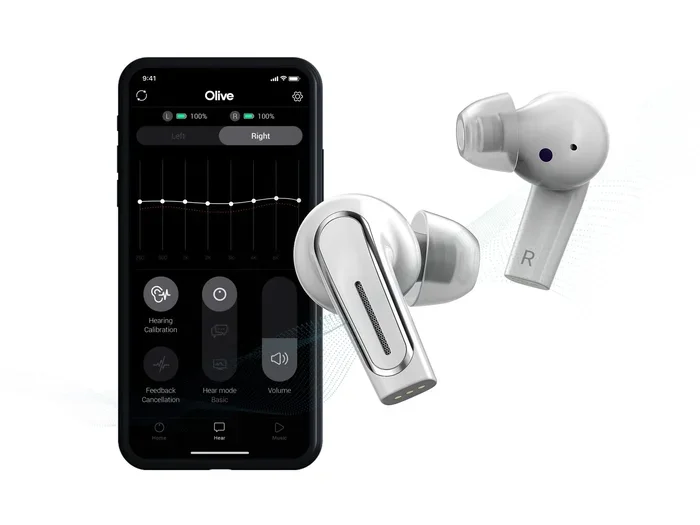
Can You Listen To Music With Bluetooth Hearing Aid
Yes, you can listen to music with Bluetooth hearing aids, and it is easier than most people think. Modern Bluetooth hearing aids let you stream audio directly from your phone, tablet, or TV straight into your ears. This means clearer sound, hands-free control, and a much better music experience without any extra wires.
Can you listen to music with Bluetooth hearing aid? The short answer is yes. You can absolutely stream music straight to your ears through modern Bluetooth hearing aids. This is one of the most exciting features in hearing technology today. Whether you love pop, classical, podcasts, or audiobooks, Bluetooth streaming makes it all possible.
Gone are the days when hearing aids only amplified the world around you. Today’s devices connect wirelessly to your phone, tablet, or computer. You get to enjoy your favorite tunes without holding your phone to your ear. It feels like having a tiny, personal speaker right inside your ear canal. And the best part? Most people can set this up in just a few minutes.
If you have been wondering whether Bluetooth hearing aids are worth it for music, this guide has you covered. We will walk through everything you need to know. From how the technology works to tips for getting the best sound. By the end, you will know exactly what to expect and how to get started.
Key Takeaways
- Bluetooth hearing aids support direct music streaming: You can play music from your phone or tablet right through your hearing aids.
- Sound quality is surprisingly good: Modern Bluetooth technology delivers clear, rich audio tailored to your hearing needs.
- Battery life matters: Streaming music uses more power, so keep your hearing aids charged or carry spares.
- Not all hearing aids are the same: Check compatibility before you buy or assume your current pair supports streaming.
- Apps give you control: Most Bluetooth hearing aids come with apps that let you adjust volume and EQ settings.
- Keep your devices updated: Software updates improve connectivity and fix common Bluetooth issues.
- Use the right settings: Adjusting your hearing aid profile for music makes a big difference in sound clarity.
📑 Table of Contents
How Bluetooth Hearing Aids Work
The Basics of Bluetooth Technology
Bluetooth is a wireless communication standard. It lets devices talk to each other over short distances. Your hearing aid and your phone both have Bluetooth chips inside. When you pair them, they create a private, secure connection. This connection sends audio data back and forth almost instantly.
You do not need any extra cables or gadgets. The connection happens automatically once the devices are paired. Most modern hearing aids use Bluetooth Low Energy, or BLE. This means they use very little battery while still delivering great sound. The range is usually about 30 feet, which is plenty for everyday use.
Some hearing aids also support multipoint pairing. This means you can connect to two devices at the same time. For example, your hearing aids can stay connected to your phone and your TV. When a call comes in, the hearing aids switch over automatically. It is a small convenience that makes a big difference.
What Makes Bluetooth Hearing Aids Different
Traditional hearing aids amplify sound from the environment. They pick up everything around you and make it louder. Bluetooth hearing aids add a new layer of functionality. They can receive audio signals directly from your devices.
This direct streaming bypasses the environment completely. You are not relying on microphones to pick up music from a speaker across the room. Instead, the audio goes straight from your phone to your ears. This means less background noise and much clearer sound. It is like having a personal audio channel just for you.
Many people also use their hearing aids for phone calls. The same Bluetooth connection handles both music and calls seamlessly. You do not need a separate device for each function. Everything works through one simple pairing process.
Can You Really Listen to Music Through Bluetooth Hearing Aids?
Direct Streaming vs. Intermediate Devices
There are two main ways to stream music to hearing aids. The first is direct streaming. This works with newer hearing aids that have built-in Bluetooth. Brands like Phonak, Oticon, Signia, and Starkey offer models that connect straight to your iPhone or Android phone.
The second method uses an intermediate device. This is a small streamer or accessory that sits between your phone and your hearing aids. Older models or certain brands may require this extra piece. The streamer receives the Bluetooth signal from your phone and sends it to the hearing aids. It adds a step, but the result is the same.
Direct streaming is more convenient. You do not have to worry about carrying another device. However, intermediate streamers sometimes offer better range or battery life. Your choice depends on your specific hearing aid model and lifestyle. Check with your audiologist to find out which option works best for you.
What the Experience Sounds Like
When you first start streaming music, the sound might feel different. It is not exactly like wearing headphones. Instead, the music comes through your hearing aid speakers. The audio fills your ear canal in a natural way. Many users say it feels more balanced and comfortable than traditional earbuds.
The quality depends on your hearing aid model. Higher-end devices offer stereo sound and better frequency response. Budget models may sound a bit more compressed. But even entry-level Bluetooth hearing aids deliver clear, enjoyable music. You will be able to hear the vocals, instruments, and bass clearly.
One thing to keep in mind is that your hearing loss affects the experience. If you have trouble hearing certain frequencies, the music will sound that way too. But here is the good news. You can adjust the hearing aid settings to boost the frequencies you struggle with. This means your music experience can actually be better than before you wore hearing aids.
Benefits of Streaming Music Through Hearing Aids
Convenience and Hands-Free Control
The biggest benefit of Bluetooth hearing aids is convenience. You do not need to carry headphones everywhere. Your hearing aids double as your audio device. This is especially helpful when you are active or on the go.
You can control playback right from your phone. Pause, skip, or adjust volume without touching your hearing aids. Some models even let you tap or swipe on the hearing aid itself. This hands-free approach makes listening feel effortless.
Many hearing aid apps also let you save custom music profiles. You can set up a specific EQ for your favorite genre. Rock might have more bass, while classical might have a wider soundstage. These presets make switching between music types quick and easy.
Better Sound Quality and Clarity
Streaming music directly to your hearing aids reduces background noise. You are not competing with the sounds of a busy room or traffic. The audio signal stays clean and focused. This is especially noticeable in noisy environments like cafes or airports.
Modern hearing aids also use smart processing to enhance music. They can distinguish between speech and music. When they detect music, they adjust the processing mode. This prevents the compression that can make music sound flat. The result is a richer, more natural listening experience.
For people with hearing loss in both ears, stereo streaming is a game changer. You hear the music in stereo, just like normal headphones. This spatial awareness makes it easier to enjoy the full picture of a song. Instruments and vocals feel like they are right in front of you.
Things to Consider Before You Start
Battery Life and Power Consumption
Streaming music uses more battery than normal hearing aid use. Bluetooth is a power-hungry technology. When you stream for a few hours, you may notice the battery drain faster. Most modern hearing aids give you about 4 to 8 hours of streaming time on a full charge.
If you plan to listen to music for long periods, plan ahead. Charge your hearing aids fully before you start. Carry a portable charging case if you are out for the day. Some users also keep a spare set of rechargeable batteries handy. This way, you never run out of power unexpectedly.
It is also worth noting that not all streaming is equal. Streaming phone calls uses less battery than streaming music. Music has a wider frequency range and more data. So if battery life is a concern, be mindful of how long you stream at a time.
Bluetooth Range and Connection Stability
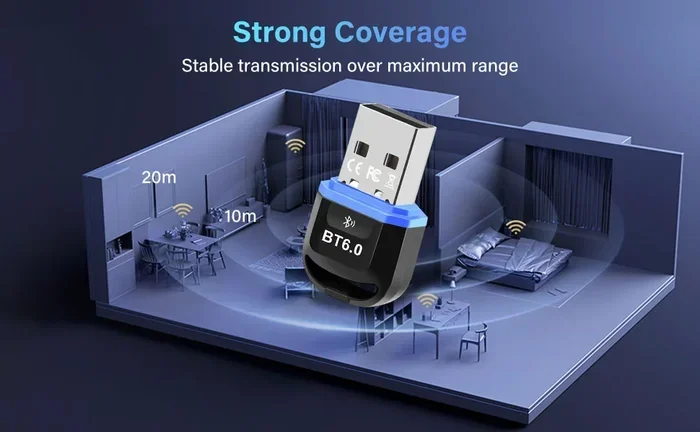
Bluetooth has a limited range. Most hearing aids work well within 30 feet of your phone. If you walk too far away, the connection may drop. Walls and obstacles can also weaken the signal. This is something to keep in mind if you like to listen while moving around the house.
Connection stability varies by device. Some hearing aids maintain a rock-solid connection. Others may experience occasional glitches. If you notice dropouts, try moving closer to your phone. Also, make sure your phone and hearing aid software are up to date. Updates often fix connectivity issues.
Interference from other wireless devices can also cause problems. Wi-Fi routers, microwaves, and other Bluetooth devices can all create noise. If you experience issues, try turning off nearby wireless devices temporarily. This simple step often solves the problem.
Tips for the Best Music Listening Experience
Adjusting Your Hearing Aid Settings
Most Bluetooth hearing aids have different programs for different situations. There is usually a setting for music. Switching to this program changes how your hearing aids process sound. It opens up the compression and gives you a wider dynamic range.
Here are some quick tips for getting started:
- Find the music program in your hearing aid app. Tap it before you start listening.
- Turn down the noise reduction temporarily. This lets more of the music through naturally.
- Adjust the volume to a comfortable level. Music should be enjoyable, not overwhelming.
- Experiment with EQ settings. Boost the frequencies you enjoy most.
These small changes can make a huge difference. You will hear more detail and enjoy a more natural sound. Do not be afraid to play around with the settings until you find what works best for you.
Choosing the Right Music App
Not all music apps are the same when it comes to hearing aid compatibility. Streaming apps like Apple Music, Spotify, and YouTube Music work great with most Bluetooth hearing aids. They send a clean audio signal that your hearing aids can handle easily.
Some apps also offer built-in hearing support. Apple Music, for example, has features designed for hearing aid users. Spotify lets you adjust playback quality, which affects the audio richness. Higher quality settings sound better but use more data.
If you listen to podcasts or audiobooks, these work well too. The speech clarity in streaming mode makes voices easy to understand. You can enjoy your favorite shows while cooking, walking, or relaxing on the couch.
For a broader look at helpful tech that improves daily life, check out our 10 Gadgets To Make Moms Life Easier guide. It covers some great tools that pair well with Bluetooth devices.
Keeping Your Devices Connected
A strong connection makes all the difference. Here are a few habits that help:
- Keep your hearing aids and phone close together. Stay within 30 feet for the best signal.
- Restart both devices if you notice connection issues. A quick reset often fixes glitches.
- Update your hearing aid firmware regularly. Manufacturers release updates that improve Bluetooth performance.
- Unpair and re-pair devices if problems persist. This clears old connection data and starts fresh.
These simple steps keep your streaming experience smooth and enjoyable. A little maintenance goes a long way.
Common Mistakes to Avoid
Overlooking Hearing Aid Maintenance
Bluetooth hearing aids are small electronic devices. They need regular care to work their best. Wax buildup in the speaker port can muffle the sound. Moisture from sweat or humidity can damage internal components. Clean your hearing aids every day with a soft cloth and a brush tool.
Also, remove your hearing aids before showering or swimming. Water and electronics do not mix well. If your hearing aids get wet, dry them thoroughly before use. A drying kit or dehumidifier can help extend their lifespan significantly.
Ignoring Software Updates
Hearing aid manufacturers release software updates regularly. These updates often fix Bluetooth bugs and improve streaming quality. If you skip updates, you may miss out on performance improvements. Check for updates through your hearing aid app at least once a month.
Similarly, keep your phone updated too. Operating system updates can change how Bluetooth devices connect. Sometimes a phone update causes temporary connection issues. Updating your hearing aid firmware alongside your phone software helps prevent this.
Assuming All Hearing Aids Stream the Same Way
Not every Bluetooth hearing aid offers the same streaming experience. Some models stream directly from any phone. Others only work with iPhones or specific Android models. Before you buy, ask your audiologist exactly what streaming capabilities the device has.
It is also important to know that streaming to both ears varies by model. Some hearing aids stream to both ears simultaneously. Others only stream to one. If stereo sound matters to you, make sure you choose a model that supports bilateral streaming.
Setting Expectations Too High
While Bluetooth hearing aids are impressive, they are not perfect headphones. The sound quality is very good, but it is not identical to over-ear headphones. You may notice slight differences in bass response or spatial width. This is normal and expected given the small size of hearing aid speakers.
Set realistic expectations, and you will be pleasantly surprised. Most users find the experience more than good enough for everyday listening. The convenience and health benefits far outweigh any minor audio trade-offs.
Frequently Asked Questions
Can all Bluetooth hearing aids stream music?
Most modern Bluetooth hearing aids can stream music directly from your phone or tablet. However, the exact features depend on the brand and model. Some budget hearing aids may require an intermediate streamer. Always check the product specifications before purchasing to confirm streaming support.
Does streaming music drain hearing aid batteries faster?
Yes, streaming uses more battery than normal hearing aid use. Bluetooth is a power-intensive feature. On average, you can expect about 4 to 8 hours of streaming time on a full charge. To conserve battery, turn off streaming when you are not actively listening to music.
Can I listen to music in both ears at the same time?
Many modern Bluetooth hearing aids support bilateral streaming. This means music plays in both ears simultaneously, giving you a stereo experience. However, not all models offer this feature. Check with your audiologist or the manufacturer to confirm your specific model supports stereo streaming.
Is the sound quality as good as regular headphones?
The sound quality is very good, though it is not identical to over-ear headphones. Bluetooth hearing aids deliver clear and balanced audio. They excel in speech clarity and comfort. For music listening, the experience is enjoyable and convenient, even if it does not match high-end headphones in every detail.
Can I use Bluetooth hearing aids with any phone?
Most Bluetooth hearing aids work with both iPhones and Android phones. However, some models have limited compatibility. For example, certain features may only work with iPhones. Always check the hearing aid specifications to ensure it works with your specific phone model.
How do I pair my hearing aids with my phone for the first time?
First, turn on Bluetooth on your phone. Then open your hearing aid app or your phone’s Bluetooth settings. Put your hearing aids in pairing mode. They should appear in the list of available devices. Tap on them to connect. The process usually takes less than a minute. If you have trouble, refer to your hearing aid manual or contact your audiologist.
Final Thoughts
Can you listen to music with Bluetooth hearing aid? Absolutely. The technology has come a long way in recent years. Today’s Bluetooth hearing aids deliver a genuinely enjoyable music experience. You get clear sound, hands-free control, and the freedom to listen anywhere.
Whether you are a casual listener or a music lover, Bluetooth streaming adds real value to your hearing aids. It turns a helpful medical device into a lifestyle upgrade. You stay connected to the sounds you love without any extra hassle.
Start by checking your current hearing aid model for Bluetooth support. If your device does not support streaming, consider an upgrade. The difference in convenience and sound quality is well worth it. And if you need help with your phone settings, our guide on Adding Prefixes To Numbers On Iphone can help you manage your connectivity settings more effectively.
Take the time to explore your hearing aid’s music features. Adjust the settings, try different apps, and find what works best for you. Once you experience music streaming through your hearing aids, you will wonder how you ever lived without it. The future of hearing technology is here, and it sounds amazing.