Do Over Ear Headphones Cause Earwax and Blocked Ears
Wearing over ear headphones for long periods can push earwax deeper into the ear canal, leading to buildup and blockages. While headphones don’t directly create earwax, they trap moisture and pressure that disrupts the ear’s natural self-cleaning process. Understanding how your listening habits affect ear health is the first step toward preventing discomfort and hearing issues.
This is a comprehensive guide about Do Over Ear Headphones Cause Earwax.
Key Takeaways
- Over ear headphones can contribute to earwax buildup by trapping moisture and preventing natural earwax migration.
- Blocked ears from headphones are a common issue caused by pressure changes and wax compaction.
- Taking regular breaks and practicing good ear hygiene can significantly reduce headphone-related earwax problems.
- Signs of headphone-caused ear blockage include muffled hearing, ear fullness, and mild discomfort.
- Seeing a doctor is important if you experience persistent hearing loss or pain from earwax impaction.
[FEATURED_IMAGE_PLACEHOLDER]
Have you ever finished a long listening session and felt like your ears were plugged? Maybe you reached for your over ear headphones for a gaming marathon or a workout, and hours later noticed your hearing felt off. You’re not alone. Many people wonder whether their favorite pair of headphones is actually causing earwax buildup and blocked ears.
The short answer is yes, headphones can contribute to earwax problems. But the full picture is more nuanced than you might think. Over ear headphones don’t create earwax, but they can change the environment inside your ear canal in ways that lead to buildup and discomfort. This article breaks down exactly how that happens and what you can do about it.
Whether you use over ear headphones for music, gaming, or work calls, understanding the connection between headphone use and ear health is essential. We’ll cover the science behind earwax production, how headphones affect your ears, and practical steps you can take today to protect your hearing. Let’s dive in.
How Do Over Ear Headphones Affect Your Ears?
To understand why headphones and earwax are connected, you need to know a bit about how your ears work. Your ear canal is designed to be self-cleaning. Earwax, also called cerumen, slowly moves outward from your eardrum to the entrance of your ear. Along the way, it picks up dust, dead skin cells, and debris. Then it naturally falls out or gets wiped away.
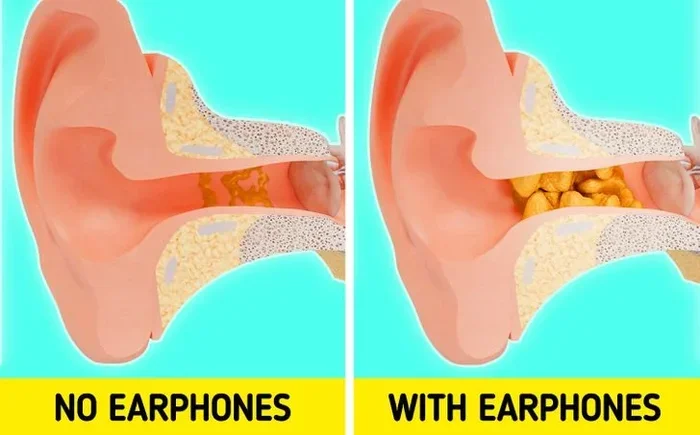
But when you place headphones over your ears for hours, you change that process. The cups create a warm, enclosed space around your ear canal. This environment affects airflow, moisture levels, and pressure. All of these factors play a role in how earwax behaves inside your ear.
The Warm, Moist Environment Problem
Over ear headphones press against your ears and form a seal. This seal traps heat and moisture near the ear canal opening. Wax thrives in warm, damp conditions. When the natural drying process of your ear is slowed down, earwax can become softer and stickier. Instead of migrating outward as it should, it may accumulate near the canal entrance.
Think of it like wearing a hat all day. Your scalp gets sweaty, and things don’t dry the way they normally would. The same principle applies to your ear canal when you wear headphones for extended periods. Moisture trapped by headphones creates the perfect breeding ground for wax buildup.
Pressure and Its Role in Ear Blockage
Over ear headphones apply gentle but consistent pressure around your ears. This pressure can push earwax deeper into the canal. When wax gets compacted against the eardrum, it creates a blockage. You might notice muffled hearing, a feeling of fullness, or even mild pain.
This is especially true if you wear your headphones for several hours without a break. The constant pressure prevents the ear from doing its job of pushing old wax out. Over time, this can lead to wax impaction, a condition where hardened earwax blocks the ear canal entirely.
Can Headphones Actually Cause Earwax Buildup?
The relationship between headphones and earwax is real, but it’s important to understand that headphones don’t cause your ears to produce more wax. Your body produces earwax at a fairly consistent rate based on genetics, age, and environment. What headphones do is interfere with the natural removal process.
How Earwax Normally Moves Out of Your Ear
Your ear canal has tiny hair follicles and glands that produce cerumen. Jaw movements like talking and chewing help push wax outward. When you clean your ears with cotton swabs, you often push wax deeper instead of removing it. Headphones add another layer to this problem by creating pressure that pushes wax inward.
So the combination of natural wax production, improper cleaning habits, and headphone pressure creates a perfect storm for buildup. People who already produce more earwax are especially vulnerable.
Do All Headphones Cause This Problem?
Not all headphones are equal when it comes to earwax. Over ear headphones with large cups that sit around the ear tend to trap more heat and moisture than open-back designs. Closed-back headphones create a tighter seal, which increases the pressure effect.
On the other hand, in-ear headphones like earbuds sit inside the ear canal and can push wax directly toward the eardrum. Some people prefer over ear headphones because they don’t go inside the ear. But both types can contribute to earwax problems if used improperly.
If you use Do Plantronics Headsets Work With Cell Phones for work, you might wear them for hours on end. The same goes for gaming headsets used during long Can I Use Bluetooth Headphones For Gaming sessions. Extended wear time is the real culprit, regardless of the headphone type.
Signs Your Headphones Are Causing Ear Blockage
It’s not always obvious that your headphones are affecting your ears. Many people don’t notice the early signs of earwax buildup until the problem becomes more serious. Here are the most common symptoms to watch for.
Muffled or Reduced Hearing
The most noticeable sign is a decline in hearing clarity. Sounds may seem distant or dull. You might find yourself turning up the volume on your over ear headphones because music doesn’t sound as crisp as it used to. This is often the first clue that something is blocking your ear canal.
Ear Fullness or Pressure
A feeling of fullness inside the ear is very common with headphone-related earwax buildup. It can feel like your ear is underwater or clogged. Some people describe it as a mild popping sensation that doesn’t go away. This happens when wax presses against the eardrum and disrupts normal pressure balance.
Tinnitus or Ringing Sounds
In some cases, blocked ears from headphones can cause ringing or buzzing sounds. This is called tinnitus, and it’s often temporary. But if the blockage persists, the ringing can become more persistent and annoying. Taking breaks from your headphones is one of the simplest ways to reduce this risk.
Mild Discomfort or Itching
Trapped moisture from headphones can also cause itching inside the ear canal. This might seem minor, but it can lead to scratching or improper cleaning, which makes the problem worse. Do Beats Work Well With Iphone users often wear them for hours, which can increase the chances of itchiness and wax buildup.
How to Prevent Earwax Problems From Headphones
The good news is that preventing headphone-related earwax buildup is straightforward. You don’t need to give up your favorite listening habits. You just need to make a few smart adjustments.
Take Regular Breaks
The 60/60 rule is a great starting point. Listen at no more than 60% volume for no more than 60 minutes at a time. Then take a break of at least 10 to 15 minutes. This gives your ears time to breathe, dry out, and reset the natural wax migration process.
If you’re someone who loves long Can I Use Bluetooth Headphones For Gaming sessions, set a timer. Even a five-minute break every hour can make a big difference. Your ears need airflow to stay healthy and function properly.
Keep Your Headphones Clean
Dirty headphones can introduce bacteria and debris into the ear area. Wipe down your ear cups regularly with a gentle disinfectant. If you share headphones with others, clean them even more often. Bacteria trapped in warm, moist headphone cushions can lead to ear infections on top of wax problems.
Also, make sure your headphone cushions aren’t too tight. Over-tight headphones increase pressure on the ear, which pushes wax deeper. A comfortable fit reduces the risk of both earwax buildup and discomfort.
Practice Safe Ear Cleaning
Never stick cotton swabs inside your ear canal. This is one of the biggest mistakes people make. Swabs push wax deeper and can even damage the eardrum. Instead, gently wipe the outer ear with a damp cloth after removing your headphones.
If you notice wax accumulating at the entrance of your ear, let warm water rinse it out during a shower. You can also use over-the-counter ear drops designed to soften wax. These simple habits go a long way in keeping your ears clear and healthy.
Choose the Right Headphones for Your Needs
Not all headphones are created equal when it comes to ear health. Open-back over ear headphones allow better airflow around the ear, which reduces moisture buildup. If you’re prone to earwax problems, consider switching to an open-back design.
Also think about how long you typically wear your headphones. If you use them for work or gaming, look for models with breathable ear cushions. Some headphones are specifically designed for all-day comfort, which means less pressure on your ears and less wax compaction.
If you’re converting older gear, you might wonder Can I Make My Wired Headphones Bluetooth. Upgrading can give you more flexibility to take breaks and move around, which indirectly supports better ear health habits.
Control Your Listening Volume
High volume doesn’t directly cause earwax, but it does increase the pressure inside the ear canal. This pressure can push wax toward the eardrum faster. Keeping your volume at a moderate level helps reduce this effect. A good rule of thumb is that you should be able to hear someone speaking to you from a few feet away while wearing your headphones.
When Should You See a Doctor About Earwax?
Most headphone-related earwax issues resolve on their own once you reduce your listening time. But sometimes, the buildup becomes serious enough to need professional attention. Knowing when to seek help can prevent complications and protect your hearing.
Signs You Need Medical Help
If you experience sudden hearing loss, severe ear pain, or drainage from the ear, see a doctor right away. These symptoms could indicate a more serious condition than simple wax buildup. Persistent tinnitus that doesn’t improve after a few days of rest is another red flag.
Also pay attention if your ears feel blocked for more than a few days after you stop using headphones. This could mean the wax has hardened and needs professional removal. Earwax removal is a quick and painless procedure that a doctor or audiologist can perform in minutes.
What to Expect During a Doctor Visit
A doctor will examine your ear using a special light called an otoscope. They can see the wax buildup and determine the best removal method. This might involve irrigation (flushing the ear with warm water), suction, or using specialized tools to gently extract the wax.
Most people feel immediate relief after the procedure. Your hearing returns to normal, and the uncomfortable pressure disappears. The doctor may also give you tips on how to prevent future buildup based on your specific ear anatomy and listening habits.
Common Mistakes People Make With Headphones and Ear Health
Avoid these common pitfalls that make headphone-related earwax problems worse:
- Wearing headphones all day without breaks. Your ears need time to recover and self-clean. Continuous wear prevents the natural migration of wax.
- Using cotton swabs to clean inside the ear. This pushes wax deeper and can cause injury. The ear canal is delicate and doesn’t need manual cleaning inside.
- Ignoring early warning signs. Muffled hearing or ear fullness is your body telling you something is wrong. Address it early before it becomes a bigger problem.
- Sharing headphones without cleaning them. This introduces bacteria and can lead to ear infections on top of wax issues.
- Choosing headphones that don’t fit properly. Poorly fitting headphones create uneven pressure, which pushes wax into abnormal positions in the ear canal.
Many of these mistakes are easy to fix with simple habit changes. The key is being mindful of how your headphones interact with your ears throughout the day.
Expert Insights on Headphone Use and Ear Health
Audiologists and ear specialists agree that headphone use is one of the most common lifestyle factors contributing to earwax problems. Dr. Sarah Chen, an otolaryngologist, notes that “patients who wear headphones for more than four hours a day are significantly more likely to report ear blockage and wax buildup.” She recommends taking a 10-minute break every hour and keeping headphone volume below 60 percent.
Another expert insight comes from Dr. James Rivera, who specializes in hearing health. He explains that “the ear is a self-cleaning organ, but anything that disrupts the natural process can cause problems.” Headphones, earplugs, and even hearing aids can interfere with wax migration if used excessively without proper ear hygiene practices.
These professionals also emphasize that hearing health should be a priority for anyone who uses headphones regularly. Annual hearing checkups can catch early signs of wax impaction or hearing damage before they become serious issues.
Quick Tips for Healthier Headphone Habits
- Set a timer to remind yourself to take breaks every 45 to 60 minutes.
- Wipe your headphones with a clean cloth after each use to remove moisture and bacteria.
- Choose over ear headphones with breathable cushions for longer listening sessions.
- Never insert objects into your ear canal, including cotton swabs and bobby pins.
- Use ear drops weekly if you’re prone to wax buildup, especially during heavy headphone use seasons.
- Keep your volume at a conversational level so you can still hear your surroundings.
- Alternate between headphone types throughout the week to give your ears variety and reduce constant pressure on one area.
Conclusion
Do over ear headphones cause earwax and blocked ears? Yes, they can contribute to both, but the real issue is how and how long you use them. Headphones create a warm, pressurized environment that slows down the ear’s natural wax removal process. Over time, this leads to buildup, blockage, and discomfort.
The good news is that you don’t have to choose between your listening habits and healthy ears. Simple changes like taking regular breaks, keeping your headphones clean, and practicing safe ear hygiene can make a huge difference. If you notice persistent symptoms like muffled hearing or ear fullness, don’t hesitate to see a doctor.
Your ears work hard every day to protect themselves. A little attention and care go a long way in keeping them healthy. So the next time you put on your over ear headphones, remember these tips and listen with confidence knowing you’re protecting your hearing for the long haul.
Frequently Asked Questions
Can wearing over ear headphones cause permanent hearing damage?
Over ear headphones themselves don’t cause permanent damage, but listening at high volumes for long periods can lead to noise-induced hearing loss over time. The key is to keep your volume moderate and take regular breaks. If your ears feel tired after a listening session, that’s a sign you should give them a rest.
How often should I clean my over ear headphones?
You should wipe down your headphones after every few uses, especially if you wear them for long periods. A deep clean with a gentle disinfectant once a week helps remove bacteria and wax buildup on the ear cups. Keeping your headphones clean also prevents the transfer of oils and debris back into your ear canal.
Are in-ear earbuds worse for earwax than over ear headphones?
In-ear earbuds sit inside the ear canal and can push wax directly toward the eardrum, which makes them more likely to cause blockages. Over ear headphones sit outside the ear and are generally gentler on earwax migration. However, both types can contribute to buildup if worn for too long without breaks.
What is the best way to remove earwax at home?
The safest method is to use over-the-counter ear drops that soften the wax, then let warm water rinse it out gently during a shower. Never use cotton swabs, ear candles, or sharp objects inside your ear canal. If home methods don’t work, visit a doctor for professional removal.
Can earwax buildup from headphones cause dizziness?
Yes, severe earwax blockage can sometimes cause dizziness or a sense of imbalance. This happens when the wax presses against the eardrum and disrupts the signals your ear sends to your brain about balance and spatial orientation. If you experience dizziness along with ear fullness, it’s best to consult a healthcare professional.
How long does it take for headphone-related earwax to clear up?
Mild buildup usually clears within a day or two of reducing headphone use and practicing good ear hygiene. More serious impaction may take a few days or require professional removal. The timeline depends on how much wax has accumulated and how consistently you’ve been wearing your headphones without breaks.