Can Dogs Eat Edible Ink What You Need to Know Today
Many dog owners wonder: can dogs eat edible ink? The short answer is that small amounts of food-grade edible ink are generally considered low risk, but it is not something you should encourage your pet to consume. Edible ink is designed for cake decorating and food printing, not for dog consumption. Understanding what edible ink contains and how it affects your dog helps you make smarter choices for your pet’s health and safety.
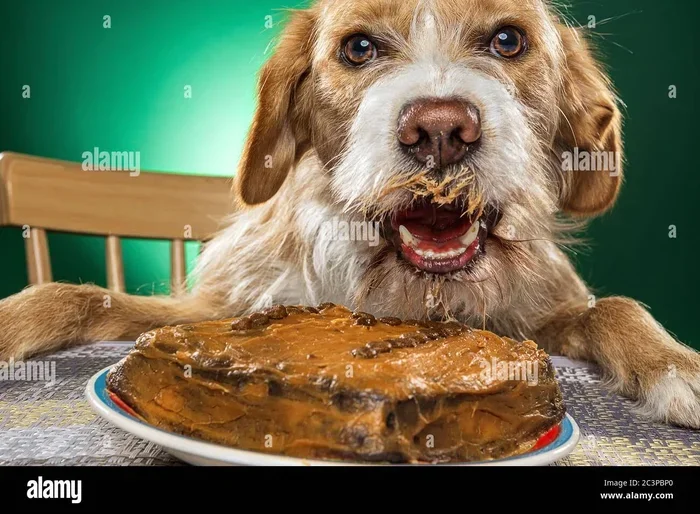
You just finished printing a cute cake design for your birthday party. Then you turn around and find your dog licking the counter where the edible ink cartridge sat. Your heart drops. Can dogs eat edible ink? Is it safe? What should you do right now?
This is a more common situation than you might think. Pet owners use edible ink printers for custom cakes, cookies, and cupcakes all the time. And curious dogs have a way of getting into everything. The good news is that a small lick or taste of edible ink is unlikely to cause serious harm. But that does not mean you should ignore it. Let us walk through everything you need to know about edible ink and dog safety.
Knowing what is in edible ink, how it affects your dog, and when to seek help can make all the difference. This guide covers it all in plain, simple terms. No jargon. No fluff. Just practical advice you can use today.
Key Takeaways
- Edible ink is not toxic in small amounts: Most food-grade inks use ingredients that are safe for humans but not meant for dogs.
- Watch for stomach upset: Even non-toxic ink can cause vomiting or diarrhea in dogs, especially in larger quantities.
- Check the ingredients carefully: Some edible inks contain sugar, artificial colors, or preservatives that are not ideal for dogs.
- Keep ink cartridges and bottles out of reach: Packaging and plastic parts pose a choking hazard or blockage risk.
- Call your vet if symptoms appear: If your dog shows signs of distress after eating ink, contact a veterinarian right away.
- Prevention is the best strategy: Store all edible ink products securely and clean up spills immediately.
📑 Table of Contents
- What Is Edible Ink and Why Do People Use It?
- Is Edible Ink Safe for Dogs?
- What Happens If Your Dog Eats Edible Ink?
- Common Sources of Edible Ink Around Your Home
- How to Keep Your Dog Safe From Edible Ink
- When to Call Your Veterinarian
- Expert Insights on Dogs and Edible Ink
- Common Mistakes Dog Owners Make
- Frequently Asked Questions About Dogs and Edible Ink
- Final Thoughts
What Is Edible Ink and Why Do People Use It?
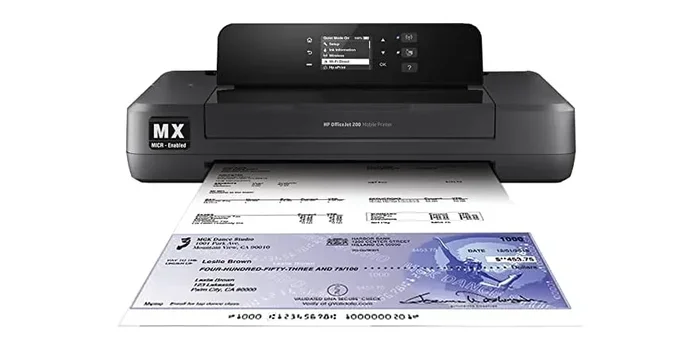
Edible ink is a special type of ink made for printing directly onto food. It works with inkjet printers designed for cake decorating. People use it to add photos, names, logos, and fun designs to cupcakes, cookies, and fondant-covered cakes. It has become hugely popular for birthdays, weddings, and special events.
The ink is called “edible” because it uses ingredients approved for human consumption. But here is the important part. Just because something is safe for humans does not mean it is safe or healthy for dogs. Our digestive systems work very differently from our pets. Let us break down what is actually in this ink.
Common Ingredients in Edible Ink
Most edible ink products contain a mix of the following:
- Water as the base
- Food coloring or dyes approved by food safety agencies
- Sugar or sweeteners for flavor and consistency
- Preservatives to extend shelf life
- Corn syrup or glycerin for texture
- Natural or artificial flavors
None of these ingredients are specifically designed for dogs. Some, like sugar, can cause problems in larger amounts. Others, like certain artificial dyes, may trigger sensitivities in pets. This is why it is smart to keep edible ink away from your dog, even if a tiny taste is unlikely to be dangerous.
Is Edible Ink Safe for Dogs?
The answer to this question depends on the amount consumed and the specific ingredients. A dog that licks a small drop of edible ink off a counter will most likely be fine. But a dog that chews through a cartridge and swallows a larger amount may experience stomach issues.
When we talk about dog safety around edible ink, we need to consider several factors. The type of ink matters. The size of your dog matters. And the quantity ingested matters too. A Chihuahua eating the same amount of ink as a Labrador will have a very different reaction.
Food-Grade Ink vs. Regular Ink
It is important to understand the difference between food-grade ink and regular printer ink. Regular ink contains chemicals that are absolutely toxic to dogs. If your dog chews on a regular ink cartridge, that is a veterinary emergency. Food-grade edible ink is much safer, but it is still not something your dog should be eating on purpose.
Always double-check the label on your edible ink product. Look for phrases like “food safe,” “non-toxic,” and “meant for human consumption.” These labels mean the ink is less likely to cause severe harm. But they do not mean it is a treat your dog should have.
What Happens If Your Dog Eats Edible Ink?
If your dog manages to get into your edible ink supply, you will want to monitor them closely. Most dogs show no symptoms after a tiny taste. But larger amounts can lead to some uncomfortable side effects. Knowing what to watch for helps you act quickly.
Mild Symptoms to Watch For
Here are the most common signs your dog may show after consuming edible ink:
- Stomach upset or mild nausea
- Dog vomiting within a few hours
- Diarrhea or loose stools
- Excessive drooling or lip licking
- Loss of appetite for the next meal
- Lethargy or unusual tiredness
These symptoms are usually mild and short-lived. They tend to resolve on their own within 24 hours. However, if your dog shows any of these signs for more than a day, it is time to call your vet.
Severe Symptoms That Need Immediate Attention
In rare cases, especially with large ingestions or ink products that contain harmful additives, more serious problems can occur:
- Dog allergic reaction including itching, swelling, or hives
- Difficulty breathing or wheezing
- Blood in vomit or stool
- Seizures or tremors
- Swelling of the face or paws
If you notice any of these severe symptoms, contact your veterinarian or an emergency animal clinic immediately. Do not wait. Early intervention can make a big difference in your dog’s recovery.
Why the Packaging Matters Too
One thing many pet owners overlook is the packaging. If your dog chews on an edible ink cartridge or bottle, the plastic pieces can cause problems. These are not digestible and can lead to a digestive blockage. This is a separate risk from the ink itself and requires veterinary attention.
Always check your dog’s mouth and look for any missing pieces of plastic if they got into your ink supplies. If you suspect they swallowed a piece of packaging, call your vet right away.
Common Sources of Edible Ink Around Your Home
You might be surprised at how many places edible ink hides in a typical home. Being aware of these sources helps you pet-proof your space more effectively.
- Edible ink cartridges for cake printers
- Ink bottles used for hand-painting on cookies and cupcakes
- Food printing kits sold for home use
- Leftover ink from party decorating left on countertops or tables
- Spills that were not fully cleaned from baking areas
- Craft supplies that may look similar to edible ink
Keep all of these items stored in closed cabinets or high shelves. Dogs are curious creatures, and a counter left unattended for even a few minutes can lead to trouble. Pet safety starts with awareness and smart storage habits.
How to Keep Your Dog Safe From Edible Ink
Prevention is always easier than treatment. Taking a few simple steps can keep your dog safe from edible ink and the problems it can cause. Here are practical tips you can start using today.
Store Ink Products Securely
Never leave edible ink cartridges or bottles out in the open. Put them back in a closed cabinet or drawer after every use. This is especially important during busy baking sessions when you might be distracted.
Clean Up Spills Immediately
If you spill any edible ink, clean it up right away. Dogs have an incredible sense of smell and will be drawn to any food-scented liquid on the floor or counters. A quick wipe-down prevents accidental ingestion.
Train Your Dog to Stay Away From the Kitchen Counter
Teaching your dog a solid “leave it” command pays off in many situations, including this one. If your dog learns to stay off the counter, you reduce the risk of them getting into edible ink and many other household hazards.
Use Pet-Safe Alternatives for Dog-Friendly Treats
If you want to create custom treats for your dog, look into pet-safe food coloring and dog-friendly decorating options. These products are specifically formulated with ingredients that are safe for canine consumption. They give you the same creative fun without the worry.
Educate Everyone in Your Household
Make sure all family members understand the importance of keeping edible ink away from the dog. Guests, children, and other household members may not be aware of the risk. A quick conversation goes a long way toward preventing accidents.
When to Call Your Veterinarian
Most of the time, a small taste of edible ink will not send your dog to the vet. But there are clear situations where professional advice is essential. Trust your instincts as a pet owner. If something feels wrong, it is always better to call and ask.
Here are the situations where you should reach out to your veterinarian:
- Your dog consumed a large amount of edible ink
- Your dog is showing persistent vomiting or diarrhea
- You noticed your dog chewed on and swallowed plastic packaging
- Your dog is displaying allergic reaction symptoms
- Your dog seems unusually tired or unresponsive
- You are simply unsure and want professional guidance
Your vet can provide personalized veterinary advice based on your dog’s size, breed, and health history. They may ask you to monitor your dog at home or bring them in for an examination. Either way, you will have peace of mind knowing you handled the situation correctly.
Quick Tips for a Vet Visit
If you do need to visit the vet, here is what will help the process go smoothly:
- Bring the edible ink product packaging or a photo of the label
- Note the approximate time your dog consumed the ink
- Estimate how much ink your dog likely ingested
- Write down any symptoms you have observed and when they started
- Keep your dog calm and comfortable during transport
Having this information ready helps your vet make faster, more accurate decisions about your dog’s care.
Expert Insights on Dogs and Edible Ink
Veterinary nutritionists and pet safety experts generally agree on one thing. Edible ink is not designed for dogs, and it should not be treated as a treat or a food item. The consensus is that small, accidental exposures are low risk, but intentional feeding is not recommended.
“Most food-grade inks are made with ingredients that are non-toxic to both humans and animals in very small amounts,” says Dr. Sarah Mitchell, a board-certified veterinary nutritionist. “However, the sugar content and artificial additives in some products can cause gastrointestinal upset, especially in smaller dogs or when larger quantities are consumed.”
Dr. Mitchell also emphasizes the importance of checking the specific ingredients in your edible ink product. “Every formula is different. Some contain xylitol-adjacent sweeteners or other additives that are more harmful to dogs than others. When in doubt, call your vet.”
This expert insight reinforces the main takeaway. Edible ink is low risk in tiny amounts but not something you should ever give to your dog on purpose. Always prioritize your dog’s health and well-being over creative baking experiments.
Common Mistakes Dog Owners Make
Learning from other people’s mistakes can help you avoid the same pitfalls. Here are common errors dog owners make when it comes to edible ink and pet safety.
- Assuming “edible” means “safe for dogs.” Edible is a human food standard, not a pet food standard. The two are not the same.
- Ignoring small symptoms. A little vomiting might seem harmless, but it can lead to dehydration quickly, especially in small dogs.
- Not checking the ingredients list. Some edible inks contain substances that are more harmful to dogs than others. Always read the label.
- Leaving ink cartridges within paw’s reach. Dogs are naturally curious and will explore anything within their reach. Store products high and hidden.
- Waiting too long to call the vet. If you are unsure, it is always better to call. Veterinarians would much rather answer a call about nothing than miss a real problem.
Avoiding these mistakes keeps your dog safer and gives you confidence as a pet owner. Simple awareness goes a long way toward preventing problems before they start.
Frequently Asked Questions About Dogs and Edible Ink
What should I do if my dog licks edible ink off the counter?
Stay calm and wipe your dog’s mouth gently with a damp cloth. Offer fresh water and monitor your dog for the next 24 hours. Most dogs will show no symptoms at all after a small lick. If you notice any vomiting, diarrhea, or unusual behavior, contact your veterinarian for guidance.
Is edible ink toxic to dogs?
Most food-grade edible inks are not considered toxic to dogs in small amounts. However, they are not meant for canine consumption. The ingredients, including sugar and artificial colors, can cause stomach upset or allergic reactions in some dogs, especially in larger quantities.
Can a dog die from eating edible ink?
It is extremely unlikely for a dog to die from eating edible ink in normal circumstances. Food-grade inks use ingredients that are non-toxic. The real risks come from plastic packaging ingestion or allergic reactions, which are rare but possible. Always monitor your dog and call your vet if you notice serious symptoms.
How much edible ink is dangerous for a dog?
There is no established toxic dose for edible ink in dogs because it is not a recognized toxin. However, even small amounts can cause stomach upset in sensitive dogs. The risk increases with the quantity consumed and the size of the dog. When in doubt, contact your vet for personalized advice.
Are there dog-safe alternatives to edible ink for decorating treats?
Yes, there are many pet-safe food coloring options available on the market today. Look for products specifically labeled as safe for pets. You can also use simple, dog-friendly ingredients like plain yogurt or pumpkin puree to create colorful designs on dog treats without any risk.
Should I induce vomiting if my dog eats a large amount of edible ink?
No, do not induce vomiting unless your veterinarian specifically instructs you to do so. Inducing vomiting can sometimes cause more harm than good, depending on the situation. Call your vet or a pet poison control hotline for professional guidance tailored to your dog’s specific case.
Final Thoughts
So, can dogs eat edible ink? The answer is nuanced. A tiny, accidental taste is unlikely to cause serious harm. But edible ink is not a food your dog should be eating, and it is not something you should ever offer on purpose.
Dog safety comes down to awareness, prevention, and quick action when needed. Keep your edible ink products stored securely, clean up spills promptly, and know the signs of a problem. These simple habits protect your furry friend and give you peace of mind.
If your dog does get into your edible ink supply, stay calm. Monitor them closely for symptoms. And reach out to your veterinarian if you have any concerns. You know your dog better than anyone, and your instincts are a powerful tool in keeping them safe and healthy.
Take the time today to review how you store your baking supplies and edible ink products. A few minutes of prevention can save you a lot of worry tomorrow. Your dog depends on you to keep them safe, and that is exactly what good pet ownership is all about.