Can I Use Cellular Data In Alaska Everything You Need
Yes, you can use cellular data in Alaska, but coverage varies dramatically depending on where you are, which provider you choose, and what kind of terrain you are exploring. Most major carriers offer coverage in cities like Anchorage and Fairbanks, but remote areas, national parks, and rural villages often have limited or no signal. This guide walks you through everything you need to know about staying connected while traveling or living in Alaska.
Planning a trip to Alaska? Maybe you are moving there for work, or perhaps you are an adventurer dreaming of fishing in remote rivers and hiking through untouched wilderness. Whatever your reason, one question keeps popping up: can I use cellular data in Alaska?
The short answer is yes. But the full answer is a lot more nuanced. Cellular data in Alaska works well in cities and towns, but it can be spotty or completely unavailable in the vast wilderness that makes this state so incredible. Understanding how coverage works, which providers offer the best Alaska cell service, and what alternatives exist can save you from a very frustrating trip.
In this guide, we will walk you through everything you need to know about mobile data Alaska coverage, the best carriers, practical tips for staying connected, and backup options for when the signal drops. Whether you are driving the Alaska Highway, cruising Inside Passage, or backpacking Denali National Park, this article has you covered.
Key Takeaways
- Coverage is city-focused: Major carriers provide reliable cellular data in Alaska primarily in urban areas like Anchorage, Fairbanks, Juneau, and Sitka.
- Remote areas are challenging: Wilderness regions, national parks, and rural villages often lack cellular coverage, requiring alternative solutions like satellite internet or offline maps.
- Provider choice matters: Verizon and AT&T tend to have broader coverage in Alaska compared to T-Mobile and MVNOs, especially in rural and northern regions.
- Preparation is key: Download offline maps, carry portable hotspots, and consider satellite communicators for backcountry trips.
- Data roaming and plans: Check with your carrier about roaming agreements and consider Alaska-specific data plans or travel passes.
- Alternative connectivity exists: Satellite phones, Starlink, and Wi-Fi hotspots can fill gaps where cellular data in Alaska is unavailable.
📑 Table of Contents
- Understanding Cellular Coverage in Alaska
- Major Carriers and Their Alaska Coverage
- Staying Connected: Practical Tips for Using Cellular Data in Alaska
- Alternative Connectivity Options When Cellular Data Fails
- Common Mistakes People Make with Cellular Data in Alaska
- Expert Tips from Alaskans
- Conclusion
Understanding Cellular Coverage in Alaska
Alaska is the largest state in the U.S. by a huge margin. It covers over 663,000 square miles of mountains, tundra, glaciers, and forests. With a population of around 730,000 people, most of whom live in a handful of cities, it should not surprise anyone that cellular coverage Alaska is not uniform. You will find strong signals in urban centers and along major highways, but once you leave those areas, things change fast.
The geography plays a massive role in signal strength. Tall mountains, deep valleys, dense forests, and long distances between towers all affect how well your phone connects. Let us break down what you can realistically expect.
Urban vs. Rural Coverage
In cities like Anchorage, Fairbanks, Juneau, and Sitka, cellular data in Alaska works just about as well as it does anywhere else in the lower 48. You can stream videos, make video calls, and browse the web without issues. These urban areas have multiple cell towers from different carriers, giving you solid redundancy and fast speeds.
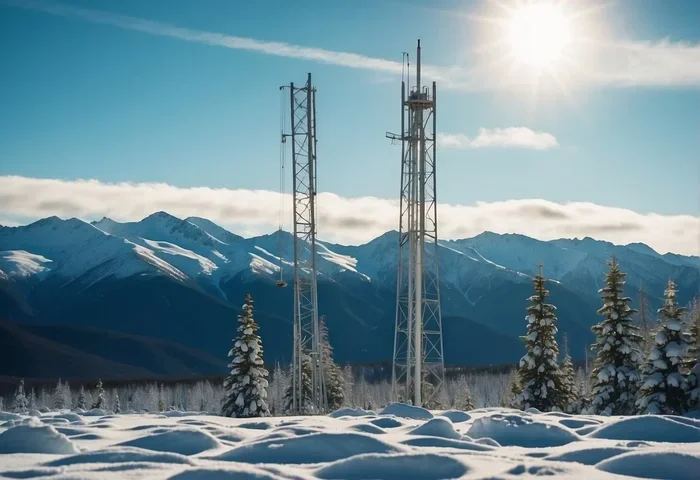
But step outside the city limits and things shift. Small towns along the Parks Highway or the Dalton Highway might have one or two towers nearby. Once you are more than 20 or 30 miles from any town, your phone will likely show no signal at all. This is simply because building and maintaining cell towers in remote areas is incredibly expensive and logistically difficult.
Seasonal Factors That Affect Signal
Here is something many people do not think about. Alaska cell service can vary by season too. During winter, extreme cold can affect tower equipment and battery performance on your devices. Ice storms and heavy snowfall can physically damage towers or block signals. In summer, the increased tourist traffic and construction activity can sometimes cause temporary outages in popular areas.
Also, the midnight sun and polar night patterns affect solar-powered cell towers in very remote areas. Less sunlight in winter means less power for these towers, which can reduce their uptime or range.
Major Carriers and Their Alaska Coverage
Not all carriers are created equal when it comes to mobile data Alaska coverage. Your choice of provider can make or break your ability to stay connected while exploring the Last Frontier. Let us look at how the major players stack up.
Verizon
Verizon generally has the strongest cellular coverage Alaska among the major national carriers. Their network reaches more remote areas than the competition, especially along the Parks Highway, the Seward Highway, and parts of the Dalton Highway. If you are planning a road trip through interior Alaska or heading toward the Arctic, Verizon is often the safest bet for reliable cell phone signal Alaska.
Verizon also tends to have better coverage in national parks like Denali and Gates of the Arctic. Their 4G LTE network reaches further into rural areas, and their 5G coverage is growing in Anchorage and Fairbanks.
AT&T
AT&T is a solid second choice for cellular data in Alaska. They have good coverage in Anchorage, Fairbanks, and Juneau, and their network extends reasonably well along major highways. AT&T has been investing in expanding their Alaska coverage, but they still lag behind Verizon in very remote areas.
If you are mostly sticking to cities and well-traveled roads, AT&T will serve you well. For backcountry adventures, you may experience more dead zones compared to Verizon.
T-Mobile
T-Mobile has improved its Alaska coverage significantly in recent years, but it still has the most limited reach among the big three. In cities, T-Mobile works great. In rural areas and remote regions, you may find gaps in Alaska cell service more frequently.
T-Mobile does partner with regional carriers in Alaska, which helps extend coverage in some areas. However, if you plan to venture far from civilization, T-Mobile might not provide the reliability you need.
Regional and Rural Carriers
Alaska has several regional carriers that serve specific areas. GCI (General Communication Inc.) is a major player in rural Alaska and provides both cellular and internet services to many villages. Arctic Slope Regional Corporation and other Alaska Native regional corporations also operate telecommunications networks in their regions.
These regional carriers can be excellent options if you are staying in a specific rural area for an extended period. However, they usually do not offer nationwide roaming, so they are not ideal for travelers passing through.
MVNOs and Prepaid Options
Mobile Virtual Network Operators like Mint Mobile, Visible, and Cricket run on the networks of the major carriers. If you choose an MVNO that operates on Verizon’s network, you will generally get the same Alaska cell service as Verizon postpaid customers. However, during congestion, MVNO users may experience slower speeds.
For budget-conscious travelers, MVNOs can be a great option if you pick one that rides on the right network. Just make sure you understand which network your MVNO uses before you head to Alaska.
Staying Connected: Practical Tips for Using Cellular Data in Alaska
Now that you understand the coverage landscape, let us talk about how to actually use cellular data in Alaska effectively. Whether you are a tourist or a resident, these practical tips will help you stay connected without going crazy.
Download Offline Maps Before You Go
This is the single most important tip for anyone visiting Alaska. Google Maps, Apple Maps, and apps like Gaia GPS all offer offline map downloads. Before you leave civilization, download maps for the entire region you plan to explore. That way, even if you have no cell phone signal Alaska at all, you can still navigate.
Offline maps use GPS, which does not require cellular data to function. Your phone can still pinpoint your location using satellites, so you will not get truly lost even in the most remote areas.
Use a Portable Hotspot
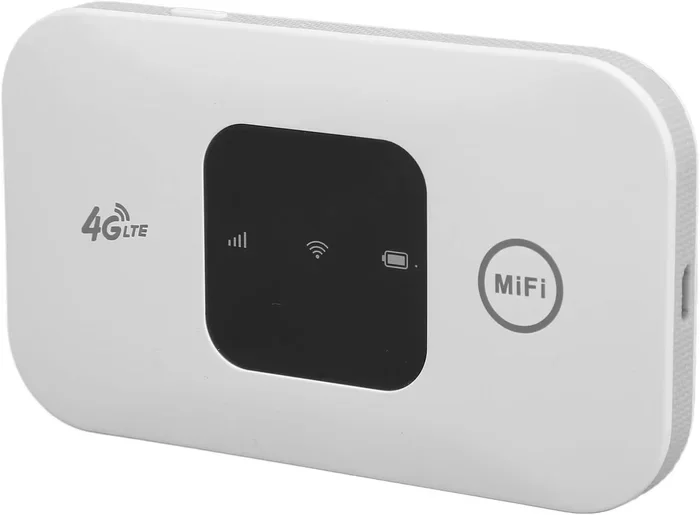
If you need reliable internet for work or navigation, consider carrying a portable cellular hotspot device. These devices use mobile data Alaska networks and create a Wi-Fi bubble around you. They often have better antennas than phones, which means they can pick up weaker signals in areas where your phone shows no bars.
Some popular options include the Verizon Jetpack and the AT&T Nighthawk. Check with your carrier about adding a hotspot data plan before your trip. These devices are especially useful for road trips where you move between areas of coverage and no coverage.
Monitor Your Data Usage
When you do have signal, you want to make it count. Streaming video and music can eat through your data plan quickly, especially in areas where you only get sporadic connectivity. Use data-saving modes on your phone and download content over Wi-Fi before you leave populated areas.
Consider switching to lower-quality streaming settings or downloading content for offline use. This way, you conserve your data for when you really need it, like navigation or emergency communication.
Keep Your Phone Charged
Cold weather drains phone batteries fast. In Alaska, temperatures can drop well below zero, and your phone can lose charge in just a couple of hours. Carry a high-quality portable battery pack and keep your phone warm, ideally in an inside pocket close to your body.
Some people also carry hand warmers and wrap their phone in a small insulated pouch. Keeping your phone warm not only preserves battery life but also helps it maintain a stronger signal in cold conditions.
Know When to Turn Off Data
Here is a counterintuitive tip. When you are in an area with very weak or no signal, your phone will constantly search for a network. This drains your battery incredibly fast. If you know you are heading into a dead zone, turn off cellular data and switch to airplane mode. You can always turn it back on when you reach an area with coverage.
This simple habit can save you from a dead phone at the worst possible moment. Many experienced Alaska travelers keep their phones in airplane mode by default and only turn on data when they stop in a town or reach a known coverage area.
Alternative Connectivity Options When Cellular Data Fails
Even with the best planning, there will be times when cellular data in Alaska simply is not available. When that happens, you need alternatives. Here are the best options for staying connected in Alaska’s most remote areas.
Satellite Phones and Communicators
Satellite phones and devices like Garmin inReach and SPOT provide communication anywhere on Earth, regardless of cell tower availability. These devices use satellites orbiting the Earth to send and receive messages, make calls, and even share your GPS location with emergency services.
If you are planning a serious backcountry trip in Alaska, a satellite communicator is not a luxury. It is a safety essential. Many experienced wilderness travelers carry both a satellite device and a fully charged phone as a backup. The satellite device handles emergencies, while the phone handles everything else when signal is available.
Starlink and Satellite Internet
For those living in or staying long-term in remote Alaska, Starlink satellite internet has been a game-changer. It provides broadband-speed internet virtually anywhere with a clear view of the sky. While it requires a clear view of the northern sky and some setup, Starlink is increasingly popular among Alaska residents who lack traditional internet infrastructure.
Starlink does require a subscription and the equipment can be pricey. But for people living in villages or homesteads without reliable Alaska internet access through traditional means, it is a lifeline.
Wi-Fi Hotspots and Public Internet
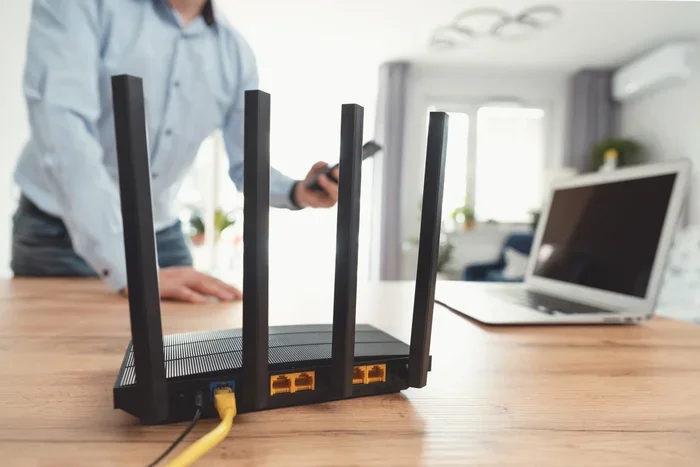
Many Alaska communities have public Wi-Fi hotspots in libraries, community centers, cafes, and visitor centers. If you are traveling through a town, stop in and grab some internet before heading back into the wilderness. Some hotels and lodges also offer free Wi-Fi for guests.
Keep in mind that public Wi-Fi in rural Alaska may be slow and unreliable. Bandwidth is often limited, and connections can drop frequently. Use public Wi-Fi for essential tasks like checking email or downloading maps, not for streaming movies.
UHF Radios and Two-Way Radios
For group trips and expedition-style adventures, two-way radios are a reliable backup communication tool. They do not require any infrastructure, just batteries and a clear line of sight. In open tundra or along coastlines, UHF radios can reach several miles.
These radios are not great for internet access, but they are excellent for coordinating with your group and calling for help in an emergency. Many Alaska guides and hunters carry them as a standard piece of equipment.
Common Mistakes People Make with Cellular Data in Alaska
Learning from other people’s mistakes can save you a lot of frustration. Here are common errors travelers make when relying on cellular data Alaska and how to avoid them.
Assuming Coverage Maps Are Accurate
Carrier coverage maps are a starting point, but they are often overly optimistic for Alaska. A map might show coverage in an area where the signal is too weak for a reliable data connection. Always treat coverage maps as a general guide and plan for gaps.
Relying Solely on Your Phone for Navigation
Your phone is a great navigation tool when it works, but it is not foolproof in Alaska. Batteries die, screens crack, and signals disappear. Always carry a physical map and a compass as backup. Many experienced Alaska travelers keep paper maps of every area they plan to visit.
Not Researching Coverage for Your Specific Route
Generic coverage information is not enough. Before your trip, research the specific route you will take and identify known coverage gaps. Online forums, Alaska travel communities, and park ranger stations are great resources for real-world Alaska cell service information.
Overlooking Data Roaming Charges
If you are visiting Alaska from outside the United States, check your roaming charges carefully. Some carriers include Alaska in their domestic plans, while others treat it as international roaming. Unexpected roaming fees can add up fast if you are not careful.
Forgetting to Test Your Setup Before You Leave
Do not wait until you are in the middle of nowhere to figure out your connectivity setup. Test your hotspot, download your offline maps, and verify your backup communication devices before you leave home. A little preparation goes a long way toward staying connected and safe in Alaska.
Expert Tips from Alaskans
We asked some long-time Alaska residents and frequent backcountry travelers for their best advice on staying connected. Here is what they had to say.
Layer your connectivity. Do not rely on just one method. Carry a phone with a data plan, a satellite communicator, offline maps, and a paper backup. The more layers you have, the more connected and safe you will be.
Talk to locals. Alaskans know their local coverage better than any coverage map. Stop at gas stations, visitor centers, and lodges and ask what works in the area. This real-world intelligence is often more reliable than anything you find online.
Plan for the worst. Alaska is beautiful but unforgiving. Always assume you will not have cellular data for extended periods and plan accordingly. Carry extra batteries, physical maps, and emergency supplies beyond what you think you will need.
Conclusion
So, can you use cellular data in Alaska? Absolutely. But it requires understanding, planning, and the right expectations. In cities and along major highways, you will enjoy strong and reliable connectivity. In the vast wilderness that makes Alaska so special, you need to prepare for limited or no signal at all.
Choose your carrier wisely, download offline maps, carry backup communication devices, and always have a plan for when the signal drops. Alaska cell service has improved dramatically over the years, but the state’s sheer size and rugged terrain mean that connectivity will always be a challenge in remote areas.
The reward for your preparation is worth it. Alaska offers some of the most breathtaking landscapes and wilderness experiences on the planet. With the right connectivity strategy, you can explore confidently, stay safe, and still share those incredible moments with the people back home. Embrace the adventure, plan smart, and enjoy everything Alaska has to offer.
Frequently Asked Questions
Is cellular data available throughout Alaska?
Cellular data in Alaska is available primarily in urban areas like Anchorage, Fairbanks, Juneau, and Sitka, as well as along major highways. However, remote wilderness areas, national parks, and rural villages often have limited or no coverage. You should always plan for connectivity gaps when exploring outside city limits.
Which carrier has the best coverage in Alaska?
Verizon generally has the strongest cellular coverage in Alaska, especially in rural and remote areas. AT&T is a solid second choice, while T-Mobile has the most limited reach outside urban centers. Your best option depends on where you plan to travel and how far off the beaten path you intend to go.
Can I use my phone as a hotspot in Alaska?
Yes, you can use your phone as a hotspot in Alaska, but only when you have a cellular signal. A dedicated portable hotspot device often performs better than a phone hotspot because it has a stronger antenna and can pick up weaker signals. Check with your carrier about adding a hotspot data plan before your trip.
Do I need a satellite phone for Alaska?
A satellite phone is not required for most Alaska trips, but it is highly recommended for serious backcountry expeditions and wilderness adventures. Devices like Garmin inReach and SPOT provide emergency communication and GPS tracking anywhere, even where cellular data in Alaska is completely unavailable.
How can I find cell service in remote Alaska?
Finding cell service in remote Alaska requires research and preparation. Study coverage maps, talk to locals and park rangers, and identify known signal areas along your route. Carrying a portable hotspot with a better antenna can also help you pick up weaker signals that your phone might miss.
Are there free Wi-Fi options in rural Alaska?
Free Wi-Fi options in rural Alaska are limited but do exist in some communities. Libraries, community centers, cafes, and some visitor centers offer public Wi-Fi. However, speeds are often slow and connections unreliable. Do not count on public Wi-Fi as your primary internet source while traveling in remote areas.