Are USB Phone Chargers 5v Or Is That The Standard Voltage
Yes, standard USB phone chargers output 5 volts, and this has been the default USB voltage for decades. But modern fast charging protocols can push well beyond 5V, reaching 9V, 12V, or even 20V depending on your device and charger. Understanding USB phone chargers 5V basics helps you pick the right charger and avoid damaging your phone.
You plug your phone into the wall every night. You grab a charger, jam the cable in, and wait for that battery to fill up. But have you ever stopped to wonder about the voltage running through that cable? The truth is, most USB phone chargers 5V setups are simpler than you think. Yet there is a lot more going on behind the scenes than most people realize.
The standard USB voltage has been 5 volts for a very long time. But technology has moved fast. Today, your phone might charge at 5V, 9V, 12V, or even 20V depending on the charger and protocol involved. This guide breaks it all down in plain language. You will learn exactly what voltage your USB charger uses, why it matters, and how to choose the right one for your device.
Whether you are using a basic wall charger or a fast charging block, understanding voltage helps you get the most out of every charge. Let us dive in.
Key Takeaways
- Standard USB voltage is 5V: This has been the default since USB was introduced.
- Fast charging goes beyond 5V: Protocols like Qualcomm Quick Charge and USB PD can deliver 9V, 12V, or 20V.
- Your device negotiates voltage: Smartphones and chargers communicate to set the right power level.
- Using the wrong charger can be risky: Cheap knockoffs may not follow proper voltage standards.
- USB-C changed the game: USB-C supports higher voltages and faster charging than older USB-A ports.
- Check your phone’s specs: Always verify what voltage your device supports before buying a charger.
📑 Table of Contents
- What Is the Standard USB Voltage?
- Are All USB Phone Chargers 5V?
- Fast Charging and How It Changes the Voltage
- USB-A vs USB-C: Does the Port Affect Voltage?
- What Happens If You Use the Wrong Voltage?
- How to Choose the Right USB Charger for Your Phone
- Common Myths About USB Charger Voltage
- The Future of USB Charging Voltage
- Final Thoughts
What Is the Standard USB Voltage?
The Universal Serial Bus, or USB, was designed to simplify how we connect devices. One of the core rules from the start was a standard voltage of 5V. This has not changed since the original USB 1.0 spec came out in 1996. Every USB port you have ever used outputs 5 volts by default.
Here is why 5V became the standard. Early USB devices needed very little power. A keyboard or a mouse drew tiny amounts of current. The USB spec set 5V as a safe, universal level that any device could handle. It also kept things simple for manufacturers. You did not need to guess what voltage a port would provide.
How Much Power Does 5V Deliver?
Voltage alone does not tell the full story. Power is measured in watts, and watts equal voltage multiplied by current. The standard USB 2.0 port delivers 5V at up to 0.5 amps. That gives you 2.5 watts of power. USB 3.0 bumped the current to 0.9 amps, giving you 4.5 watts.
For a basic phone charge, this was fine for years. But modern smartphones have big batteries and power-hungry screens. 2.5 watts just is not enough anymore. That is where fast charging comes into the picture.
The Role of Current (Amps) in USB Charging
Current, measured in amps, determines how fast energy flows. Think of it like water through a pipe. More amps means more power reaches your phone. A standard USB port gives you 0.5 to 0.9 amps. But a good wall charger can push 2 amps, 3 amps, or even more.
When you combine 5V with higher amperage, you get more wattage. A 5V charger at 3 amps delivers 15 watts. That is enough to charge most phones in a couple of hours. But manufacturers wanted even faster speeds. So they developed new protocols that increase the voltage beyond 5V.
Are All USB Phone Chargers 5V?
The short answer is no. While 5V is the baseline, many USB phone chargers can output higher voltages. This is done through a process called voltage negotiation. Your phone and charger talk to each other and agree on the best voltage level.
How Voltage Negotiation Works
When you plug in a charger, your phone sends a signal asking for power. The charger responds with its capabilities. If both devices support a higher voltage protocol, they agree to step up from 5V. This happens in milliseconds. You do not see it or feel it. It just makes your phone charge faster.
If your charger does not support higher voltages, it simply stays at 5V. Your phone will still charge, just more slowly. This is why using the right charger matters. A cheap, basic charger might only offer 5V at 1 amp. That gives you a very slow charge.
Common Voltage Levels Beyond 5V
Different charging protocols use different voltage levels. Here are the most common ones you will encounter:
- 5V: The standard USB voltage. Used by all USB devices.
- 9V: Common in Qualcomm Quick Charge 2.0 and 3.0.
- 12V: Used by some proprietary fast charging systems.
- 20V: The standard for USB Power Delivery at higher wattages.
Each level serves a purpose. 5V is safe and universal. Higher voltages deliver more power but require compatible devices and cables. This is why charger compatibility is so important.
Fast Charging and How It Changes the Voltage
Fast charging has become a major selling point for smartphones. Brands like Qualcomm, Samsung, and Apple all have their own approaches. But they all follow the same basic principle: increase voltage or current to deliver more power.
Qualcomm Quick Charge
Qualcomm Quick Charge is one of the most widely used fast charging standards. Quick Charge 3.0 can step voltage up from 5V to 20V in small increments. This allows for efficient charging without generating too much heat. Many Android phones support Quick Charge, including models from Samsung, LG, and Motorola.
Quick Charge chargers start at 5V and then negotiate upward. Your phone controls the process. It will only accept a higher voltage if it can handle it safely.
USB Power Delivery (USB PD)
USB Power Delivery is a universal standard backed by the USB Implementers Forum. USB PD can deliver up to 20V at 5 amps, giving you 100 watts of power. This is enough to charge laptops, tablets, and phones alike.
USB PD is the backbone of modern USB-C charging. If you have a USB-C charger and a compatible phone, you are likely using USB PD. It is smart, flexible, and safe. The charger and device communicate constantly to adjust voltage and current on the fly.
Proprietary Fast Charging Systems
Some brands use their own fast charging tech. OnePlus has Warp Charge. Oppo has VOOC. Vivo has FlashCharge. These systems often keep the voltage at 5V but boost the current significantly. For example, VOOC can push 5V at 4 amps, giving you 20 watts without increasing voltage.
These proprietary systems require special cables and chargers. You cannot use a random charger and expect the same fast charging speeds. Always use the accessories that come with your phone or ones officially approved by the manufacturer.
USB-A vs USB-C: Does the Port Affect Voltage?
The type of port on your charger and phone matters a lot. USB-A and USB-C handle voltage differently. Understanding the difference helps you make better choices.
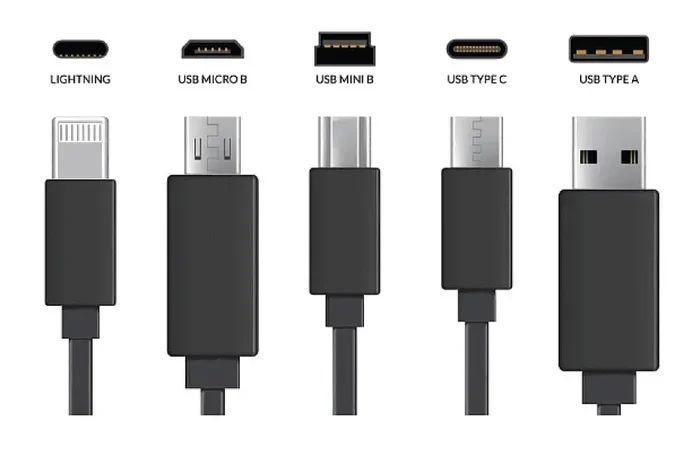
USB-A Ports and Voltage
USB-A is the old, rectangular port you have seen for years. It is still common on wall chargers and computers. USB-A ports default to 5V. They can deliver up to 5V at 0.9 amps with USB 3.0, or up to 5V at 3 amps with dedicated fast charging protocols.
USB-A chargers that support Quick Charge or other protocols can output higher voltages. But the higher voltage is negotiated through the data pins. The physical port itself still carries 5V as its base level.
USB-C Ports and Voltage
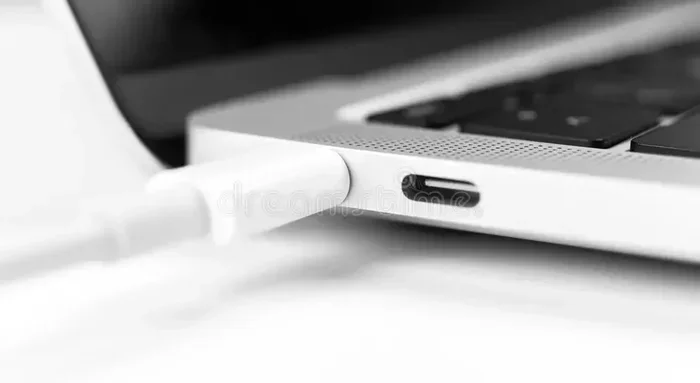
USB-C is the newer, smaller, reversible connector. It was designed with modern power needs in mind. USB-C fully supports USB Power Delivery, which means it can handle voltages from 5V all the way up to 20V or more.
USB-C also supports higher current levels. A USB-C 3.1 port can deliver up to 5 amps at 20V. That is 100 watts of power. This is why USB-C chargers have become the go-to choice for fast, efficient charging.
If you are shopping for a new charger, USB-C is the way to go. It is future-proof, versatile, and handles higher voltages with ease.
What Happens If You Use the Wrong Voltage?
Using the wrong charger is something many people do without thinking. But it can cause real problems. Understanding the risks helps you protect your phone and your battery.
Under-Voltage Issues
Under-voltage means your charger delivers less power than your phone needs. This usually happens with cheap, low-quality chargers. Your phone will still charge, but it will take much longer. In some cases, your phone might not charge at all if it detects the charger is not providing enough power.
Under-voltage also means your phone might drain battery while you use it. If you are streaming video or playing games while charging, a weak charger might not keep up with the power draw.
Over-Voltage Risks
Over-voltage is more dangerous. If a charger outputs a higher voltage than your phone can handle, it can damage the charging port, the battery, or even the motherboard. This is rare with reputable chargers because of voltage negotiation. But cheap, uncertified chargers might not follow proper protocols.
This is why you should always buy chargers from trusted brands. Look for certifications like USB-IF or MFi (for Apple devices). These certifications mean the charger has been tested for safety and voltage standards compliance.
Heat and Battery Degradation
Charging at higher voltages generates more heat. A little heat is normal. But excessive heat can degrade your battery over time. If your phone gets very hot while charging, unplug it and let it cool down. Consider using a charger that matches your phone’s recommended charging speed.
How to Choose the Right USB Charger for Your Phone
Not all chargers are created equal. Picking the right one depends on your phone, your habits, and your needs. Here is a simple guide to help you decide.
Check Your Phone’s Charging Specs
Start by looking up your phone’s charging specifications. You can usually find this in the user manual or on the manufacturer’s website. Look for the recommended voltage and current. This tells you what your phone is designed to handle.
For example, if your phone supports 9V at 2 amps, you need a charger that can output 9V. A basic 5V charger will work, but it will charge slowly.
Match the Charger to Your Protocol
If your phone supports a specific fast charging protocol, buy a charger that supports it too. Here is a quick comparison:
- Qualcomm Quick Charge: Look for QC 3.0 or QC 4.0 on the charger.
- USB Power Delivery: Look for USB PD on the charger and your phone.
- Proprietary systems: Use the brand-specific charger that came with your phone.
Matching the protocol ensures you get the fastest and safest charge possible.
Consider the Cable Too
People often forget about the cable. A cheap cable can limit your charging speed no matter how good your charger is. Look for cables that support the current and voltage your phone needs. USB-C cables with e-markers can handle higher voltages and currents.
Common Myths About USB Charger Voltage
There are a lot of misconceptions about USB charging. Let us clear up some of the most common ones.
Myth: Higher Voltage Damages Your Phone
This is not true if both devices support the protocol. Voltage negotiation ensures your phone only receives the voltage it can safely handle. The charger and phone communicate before any power flows.
Myth: All USB Ports Output 5V
While 5V is the default, many USB ports can output higher voltages through fast charging protocols. A USB-C port with USB PD support can go well beyond 5V.
Myth: Using a Higher-Watt Charger Will Overcharge Your Phone
Your phone controls the charging process. A 65-watt charger will not force 65 watts into a phone that only accepts 15 watts. The phone draws only the power it needs. The extra capacity just means the charger can deliver faster if the phone requests it.
The Future of USB Charging Voltage
USB technology keeps evolving. The latest USB4 standard supports up to 48Gbps of data and up to 240 watts of power through USB Power Delivery 3.1. This means future devices could charge at even higher voltages and wattages.
USB PD 3.1 introduced the Extended Power Range, which supports voltages up to 48V. This is a huge jump from the standard 5V. It opens the door for charging laptops, monitors, and even some small appliances through a single USB-C cable.
As USB phone chargers 5V become the baseline for older devices, newer standards will continue to push the boundaries. For now, 5V remains the foundation of all USB charging. Everything else builds on top of it.
Understanding these basics puts you ahead of most people. You will never have to wonder again about what voltage your charger uses or whether it is safe for your device.
Final Thoughts
The answer to “Are USB phone chargers 5V?” is both yes and no. The standard USB voltage is 5V, and it has been for decades. But modern fast charging has changed the game. Many chargers now support higher voltages like 9V, 12V, and 20V through protocols like Quick Charge and USB Power Delivery.
The key takeaway is simple. Use a quality charger that matches your phone’s capabilities. Check the voltage and protocol before you buy. And always look for certifications that guarantee safety and charging speed.
Your phone is a big investment. Taking a few minutes to understand USB voltage and charging standards pays off in battery health, charging speed, and peace of mind. Next time you grab a charger, you will know exactly what is happening behind that cable.
Like staying connected to the right tech? Check out these apps that help you find local services, from dog walkers to everything else you need, just like how you find the right charger for your phone.
Explore 4 Apps That Are Like Uber For Finding Dog Walkers to see how technology connects us to everyday services.
Frequently Asked Questions
Do all USB chargers output 5 volts?
Most USB chargers default to 5V, which is the standard USB voltage. However, many modern chargers can output higher voltages like 9V, 12V, or 20V when fast charging protocols are supported by both the charger and your device.
Can I use a 9V charger on a phone that only supports 5V?
Yes, you can. Modern devices use voltage negotiation to communicate with the charger. If your phone only supports 5V, it will request 5V from the charger and the charger will comply safely.
Is 5V enough to fast charge a phone?
5V alone is usually not enough for fast charging. Fast charging requires higher voltages or higher currents. A 5V charger at 3 amps can charge reasonably fast, but true fast charging typically involves stepping up to 9V or higher.
What is USB Power Delivery voltage?
USB Power Delivery supports a range of voltages from 5V up to 20V, and with USB PD 3.1, up to 48V. The exact voltage depends on what your device requests and what the charger can provide.
Does using a higher voltage charger drain my battery faster?
No. Your phone controls how much power it draws. A higher-voltage charger simply means your phone can charge faster if it supports that voltage. It does not drain your battery faster.
Are cheap USB chargers safe for my phone?
Not always. Cheap, uncertified chargers may not follow proper voltage standards or safety protocols. They can deliver inconsistent power, which may damage your phone or battery over time. Always choose certified chargers from reputable brands.