How Do I Choose A Sprinkler Controller That Fits Perfectly
Choosing the right sprinkler controller means understanding your lawn size, watering zones, and smart features like WiFi and weather-based adjustments. This guide walks you through every step so you can pick the perfect irrigation controller for your garden watering system and save water while keeping your yard green.
Keeping a lush green lawn takes work, and one of the biggest pieces of that puzzle is your sprinkler controller. This small device runs your entire lawn irrigation system, deciding when and how long your sprinklers run every single day.
But here is the thing most people get wrong. They buy a cheap sprinkler timer and hope for the best. The result is an overwatered yard, a huge water bill, or dry brown patches that nobody wants to look at. The right irrigation controller changes all of that. It takes the guesswork out of garden watering and gives you control at your fingertips.
So how do you actually choose the right one? That is exactly what this guide is all about. Whether you are setting up a brand-new smart sprinkler system or replacing an old unit, you will find everything you need right here.
We will walk you through every factor that matters, from zone control and Bluetooth connectivity to weather-based features that save you real money. By the end, you will know exactly what to look for and how to make the best choice for your yard.
Key Takeaways
- Match your controller to your lawn size: small yards need simple timers while large landscapes require multi-zone smart controllers.
- Smart features save water and money: WiFi and weather-based controllers adjust schedules automatically for better water efficiency.
- Zone control is essential: proper irrigation zone setup prevents overwatering and keeps every part of your lawn healthy.
- Compatibility matters: check that your controller works with your existing sprinkler system and smart home setup.
- Installation ease varies: some controllers are DIY-friendly while others need professional help.
- Budget ranges widely: basic timers cost under $50 while advanced smart controllers run $150-$300.
- Seasonal adjustments keep your system running year-round: look for controllers that let you change settings easily as weather shifts.
📑 Table of Contents
Understand Your Lawn Before You Buy
The first step in picking a programmable sprinkler controller is knowing your lawn. Not all yards are the same, and the controller you need depends heavily on the space you are working with. Take a close look at your property before you start shopping.
Measure Your Yard Size
Grab a tape measure or use a free app to map out your lawn. A small suburban yard with a simple rectangular shape needs a very different controller than a large property with curves, slopes, and multiple garden beds. Lawn irrigation systems for bigger properties require more zones and more programming power.
For a yard under a quarter acre, a basic sprinkler timer with 4 to 6 stations will usually do the job. Anything larger and you will want a controller that supports 8, 12, or even more zones. The number of zones you need depends on how many separate areas of your yard have different watering needs.
Identify Your Watering Zones
Not every part of your lawn gets the same amount of sun or soil type. That is why irrigation zones exist. A good garden watering system splits your yard into zones so you can water the shady back differently from the sunny front.
Here are the most common zone types you might find:
- Grass zones: large open lawn areas that need regular, even watering.
- Shrub and flower zones: planted areas that need less water but more frequent cycles.
- Drip irrigation zones: garden beds or vegetable patches that use slow, targeted watering.
- Slope zones: areas where water runs off quickly and needs shorter, repeated cycles.
Count your zones before you buy a controller. If your smart home irrigation setup has 6 zones, make sure the controller you pick supports at least that many stations.
Types of Sprinkler Controllers
Not all controllers are built the same. The market has several different types, and each one serves a different kind of user. Understanding these options helps you narrow your search fast.
Mechanical Timers
These are the oldest and simplest type of watering schedule device. You twist a dial to set when the sprinklers turn on and off. Mechanical timers are affordable, usually under $30, and require zero technology skills to use.
However, they lack flexibility. You cannot easily change a watering schedule for a week of heavy rain, and there is no way to connect them to apps or weather data. They work best for very simple setups where you just need a basic on-off timer.
Digital Programmable Controllers
A digital programmable sprinkler controller gives you much more control. You can set different start times for each day of the week, adjust run durations per zone, and create custom watering schedules that match your lawn care routine.
These controllers typically range from $40 to $100. They plug into a wall outlet and mount on a wall near your sprinkler system setup. Most homeowners find this type to be the sweet spot between simplicity and functionality.
Smart WiFi Controllers
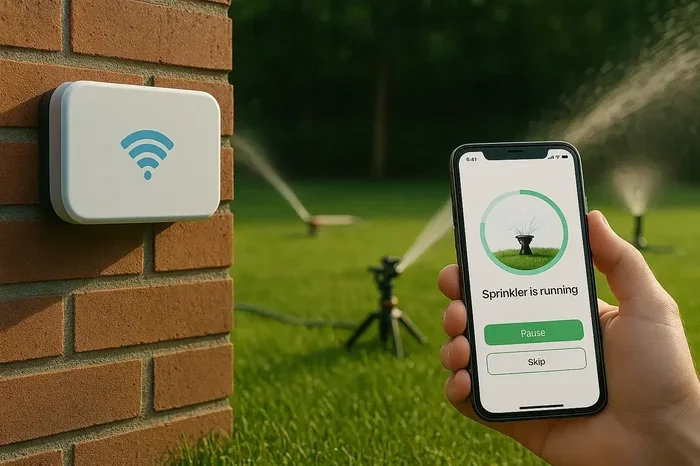
If you want the most advanced option, a WiFi sprinkler controller is the way to go. These devices connect to your home wireless network and let you manage your lawn irrigation from a smartphone app. You can adjust your watering schedule from anywhere, receive alerts, and even monitor your water usage in real time.
Smart controllers usually cost between $150 and $300. They also support weather-based controller features that skip watering when it has rained recently. This alone can save a significant amount of water over the course of a year.
Key Features to Look For
Not every controller comes with the same features. Some have everything you could ask for, while others keep things very basic. Here are the key features that really matter when choosing a sprinkler controller.
Weather-Based Adjustments
This is hands-down one of the most valuable features a modern controller can have. A weather-based controller connects to local weather data and adjusts your watering schedule automatically. If it rained yesterday, the controller skips the scheduled cycle. If a heat wave is coming, it adds extra watering time.
This feature directly supports water conservation goals. You stop watering when nature already did the job for you. Many water utilities even offer rebates for installing these types of smart controllers, so check with your local water provider.
Smartphone App Control
The ability to control your garden automation from your phone is a game changer. Imagine you are heading out of town and realize you forgot to adjust your watering schedule for the week. With app control, you can make changes from anywhere with an internet connection.
Most smart controllers also send notifications. You get alerts if a zone fails to start, if there is a leak, or if a valve stays open too long. This kind of real-time feedback helps you catch problems early before they turn into expensive repairs.
Voice Assistant Compatibility
If you already use smart speakers at home, you will love controllers that work with voice assistants. You can say something like “turn on the front lawn zone” and the system responds instantly. Some people even wonder if they can use a smart speaker for other tasks around the house, like the questions explored in articles about using smart speakers in different settings.
Voice control adds convenience, especially for people who prefer hands-free operation. Just make sure the controller you choose supports your preferred assistant, whether that is Alexa, Google Assistant, or Apple HomeKit.
Rain and Soil Moisture Sensors
Adding a rain sensor or soil moisture sensor to your lawn irrigation setup takes water savings to the next level. A rain sensor physically shuts off the system when it detects rainfall. A soil moisture sensor goes deeper, measuring the actual water content in the ground before allowing a watering cycle to start.
These sensors connect to most modern controllers and are a great investment if you live in an area with regular rainfall. They remove the need to manually adjust your system every time it rains.
Multiple Programs and Start Times
A good controller lets you run multiple programs at different times of the day. For example, you might want Program A to water the grass at 6 AM and Program B to run the drip system in your garden at 7 AM. This kind of flexibility is essential for complex garden watering system setups.
Look for controllers that support at least three independent programs. Each program should allow you to set different days and start times per zone. This level of zone control ensures every part of your lawn gets exactly the water it needs.
Compatibility and Installation
Before you pull out your credit card, make sure the controller you choose will actually work with your existing setup. Controller compatibility is one of the most overlooked factors, and it can cause real headaches if you do not check early.
Check Your Valve Wiring
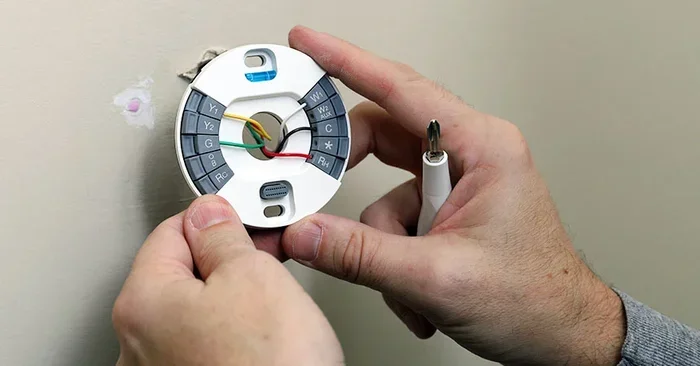
Most residential sprinkler systems use 24-volt solenoid valves. The controller sends a small electrical signal to open and close these valves. Make sure the controller you buy matches the number of valve wires in your system. If you have 6 zones, you need at least 6 station terminals on the controller.
Some controllers also support expander modules, which let you add more stations later without replacing the whole unit. This is a great option if you plan to expand your sprinkler system setup over time.
Consider DIY vs Professional Installation
Basic digital controllers are very DIY-friendly. You can usually install one in under an hour with a screwdriver and a ladder. Smart WiFi controllers are also manageable for most homeowners, though the initial WiFi setup and app configuration take a bit more time.
More advanced systems, especially those that integrate with home automation hubs, may benefit from professional installation. If you are not comfortable wiring a new controller, hiring a pro ensures everything is connected correctly and safely.
Some people also wonder about connecting other devices to their setup. For example, you might ask yourself, can I connect a USB C to my iPad if you want to use a tablet as a dedicated irrigation control screen. While most controllers work through their own dedicated apps, having a secondary device can be helpful for monitoring your system.
Power Source Options
Controllers need power to run. Most plug into a standard wall outlet near your sprinkler system setup. Some battery-powered models exist, which are great if you do not have an outlet near your controller location. Keep in mind that battery models need regular battery changes or recharging to keep running reliably.
If you are looking for a backup power option, you might explore whether you can use a portable power source for other devices around your home. The concepts are similar to questions like powering devices with portable banks — the same idea applies to keeping your irrigation system running during outages.
Budget and Value Considerations
Price is always a factor, and sprinkler controllers range dramatically in cost. Understanding what you get at each price point helps you make a smart investment without overspending.
| Controller Type | Price Range | Best For | Key Features |
|---|---|---|---|
| Mechanical Timer | $15 – $35 | Small simple yards | Basic on-off timing, no app, very durable |
| Digital Programmable | $40 – $100 | Most residential lawns | Multiple programs, weekly scheduling, easy setup |
| Smart WiFi Controller | $150 – $300 | Tech-savvy homeowners | App control, weather adjustments, voice assistant support |
| Professional Smart Controller | $300 – $500+ | Large properties and landscapes | Advanced sensors, multi-zone management, cloud analytics |
The best value for most homeowners falls in the digital programmable to smart WiFi range. You get enough features to manage a complex lawn irrigation system without paying for the professional-grade extras you might not need.
Remember that a smart controller can pay for itself through water savings. If your weather-based controller skips just a few watering cycles per month during rainy seasons, the reduction in your water bill can offset the higher upfront cost within one or two watering seasons.
Common Mistakes to Avoid
Even experienced homeowners make mistakes when choosing a sprinkler controller. Avoid these common pitfalls to save time, money, and frustration.
Buying the cheapest option without checking features. A $20 mechanical timer might seem like a great deal, but it will not save you water or give you any flexibility. Over time, the higher water bills will cost you more than the price difference of a better controller.
Ignoring zone count requirements. If your irrigation controller does not have enough stations for your zones, you will need to buy a new one or use a workaround that limits functionality. Always count your zones first.
Skipping weather-based features. If you buy a controller without rain skip or weather adjustment capabilities, you will waste water and money. These features are now standard on most mid-range and smart controllers.
Not checking smart home compatibility. If you already use Alexa or Google Home, make sure your new controller integrates smoothly. Buying a controller that does not support your existing ecosystem creates extra work and frustration.
Forgetting about seasonal adjustments. Your lawn needs different amounts of water in summer versus winter. A controller that does not let you adjust your watering schedule seasonally will either overwater in the cooler months or underwater during heat waves.
Neglecting to update your system. Technology changes fast, and garden automation devices get software updates that add features and fix bugs. Make sure the controller you choose receives regular updates from the manufacturer.
Final Thoughts
Choosing the right sprinkler controller is one of the best decisions you can make for your lawn and your water bill. A well-chosen programmable sprinkler controller takes the guesswork out of lawn irrigation and gives you precise control over every watering schedule in your yard.
Start by understanding your lawn size and zone layout. Then decide which features matter most to you, whether that is app control, weather-based adjustments, or voice assistant integration. Set a realistic budget and stick to controllers that meet your controller compatibility requirements.
The right smart sprinkler system does more than keep your lawn green. It saves water, reduces your environmental footprint, and gives you peace of mind knowing your garden watering system is running exactly as it should. Take your time, compare your options, and pick the controller that fits your yard perfectly.
Frequently Asked Questions
What is the best type of sprinkler controller for a small yard?
A digital programmable controller or a basic mechanical timer works great for small yards. You do not need a fancy smart controller if your lawn has only a few zones. A simple programmable sprinkler with a weekly watering schedule will handle the job perfectly and keep costs low.
How many zones do I need for my sprinkler system?
Count the separate areas of your yard that need independent watering. Grass, flower beds, shrubs, and slopes each typically get their own zone. A garden watering system for an average home usually has between 4 and 8 zones. Make sure your irrigation controller supports at least that many stations.
Can I control my sprinkler controller without a smartphone?
Yes. Mechanical and basic digital controllers work without any phone or app. You simply set the timer on the device itself. However, if you want remote access and weather-based adjustments, a smart WiFi controller paired with a phone app gives you the most flexibility and convenience.
Do smart sprinkler controllers really save water?
They absolutely do. A weather-based controller skips watering cycles when rain is forecasted or has already fallen. Combined with zone control and proper scheduling, smart controllers can reduce water usage by 20 to 40 percent compared to basic timers. Over time, these savings show up on your water bill.
What should I look for in a rain sensor for my sprinkler system?
Look for a sensor that is compatible with your smart home irrigation controller and can detect rainfall quickly. Most sensors mount on a roof or fence and send a signal to the controller to pause watering. A good rain sensor is easy to install and works automatically without any manual input.
Is it hard to install a new sprinkler controller myself?
Not at all for most models. A basic digital controller takes about 30 to 60 minutes to install. You just need to turn off the power, label your wires, connect them to the new controller terminals, and mount the unit. Smart WiFi controllers take a little longer because of the app setup, but the wiring process is the same. If you are comfortable using a screwdriver, you can handle the job.