Facebook Ads Clicked What They Mean and How to Use Them
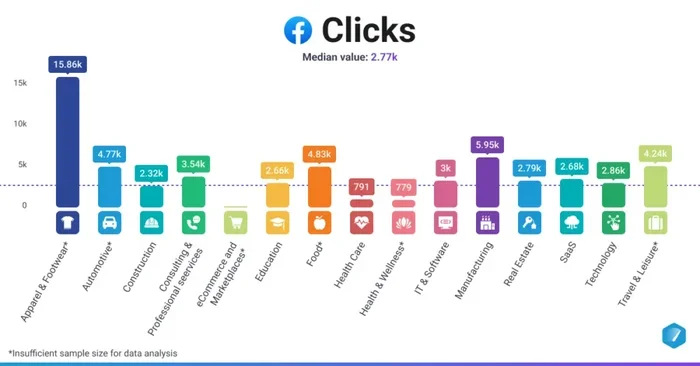
Facebook Ads Clicked refers to the total number of times users tap or click on your Facebook ads. Understanding Facebook Ads Clicked data helps you measure ad engagement, optimize campaigns, and reduce wasted ad spend. This guide breaks down everything you need to know about click metrics, tracking, and improvement strategies.
Every time someone taps on your Facebook ad, that counts as a click. It sounds simple, right? But Facebook Ads Clicked is much more than just a number. It is a window into how your audience feels about your ad, your offer, and your brand.
If you run paid ads on Facebook, understanding what those clicks mean can make or break your campaign. A high number of Facebook Ads Clicked events does not always mean success. But knowing how to read, track, and improve those clicks definitely does. In this guide, we will walk you through everything you need to know.
Whether you are a beginner just starting with Facebook advertising or a seasoned marketer looking to squeeze more performance from your budget, this article has you covered. We will break down the different types of clicks, show you how to find them in Ads Manager, and give you practical tips to improve your results. Let us dive in.
Key Takeaways
- Facebook Ads Clicked is a core metric that shows how many times people interacted with your ads by clicking them.
- Click-through rate (CTR) and cost per click (CPC) are the two most important metrics derived from Facebook Ads Clicked data.
- Different types of clicks — link clicks, call clicks, and engagement clicks — each tell a different story about your ad performance.
- Tracking Facebook Ads Clicked properly in Ads Manager gives you actionable insights to refine your targeting and creative.
- Improving ad copy, visuals, and audience targeting can significantly boost your Facebook Ads Clicked numbers.
- Avoiding common mistakes like broad targeting and ignoring mobile experience helps protect your ad budget and click quality.
- Regular A/B testing and campaign optimization based on click data lead to better ROI over time.
📑 Table of Contents
- What Are Facebook Ads Clicked?
- Why Facebook Ads Clicked Matter for Your Campaigns
- Types of Facebook Ad Clicks Explained
- How to Track and Measure Facebook Ads Clicked
- Tips to Improve Your Facebook Ads Clicked Performance
- Common Mistakes to Avoid with Facebook Ads Clicked
- Expert Insights on Facebook Ads Clicked
- Quick Tips to Boost Facebook Ads Clicked Today
- Conclusion
What Are Facebook Ads Clicked?
When we talk about Facebook Ads Clicked, we are referring to every single time a user interacts with your ad by clicking on it. This could happen on Facebook itself or on the Instagram feed. Each click is recorded as a data point that tells you something valuable about your ad’s performance.
But not all clicks are the same. A click might mean someone visited your website, called your business, downloaded an app, or simply engaged with your ad in some way. Facebook tracks all of these interactions and reports them separately in your Ads Manager dashboard.
Why Click Data Matters
Click data is the foundation of ad performance analysis. Without knowing how many people clicked, you cannot measure whether your ad is working. Think of it this way: impressions tell you how many people saw your ad. But Facebook Ads Clicked tells you how many people actually cared enough to do something about it.
This data helps you answer critical questions. Is your ad copy compelling enough? Does your audience find your offer relevant? Are you reaching the right people? The answers to these questions all live inside your click metrics.
How Facebook Defines a Click
Facebook uses specific definitions for different types of clicks. A link click happens when someone clicks on the ad and lands on your website or app store page. A call click occurs when someone taps the phone number in your ad. Engagement clicks happen when users click to like, comment, or share your post.
Understanding these distinctions matters because each type of click serves a different purpose in your marketing funnel. Link clicks drive traffic. Call clicks generate leads. Engagement clicks build social proof and awareness. All of them contribute to your overall Facebook advertising success.
Why Facebook Ads Clicked Matter for Your Campaigns
If you have ever wondered why some ads perform well and others flop, the answer often comes down to clicks. Facebook Ads Clicked data gives you real-time feedback on how your audience is responding to your messaging, visuals, and offers.
But the importance goes beyond just counting clicks. The quality of those clicks matters just as much as the quantity. A thousand clicks from people who bounce immediately are worth far less than fifty clicks from people who actually convert. This is why understanding click metrics is so essential.
Click-Through Rate (CTR)
CTR is one of the most important metrics in paid advertising. It measures the percentage of people who clicked your ad after seeing it. A high CTR usually means your ad resonates with your audience. A low CTR signals that something needs to change — whether that is your creative, your copy, or your targeting.
Here is a simple way to think about it. If your ad was shown 1,000 times and received 50 clicks, your CTR is 5%. That is generally considered solid for most industries. But if you are running a highly competitive niche, you might need an even higher CTR to stay competitive.
Cost Per Click (CPC)
CPC tells you how much you pay for each click on your ad. This metric directly impacts your return on ad spend (ROAS). If your CPC is too high, you will burn through your budget quickly without getting the results you want.
The average CPC on Facebook varies by industry. Some businesses pay as little as $0.10 per click, while others pay over $2.00. Your Facebook Ads Clicked data helps you track whether your CPC is trending up or down and whether your ad optimization efforts are paying off.
Ad Relevance and Quality Score
Facebook uses an ad relevance score to determine how well your ad is performing relative to your competitors. The more clicks your ad gets, the higher your relevance score tends to be. And a higher relevance score means lower costs and better ad placement.
This is a virtuous cycle. Great Facebook Ads Clicked numbers lead to better relevance, which leads to lower CPC, which gives you more clicks for the same budget. It is one of the main reasons why optimizing for clicks should be a priority for every advertiser.
Types of Facebook Ad Clicks Explained
Not all Facebook Ads Clicked events are created equal. Facebook breaks down clicks into several categories, each providing unique insights into how users interact with your ads. Let us look at the main types.
Link Clicks
Link clicks are the most common type of click in Facebook advertising. They happen when a user taps on your ad and is taken to your website, landing page, or app store. These clicks are the bread and butter of most Facebook ad campaigns because they drive direct traffic to your content.
If your goal is to get people to visit your site, read a blog post, or browse your product catalog, link clicks are the metric you should watch most closely. They tell you whether your ad is compelling enough to make someone leave Facebook and visit your page.
Call Clicks
Call clicks happen when someone taps the phone number button in your ad. This is especially valuable for local businesses, service providers, and anyone who wants to generate phone leads. Call clicks are a strong indicator of high-intent interest because the person is ready to talk to you right now.
If you run a plumbing company or a dental practice, tracking call clicks alongside your Facebook Ads Clicked data can help you understand which ads are driving actual phone conversations. That is a much better signal than just website visits.
Engagement Clicks
Engagement clicks include likes, comments, shares, and other interactions that happen directly within Facebook. While these clicks do not drive traffic to your website, they are incredibly valuable for building brand awareness and social proof.
When people engage with your ad, their friends and followers see that activity. This organic reach amplifies your message without costing you anything extra. For top-of-funnel campaigns, engagement clicks can be more valuable than link clicks.
App Install Clicks
If your goal is to get people to download your mobile app, then app install clicks are the clicks that matter. These are tracked separately in Ads Manager and give you a clear picture of how many people are taking action to install your app after seeing your ad.
App install campaigns require careful audience targeting and creative optimization. The people most likely to click and install are those who have a genuine need for your app or have interacted with your brand before.
How to Track and Measure Facebook Ads Clicked
Tracking your Facebook Ads Clicked data properly is essential if you want to make informed decisions about your campaigns. Fortunately, Facebook makes this process relatively straightforward through its Ads Manager platform.
Finding Click Data in Ads Manager
To see your click metrics, log into Facebook Ads Manager and navigate to your campaign. In the columns section, you can add metrics like link clicks, CTR, and CPC. These columns will appear in your table and update in real time as your campaign runs.
You can also use the breakdown feature to segment your click data by age, gender, placement, and delivery optimization. This helps you identify which segments are performing best and where you should allocate more of your budget.
Setting Up Conversion Tracking
Click tracking is just the beginning. To truly understand the value of your Facebook Ads Clicked events, you need to set up conversion tracking using the Meta Pixel. The Pixel tracks what happens after someone clicks your ad — whether they make a purchase, sign up for a newsletter, or complete a lead form.
Without conversion tracking, you are flying blind. You might have great click numbers but no idea whether those clicks are actually generating revenue. The Pixel bridges that gap and gives you a complete picture of your ad performance.
Using Custom Columns and Reports
Facebook Ads Manager allows you to create custom columns and save them as templates. This is incredibly useful for ongoing campaign optimization. You can build a dashboard that shows exactly the metrics you care about most, including all your click-related data.
Pro tip: create a weekly report template that includes link clicks, CTR, CPC, and conversions. Reviewing this report regularly will help you spot trends, identify problems early, and make data-driven decisions that improve your results over time.
Third-Party Tools for Deeper Analysis
While Ads Manager is powerful, it is not the only tool available. Platforms like Google Analytics, Triple Whale, and Northbeam can give you deeper insights into what happens after someone clicks your Facebook ad. These tools help you understand user behavior, attribution, and customer journey mapping.
If you are running serious paid advertising campaigns, investing in a third-party analytics tool is worth the cost. The additional visibility into click quality and post-click behavior can unlock significant improvements in your ROI.
Tips to Improve Your Facebook Ads Clicked Performance
Now that you understand what Facebook Ads Clicked means and why it matters, let us talk about how to improve those numbers. These practical tips are based on proven ad performance strategies used by successful advertisers.
Write Compelling Ad Copy
Your ad copy is the first thing people read. If it does not grab their attention, they will scroll past without clicking. Write headlines that create curiosity or address a pain point. Use body copy that clearly explains the benefit of clicking.
Keep your copy short and scannable. Use bullet points, short paragraphs, and a clear call-to-action (CTA). Phrases like “Shop Now,” “Learn More,” or “Get Your Free Quote” tell people exactly what to do next.
Use Eye-Catching Visuals
Facebook is a visual platform. Your ad images and videos need to stand out in the feed. Use high-quality photos, bold colors, and clean designs. Video ads often outperform static images because they capture attention more effectively.
Make sure your visuals are relevant to your ad copy. A mismatch between what people see and what they read creates confusion and kills clicks. Consistency between your image, headline, and CTA is key to driving more Facebook Ads Clicked events.
Refine Your Audience Targeting
Showing your ad to the wrong people wastes your budget and drags down your metrics. Use audience targeting features to reach people who are most likely to be interested in your offer. Start with a narrow audience and expand based on performance data.
Use custom audiences and lookalike audiences to find people similar to your best customers. These targeting strategies tend to produce higher-quality clicks and better conversion rates than broad, untargeted campaigns.
Test Different Ad Formats
Facebook offers many ad formats, including carousel, single image, video, collection, and slideshow ads. Each format performs differently depending on your industry and goal. Test multiple formats to see which one drives the most Facebook Ads Clicked events for your specific campaign.
A/B testing is the best way to compare formats. Run two or more versions of your ad with only one variable changed at a time. This gives you clear data on what works and what does not.
Optimize for Mobile
Most Facebook users access the platform on their phones. If your ad or landing page is not mobile-friendly, people will not click. Make sure your ad creative is designed for small screens and that your landing page loads quickly on mobile devices.
Test your ads on your own phone before launching. Check that buttons are easy to tap, text is readable, and images display correctly. A smooth mobile experience directly impacts your click-through rates and overall ad performance.
Review and Adjust Placement Settings
Facebook ads can appear in multiple places: the News Feed, right column, Instagram feed, Stories, Reels, and Audience Network. Each placement has different click rates and costs. Review your placement data in Ads Manager and focus on the placements that drive the best click metrics.
Many advertisers find that Feed placements and Instagram Stories generate the highest-quality clicks. But your results may vary based on your audience and industry. Let the data guide your placement decisions rather than guessing.
| Metric | What It Measures | How to Improve It |
|---|---|---|
| Link Clicks | People who clicked to visit your website | Stronger ad copy and visuals |
| CTR | Percentage of people who clicked after seeing your ad | Better targeting and creative testing |
| CPC | Cost you pay for each click | Improve relevance score and quality |
| Call Clicks | People who tapped to call your business | Use call-focused ad formats and local targeting |
| Engagement Clicks | Likes, comments, and shares on your ad | Create shareable, relatable content |
| App Install Clicks | People who clicked to download your app | Target app users and highlight app value |
Common Mistakes to Avoid with Facebook Ads Clicked
Even experienced advertisers make mistakes when it comes to tracking and optimizing Facebook Ads Clicked data. Avoiding these common pitfalls can save you time, money, and frustration.
Chasing Clicks Without a Goal
One of the biggest mistakes is optimizing for clicks without knowing what you want those clicks to do. If you want website traffic, focus on link clicks. If you want phone calls, optimize for call clicks. If you want app installs, target app install events. Every click should have a purpose.
Ignoring Mobile Experience
As mentioned earlier, most Facebook users are on mobile. If your landing page is slow, confusing, or not mobile-optimized, your clicks will not convert. Always test your post-click experience on a phone before scaling your campaigns.
Broad Targeting Without Refinement
Targeting everyone on Facebook might seem like a good idea, but it usually leads to wasted spend and poor click quality. Start with a focused audience, gather data, and then expand based on what the data tells you. Let your Facebook Ads Clicked data guide your audience refinement.
Not Letting Campaigns Run Long Enough
Facebook’s ad delivery algorithm needs time to learn. If you pause or change your campaign too soon, you interrupt the learning phase and waste ad spend. Give your campaigns at least 3-5 days before making major changes based on click data.
Neglecting Ad Fatigue
When the same ad runs too long, people start to ignore it. Click rates drop, and your ad spend goes to waste. Refresh your creative regularly by creating new variations of your ad copy and visuals. Keep your audience engaged with fresh content.
Expert Insights on Facebook Ads Clicked
We asked experienced Facebook advertisers what they wish they had known earlier about click metrics. Here is what they shared.
“Focus on click quality, not just quantity.” — Sarah M., a digital marketing manager with 8 years of experience. She says that tracking which clicks actually convert into sales is more important than chasing high click numbers. Use conversion tracking to identify your best-performing ads.
“Your CTR tells a story about your audience fit.” — James T., a Facebook ads specialist. He recommends reviewing CTR by audience segment to find which groups respond best to your messaging. This data helps you refine your targeting and improve your ad relevance score over time.
“Never stop testing.” — Maria L., an e-commerce advertiser. She runs at least three A/B tests per week on her Facebook advertising campaigns. Small changes to ad copy, images, or CTAs can lead to big improvements in click performance.
Quick Tips to Boost Facebook Ads Clicked Today
- Use action-oriented language in your ad copy. Words like “Get,” “Try,” and “Discover” encourage clicks.
- Add urgency with limited-time offers or countdown timers in your creative.
- Ask a question in your headline to spark curiosity and make people want to click.
- Use high-contrast colors in your ad images to make them stand out in the feed.
- Include social proof like testimonials or user counts to build trust and encourage clicks.
- Check your ad on multiple devices before launching to ensure a smooth experience.
- Review your click data weekly and make small, data-backed adjustments to your campaigns.
Conclusion
Facebook Ads Clicked is one of the most important metrics you will track as a Facebook advertiser. It tells you whether your ads are resonating with your audience and whether your paid advertising efforts are worth the investment. By understanding the different types of clicks, tracking them properly, and following the tips in this guide, you can significantly improve your ad performance.
Remember, more clicks do not always mean better results. Focus on click quality, test your creatives regularly, and let your data guide your decisions. The advertisers who win on Facebook are the ones who pay attention to their click metrics and continuously optimize based on what they learn.
Start implementing these strategies today. Review your Facebook Ads Clicked data in Ads Manager, identify areas for improvement, and make one change at a time. Over time, these small improvements add up to dramatically better campaign results. Your budget, your audience, and your bottom line will thank you.
Frequently Asked Questions
What does Facebook Ads Clicked mean?
Facebook Ads Clicked refers to the total number of times users clicked on your Facebook ad. This includes link clicks, call clicks, engagement clicks, and app install clicks. Each click is tracked by Facebook and reported in your Ads Manager dashboard as a measurable action.
How is click-through rate (CTR) calculated from Facebook Ads Clicked?
CTR is calculated by dividing the number of Facebook Ads Clicked by the number of impressions, then multiplying by 100. For example, if your ad received 100 clicks and 2,000 impressions, your CTR is 5%. A higher CTR generally means your ad is resonating well with your audience.
What is a good number of Facebook Ads Clicked for a small budget?
There is no universal “good” number because it depends on your budget, industry, and campaign goals. Focus on your CTR and CPC instead of raw click counts. A CTR above 1-2% is generally considered healthy for most Facebook advertising campaigns, regardless of budget size.
How can I increase my Facebook Ads Clicked count?
You can increase your Facebook Ads Clicked numbers by improving your ad copy, using eye-catching visuals, refining your audience targeting, and running A/B tests on different ad formats. Also make sure your landing page is fast and mobile-friendly to create a smooth experience after the click.
Are all Facebook Ads Clicked events equally valuable?
No, not all clicks are equal. A link click to your product page is more valuable than an engagement click if your goal is sales. Similarly, a call click from a local business is highly valuable for generating leads. Always align your click goals with your overall marketing funnel objectives.
What is the difference between link clicks and total clicks in Facebook Ads?
Link clicks specifically count clicks that take users to your website or app store. Total clicks (also called “clicks”) include all click interactions, including engagement clicks like likes and comments. For measuring website traffic, link clicks are the more relevant metric to track in your Facebook Ads Clicked data.
=== CONCLUSION ===
Facebook Ads Clicked is a powerful indicator of how well your ads are connecting with your audience. By understanding what these clicks mean, tracking them correctly, and continuously optimizing your campaigns, you can get more from every dollar you spend on Facebook advertising. Start with the tips in this guide, monitor your click metrics closely, and watch your campaign performance improve over time.