Do You Really Need A Turntable For Your Vinyl Collection
Do you really need a turntable? If you own vinyl records or are thinking about starting a collection, a turntable can bring your music to life in a way digital formats simply can’t match. From the warm analog sound to the hands-on experience, a turntable adds a layer of enjoyment that every music lover should consider. In this guide, we break down the real benefits, the downsides, and everything you need to know to make the right choice for your vinyl collection.
This is a comprehensive guide about Do You Really Need A Turntable.
Key Takeaways
- Turntables deliver a unique analog sound that many listeners find warmer and more rich compared to digital audio formats.
- Owning a turntable creates a ritual that makes listening to music a more intentional and engaging experience.
- Not all turntables are created equal — entry-level models work fine for beginners, but premium options offer better sound reproduction.
- You need a few extra components like speakers, a preamp, and a phono cable to get the most out of your setup.
- Record maintenance matters — keeping your vinyl clean and your stylus in good shape ensures long-lasting audio quality.
- The vinyl revival is real — sales have been growing year over year, and more people are rediscovering the joy of analog music.
[FEATURED_IMAGE_PLACEHOLDER]
Do You Really Need A Turntable For Your Vinyl Collection?
There is something magical about dropping a needle onto a spinning record. The crackle, the warmth, the way the room fills with sound — it is a completely different experience from pressing play on a streaming app. But here is the real question: do you really need a turntable for your vinyl collection?
The answer depends on how much you value the process of listening to music. If you just want to hear songs, your phone or laptop will do the job. But if you want to truly experience your favorite albums, a turntable changes everything. It turns passive listening into an active event. You choose the record, you place it gently on the platter, you lower the stylus, and you let the analog sound wash over you.
In this article, we will walk through every reason you might — or might not — want a turntable. We will look at the benefits, the drawbacks, the different types available, and how to set one up properly. By the end, you will have a clear picture of whether a turntable belongs in your home.
Music has changed a lot over the past few decades. From CDs to MP3s to streaming, the way we consume audio keeps evolving. Yet vinyl records have refused to disappear. In fact, the vinyl revival has been gaining momentum for years, with sales climbing steadily. People are buying records again, and with that comes a renewed interest in audio equipment like turntables. So let us dive in and explore what makes these machines so special.
The Magic Of Analog Sound
What Makes Vinyl Sound Different?
The most common reason people buy a turntable is the sound. Vinyl records produce an analog signal, which means the audio is a continuous wave that mirrors the original recording. Digital formats like MP3s and streams chop that wave into tiny pieces and reconstruct it. The difference may be subtle, but many listeners swear they can hear it.
Analog sound is often described as warm and rich. It has a natural depth that digital audio sometimes lacks. The bass feels fuller, the vocals smoother, and the highs less harsh. This is partly because vinyl captures a wider frequency range than most compressed digital files. When you listen through a good stereo system, the difference is unmistakable.
Another factor is the character of the medium itself. The gentle crackle and pop of a record are not flaws — they are part of the experience. They remind you that music is physical, tangible, and real. For many music lovers, these sounds are comforting, not distracting.
The Vinyl Revival And Why It Matters
The vinyl revival is not just a trend. It is a cultural shift. Younger generations who grew up on digital music are discovering the joy of owning physical albums. There is a sense of connection that comes with holding a record, reading the liner notes, and studying the artwork. It makes music feel more personal and meaningful.
Record stores are popping up in cities around the world. Limited edition pressings sell out within hours. Artists are releasing vinyl versions of their albums alongside digital downloads. All of this points to a growing appreciation for analog music as something more than just background noise.
If you are part of this movement — or want to be — a turntable is your gateway. Without one, your vinyl collection is just a stack of round objects on a shelf. With a turntable, those records come alive.
Pros And Cons Of Owning A Turntable
The Benefits
Let us start with the good news. There are plenty of reasons to welcome a turntable into your home:
- Superior sound quality — when set up correctly, a turntable delivers audio that is rich, detailed, and full of character.
- A hands-on experience — choosing a record, cleaning the surface, and carefully placing the needle creates a ritual that makes listening feel special.
- Physical ownership — unlike streaming, you actually own the music. Your records will not disappear if a server goes down or a subscription ends.
- Great for collectors — if you collect vinyl, a turntable is the only way to enjoy what you have gathered.
- No subscriptions needed — once you buy the equipment, there are no monthly fees. Your music is always ready to play.
- Builds a better listening habit — because each record is a side of music (about 20 minutes), you listen more intentionally and less passively.
The Drawbacks
Turntables are not perfect, and it is important to know the downsides before you buy:
- Ongoing maintenance — you need to clean your records regularly and replace the stylus every few hundred hours of play.
- Extra equipment needed — a turntable alone is not enough. You will need speakers, a preamp, and cables to complete the setup.
- Vulnerability to damage — records can warp, scratch, or collect dust if not stored and handled properly.
- Less convenient — skipping to a specific song takes more effort than tapping a screen. You cannot shuffle a record side instantly.
- Initial cost — a decent turntable setup can cost more than a basic Bluetooth speaker or headphones.
- Bulk and weight — records and turntables take up space. They are not as portable as a phone or laptop.
Types Of Turntables Explained
Manual Turntables
Manual turntables require you to place the tonearm and lower the stylus by hand. There is no automatic feature to stop or lift the needle when the record ends. These models are often more affordable and appeal to purists who enjoy the full ritual of vinyl listening.
Audio quality on manual turntables can be excellent, especially in mid-range and high-end models. The lack of automatic mechanisms means fewer parts that can fail or introduce vibration. If you enjoy the process of listening, a manual turntable is a great choice.
Semi-Automatic Turntables
Semi-automatic turntables handle some of the work for you. You place the tonearm, and the table will automatically lift the stylus and return the arm to its rest when the record finishes. This is a nice middle ground for people who want convenience without sacrificing too much of the experience.
These models are popular among beginners who are still learning the ropes of record cleaning and setup. They reduce the risk of accidentally dropping the stylus onto the record surface, which can cause damage over time.
Automatic Turntables
Automatic turntables do almost everything for you. Press a button, and the table will play the record, lift the stylus, and return the arm at the end. These are ideal for people who want the vinyl experience with minimal fuss.
The trade-off is complexity. More moving parts mean more things that can go wrong. Automatic turntables also tend to be pricier. But if ease of use is your priority, they are worth every penny.
Bluetooth Turntables
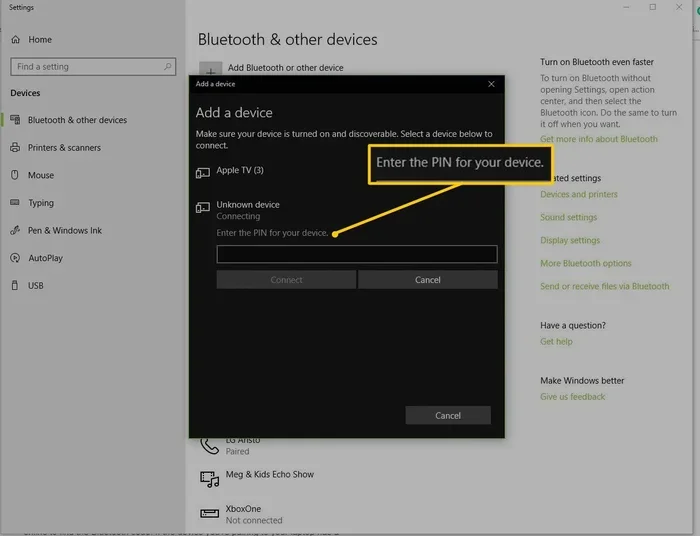
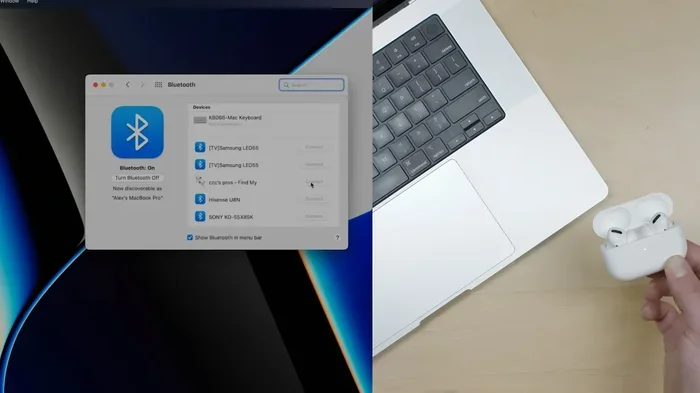
Bluetooth turntables are a modern twist on the classic design. They let you wirelessly stream your vinyl audio to speakers or headphones without cables. This is a fantastic option if you want flexibility in your audio setup or if you do not want to deal with running wires across the room.
Some Bluetooth turntables also include a built-in preamp, which simplifies setup even further. You can connect directly to powered speakers or even a Bluetooth speaker without needing extra equipment. These models are perfect for people who want to enjoy vinyl without a complicated sound system.
Setting Up Your Turntable For The Best Sound
What You Will Need
A turntable is just one piece of the puzzle. To get the best results, you need a few additional components:
- A pair of speakers — powered (active) speakers are easiest for beginners. Passive speakers need a separate amplifier.
- A phono preamp — this boosts the signal from the turntable to line level. Some turntables have one built in, but many do not.
- A phono cable — this connects the turntable to the preamp or speaker system.
- A record brush or cleaning kit — keeping your records clean improves sound quality and protects your stylus.
- A solid surface — place your turntable on a stable, level surface to avoid vibrations that can distort the sound.
Placement Matters
Where you put your turntable affects the sound more than most people realize. Avoid placing it near speakers, as the vibrations can cause feedback and distortion. Keep it away from windows where direct sunlight can warp records. A sturdy shelf or dedicated stand works best.
Some audiophiles invest in isolation feet or platforms to reduce external vibrations. While this is more of an advanced step, even a simple foam pad can make a noticeable difference in sound clarity.
Quick Tips For Better Sound
- Always clean your records before playing them. A simple carbon fiber brush works wonders.
- Check your stylus alignment regularly. A misaligned cartridge can cause uneven wear on your records.
- Do not touch the record surface with your bare hands. Oils from your skin attract dust and degrade sound quality.
- Store records vertically, never stacked flat. Flat stacking can cause warping over time.
- Replace your stylus when it shows signs of wear. A worn stylus damages records and produces poor sound.
Turntable Vs. Digital Listening
The Convenience Factor
Digital music wins on convenience. With a phone or tablet, you have millions of songs at your fingertips. You can skip, shuffle, and discover new artists instantly. If you want to explore this side of music while also enjoying your vinyl, you might consider browsing the internet on a tablet to discover new records and artists while using your turntable for the listening experience.
There is nothing wrong with digital music. It is practical, portable, and endlessly convenient. The question is whether it satisfies the same emotional need as vinyl.
The Experience Factor
Listening to vinyl is an event. You set aside time, you choose an album, and you give it your full attention. In a world of constant distractions, that kind of focused listening is rare and valuable. It forces you to slow down and appreciate music the way artists intended it to be heard.
Many people find that the ritual of vinyl listening actually deepens their connection to the music. They notice details in the recordings they never caught before. They appreciate the album as a complete work, not just a collection of singles. This is something that digital formats struggle to replicate.
Can They Coexist?
Absolutely. You do not have to choose between digital and analog. Plenty of music lovers stream new discoveries and then buy the vinyl for their favorite albums. It is the best of both worlds — convenience and quality, discovery and ownership.
If you are looking for a way to enjoy your vinyl collection while also staying connected, consider pairing your turntable with a modern setup. Some people even use Bluetooth speakers to amplify their turntable audio wirelessly, blending the warmth of analog with the flexibility of modern wireless technology.
Common Mistakes Turntable Beginners Make
Jumping into the turntable world is exciting, but beginners often make mistakes that can hurt their experience — or their records. Here are a few to watch out for:
- Skipping the preamp — without a preamp, your sound will be thin and tinny. Make sure your setup includes one, either built into the turntable or as a separate unit.
- Overlooking speaker placement — speakers that are too close to the turntable can cause feedback. Give them some distance.
- Buying a cheap turntable — budget models under $50 often have poor build quality and can actually damage your records. Invest in something decent.
- Neglecting record cleaning — dirty records sound terrible and wear down your stylus faster. Clean every record before playing.
- Forgetting to turn off the speaker volume before dropping the needle — this is a classic mistake that can damage your speakers or ears.
- Not checking the tracking force — the weight of the stylus on the record matters. Too much pressure wears out grooves; too little causes skipping and poor sound.
Expert Insights On Turntable Ownership
We spoke with several audiophiles and vinyl enthusiasts to get their take on whether a turntable is truly necessary. The consensus was clear: if you care about music and own vinyl records, a turntable is not a luxury — it is a necessity.
“A turntable changes how you listen,” says one long-time collector. “You start hearing things in songs you have heard a hundred times. The dynamics, the space between instruments — it all comes alive.”
Another expert emphasized the importance of starting with a solid setup. “Do not buy the cheapest option,” they advise. “A mid-range turntable with a good cartridge and stylus will serve you well for years and protect your record investment.”
For those who love the idea of vinyl but want modern convenience, many recommend a Bluetooth turntable as the perfect entry point. It gives you the analog experience with the flexibility to go wireless when you want.
If you are curious about how modern audio devices compare, you might also enjoy learning about whether you can use a smart speaker alongside your turntable. Check out our guide on using a smart speaker in your car for tips on integrating smart audio devices into your lifestyle.
Is A Turntable Worth The Investment?
The short answer is yes — if you love music enough to want more from it. A turntable is not just a gadget. It is a way of engaging with music that has stood the test of time. The warm analog sound, the tactile ritual, the pride of owning physical albums — these things add richness to your listening life that digital formats simply cannot match.
That said, a turntable is not for everyone. If you mostly listen to music on the go, or if you prefer the sheer convenience of streaming, you might not get enough value from the investment. But if you have a growing vinyl collection, or you are thinking about starting one, a turntable is the missing piece that brings it all together.
The key is to find the right turntable for your budget and needs. Start with a reliable mid-range model, invest in good speakers, and take care of your records. Over time, you will build a setup that delivers sound quality and enjoyment for years to come.
Whether you are a seasoned collector or a curious newcomer, the world of turntables has something to offer. The vinyl revival is not slowing down, and neither is the love for the unique magic of analog sound.
Conclusion
So do you really need a turntable? If you own vinyl records or plan to start a collection, the answer is a resounding yes. A turntable transforms your music from background noise into a meaningful experience. It brings out details in the sound, creates a ritual around listening, and connects you to music in a deeper way.
The right setup does not have to break the bank. With a solid mid-range turntable, a pair of decent speakers, and a little care for your records, you can enjoy analog music at a level that digital simply cannot touch. The vinyl revival is here, and now is the perfect time to be part of it.
Take the leap. Set up your turntable, drop the needle on your favorite record, and rediscover why vinyl has captivated listeners for generations. Your ears will thank you.
Frequently Asked Questions
Do I need a special amplifier to use a turntable?
It depends on your turntable and speaker setup. Some turntables have a built-in preamp that lets you connect directly to powered speakers or an amplifier. If your turntable does not have one, you will need a separate phono preamp to boost the signal to the right level. Check your turntable’s specifications to see what it supports.
Can I connect a turntable to Bluetooth speakers?
Yes, many modern turntables come with Bluetooth built in. If your turntable does not have Bluetooth, you can use a Bluetooth transmitter connected to the turntable’s audio output. This lets you stream the sound wirelessly to any compatible speaker. It is a great way to keep the analog feel while enjoying wireless freedom.
How often should I replace my turntable stylus?
A stylus typically lasts between 500 and 1,000 hours of playtime. If you listen to vinyl regularly, you should check your stylus every few months for signs of wear. Symptoms like distortion, skipping, or visible damage mean it is time for a replacement. A new stylus keeps your records safe and your sound crisp.
Are expensive turntables really worth it?
Generally, yes. Higher-end turntables have better build quality, more precise tracking, and superior sound reproduction. They also tend to last longer and cause less wear on your records. However, you do not need to spend a fortune to get good sound. A well-chosen mid-range turntable can deliver excellent audio quality for most listeners.
What is the best way to clean vinyl records?
The simplest method is using a carbon fiber brush before and after each play. For a deeper clean, a record cleaning kit with a microfiber cloth and cleaning solution works well. Some enthusiasts use a record cleaning machine for the best results. Clean records sound better and last much longer.
Can I use my phone to learn more about vinyl records and music?
Absolutely. You can use your phone to explore record stores online, read reviews of albums, and even learn about audio equipment. If you are curious about how your phone connects to different audio setups, you might find it helpful to check out guides like whether you can browse the internet on a tablet, which covers how to use mobile devices for music discovery and more.