Do Wireless Speakers Need To Be Plugged In For Sure
Wireless speakers don’t always need to be plugged in, but many still require occasional charging or a power source. The answer depends on the speaker type, battery capacity, and how you plan to use it. This guide covers everything from portable Bluetooth speakers to smart home audio systems.
Wireless speakers have changed the way we listen to music at home, outdoors, and everywhere in between. But one question keeps coming up: do wireless speakers need to be plugged in? The short answer is: it depends. Some run entirely on battery power, while others still need a constant connection to an outlet.
If you are shopping for a new speaker or just curious about how your current one works, this guide has you covered. We will walk through the different types of wireless speakers, explain when you need a power cord, and share tips to get the most from your setup. Whether you want a portable Bluetooth speaker for the beach or a powerful home system, this article breaks it all down.
The world of wireless audio has grown fast in the last few years. Speakers now come in all shapes, sizes, and power configurations. Understanding how they work will help you make the right choice for your needs. Let us dive in.
Key Takeaways
- Battery-powered wireless speakers let you play music anywhere without a wall outlet.
- Rechargeable batteries are standard in most modern portable speakers.
- Some wireless speakers still need to stay plugged in for continuous use, especially larger home models.
- Bluetooth connectivity eliminates the need for cables between your device and the speaker.
- Battery life varies widely depending on speaker size, volume level, and features used.
- Charging habits matter for extending the lifespan of your speaker’s battery.
- Smart speakers often need constant power but offer more features in return.
📑 Table of Contents
- How Wireless Speakers Work
- When You DO Need To Plug In Your Wireless Speaker
- When You DON’T Need To Plug In
- Types of Wireless Speakers And Their Power Needs
- Tips For Getting The Most Out Of Your Wireless Speaker
- Common Mistakes People Make With Wireless Speakers
- Converting Your Regular Speakers to Wireless
- Final Thoughts
How Wireless Speakers Work
Wireless speakers receive audio signals without using a physical cable from your source device. Instead, they use Bluetooth technology, Wi-Fi, or other wireless protocols to connect to your phone, tablet, or computer. But “wireless” only refers to the connection between the device and the speaker. It does not always mean the speaker itself is free from power cords.
Most wireless speakers have one of two power setups. Some run on rechargeable lithium-ion batteries that you charge with a USB cable. Others need to stay plugged into a wall outlet at all times. The type you choose depends on how and where you plan to use the speaker.
The Role of Bluetooth in Wireless Speakers
Bluetooth is the most common way wireless speakers connect to devices. It sends audio through the air over short distances, usually around 30 feet. This means you can move around your room or yard without worrying about tangled cords. But Bluetooth does not power the speaker itself. You still need a power source, whether that is a battery or a wall plug.
Many people confuse “wireless connection” with “wireless power.” They are two very different things. A Bluetooth speaker can connect to your phone without any cables, but it still needs electricity to produce sound. Understanding this distinction is key to choosing the right speaker for your lifestyle.
Wi-Fi Connected Speakers
Some wireless speakers use Wi-Fi instead of Bluetooth. These are often called smart speakers. They connect to your home network and stream music from services like Spotify or Apple Music. Wi-Fi speakers tend to offer better sound quality and a longer range than Bluetooth models. However, they almost always need to stay plugged in because they use more power to maintain a network connection.
Popular smart speakers like the Amazon Echo or Google Nest fall into this category. They are designed to sit in one place and listen for voice commands all day. That constant readiness requires a steady power supply, which means they are not truly portable in the way a battery-powered speaker is.
When You DO Need To Plug In Your Wireless Speaker
Not all wireless speakers are created equal. Some are designed to be used while plugged in, and there are good reasons for that. Understanding when plugging in is necessary will help you set realistic expectations for your audio setup.
Home Audio Systems
Larger wireless speakers built for home use often need to stay connected to power. These speakers deliver richer sound, deeper bass, and higher volume levels. All of that performance requires more energy than a small battery can provide. If you want a speaker to fill your living room with music, it will likely need to be plugged in.
These home speakers often come with built-in amplifiers and multiple drivers. The combination of powerful hardware and continuous use means battery life would be very short. Plugging them in ensures you get consistent sound quality without interruption.
Smart Speakers That Stay On
Smart speakers are always listening for wake words like “Hey Google” or “Alexa.” This constant monitoring uses power, which is why they need to stay plugged in. You cannot unplug them and expect them to work. They are designed as permanent fixtures in your home, not portable devices.
If you love the convenience of voice control and smart home integration, a plugged-in smart speaker is the way to go. They offer features like alarms, weather updates, and smart device control that battery-powered speakers simply cannot match.
Speakers Used for Long Events
If you are hosting a party or outdoor event, you might need your speaker running for hours on end. Even many portable speakers will run out of battery during a long gathering. In these cases, keeping the speaker plugged in ensures it keeps playing without interruption.
Some speakers allow you to use them while charging, which is a great feature for extended use. Just keep in mind that charging while playing can generate heat, which may affect battery health over time.
When You DON’T Need To Plug In
The good news is that many wireless speakers are designed to be completely cordless. You can take them anywhere and enjoy music without hunting for an outlet.
Portable Bluetooth Speakers
Portable Bluetooth speakers are the most popular type of wireless speaker for on-the-go use. They run entirely on rechargeable batteries and can last anywhere from 6 to 24 hours on a single charge, depending on the model and volume level. These speakers are perfect for trips to the beach, hiking, or just moving around your home.
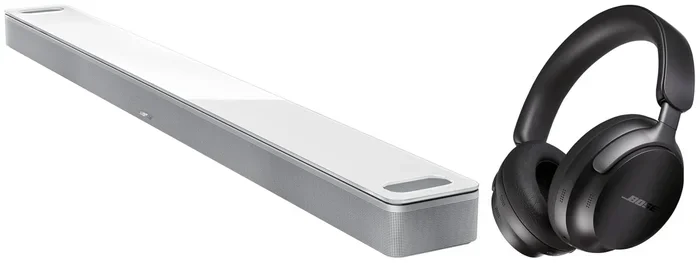
Brands like JBL, Bose, and Ultimate Ears make some of the best portable options on the market. Many of them are waterproof, dustproof, and built to handle outdoor conditions. You get true freedom from cords and outlets, which is exactly what most people want from a wireless speaker.
Battery Life Expectations
Battery life varies a lot between speaker models. Small, compact speakers might only last 4 to 6 hours at high volume. Larger portable speakers with bigger batteries can go 15 to 20 hours or more. Volume level, Bluetooth range, and extra features like built-in voice assistants all affect how long the battery lasts.
Here are some general guidelines for battery life based on speaker size:
- Small portable speakers: 4 to 8 hours
- Medium portable speakers: 8 to 15 hours
- Large portable speakers: 15 to 24 hours
- Home wireless speakers: Not applicable (plugged in)
Keep in mind that these numbers are estimates. Real-world battery life depends on how loud you play music, what EQ settings you use, and whether features like RGB lights are turned on.
Charging Your Wireless Speaker
Most portable wireless speakers charge via USB. You can use a standard phone charger, a laptop, or even a portable power bank to keep them juiced up. Charging times vary, but most full charges take between 2 and 4 hours.
Some speakers also support fast charging, which can give you several hours of playtime from just a short charge. This is incredibly handy when you are in a rush and need to get out the door quickly.
Types of Wireless Speakers And Their Power Needs
Not all wireless speakers are the same. Different types serve different purposes, and their power needs vary accordingly. Understanding these differences helps you pick the right speaker for each situation.
Battery-Powered Portable Speakers
These are the go-to choice for people who want true portability. They are lightweight, rechargeable, and designed to move with you. You can toss one in your backpack or carry it in your hand. Portable Bluetooth speakers dominate this category, and they work great for everything from casual listening to outdoor adventures.
If you want to learn more about using Bluetooth speakers for voice amplification, check out our guide on using a Bluetooth speaker to amplify your voice. It covers helpful tips for getting the best performance from your portable setup.
Plug-In Smart Speakers
Smart speakers like the Amazon Echo and Google Nest are designed to stay in one place and be powered continuously. They offer advanced features like voice control, smart home integration, and multi-room audio. Because they are always on and always listening, they need a constant power supply.
These speakers are excellent for home automation and daily convenience. They are not meant to be carried around, but they deliver a polished, connected experience that battery-powered speakers cannot match.
Hybrid Speakers
Some wireless speakers blur the line between portable and plug-in models. They have built-in batteries for portability but also work well when left plugged in. These hybrid options give you the best of both worlds. You can take them outside for a day trip and then bring them back inside for long-term use.
Hybrid speakers are a great choice if you want flexibility. You are not locked into one use case, and you get more versatility from a single device.
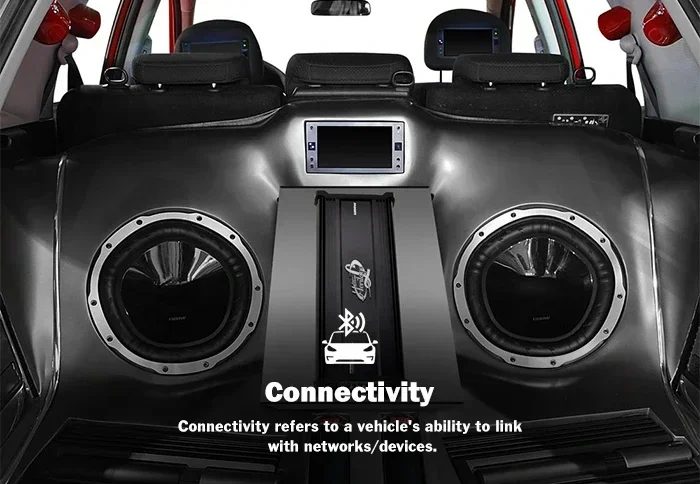
Wireless Speakers For Cars And Outdoor Use
Some wireless speakers are built specifically for cars or outdoor use. Car speakers often need to be plugged into the vehicle’s power outlet, but some are battery-powered for true portability. Outdoor speakers may be battery-operated or solar-powered, depending on the design.
If you are interested in using a smart speaker in your vehicle, we have a helpful article on using a smart speaker in your car that covers compatibility and setup tips.
Tips For Getting The Most Out Of Your Wireless Speaker
Want your wireless speaker to last longer and sound better? Follow these practical tips to get the most from your device.
Charge Smart
Do not wait until your speaker dies completely before charging it. Lithium-ion batteries last longer when you keep them between 20% and 80% charged. Fully draining the battery regularly can shorten its overall lifespan over time.
Also, try to use the charger that came with your speaker or a high-quality USB cable. Cheap chargers can deliver inconsistent power, which may damage the battery or slow down charging.
Keep The Volume Moderate
Playing your speaker at maximum volume drains the battery much faster. If you want longer playtime, keep the volume at a moderate level. You will still get great sound quality, and your battery will thank you.
Most speakers sound their best at around 60% to 70% volume. Pushing them to the max can also distort the audio and potentially damage the drivers over time.
Turn Off Unused Features
Many wireless speakers come with extra features like LED lights, voice assistants, and extra bass boosters. These features use power. If you are trying to squeeze more battery life out of a single charge, turn off anything you do not need.
Simple adjustments like disabling the LED lights or switching from Wi-Fi to Bluetooth can add hours to your playtime. Every little bit helps when you are away from an outlet.
Store Your Speaker Properly
If you are not going to use your speaker for a while, store it with a partial charge, around 50%. Storing a battery at full charge or completely empty for long periods can degrade its capacity. A cool, dry place away from direct sunlight is the best storage environment.
Check the battery level every few months and top it off if needed. This simple habit can keep your speaker ready to go whenever you need it.
Common Mistakes People Make With Wireless Speakers
Even experienced users make mistakes that can shorten their speaker’s lifespan or reduce audio quality. Here are some common pitfalls to avoid.
Overcharging the Battery
Leaving your speaker plugged in all the time, even after it is fully charged, can stress the battery. Most modern speakers have built-in protection against overcharging, but it is still better to unplug them once they are full.
If you use your speaker as a permanent home fixture, consider plugging it in only when the battery gets low. This simple habit can extend the battery’s health over months and years.
Ignoring Firmware Updates
Many wireless speakers receive firmware updates that improve battery management, Bluetooth stability, and sound quality. Ignoring these updates means you miss out on performance improvements. Check the manufacturer’s app regularly for available updates.
Using the Wrong Connection
Some people try to connect their wireless speaker to devices using the wrong cable or adapter. For example, if you want to connect your phone to a TV for audio output, make sure you use the right cable. You can learn more about connecting devices with the right cables in our article on connecting your phone to TV with an HDMI cable.
Using the wrong connection can lead to poor audio quality, no sound at all, or even damage to your devices. Always double-check compatibility before plugging anything in.
Expecting Battery Life to Last Forever
All rechargeable batteries degrade over time. After hundreds of charge cycles, your speaker’s battery will not last as long as it did when new. This is completely normal and not a defect. Understanding this helps you set realistic expectations and plan for a battery replacement when the time comes.
If your speaker’s battery life drops significantly, check with the manufacturer about replacement options. Some brands offer battery replacement services that can breathe new life into an older speaker.
Converting Your Regular Speakers to Wireless
You do not always need to buy a new wireless speaker. If you already have a pair of wired speakers you love, you can make them wireless with a Bluetooth adapter. This is a cost-effective way to upgrade your setup without replacing your entire speaker system.
We have a detailed guide on turning regular speakers into Bluetooth speakers that walks you through the process step by step. It is a simple project that anyone can do with basic tools and a Bluetooth receiver.
Final Thoughts
So, do wireless speakers need to be plugged in? The answer really comes down to the type of speaker you have and how you use it. Portable Bluetooth speakers run on rechargeable batteries and give you the freedom to go anywhere. Smart speakers and larger home audio systems usually need to stay plugged in for continuous power.
Understanding your speaker’s power needs helps you get the best performance and longest battery life. Whether you want a speaker for the beach, the living room, or the car, there is a wireless option that fits your lifestyle. Charge your batteries smart, store your speaker properly, and enjoy the freedom of wireless audio.
The wireless audio world keeps evolving, and new technologies are making speakers more efficient and powerful every year. Stay curious, keep learning, and most importantly, keep the music playing.
Frequently Asked Questions
Can I use a wireless speaker without ever plugging it in?
Yes, if you have a battery-powered portable Bluetooth speaker. These speakers run entirely on rechargeable batteries and do not need a power cord at all during use. Just make sure to charge it before you head out.
How long does a wireless speaker battery last?
Battery life depends on the speaker size, volume level, and features used. Small speakers last 4 to 8 hours, while larger portable models can go 15 to 24 hours on a single charge. Smart speakers that stay plugged in do not rely on battery power at all.
Can I leave my wireless speaker plugged in all the time?
It is generally safe for short periods, but leaving it plugged in constantly can reduce battery health over time. Most modern speakers have overcharge protection, but it is best to unplug once fully charged or use it on battery power when possible.
Do smart speakers need to be plugged in?
Yes, smart speakers like Amazon Echo and Google Nest need to stay plugged in. They use power to maintain Wi-Fi connections, listen for voice commands, and run smart home features. They are not designed to be portable or battery-powered.
Can I charge my wireless speaker with any USB charger?
Most wireless speakers charge with any standard USB charger or cable. However, using the charger that came with your speaker ensures the best compatibility and charging speed. Avoid very cheap or damaged chargers that may deliver unstable power.
What is the difference between a wireless speaker and a Bluetooth speaker?
A Bluetooth speaker is a type of wireless speaker that connects using Bluetooth technology. The term “wireless speaker” can also include Wi-Fi speakers and other wireless connection types. All Bluetooth speakers are wireless, but not all wireless speakers use Bluetooth.
=== CONCLUSION ===
Wireless speakers do not always need to be plugged in, but many still require a power source depending on their design and purpose. Portable Bluetooth speakers give you the freedom to go completely cord-free, while smart speakers and home audio systems typically need a constant connection to power. Understanding the difference helps you make smarter buying decisions and get more enjoyment from your audio setup.
Take care of your speaker’s battery, choose the right type for your needs, and you will enjoy wireless audio for years to come. Whether you are at home, on the road, or at an outdoor gathering, the right wireless speaker keeps your music playing without the hassle of cables.