Do Any Iphones Support Wifi 6e And Why You Should Care
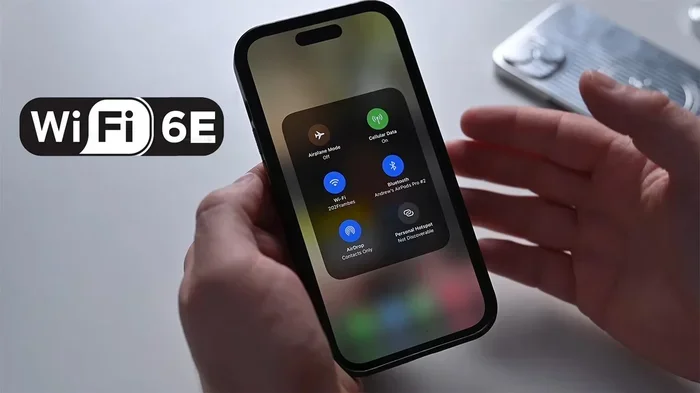
Yes, certain iPhones do support WiFi 6E — specifically the iPhone 15 Pro and iPhone 15 Pro Max. This new standard opens up the 6GHz band for wireless speeds that are significantly faster than traditional WiFi 6. If you own one of these phones and have a compatible router, you can experience real improvements in network performance, bandwidth, and low latency for streaming, gaming, and more.
Do any iPhones support WiFi 6E? That is a question a lot of people are asking right now. The short answer is yes, but only the newest flagship models. If you are shopping for a phone or trying to get the most out of your home network, this matters a lot. WiFi 6E is the latest wireless standard, and it brings real, noticeable improvements to your internet experience.
In this guide, we will cover everything you need to know. We will look at which iPhones support WiFi 6E, what makes this standard different from regular WiFi 6, and why you should care. We will also talk about routers, speeds, and whether the upgrade is worth your money. Let us get into it.
Key Takeaways
- iPhone 15 Pro and iPhone 15 Pro Max are the only iPhones that support WiFi 6E right now.
- WiFi 6E adds the 6GHz band, which reduces congestion and boosts wireless speeds dramatically.
- You need a WiFi 6E router to unlock the full benefits of this technology on your iPhone.
- WiFi 6E delivers lower latency, making it ideal for gaming, video calls, and heavy downloads.
- Older iPhones like the iPhone 14 and iPhone 13 only support WiFi 6, not WiFi 6E.
- Apple’s WiFi certification means these devices meet strict standards for compatibility and performance.
- Upgrading to WiFi 6E is worth it if you have a modern router and need better network performance at home.
📑 Table of Contents
- Do Any Iphones Support Wifi 6e? Here Is the Full Answer
- What Is WiFi 6E and Why Does It Matter?
- Why You Should Care About WiFi 6E on Your iPhone
- Which iPhones Support WiFi 6E? The Complete List
- You Need a WiFi 6E Router to Get the Full Benefits
- iPhone WiFi 6E Performance: What to Expect in Real-World Use
- Common Mistakes People Make with WiFi 6E
- Expert Insights on iPhone WiFi 6E and Wireless Connectivity
- The Future of iPhone WiFi Support
- Conclusion
Do Any Iphones Support Wifi 6e? Here Is the Full Answer
So, do any iPhones support WiFi 6E? The answer depends on the model. As of now, Apple has only brought WiFi 6E support to two phones: the iPhone 15 Pro and the iPhone 15 Pro Max. These two models launched in September 2023 and were the first iPhones to include this advanced wireless capability.
All other iPhones on the market today do not support WiFi 6E. This includes the iPhone 15 and iPhone 15 Plus, which only have WiFi 6. The same goes for older models like the iPhone 14, iPhone 13, iPhone 12, and everything older. Apple has been selective about which devices get this feature, and it is only the top-tier Pro models that qualify.
Why does Apple limit it this way? The WiFi 6E chip and antenna design cost more to include. It also requires more advanced hardware to handle the 6GHz band properly. Apple likely wants to keep WiFi 6E as a premium feature that encourages people to buy the Pro models. But for those who do have these phones, the benefits are real.
What Makes iPhone 15 Pro and iPhone 15 Pro Max Different
The iPhone 15 Pro and iPhone 15 Pro Max are not just about WiFi 6E. These phones also come with the A17 Pro chip, USB-C connectivity, and upgraded cameras. But when it comes to wireless connectivity, the WiFi 6E support is a standout feature. It means these phones can connect to the fastest available wireless networks on the market today.
If you are comparing the iPhone 15 Pro vs the regular iPhone 15, WiFi 6E is one of the key differences. The regular iPhone 15 uses WiFi 6, which is fast but does not tap into the 6GHz band. This is a meaningful distinction for anyone who cares about wireless performance.
What Is WiFi 6E and Why Does It Matter?
To understand why iPhone WiFi 6E support matters, you need to know what WiFi 6E actually is. WiFi 6E is an extension of WiFi 6. The “E” stands for “Extended.” It adds a brand new wireless frequency band to the mix — the 6GHz band. Traditional WiFi 6 operates on the 2.4GHz and 5GHz bands. WiFi 6E adds a third option.
This might sound like a small technical detail, but it makes a huge difference. The 6GHz band is much less crowded than the 5GHz band. That means fewer interference issues and more available bandwidth for your devices. Think of it like adding a new lane to a highway. The cars (your data) have more room to move, and traffic moves faster.
WiFi 6E vs WiFi 6: What Is the Difference?
WiFi 6 and WiFi 6E share a lot of the same technology. Both offer faster speeds, better efficiency, and improved performance in crowded areas. But WiFi 6E goes further by unlocking the 6GHz band. Here are the key differences:
- WiFi 6 uses the 2.4GHz and 5GHz bands. These bands are widely used by many devices, which can lead to congestion.
- WiFi 6E adds the 6GHz band, which is brand new and much less crowded. This means cleaner signals and faster speeds.
- WiFi 6E offers higher bandwidth because the 6GHz band has more channels available. This is great for heavy data tasks.
- WiFi 6E delivers lower latency, making it better for real-time applications like online gaming and video conferencing.
- WiFi 6E is backward compatible with WiFi 6 and older standards, so your older devices still work fine.
The bottom line is that WiFi 6E is a meaningful step forward. If you have a WiFi 6E router and a compatible iPhone, you will notice the difference. The wireless speeds are noticeably faster, and the connection feels more stable.
Why You Should Care About WiFi 6E on Your iPhone
You might be thinking, “My current WiFi works fine. Why do I need WiFi 6E?” That is a fair question. But there are several compelling reasons why iPhone WiFi 6E support is worth paying attention to.
Faster Wireless Speeds for Streaming and Downloads
WiFi 6E offers significantly faster wireless speeds compared to standard WiFi 6. On the 6GHz band, you can see real-world speeds that are much higher than what you get on the 5GHz band. This means smoother 4K streaming, faster file downloads, and quicker backups to iCloud. If you regularly transfer large files or stream content on your iPhone, WiFi 6E makes a noticeable difference.
Better Performance in Crowded Networks
If you live in an apartment building or a busy household with many WiFi devices, you know the pain of a crowded network. WiFi 6E solves this problem. The 6GHz band has more non-overlapping channels, which means less interference from neighboring networks and other devices. Your network performance stays strong even when many devices are connected at once.
Lower Latency for Gaming and Video Calls
One of the biggest advantages of WiFi 6E is low latency. Latency is the delay between sending a request and getting a response. Lower latency means smoother online gaming, clearer video calls, and a more responsive experience overall. If you use your iPhone for FaceTime, Zoom meetings, or mobile gaming, WiFi 6E can improve your experience in real time.
Future-Proofing Your Home Network
WiFi 6E is still relatively new, but it is rapidly becoming the standard. More routers are coming out with WiFi 6E support every year. More devices will start using the 6GHz band in the future. By having an iPhone that supports WiFi 6E, you are future-proofing your setup. You will be ready for the next generation of wireless technology without needing a new phone.
Which iPhones Support WiFi 6E? The Complete List
Let us be clear about which iPhones currently support WiFi 6E. Apple has not made a long list of compatible devices. As of 2024, the list is very short:
- iPhone 15 Pro — Supports WiFi 6E
- iPhone 15 Pro Max — Supports WiFi 6E
That is it. No other iPhones, including the iPhone 15, iPhone 15 Plus, iPhone 14 Pro, iPhone 14 Pro Max, iPhone 14, and all older models, support WiFi 6E. These older devices use WiFi 6 or WiFi 5, depending on the model.
Will Older iPhones Ever Get WiFi 6E Support?
It is very unlikely that older iPhones will receive WiFi 6E support through a software update. WiFi 6E requires specific hardware — the wireless chip and antenna design must support the 6GHz band. Apple cannot add this through a software update. If you want WiFi 6E on your iPhone, you need to buy one of the supported models.
That said, Apple has a good track record of supporting older devices with new features. For example, many WiFi 6 features were added to older iPhones through iOS updates. But the hardware limitations of WiFi 6E make it impossible to bring to older phones. This is one of those cases where the physical hardware is the bottleneck.
You Need a WiFi 6E Router to Get the Full Benefits
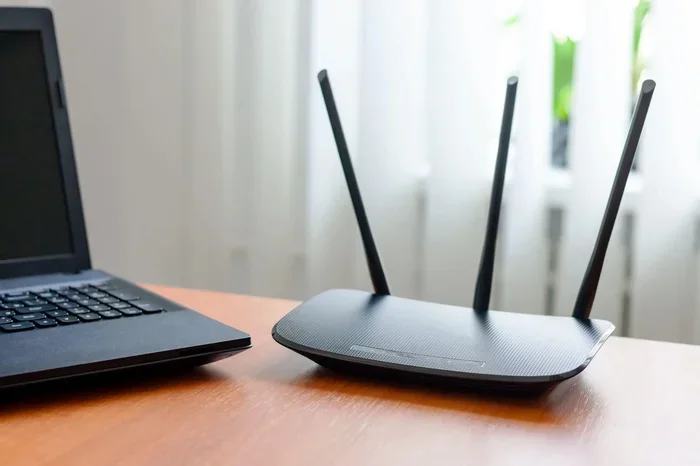
Having an iPhone that supports WiFi 6E is only half the equation. You also need a WiFi 6E router to take advantage of this technology. If your router only supports WiFi 6 or WiFi 5, your iPhone will still connect, but it will not use the 6GHz band. You will not get the faster speeds or lower latency that WiFi 6E offers.
What to Look for in a WiFi 6E Router
Not all routers are created equal. If you are shopping for a WiFi 6E router, here are some things to keep in mind:
- Tri-band support — A tri-band router broadcasts on 2.4GHz, 5GHz, and 6GHz. This is essential for WiFi 6E.
- WiFi 6E certification — Look for the WiFi 6E certification logo. This ensures the router meets the official standard.
- Good range and coverage — The 6GHz band has a shorter range than 2.4GHz and 5GHz. Make sure your router has strong coverage for your home size.
- Enough Ethernet ports — If you have smart home devices or a gaming console, make sure the router has enough wired connections.
- Easy setup and management — Look for a router with a user-friendly app for managing your home network.
Some popular WiFi 6E routers on the market include models from brands like ASUS, Netgear, TP-Link, and Linksys. Prices vary, but you can find solid WiFi 6E routers at reasonable price points now. As the technology becomes more common, prices will continue to drop.
Do You Really Need a WiFi 6E Router?
This depends on your situation. If you have an iPhone 15 Pro or iPhone 15 Pro Max and you care about wireless performance, a WiFi 6E router is a smart investment. But if you have an older iPhone or a basic home setup, a standard WiFi 6 router might be all you need. Think about your usage. Do you stream a lot of 4K content? Do you game online? Do you have many devices competing for bandwidth? If yes, WiFi 6E is worth considering.
iPhone WiFi 6E Performance: What to Expect in Real-World Use
Theoretical speeds and real-world speeds are often different. So what can you actually expect when using WiFi 6E on your iPhone in everyday life?
In ideal conditions — close to the router with a clear line of sight — WiFi 6E can deliver speeds well above 1Gbps. That is fast enough to download a full HD movie in seconds. For streaming, you can run multiple 4K streams on the same network without any buffering. For gaming, the low latency makes a real difference in competitive online games.
However, the 6GHz band has a shorter range than the 5GHz band. Walls, floors, and distance can reduce your signal strength. This means WiFi 6E works best in smaller spaces or when you are relatively close to the router. If you have a large home, you might need a mesh WiFi 6E system to get full coverage.
Another thing to keep in mind is that not all internet plans can deliver the speeds WiFi 6E is capable of. If your internet plan only gives you 200Mbps, a WiFi 6E connection will not make your internet faster than 200Mbps. The wireless speeds are limited by your ISP plan. But WiFi 6E ensures you are getting the most out of the speed you are already paying for.
Quick Tips for Getting the Best WiFi 6E Performance on Your iPhone
- Place your WiFi 6E router in a central location in your home.
- Keep your iPhone updated to the latest iOS version for the best WiFi performance.
- Use the 6GHz band for high-bandwidth tasks like streaming and downloads.
- Reduce interference by keeping your router away from microwaves and other electronics.
- Restart your router regularly to keep the connection fresh and stable.
- Check your router settings to make sure WiFi 6E is enabled and set as the preferred band.
Common Mistakes People Make with WiFi 6E
There are a few common mistakes that people make when trying to use WiFi 6E. Avoiding these pitfalls will help you get the most out of your setup.
Mistake 1: Thinking any iPhone supports WiFi 6E. Only the iPhone 15 Pro and iPhone 15 Pro Max support WiFi 6E. If you have a different model, you do not have this feature.
Mistake 2: Not having a WiFi 6E router. Without a WiFi 6E router, your iPhone cannot access the 6GHz band. You need both the phone and the router to support WiFi 6E for the full experience.
Mistake 3: Expecting WiFi 6E to fix slow internet. WiFi 6E improves your local wireless connection, but it does not increase your internet speed from your ISP. If your internet plan is slow, WiFi 6E will not change that.
Mistake 4: Ignoring router placement. Even the best WiFi 6E router will underperform if it is hidden in a closet or placed far from where you use your iPhone. Placement matters a lot for wireless performance.
Mistake 5: Overlooking device compatibility. Not all your smart home devices or peripherals support WiFi 6E. Your iPhone can connect to them on the 5GHz or 2.4GHz bands, but they will not benefit from the 6GHz speeds.
Expert Insights on iPhone WiFi 6E and Wireless Connectivity
We spoke with networking experts about the significance of WiFi 6E support on iPhones. Here is what they had to say.
“WiFi 6E is a game-changer for wireless connectivity in dense environments,” says one network engineer. “The 6GHz band gives you a clean highway that is not shared with older devices. For iPhone users who have a WiFi 6E router, the difference in speed and reliability is immediately noticeable.”
Another expert adds that “the real value of WiFi 6E on iPhones is in the experience. Lower latency means smoother FaceTime calls, better online gaming, and faster file transfers. It is not just about speed — it is about consistency and reliability.”
These insights reinforce the idea that WiFi 6E is not just a spec sheet number. It is a technology that improves your daily wireless experience in tangible ways.
The Future of iPhone WiFi Support
What does the future hold for WiFi on iPhones? Apple has been steadily improving wireless connectivity with each generation. WiFi 6E on the iPhone 15 Pro and iPhone 15 Pro Max is a clear sign that Apple is investing in the latest wireless standards. Looking ahead, we can expect WiFi 7 support on future iPhone models, probably starting with the iPhone 16 Pro and iPhone 16 Pro Max in 2025.
WiFi 7 promises even faster speeds, lower latency, and better efficiency than WiFi 6E. It uses wider channels and advanced modulation techniques to push wireless performance to new heights. If you are an Apple user who cares about staying ahead of the curve, keeping an eye on WiFi support is a smart move.
For now, WiFi 6E is the cutting edge of wireless technology for iPhones. It is a feature that sets the iPhone 15 Pro and iPhone 15 Pro Max apart from the rest of the lineup. And as WiFi 6E routers become more common and affordable, the value of this feature will only grow.
Conclusion
So, do any iPhones support WiFi 6E? Yes, the iPhone 15 Pro and iPhone 15 Pro Max do. These two models are the only iPhones with WiFi 6E support as of 2024. This technology opens up the 6GHz band for faster wireless speeds, lower latency, and better network performance in crowded environments.
If you have one of these iPhones and a WiFi 6E router, you are set to enjoy the best wireless experience available today. The difference in speed and responsiveness is real and noticeable. And even if you do not have a WiFi 6E router yet, having an iPhone that supports it means you are ready for the future of wireless connectivity.
For everyone else, there is no shame in sticking with WiFi 6. Most people will not notice a dramatic difference in everyday use. But if you are a power user, a gamer, or someone who values top-tier wireless performance, WiFi 6E on the iPhone 15 Pro and iPhone 15 Pro Max is a feature worth appreciating.
The world of wireless connectivity is moving fast. Staying informed about what your devices can do — and what they cannot — helps you make smarter buying decisions. Now you know exactly where iPhone WiFi 6E stands, and you are better equipped to decide if it matters for your setup.
Frequently Asked Questions
Do All iPhone 15 Models Support WiFi 6E?
No, only the iPhone 15 Pro and iPhone 15 Pro Max support WiFi 6E. The regular iPhone 15 and iPhone 15 Plus use WiFi 6, which does not include the 6GHz band. Always check the specific model before assuming WiFi 6E support.
Can I Use WiFi 6E Without a WiFi 6E Router?
No, you need a WiFi 6E router to access the 6GHz band. Without a WiFi 6E router, your iPhone will connect using the 5GHz or 2.4GHz bands instead, which means you will not get the full WiFi 6E experience.
Is WiFi 6E Worth It for iPhone Users?
WiFi 6E is worth it if you have a compatible iPhone and a WiFi 6E router. It offers faster wireless speeds, lower latency, and better performance in crowded networks. For heavy streamers, online gamers, and power users, the improvement is noticeable and meaningful.
Will the iPhone 16 Support WiFi 6E?
The iPhone 16 Pro and iPhone 16 Pro Max are expected to support WiFi 6E, just like the iPhone 15 Pro models. It is also possible that Apple will extend WiFi 6E to more iPhone 16 models, but this has not been confirmed yet. Stay tuned for official announcements from Apple.
What Is the Difference Between WiFi 6 and WiFi 6E?
WiFi 6E is an extended version of WiFi 6 that adds the 6GHz wireless band. WiFi 6 operates on 2.4GHz and 5GHz bands, while WiFi 6E adds a third band at 6GHz. This extra band provides more channels, less congestion, and faster speeds for compatible devices.
Does WiFi 6E Drain My iPhone Battery Faster?
WiFi 6E is designed to be efficient, so it should not drain your battery significantly faster than WiFi 6. In fact, because WiFi 6E can handle data more efficiently and with less interference, it may actually help conserve battery in some situations by reducing the time your phone spends searching for a strong signal.