Can You Have Wi Fi Without Cell Service In Remote Areas
Yes, you can have Wi-Fi without cell service. Many people assume they need a cellular plan to access the internet, but that is not true. There are multiple ways to set up Wi-Fi without cell service, even in the most remote locations. From satellite internet to portable hotspots, the options are real and affordable. This guide walks you through every method so you can stay connected no matter where you are.
Have you ever found yourself in a beautiful remote location, surrounded by mountains or forests, only to realize you have no cell signal? It is a frustrating feeling. But here is the good news: can you have Wi-Fi without cell service? The answer is a resounding yes. You do not need a cellular plan or cell tower nearby to get online. There are many ways to set up Wi-Fi without cell service, and this article will show you exactly how.
Whether you are a remote worker, an outdoor enthusiast, or someone living in a rural area with poor cellular coverage, staying connected is possible. The key is knowing which tools and methods work best for your situation. In this guide, we will explore every practical option available today. You will learn about devices, setups, and smart strategies that make offline connectivity a reality.
Let us dive in and break down everything you need to know about getting Wi-Fi without cell service in remote locations.
Key Takeaways
- Wi-Fi works independently of cell service: You can access the internet without any cellular coverage using the right tools and setup.
- Satellite internet is a game-changer for remote areas: Services like Starlink bring reliable Wi-Fi to even the most isolated locations on Earth.
- Portable hotspots and offline routers give you flexibility: These devices let you create your own Wi-Fi network anywhere, anytime.
- Public Wi-Fi and community networks are free options: Libraries, cafes, and local hubs often offer internet access without a cell plan.
- Preparation is key to staying connected: Planning ahead with the right devices and offline apps ensures you never lose access.
- Common mistakes are easy to avoid: Simple errors like poor satellite placement or ignoring offline content can block your connection.
📑 Table of Contents
- What Does It Mean to Have Wi-Fi Without Cell Service?
- How Wi-Fi Works Without Cellular Coverage
- Ways to Get Wi-Fi Without Cell Service
- Best Devices for Offline Wi-Fi Connectivity
- Common Mistakes That Block Your Wi-Fi Access
- Expert Tips for Staying Connected Anywhere
- The Bottom Line on Wi-Fi Without Cell Service
What Does It Mean to Have Wi-Fi Without Cell Service?
How Wi-Fi and Cellular Data Differ
Many people confuse Wi-Fi with cellular data. They think the two are the same thing. They are not. Cellular data relies on cell towers. Your phone connects to a nearby tower to access the internet. When there are no towers around, you lose your data connection. That is what happens in a cellular dead zone.
Wi-Fi, on the other hand, uses radio waves to connect devices to a local network. A router or access point sends out a signal. Devices nearby can connect to that signal. This process does not need cell towers at all. It works completely on its own.
So when we talk about can you have Wi-Fi without cell service, we are talking about creating or accessing a local network that does not depend on cellular towers. This opens up a lot of possibilities for people in remote areas.
Why People Need Wi-Fi in Remote Areas
There are many reasons people need internet without provider access in remote places. Remote work has changed everything. More people are working from cabins, RVs, and rural homes. They need a reliable remote work internet setup to do their jobs.
Travelers and campers also need offline access for navigation, safety, and entertainment. Even in the wilderness, having a way to check weather reports or send an emergency message can be a lifesaver.
Students and researchers in rural areas may not have access to broadband. They need alternative ways to connect for schoolwork and studies. The demand for rural internet solutions is growing every year.
How Wi-Fi Works Without Cellular Coverage
The Role of Wi-Fi Routers and Access Points
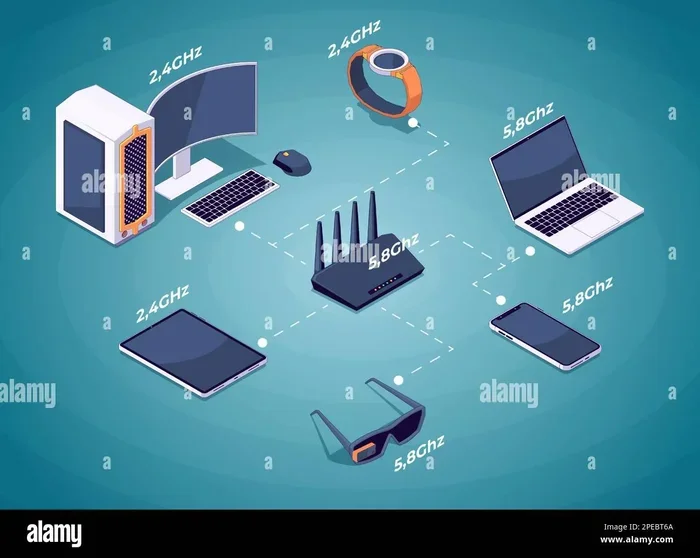
A Wi-Fi router is the heart of any wireless network. It sends out a radio signal that devices can connect to. But here is the important part: a router does not need a cell tower to work. It needs an internet source. That source can come from many places, not just a cellular connection.
For example, a router can connect to a satellite dish. It can connect to a fiber-optic cable. It can even connect to another Wi-Fi network. As long as the router has an internet source, it can broadcast a Wi-Fi signal to nearby devices.
This is why can you have Wi-Fi without cell service is such an important question. The answer lies in understanding that Wi-Fi is just the delivery method. It is not the source of the internet itself.
Offline Wi-Fi Networks Explained
An offline Wi-Fi network is a local network that does not connect to the wider internet. You can set one up with a router and a few devices. This is useful for file sharing, printing, or streaming content stored locally.
Some people set up offline Wi-Fi networks in cabins or remote offices. They load content onto a local server or hard drive. Then they connect their devices to the network. This gives them offline connectivity for entertainment and work without any internet provider at all.
This concept is different from having internet access. But it is still a form of Wi-Fi that works without cell service. It is a great option for people who do not need constant internet but want a local network.
Ways to Get Wi-Fi Without Cell Service
Now that you understand the basics, let us look at the practical ways to get Wi-Fi without cell service. There are several methods, each with its own strengths. Let us break them down.
Satellite Internet Options
Satellite internet is one of the best solutions for remote work internet in areas with no cell coverage. Services like Starlink, HughesNet, and Viasat beam internet from space to a dish on your property. You do not need cell towers. You do not need a phone plan. You just need a clear view of the sky.
Starlink, in particular, has changed the game for rural and remote users. It offers fast speeds and low latency. Many people in rural internet areas have switched to satellite because it simply works where nothing else does.
Quick Tip: If you are considering satellite internet, check for any data caps. Some plans limit your usage. Choose a plan that fits your needs.
Portable Wi-Fi Hotspots
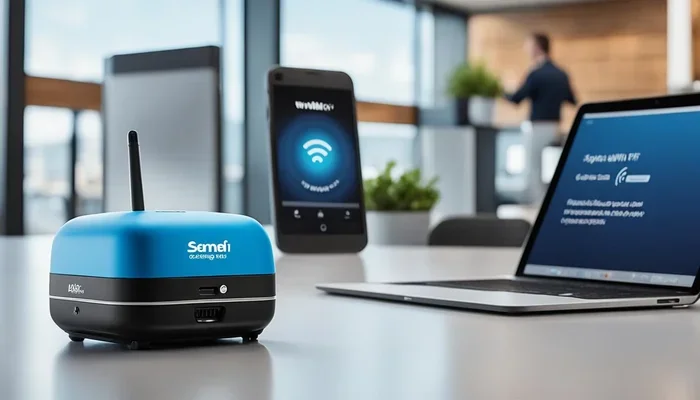
A portable Wi-Fi hotspot is a small device that creates a Wi-Fi network. Some hotspots use satellite data. Others use a SIM card with a data plan. But here is the key: you can use a hotspot without relying on cell service if you choose the right type.
For example, a satellite hotspot connects to orbiting satellites. It does not need any cell towers. This makes it perfect for offline connectivity in remote areas. You can carry it in your backpack and set up Wi-Fi anywhere.
Quick Tip: Look for hotspots that support multiple devices. This way, your whole family or team can connect at once.
Public Wi-Fi and Community Networks
Not everyone thinks about public Wi-Fi when they are in remote areas. But many rural towns, campgrounds, and visitor centers offer free Wi-Fi. Libraries are another great resource. They often have free internet access for the public.
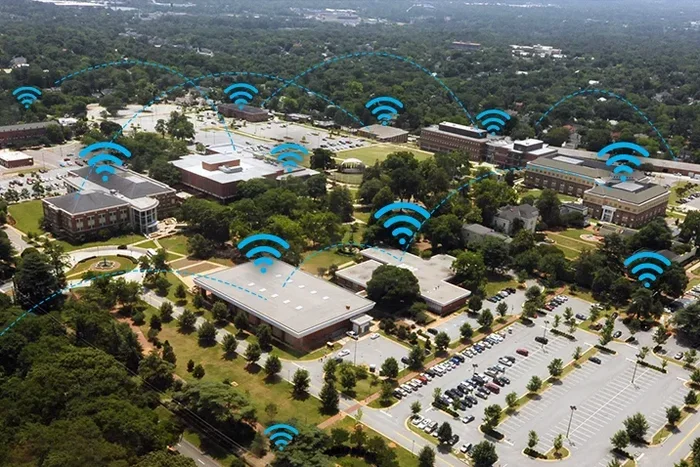
Community networks are also growing in popularity. These are local networks built by residents or organizations. They provide broadband alternative options for areas that lack traditional internet infrastructure. Some communities have set up their own mesh network systems to share internet across a wide area.
Expert Insight: Community mesh networks are one of the most underrated solutions for rural connectivity. They allow users to share a single internet connection across many nodes. This extends the range without needing cell service.
Tethering and Alternative Hotspot Methods
Tethering is when you share your device’s internet connection with other devices. Normally, tethering uses cellular data. But you can also tether using Wi-Fi or Bluetooth from a satellite-connected device. This gives you a way to share internet without provider access across multiple devices.
Some people use a technique called Wi-Fi calling over Wi-Fi networks to stay in touch without cellular service. This works when you have access to a Wi-Fi network but no cell signal. It is a smart workaround for communication in remote areas.
Best Devices for Offline Wi-Fi Connectivity
Choosing the right device makes all the difference when you want Wi-Fi without cell service. Here are some of the best options available today.
Comparison Table of Devices
| Device Type | Best For | Needs Cell Service? | Average Cost |
|---|---|---|---|
| Satellite Internet (Starlink) | Permanent remote setup | No | $599 + $120/month |
| Portable Satellite Hotspot | Travel and camping | No | $400-$700 + plan |
| Mobile Hotspot (Wi-Fi only) | Short-term offline use | No | $50-$150 |
| Wi-Fi Extender / Repeater | Boosting existing signal | No | $20-$80 |
| Mesh Wi-Fi System | Large area coverage | No | $100-$400 |
| Portable Router with SD Card | Offline content sharing | No | $30-$60 |
What to Look For in a Device
When shopping for devices that support Wi-Fi without cell service, keep these factors in mind:
- Connectivity options: Does the device support satellite, Wi-Fi, or Ethernet? The more options, the better.
- Battery life: If you are off the grid, battery life matters a lot. Look for devices that last 8+ hours.
- Number of devices: Make sure the device can handle all the gadgets you need to connect.
- Portability: If you are traveling, choose lightweight and compact options.
- Setup ease: Some devices are plug-and-play. Others require technical knowledge. Choose based on your comfort level.
A Wi-Fi extender or Wi-Fi repeater is a great budget option. It takes an existing Wi-Fi signal and boosts it. This is useful when you are near a Wi-Fi source but the signal is weak. It does not need cell service at all.
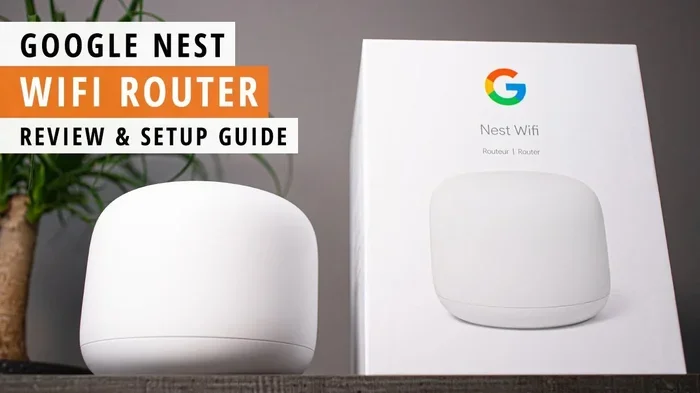
For larger areas, a mesh network system is ideal. It uses multiple nodes to spread Wi-Fi coverage across a wide space. This is perfect for large properties, cabins, or campgrounds.
Common Mistakes That Block Your Wi-Fi Access
Many people try to set up Wi-Fi without cell service and run into problems. These mistakes are easy to avoid if you know what to watch for.
Assuming All Hotspots Need Cell Service
The biggest mistake is assuming that every hotspot requires a cell connection. Many portable hotspots work with satellite data or offline content. You do not always need a cell plan. Before you buy a device, check what connectivity options it supports.
Ignoring Line of Sight for Satellite
If you are using satellite internet, a clear view of the sky is essential. Trees, mountains, and buildings can block the signal. Many people set up their satellite dish in a shaded area and wonder why the connection is poor. Always choose a location with a clear line of sight to the sky.
Overlooking Offline Content Options
Not every situation requires live internet. Many people forget about offline content. You can download maps, movies, books, and work files ahead of time. Then you can access them over a local offline Wi-Fi network without any internet connection at all.
Quick Tips to Avoid These Mistakes:
- Always check your device’s connectivity options before purchasing.
- Test your setup in advance before heading to a remote location.
- Download offline content whenever you have access to Wi-Fi or cell service.
- Keep backup devices charged and ready to go.
- Read reviews from other users in similar remote situations.
Expert Tips for Staying Connected Anywhere
Preparing Before You Go Remote
Going remote without cell service takes preparation. Start by mapping out your connectivity options at your destination. Is there a public Wi-Fi network nearby? Will you have access to a satellite dish? Knowing your options ahead of time saves a lot of frustration.
Expert Insight: Experienced remote workers recommend testing your setup at home before you travel. Set up your satellite dish or portable hotspot in your backyard. Make sure everything works. Then you can troubleshoot any issues before you are truly off the grid.
Also, invest in a good signal booster if you have any cell signal at all. A booster can amplify a weak signal into usable data. This is a great bridge solution when you are on the edge of a cellular dead zone.
Tools and Apps for Offline Access
There are many tools and apps designed for offline access. Google Maps allows you to download offline maps. You can navigate without any internet connection. This is incredibly useful for hikers and travelers.
Apps like Evernote, Google Docs, and Notion allow you to download documents for offline editing. You can work on your laptop or phone without being connected to the internet. Then sync your changes when you get back to a network.
For entertainment, apps like Netflix and Spotify let you download content for offline viewing and listening. This means you can enjoy your favorite shows and music anywhere, even without Wi-Fi without cell service.
Quick Tip: Before heading to a remote area, download all the content you will need. This includes maps, documents, movies, and music. It is much better to have it and not need it than the other way around.
Building Your Own Offline Network
If you want full control over your offline connectivity, consider building your own offline network. You need a router, a device with content (like a laptop or hard drive), and a Wi-Fi-enabled device to connect to it.
Set up your router in offline mode. This creates a local network without internet access. You can share files, stream downloaded content, and even play games together. It is a great way to stay entertained and productive without any external internet source.
Some people use a portable router with an SD card loaded with movies, music, and documents. Multiple devices can connect and access the content. This is a popular setup for remote cabins and RV trips.
The Bottom Line on Wi-Fi Without Cell Service
So, can you have Wi-Fi without cell service? Absolutely. The technology exists, and it is more accessible than ever. Whether you choose satellite internet, a portable hotspot, or a simple offline network, you have options.
The key is to understand your needs. Are you working remotely? Choose satellite internet. Are you camping for a weekend? A portable hotspot or offline router will do. Do you just need to share files locally? Build an offline network.
Living or traveling in remote areas does not mean you have to be disconnected. With the right devices and a little planning, Wi-Fi without cell service is not just possible. It is practical and affordable. Start exploring your options today, and never let a poor cell signal keep you from staying connected.
Frequently Asked Questions
Can I use Wi-Fi in a remote area without any internet provider?
Yes, you can use Wi-Fi without an internet provider by setting up an offline network or using satellite-based devices. A portable router with downloaded content can create a local Wi-Fi network. Satellite hotspots like Starlink also provide internet without traditional providers. These options work great in areas with no cell service or broadband access.
Is satellite internet better than cellular data for remote areas?
Satellite internet is often better for remote areas because it does not rely on cell towers. It works anywhere with a clear view of the sky. Cellular data needs nearby towers, which may not exist in remote locations. Satellite options like Starlink offer fast speeds and wide coverage for rural and off-grid users.
Can I use my phone as a Wi-Fi hotspot without cell service?
Normally, a phone hotspot uses cellular data. However, you can use your phone as a Wi-Fi hotspot if it is connected to a satellite internet source or an offline network. Some phones also support offline Wi-Fi direct connections for file sharing without any internet source. Check your phone settings for Wi-Fi hotspot and tethering options.
What is the cheapest way to get Wi-Fi without cell service?
The cheapest option is a portable Wi-Fi router with offline content or a used satellite hotspot. You can also access free public Wi-Fi at libraries, campgrounds, and community centers. A basic Wi-Fi extender can boost an existing signal without a cell plan. These low-cost options make connectivity possible without a cellular subscription.
Do mesh Wi-Fi systems work without cell service?
Yes, mesh Wi-Fi systems work without cell service. They create a local wireless network using multiple nodes. You just need a modem or internet source connected to one node. The system spreads the signal across your property. Many people use mesh systems with satellite or offline internet sources for full coverage in remote areas.
How do I stay connected when there is no cell service or Wi-Fi available?
When there is no cell service or Wi-Fi, satellite internet is your best bet. Devices like Starlink provide internet from space. You can also download offline content ahead of time and use a local offline network. For emergencies, consider a satellite messenger device like Garmin inReach. These tools keep you connected even in the most remote locations.