Can Iphone Be Used As A Bluetooth Receiver And More
Yes, your iPhone can function as a Bluetooth receiver, allowing you to stream audio from other devices to your phone and out through its speakers or connected headphones. While iOS does not offer a native Bluetooth receiver mode like some dedicated adapters, workarounds and third-party apps make it possible. This guide walks you through every method, limitation, and pro tip for using your iPhone as a Bluetooth receiver in 2024.
Key Takeaways
- iPhone can act as a Bluetooth receiver: You can accept audio streams from other devices using specific apps and workarounds.
- No native receiver mode exists: iOS is designed as a Bluetooth sender by default, so you need extra tools to flip the roles.
- Third-party apps are essential: Apps like Bluetooth Receiver for iPhone make the process simple and practical.
- Latency and range matter: Expect slight delays and keep devices within 30 feet for best results.
- Multiple use cases exist: From presentations to car audio, the possibilities are surprisingly versatile.
- Check your iPhone model: Older models may have limited Bluetooth compatibility or performance.
📑 Table of Contents
- Can Iphone Be Used As A Bluetooth Receiver
- How Bluetooth Receiver Mode Works on iPhone
- How To Set Up Your Iphone As a Bluetooth Receiver
- Creative Use Cases for iPhone Bluetooth Receiver
- Limitations You Should Know About
- Tips for Better Bluetooth Receiver Performance
- iPhone Bluetooth Receiver vs Dedicated Bluetooth Receiver Devices
- Common Mistakes to Avoid
- Conclusion
Can Iphone Be Used As A Bluetooth Receiver
You have probably wondered whether your iPhone can be used as a Bluetooth receiver. Maybe you want to play music from your laptop through your iPhone speakers. Or perhaps you need a wireless audio solution for a presentation. Whatever the reason, the answer is more nuanced than a simple yes or no.
The short answer is yes. Your iPhone can work as a Bluetooth receiver with the right setup. However, Apple does not build a native receiver mode into iOS. This means you need a little creativity and the right tools to make it happen. Let us break down everything you need to know about iPhone Bluetooth receiver functionality.
Bluetooth technology has come a long way since its early days. Today, it powers wireless headphones, car audio systems, smart speakers, and much more. Most people use their phones as the Bluetooth sender that pushes audio outward. But flipping that role is entirely possible with an iPhone. This opens up a world of wireless audio streaming possibilities that many users overlook.
In this article, we will explore every method, limitation, and practical tip for turning your iPhone into a Bluetooth receiver. Whether you are a tech enthusiast or a casual user, you will find actionable steps that work right away.
What Exactly Is a Bluetooth Receiver
A Bluetooth receiver is a device that accepts an audio signal from another Bluetooth source. Think of it as the opposite of a transmitter. Your phone usually acts as a sender. It pushes music to your wireless headphones or speakers. A receiver does the reverse. It pulls audio in from another device.
Common Bluetooth receiver devices include dedicated adapters, car kits, and wireless speakers. These gadgets sit idle until they detect an incoming signal. Once paired, they play the audio through their own speakers or output jack. Your iPhone can fill this role with the correct configuration.
The beauty of using an iPhone as a receiver is that you already own the hardware. You do not need to buy an extra gadget. You just need to unlock the hidden capability that iOS does not advertise openly.
How Bluetooth Receiver Mode Works on iPhone
Understanding how Bluetooth receiver mode functions on an iPhone helps you set it up correctly. iOS uses a protocol stack that prioritizes sending audio over receiving it. This design choice makes sense for most users. But it limits the receiver functionality out of the box.
When your iPhone is in normal mode, it searches for Bluetooth devices to connect to. It looks for headphones, speakers, and car systems. It does not typically advertise itself as a source for other devices to connect to. To change this behavior, you need to use specific apps or accessories that create a virtual Bluetooth receiver profile on your phone.
The Bluetooth protocol supports both sender and receiver roles. This is called a dual-mode capability. Most smartphones, including the iPhone, are dual-mode devices. They can send and receive signals. The limitation comes from software, not hardware. Apple restricts the receiver mode to maintain a smooth user experience and prevent conflicts with existing audio routing.
The Role of Bluetooth Profiles
Bluetooth profiles define what a device can do. The most common profile is A2DP, which handles high-quality audio streaming. Another profile, AVRCP, controls playback functions like play and pause. For iPhone Bluetooth receiving, the key profile is the Hands-Free Profile or a custom audio sink profile.
Third-party apps create a virtual audio sink on your iPhone. This tricks the system into accepting incoming audio streams. The app essentially builds a bridge between the incoming Bluetooth signal and your phone’s audio output. This process happens in real time with minimal delay.
How To Set Up Your Iphone As a Bluetooth Receiver
Setting up your iPhone as a Bluetooth receiver is straightforward. You will need a compatible app and a device that sends audio via Bluetooth. Follow these steps to get started.
Step 1: Check your iPhone compatibility. Most iPhone models from the iPhone 6s onward support the necessary Bluetooth versions. Go to Settings and tap General, then About, then Bluetooth. Your version should be 4.0 or higher. Newer models like the iPhone 12, 13, 14, and 15 offer even better Bluetooth connectivity and range.
Step 2: Download a Bluetooth receiver app. Search the App Store for Bluetooth receiver apps. Popular options include Bluetooth Receiver for iPhone, Airfoil, and TwonkyBeam. These apps create the virtual receiver profile your phone needs. Some are free, while others require a small one-time purchase.
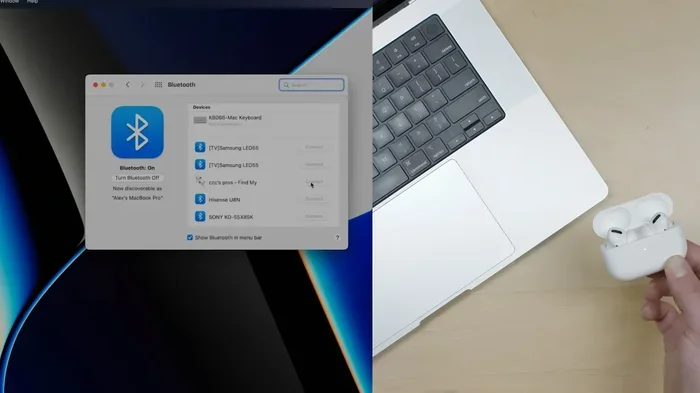
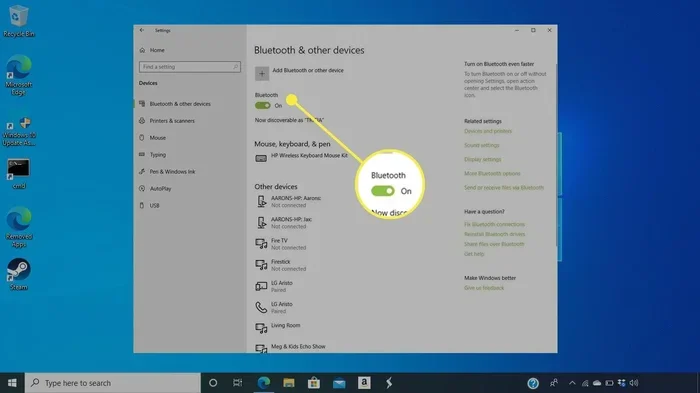
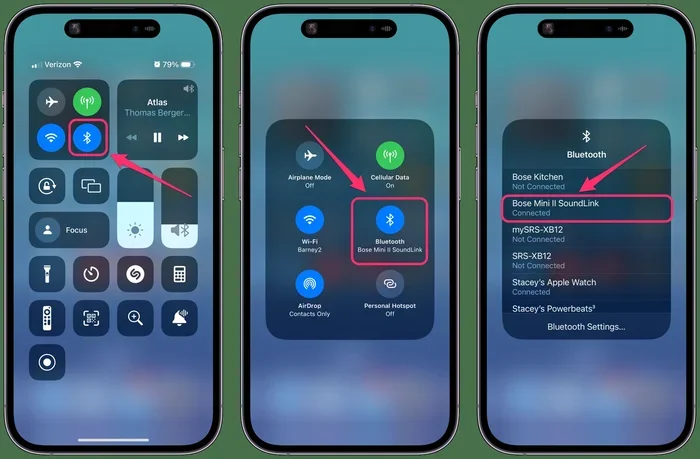
Step 3: Enable Bluetooth and pair the devices. Open your iPhone Settings and turn on Bluetooth. Put the sending device into pairing mode. The receiver app should detect the sender automatically. Tap to pair and confirm the connection.
Step 4: Test the audio stream. Play audio from the sending device. You should hear it through your iPhone speakers or connected headphones. Adjust the volume on both devices for the best balance.
For users who also manage phone number customization, you might find our guide on adding prefixes to numbers on iPhone helpful for organizing your contacts alongside your new Bluetooth setup.
Best Apps for iPhone Bluetooth Receiving
Not all apps are created equal. Here are the top options for turning your iPhone into a Bluetooth receiver:
- Bluetooth Receiver for iPhone: Simple and effective. It creates a virtual Bluetooth sink with minimal setup. Great for beginners.
- Airfoil: A premium option that supports multi-device streaming. You can route audio from multiple sources to your iPhone simultaneously.
- TwonkyBeam: Best for streaming from smart devices and media servers. It works well for home audio setups.
- Boomplay: While primarily a music app, it supports Bluetooth input in certain configurations.
Creative Use Cases for iPhone Bluetooth Receiver
Once your iPhone is set up as a Bluetooth receiver, the possibilities expand quickly. Here are some practical and creative ways to use this feature in everyday life.
Use It for Presentations
Do you give presentations at work or school? You can use your iPhone as a Bluetooth receiver to pull audio from a laptop or tablet. This works great for video presentations where you need sound from a secondary device. Simply pair the devices and play the audio through your iPhone speakers or a connected Bluetooth speaker.
Stream Music from Non-Apple Devices
Your iPhone works beautifully with Apple devices through AirPlay. But what about Android phones or Windows laptops? Using a Bluetooth receiver app, you can stream music from any device to your iPhone. This is perfect for parties or shared listening sessions where everyone uses different devices.
Car Audio Without AUX
Older cars without Bluetooth or AUX jacks can still play audio from your iPhone. Set up your phone as a Bluetooth receiver and pair it with a Bluetooth transmitter in the car. The transmitter sends audio from the car stereo to your phone, and your phone plays it back. This creates a wireless loop that fills your car with music.
Home Audio Setup
Create a multi-room audio system using multiple iPhones as Bluetooth receivers. Each phone connects to a different audio source and plays in a different room. This is a budget-friendly alternative to expensive multi-room speaker systems.
Limitations You Should Know About
While using your iPhone as a Bluetooth receiver is powerful, it comes with some important limitations. Understanding these helps you set realistic expectations.
Latency and Delay
Bluetooth latency is the biggest challenge. There is always a slight delay between the audio being sent and received. For music, this is barely noticeable. For video, it can create an annoying lip-sync issue. If you plan to use your iPhone for video audio, test the delay first.
Range Limitations
Bluetooth range on an iPhone typically maxes out at about 30 feet. Walls and obstacles reduce this distance. If you move too far from the sending device, the audio will cut out. Keep the devices close for a stable connection.
Battery Drain
Running a Bluetooth receiver in the background drains your iPhone battery faster than normal use. The constant scanning and audio processing requires extra power. Keep your phone plugged in during extended use sessions.
Audio Quality Constraints
Bluetooth audio quality depends on the codec being used. SBC is the default and offers decent quality. AAC provides better sound on Apple devices. But neither matches the quality of a wired connection. If you are an audiophile, you may notice a difference in audio fidelity when using the receiver mode.
App Compatibility Issues
Not all Bluetooth receiver apps work perfectly with every iPhone model or iOS version. Some apps may crash or fail to pair with certain devices. Always check reviews and compatibility before committing to an app. Update your iOS regularly to ensure the best Bluetooth connectivity.
If you ever run into technical troubleshooting beyond Bluetooth, remember that even simple tasks like fixing a stubborn line in a spreadsheet can be tricky. Check out our guide on fixing a line that won’t delete in Microsoft Excel for helpful tips on resolving stubborn digital issues.
Tips for Better Bluetooth Receiver Performance
Want to get the most out of your iPhone Bluetooth receiver setup? Follow these practical tips to improve performance and reliability.
Keep Your iPhone Updated
Apple regularly improves Bluetooth performance through iOS updates. Always install the latest version to benefit from bug fixes and new features. Updates also ensure compatibility with the newest Bluetooth devices.
Minimize Interference
Wi-Fi signals, microwaves, and other Bluetooth devices can interfere with your connection. Keep your iPhone away from crowded wireless environments for a cleaner signal. Switching your Wi-Fi band to 5GHz can also reduce interference.
Use a Dedicated Bluetooth Transmitter
If you are sending audio from a non-Bluetooth source like a TV or desktop computer, use a Bluetooth transmitter. These small adapters plug into audio outputs and create a wireless Bluetooth signal. They pair easily with your iPhone receiver and provide a strong, stable connection.
Reset Bluetooth Settings When Needed
If your iPhone Bluetooth receiver stops working, try resetting your Bluetooth settings. Go to Settings, then General, then Reset, then Reset Network Settings. This clears all Bluetooth pairings and starts fresh. You will need to re-pair your devices, but it often fixes connection issues.
Close Background Apps
Other apps running in the background can compete for Bluetooth resources and cause audio stuttering. Close unnecessary apps before starting your receiver session. This frees up memory and processing power for smoother audio playback.
iPhone Bluetooth Receiver vs Dedicated Bluetooth Receiver Devices
You might wonder whether using your iPhone is better than buying a dedicated Bluetooth receiver device. Let us compare the two approaches.
| Feature | iPhone as Receiver | Dedicated Bluetooth Receiver |
|---|---|---|
| Cost | Free (uses existing device) | $15 to $50 |
| Setup Complexity | Moderate (requires app) | Simple (plug and play) |
| Audio Quality | Good (depends on iPhone speaker) | Good to excellent (dedicated hardware) |
| Battery Dependency | Yes (drains iPhone battery) | No (often powered by USB) |
| Portability | Excellent (you always carry it) | Good (small but extra device) |
| Multi-Device Support | Limited | Often better |
| Latency | Moderate | Low to moderate |
For most users, using the iPhone as a Bluetooth receiver is the more convenient option. You save money and avoid carrying an extra gadget. However, if you need consistent, high-quality audio for professional use, a dedicated Bluetooth receiver might be the better choice.
Common Mistakes to Avoid
Avoid these common pitfalls when setting up your iPhone Bluetooth receiver:
- Using outdated apps: Old apps may not support the latest iOS versions. Always use updated software.
- Ignoring firmware updates: Both your iPhone and sending device need the latest firmware for optimal performance.
- Overcrowding the Bluetooth menu: Too many paired devices can cause confusion and connection failures. Remove unused pairings regularly.
- Expecting perfect video sync: Bluetooth latency makes video audio sync difficult. Use the receiver mode for music, not video.
- Skipping the test phase: Always test your setup before an important presentation or event. Do not assume everything will work perfectly on the first try.
Conclusion
The answer to can iPhone be used as a Bluetooth receiver is a definitive yes. Your iPhone has the hardware capability to accept Bluetooth audio streams and play them through its speakers or connected headphones. You just need the right apps and a bit of patience to set everything up.
iPhone Bluetooth receiver mode opens up creative possibilities for streaming audio, giving presentations, and building home audio setups. While there are limitations like latency and battery drain, the convenience and cost savings make it a worthwhile experiment for most users.
Start with a free Bluetooth receiver app from the App Store. Test it with your favorite devices. Explore the different use cases we covered in this guide. You might discover a new way to enjoy wireless audio that you never knew was possible with your iPhone.
The world of Bluetooth connectivity is vast and constantly evolving. Your iPhone is more capable than you might think. Embrace the flexibility and make the most of your wireless audio experience today.
Frequently Asked Questions
Can I use my iPhone as a Bluetooth receiver for a TV?
Yes, you can use your iPhone as a Bluetooth receiver for a TV with the right setup. You will need a Bluetooth transmitter connected to your TV’s audio output and a Bluetooth receiver app on your iPhone. The TV sends audio wirelessly to your phone, which plays it through its speakers. Keep in mind that Bluetooth latency may cause a slight delay between video and audio.
Is it free to use my iPhone as a Bluetooth receiver?
The basic setup is free since you already own the iPhone. However, most Bluetooth receiver apps offer free versions with limitations or require a small purchase for full features. Some apps charge a one-time fee of around $5 to $10. Dedicated apps like Airfoil may require a subscription for advanced features.
Why is there a delay when using iPhone as a Bluetooth receiver?
Bluetooth latency is the main cause of audio delay. Bluetooth technology processes and transmits audio data in small packets, which takes time. For music, this delay is usually imperceptible. For video, it can create a noticeable lag between what you see and hear. Using apps optimized for low-latency streaming can reduce this issue significantly.
Can I connect multiple devices to my iPhone Bluetooth receiver at once?
Most Bluetooth receiver apps only support one active connection at a time. However, some premium apps like Airfoil allow you to route audio from multiple sources to your iPhone. The limitation depends on the app you choose and your iPhone model’s Bluetooth capabilities. Check your app’s features for multi-device support details.
Does using iPhone as a Bluetooth receiver drain the battery quickly?
Yes, running Bluetooth receiver mode uses more battery than normal iPhone use. The phone constantly scans for incoming connections and processes audio streams in real time. For extended use, keep your iPhone plugged into a charger. Reducing screen brightness and closing background apps can also help conserve battery during receiver sessions.
Which iPhone models work best as Bluetooth receivers?
iPhone models from the iPhone 6s onward work well as Bluetooth receivers. Newer models like the iPhone 12, 13, 14, and 15 offer the best Bluetooth connectivity with support for Bluetooth 5.0 and above. These newer versions provide faster pairing, better range, and improved audio quality. Older models may work but could experience more connection issues and shorter range.
=== END OF FAQS ===