Can I Use a Dryer Outlet To Charge My Tesla at Home
Yes, you can use a dryer outlet to charge your Tesla at home. A standard 240-volt dryer outlet provides Level 2 charging, which is much faster than a regular wall outlet. With the right adapter and a few simple steps, you can set up a convenient home charging station using your existing dryer outlet.
Key Takeaways
- A dryer outlet works for Tesla charging: A standard 240-volt NEMA 14-50 dryer outlet delivers Level 2 charging speeds.
- Charging speed depends on amperage: Most dryer outlets provide 24-30 amps, adding roughly 20-30 miles of range per hour.
- You need the right adapter: Tesla includes a mobile connector, but you may need a NEMA 14-50 adapter for the dryer outlet.
- Safety matters: Always check your circuit breaker, wiring, and outlet condition before relying on it for daily charging.
- It is not a permanent solution: A dryer outlet works well for temporary or backup charging but has limitations compared to a dedicated Tesla Wall Connector.
- Installation cost is low: Compared to hiring an electrician for a Wall Connector, using your existing dryer outlet saves significant upfront cost.
📑 Table of Contents
- Can I Use a Dryer Outlet To Charge My Tesla at Home?
- What Is a Dryer Outlet and How Does It Work?
- Can You Actually Charge a Tesla with a Dryer Outlet?
- How Fast Can You Charge a Tesla on a Dryer Outlet?
- What You Need to Set Up Dryer Outlet Charging
- Step-by-Step: Setting Up Your Dryer Outlet for Tesla Charging
- Pros and Cons of Using a Dryer Outlet for Tesla Charging
- Is It Safe to Charge Your Tesla from a Dryer Outlet?
- How Much Does It Cost to Charge a Tesla from a Dryer Outlet?
- When Should You Upgrade from a Dryer Outlet to a Wall Connector?
- Final Thoughts
Can I Use a Dryer Outlet To Charge My Tesla at Home?
If you own a Tesla and do not have a dedicated charging station yet, you might wonder about alternative options. One question that comes up a lot is whether a regular dryer outlet can charge your Tesla. The short answer is yes. You can absolutely use a dryer outlet to charge your Tesla at home. It is one of the easiest and most affordable ways to get Level 2 charging without hiring an electrician to install a special outlet.
Using a dryer outlet for Tesla charging is not the same as plugging into a standard 120-volt wall outlet. A dryer outlet provides 240 volts, which means your Tesla charges much faster. Most Tesla owners who use a dryer outlet can add 20 to 30 miles of range every hour. That is enough for most daily driving needs. Let us walk through everything you need to know about using a dryer outlet to charge your Tesla safely and effectively.
In this guide, we will cover how dryer outlet charging works, what equipment you need, how fast it charges, and whether it is safe for long-term use. We will also share practical tips and common mistakes to avoid. Whether you drive a Model 3, Model Y, Model S, or Model X, this guide applies to all Tesla vehicles.
What Is a Dryer Outlet and How Does It Work?
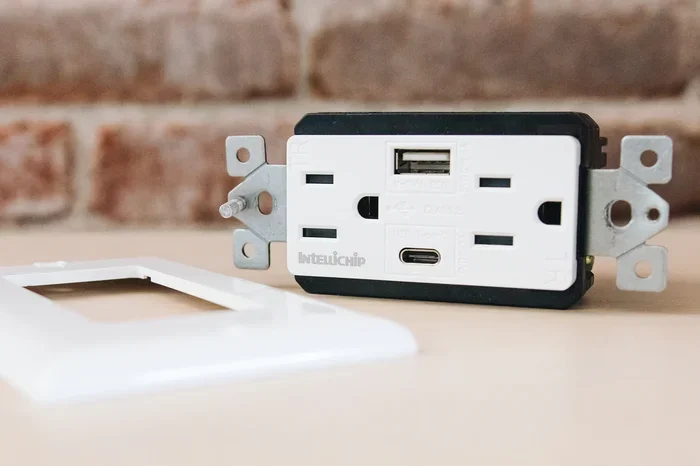
A dryer outlet is a special 240-volt electrical outlet designed for electric clothes dryers. In most homes, you will find a NEMA 14-50 outlet in the laundry room. This outlet has four prongs and can handle up to 50 amps of electrical current. That is a lot more power than a standard 120-volt outlet, which only provides about 12 to 15 amps.
Here is why this matters for Tesla charging. The more voltage and amperage an outlet provides, the faster your car charges. A standard household outlet gives you about 3 to 5 miles of range per hour. A dryer outlet gives you roughly 20 to 30 miles per hour. That is a huge difference, especially if you need to charge overnight.
Most modern homes built after the 2000s have a NEMA 14-50 dryer outlet in the laundry area. Older homes might have a three-prong NEMA 10-30 outlet instead. The type of outlet you have determines what adapter you need and how safe the setup is. Always check your outlet type before plugging in your Tesla.
NEMA 14-50 vs. NEMA 10-30 Outlets
The NEMA 14-50 outlet is the safest and most common option for Tesla charging. It has four prongs: two hot wires, one neutral, and one ground. The NEMA 10-30 outlet is older and has only three prongs. It lacks a dedicated ground wire, which can be a safety concern. If your home has a NEMA 10-30 outlet, consider having an electrician upgrade it to a NEMA 14-50 before using it for Tesla charging.
Can You Actually Charge a Tesla with a Dryer Outlet?
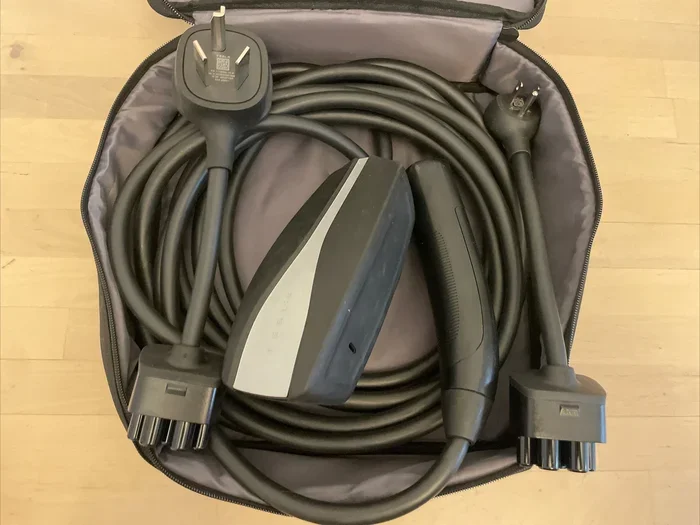
Yes, you can charge a Tesla using a dryer outlet. Tesla vehicles come with a mobile connector in the box. This connector plugs into standard 120-volt outlets, but it also works with 240-volt outlets like the dryer outlet. You will just need the correct adapter.
Tesla includes a NEMA 14-50 adapter with most mobile connectors. If your dryer outlet is a NEMA 14-50, you simply plug the mobile connector into the outlet using the adapter. The Tesla vehicle recognizes the power source and adjusts the charging rate accordingly.
Some Tesla owners also use their dryer outlet for temporary charging when they do not have access to a Wall Connector. It is a great backup option. If you are visiting friends or staying somewhere with only a dryer outlet available, you can still charge your Tesla. For daily home charging, a dryer outlet works well, but it is not the fastest option available.
Does Every Tesla Model Work with a Dryer Outlet?
All Tesla models support charging from a dryer outlet. The Model 3, Model Y, Model S, and Model X all use the same charging port and mobile connector system. The charging speed may vary slightly depending on the battery size and the vehicle’s onboard charger. But in general, every Tesla can charge from a 240-volt dryer outlet without any issues.
How Fast Can You Charge a Tesla on a Dryer Outlet?
Charging speed is one of the most important factors to consider. Nobody wants to wait all night for a full charge. A dryer outlet typically provides between 24 and 30 amps of power, depending on your home’s electrical setup. This translates to roughly 20 to 30 miles of range added per hour of charging.
To put that in perspective, if you plug in your Tesla at 10 PM and wake up at 7 AM, you get about 9 to 10 hours of charging time. That means you could add 180 to 300 miles of range overnight. For most daily commutes and errands, that is more than enough.
Compare this to a standard 120-volt outlet, which adds only about 3 to 5 miles per hour. On a 120-volt outlet, you would only get 27 to 45 miles of range overnight. The dryer outlet is clearly the better choice for home charging.
Factors That Affect Charging Speed
Several factors determine how fast your Tesla charges on a dryer outlet. Your home’s electrical panel capacity matters. If your panel has a 50-amp breaker dedicated to the dryer circuit, you will get the full charging speed. If the circuit shares a breaker or uses thinner wiring, the speed may be lower.
The condition of your wiring also plays a role. Older homes with outdated electrical systems may not deliver full power to the outlet. Temperature can affect charging too. Extreme cold or heat may slightly reduce charging efficiency. Finally, the Tesla model and battery size influence how quickly the car accepts power.
What You Need to Set Up Dryer Outlet Charging
Setting up dryer outlet charging for your Tesla is straightforward. You do not need expensive equipment or professional installation for most setups. Here is what you will need.
- Tesla Mobile Connector: This comes with your Tesla when you purchase the vehicle. It is the cable that plugs into your outlet.
- NEMA 14-50 Adapter: Tesla mobile connectors include this adapter. It allows the connector to plug into a dryer outlet.
- A Working Dryer Outlet: Your outlet must be a NEMA 14-50 type and in good condition.
- A Dedicated Circuit: The dryer outlet should be on its own circuit with a proper circuit breaker.
- Basic Knowledge of Your Electrical Panel: You should know where your breaker box is and how to check the breaker settings.
That is it. You do not need to buy a Tesla Wall Connector or hire an electrician if your dryer outlet is already in good working order. This is what makes dryer outlet charging so appealing. It is affordable and convenient.
Checking Your Outlet Before You Start
Before you plug in your Tesla, take a few minutes to inspect your dryer outlet. Look for any signs of damage, such as scorch marks, loose plugs, or discoloration. Check that the outlet is securely mounted and the prongs fit snugly. You can also use a simple outlet tester to verify the wiring is correct.
If the outlet feels warm to the touch or you notice any burning smell, do not use it for Tesla charging. These are signs of electrical problems that need professional attention. Safety should always come first when dealing with high-power electrical devices.
Step-by-Step: Setting Up Your Dryer Outlet for Tesla Charging
Ready to set up your dryer outlet for Tesla charging? Follow these simple steps to get started.
- Locate your dryer outlet: Find the 240-volt outlet in your laundry area. Make sure it is a NEMA 14-50 outlet with four prongs.
- Turn off the breaker: Before plugging anything in, switch off the circuit breaker for the dryer outlet at your electrical panel.
- Inspect the outlet: Check for damage, loose connections, or wear. Make sure the outlet is clean and dry.
- Plug in the mobile connector: Connect the Tesla mobile connector to the NEMA 14-50 adapter, then plug it into the dryer outlet.
- Turn on the breaker: Switch the breaker back on. You should hear a click.
- Check the Tesla screen: Go to your Tesla touchscreen. The vehicle should recognize the charging source and display the charging status.
- Set your charging preferences: Use the Tesla app or the vehicle screen to set a charging limit. Many owners prefer to charge to 90% for daily use and 100% for long trips.
That is all there is to it. Your Tesla is now charging from your dryer outlet. The process is simple and takes just a few minutes to set up. Once it is working, you can plug in every night and wake up with a full battery.
Tips for Best Results
Plug in your Tesla as soon as you get home. Starting the charge early means your car has more time to charge overnight. Avoid using other high-power appliances on the same circuit while charging. If your dryer and Tesla share the same circuit, the charging speed will drop significantly.
Also, consider the temperature of your charging area. Garages and outdoor outlets may be colder in winter, which can slightly slow charging. If possible, charge in a temperature-controlled space for the best results.
Pros and Cons of Using a Dryer Outlet for Tesla Charging
Like any charging method, using a dryer outlet has advantages and disadvantages. Let us look at both sides so you can make an informed decision.
Pros of Dryer Outlet Charging
- Low cost: You do not need to buy new equipment if you already have a dryer outlet and the Tesla mobile connector.
- Fast enough for daily use: Level 2 charging adds 20 to 30 miles of range per hour, which is plenty for most drivers.
- No electrician needed: If your outlet is already installed, you can start charging right away.
- Portable: The mobile connector is easy to pack and take with you on trips.
- Great backup option: If your Wall Connector goes down, the dryer outlet keeps you charging.
Cons of Dryer Outlet Charging
- Slower than a Wall Connector: A Tesla Wall Connector can deliver up to 48 amps, which is significantly faster than a dryer outlet.
- Shared circuit risk: If someone runs the dryer while you are charging, your charging speed drops.
- Not ideal for large batteries: Tesla vehicles with larger battery packs may take longer to fully charge on a dryer outlet.
- Aging wiring concerns: Older homes may have outlets that are not rated for continuous high-power use.
- Limited amperage: Most dryer outlets max out at 30 amps, while a Wall Connector can use up to 48 amps or more.
Dryer Outlet vs. Tesla Wall Connector: A Quick Comparison
| Feature | Dryer Outlet | Tesla Wall Connector |
|---|---|---|
| Voltage | 240V | 240V |
| Max Amperage | 24-30A | Up to 48A |
| Range Added Per Hour | 20-30 miles | 30-44 miles |
| Installation Cost | Low (existing outlet) | Moderate (requires electrician) |
| Charging Speed | Level 2 | Level 2 (faster) |
| Best For | Backup, temporary, budget charging | Daily primary charging |
As you can see, the dryer outlet is a solid option for many Tesla owners. It may not be as fast as a Wall Connector, but it gets the job done at a fraction of the cost. For most households, a dryer outlet provides more than enough charging power for daily driving.
Is It Safe to Charge Your Tesla from a Dryer Outlet?
Safety is always a top concern when dealing with high-power electrical equipment. The good news is that charging your Tesla from a dryer outlet is safe, as long as your electrical system is in good condition.
Tesla vehicles have built-in safety features that protect against overcharging, overheating, and electrical faults. The mobile connector and adapter are designed to handle the power load safely. Your Tesla will automatically reduce or stop charging if it detects any issues.
However, you should still take precautions. Never use a damaged outlet. Do not use extension cords with your mobile connector. Make sure the circuit breaker is properly sized for the outlet. If you are unsure about your electrical system, have a licensed electrician take a look before you start charging.
One more thing to keep in mind. Do not leave your Tesla charging from a dryer outlet unattended for extended periods if you notice anything unusual, such as a warm outlet or a tripping breaker. These are warning signs that should be addressed immediately.
Common Mistakes to Avoid
- Using a damaged outlet: Never plug into an outlet that shows signs of wear or damage.
- Overloading the circuit: Do not run the dryer and charge your Tesla on the same circuit at the same time.
- Ignoring warning signs: If the outlet sparks, gets hot, or trips the breaker frequently, stop using it and call an electrician.
- Skipping the adapter: Always use the correct NEMA 14-50 adapter. Do not try to force a plug into the wrong outlet.
- Charging in wet conditions: Keep the outlet and connector dry at all times. Water and electricity do not mix.
By following these simple safety tips, you can charge your Tesla from a dryer outlet with confidence. Thousands of Tesla owners do it every day without any problems.
How Much Does It Cost to Charge a Tesla from a Dryer Outlet?
One of the biggest advantages of home charging is the low cost. Charging your Tesla from a dryer outlet at home is significantly cheaper than using public charging stations. The exact cost depends on your local electricity rates, but most Tesla owners pay between $0.12 and $0.20 per kilowatt-hour.
Let us do a quick example. If you need to add 200 miles of range and your Tesla uses about 0.3 kWh per mile, you need about 60 kWh of energy. At $0.15 per kWh, that costs roughly $9. Compare that to a public supercharger, which might cost $0.25 to $0.35 per kWh, and the savings are clear.
Over a month, home charging from a dryer outlet can save you $50 or more compared to relying on public chargers. Over a year, those savings add up to several hundred dollars. It is one of the best financial benefits of owning a Tesla.
For more tech tips and useful gadgets for your home and vehicle, check out our guide on 10 gadgets to make moms life easier. Many of those gadgets work great for EV owners too, from smart plugs to charging organizers.
When Should You Upgrade from a Dryer Outlet to a Wall Connector?
A dryer outlet is a great starting point, but there are times when upgrading to a Tesla Wall Connector makes sense. If you have a long daily commute and need faster charging, a Wall Connector is the way to go. If you own multiple Teslas and need to charge both vehicles, a Wall Connector handles the load better.
You should also consider an upgrade if your dryer outlet circuit is shared with other appliances. A dedicated Wall Connector circuit gives you the fastest and most reliable charging experience. If you plan to install solar panels, a Wall Connector integrates more seamlessly with home energy systems.
For most people, starting with a dryer outlet is a smart first step. It lets you test home charging without a big upfront investment. Once you know how much you rely on home charging, you can decide if a Wall Connector is worth the upgrade.
If you ever need to manage phone numbers for your Tesla account or charging network, you might find our guide on adding prefixes to numbers on iPhone helpful. It is a simple trick that keeps your contact list organized and easy to use.
Final Thoughts
Using a dryer outlet to charge your Tesla at home is a practical, affordable, and safe option for most Tesla owners. It gives you Level 2 charging speeds without the high cost of a Wall Connector installation. Whether you are a new Tesla owner or looking for a backup charging solution, the dryer outlet works great.
Just remember to check your outlet type, use the right adapter, and follow basic safety precautions. With a dryer outlet, you can plug in every night and wake up ready to go. It is one of the simplest and most cost-effective ways to enjoy the convenience of home charging.
So yes, you can use a dryer outlet to charge your Tesla. Give it a try, and you will wonder why you did not start sooner. Happy charging.
Frequently Asked Questions
Can I charge my Tesla from any dryer outlet?
You can charge from most dryer outlets, but they must be a NEMA 14-50 type with four prongs. Older three-prong outlets may require an upgrade for safe Tesla charging. Always inspect the outlet before plugging in.
How long does it take to fully charge a Tesla on a dryer outlet?
It typically takes 8 to 12 hours to fully charge a Tesla from a dryer outlet, depending on your battery size and starting charge level. Overnight charging works perfectly for most daily driving needs.
Do I need any special equipment to charge from a dryer outlet?
You need the Tesla mobile connector and a NEMA 14-50 adapter, both of which come with your Tesla. No additional equipment is required for most setups.
Is it safe to leave my Tesla charging on a dryer outlet overnight?
Yes, it is safe. Tesla vehicles have built-in safety features that stop charging when the battery is full. Just make sure your outlet and circuit are in good condition before leaving it unattended.
Will charging from a dryer outlet damage my Tesla battery?
No. Charging from a dryer outlet will not damage your Tesla battery. The vehicle’s onboard charger manages the power flow and protects the battery from overcharging or overheating.
Can I run my dryer and charge my Tesla on the same outlet?
No. You should never share a dryer outlet circuit between your dryer and your Tesla. Both draw high power, and sharing the circuit can trip the breaker or create a safety hazard. Keep them on separate circuits.
=== CONCLUSION ===
Using a dryer outlet to charge your Tesla at home is a smart, affordable, and practical solution. With a NEMA 14-50 outlet and the Tesla mobile connector, you can enjoy Level 2 charging speeds without the cost of a Wall Connector. It is safe, convenient, and perfect for daily charging needs.
Follow the safety tips in this guide, use the right adapter, and you will be charging your Tesla from your dryer outlet in no time. Happy charging, and enjoy the convenience of home power for your Tesla.