Can I Plug A Mouse Into A Usb Hub Here Is The Answer
Yes, you can plug a mouse into a USB hub — it is one of the most common and straightforward uses for any USB hub. Whether you use a wireless mouse or a wired model, a USB hub gives you extra ports to connect your mouse alongside other peripherals like keyboards, printers, and external drives. This guide covers everything you need to know about plugging a mouse into a USB hub, including powered vs unpowered options, speed considerations, and troubleshooting tips to keep your setup running smoothly.
This is a comprehensive guide about Can I Plug A Mouse Into A Usb Hub.
Key Takeaways
- Plugging a mouse into a USB hub works: Both wired and wireless mice are compatible with USB hubs without any special setup.
- Powered hubs are better for multiple devices: If you connect several peripherals, a powered USB hub prevents power shortages and connection drops.
- USB 3.0 hubs offer faster data transfer: They provide better performance for mice and other devices compared to USB 2.0 hubs.
- Common issues are easy to fix: Most problems with a mouse not working through a hub come from power limits, driver issues, or cable quality.
- Plug and play is the norm: Most modern mice work instantly when plugged into a USB hub with no extra software needed.
- Consider your workspace needs: A USB hub helps reduce clutter and keeps your desk organized when managing multiple devices.
[FEATURED_IMAGE_PLACEHOLDER]
Can I Plug A Mouse Into A USB Hub
The short answer is yes. You can absolutely plug a mouse into a USB hub. It is one of the simplest and most common things you can do with a hub. Whether you are using a desktop computer, a laptop, or even a tablet with a USB-C adapter, a USB hub gives you more ports to plug in your mouse and other devices.
Many people ask this question because they run out of USB ports on their computer. Maybe you already have a keyboard, a printer, and an external hard drive plugged in. Adding a mouse to that mix means you need another port. A USB hub solves this problem easily. You just plug the hub into your computer, and then plug your mouse into the hub.
But there are a few things you should know before you do it. Not all USB hubs are the same. Some hubs have their own power supply, while others draw power directly from your computer. The type of hub you choose can affect how well your mouse works. In this guide, we will walk through everything you need to know about plugging a mouse into a USB hub. We will cover powered vs unpowered hubs, speed differences, common problems, and how to get the best performance from your setup.
Why Plugging A Mouse Into A USB Hub Makes Sense
Using a USB hub for your mouse is one of the easiest ways to expand your connectivity options. Most computers only have two to four USB ports. When you start adding peripherals, those ports fill up fast. A USB hub gives you the extra space you need without buying a new computer.
Here are some of the main reasons people choose to plug a mouse into a USB hub:
- Extra ports: You get more USB ports to connect your mouse, keyboard, webcam, and other devices.
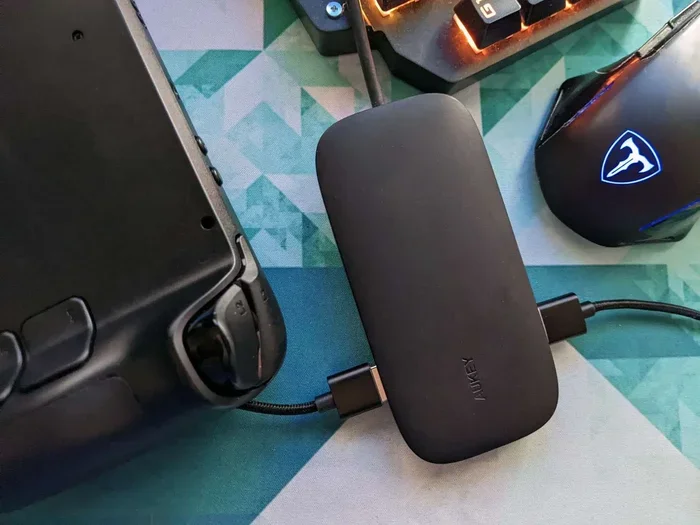
- Desk organization: A hub keeps cables neat and reduces the clutter around your workspace.
- Portability: Portable USB hubs are small and light, making them great for travel or laptop users.
- Cost savings: A USB hub is much cheaper than upgrading to a computer with more built-in ports.
- Flexibility: You can plug in different types of devices through one hub, including your mouse and keyboard.
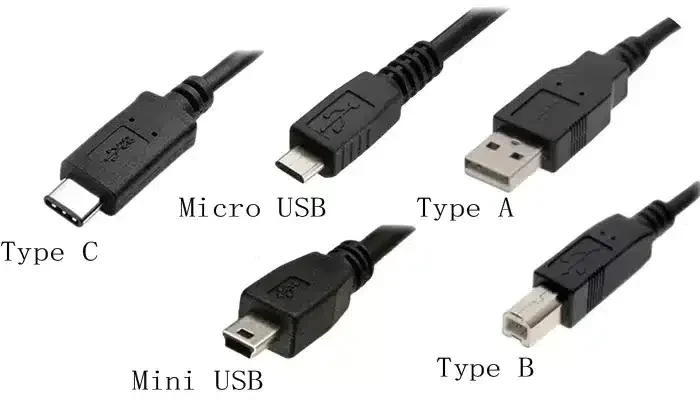
Most modern mice use standard USB connectors. Whether you have a USB-A mouse or a USB-C mouse, there is a hub that will work with it. The plug and play nature of mice means you rarely need to install drivers or software. Just plug it in and start using it.
Powered Vs Unpowered USB Hubs
When you are shopping for a USB hub, you will see two main types: powered and unpowered. Understanding the difference matters, especially if you plan to connect multiple devices through the same hub.
What Is a Powered USB Hub
A powered USB hub has its own power supply, usually through a wall adapter. This means the hub draws power from the wall outlet, not from your computer. Powered hubs can deliver full power to every port, which is important when you connect several devices at once.
If you plug a mouse into a powered hub, you get a stable and reliable connection. The mouse gets all the power it needs without competing with other devices. This is the best option if you use your hub for a keyboard, mouse, external hard drive, and charging cable all at the same time.
What Is an Unpowered USB Hub
An unpowered USB hub, also called a bus-powered hub, gets all of its power from the computer it is connected to. These hubs are smaller, cheaper, and more portable. They work great for simple setups where you only need to connect one or two devices.
Plugging a single mouse into an unpowered hub usually works without any problems. But if you connect too many power-hungry devices, you may run into issues. Some devices might not be recognized, or they might disconnect randomly.
Which One Should You Choose
Here is a quick comparison to help you decide:
| Feature | Powered Hub | Unpowered Hub |
|---|---|---|
| Power Source | Wall outlet | Computer USB port |
| Number of Devices | Handles many devices well | Best for one to two devices |
| Price | Usually more expensive | More affordable |
| Portability | Less portable due to power adapter | Very portable |
| Mouse Performance | Stable and consistent | Works fine for a single mouse |
| Best For | Desktop workstations, multiple peripherals | Travel, light use, single device |
If you only want to plug a mouse into a USB hub and maybe one other device, an unpowered hub is fine. But if your setup involves several peripherals, go with a powered hub. Your mouse will perform better, and you will avoid connection problems.
Does the USB Hub Speed Affect Your Mouse
USB hubs come in different speeds, mainly USB 2.0 and USB 3.0. You might wonder if the speed of the hub affects how your mouse performs. The good news is that a mouse uses very little data, so speed differences rarely matter for pointing and clicking.
USB 2.0 Hubs
USB 2.0 hubs have a maximum data transfer rate of 480 Mbps. For a mouse, this is more than enough. A mouse sends tiny amounts of data with every movement and click. USB 2.0 handles this easily without any lag or delay.
Most budget-friendly hubs are USB 2.0. If your main goal is to plug a mouse into a USB hub, a USB 2.0 hub will work perfectly well. You will not notice any difference in performance compared to a faster hub.
USB 3.0 Hubs
USB 3.0 hubs offer speeds up to 5 Gbps. They are great for transferring large files, backing up data, and connecting high-bandwidth devices like external SSDs. But for a mouse, the speed boost does not really make a difference.
That said, USB 3.0 hubs often have better build quality and more reliable power delivery. If you are buying a hub anyway, going with USB 3.0 is a smart choice. It future-proofs your setup and gives you better performance for all your devices.
USB-C Hubs
If you use a newer laptop or tablet, you might need a USB-C hub. These hubs connect through a USB-C port and often include USB-A ports for your mouse and other older devices. USB-C hubs are compact and versatile, making them a popular choice for modern setups.
Just make sure your USB-C hub supports the devices you want to connect. Some USB-C hubs are designed mainly for charging and data transfer, so check the specifications before you buy.
How to Plug a Mouse Into a USB Hub
Setting up your mouse with a USB hub is simple. Follow these steps for a smooth installation:
- Plug the USB hub into your computer. Use an available USB port. If you are using a powered hub, plug in the power adapter as well.
- Wait for your computer to recognize the hub. Most operating systems detect the new hub within seconds. You may see a notification sound or a pop-up message.
- Plug your mouse into one of the hub ports. Use the appropriate cable for your mouse. USB-A cables fit standard ports, while USB-C cables fit newer ports.
- Test your mouse. Move it around and click to make sure it is working properly.
- Install drivers if needed. Most mice work without drivers. But if you have a gaming mouse or a specialized model, you may need to install software from the manufacturer.
That is it. Your mouse should be ready to use through the hub. If it does not work, do not worry. We will cover troubleshooting in the next section.
One thing to keep in mind is cable management. If you are using a wired mouse, the cable can add to desk clutter. Consider using a cable clip or a cable tray to keep things tidy. A clean workspace helps you stay focused and productive.
Common Problems When Plugging a Mouse Into a USB Hub
While plugging a mouse into a USB hub is usually straightforward, you may run into some issues. Here are the most common problems and how to fix them.
Mouse Not Recognized by the Computer
If your computer does not recognize the mouse when plugged into the hub, try these steps:
- Unplug the hub and plug it back in.
- Try a different port on the hub.
- Test the mouse directly on the computer to rule out a faulty mouse.
- Check if the hub needs a driver update.
- Restart your computer and try again.
Sometimes the hub just needs a fresh connection. If the mouse works directly on the computer but not through the hub, the hub might be the problem.
Mouse Disconnects Randomly
A mouse that keeps disconnecting is frustrating. This issue often happens with unpowered hubs that cannot supply enough power to all connected devices. Try these fixes:
- Disconnect some devices from the hub and see if the mouse stays connected.
- Switch to a powered USB hub for more stable power delivery.
- Use a shorter USB cable to reduce signal loss.
- Check for loose connections at the hub port.
If you are dealing with a line that won’t delete in Microsoft Excel while managing your setup, it can be a sign of a deeper workflow issue. Keeping your digital workspace clean helps you focus on the physical setup too.
Slow or Lagging Mouse Movement
Some users notice lag when using a mouse through a USB hub. This is rare but can happen. Here is what you can do:
- Make sure you are using a USB 2.0 or higher hub.
- Avoid using USB extension cables that are too long.
- Update your mouse drivers and USB controller drivers.
- Try plugging the hub directly into your computer instead of through a powered strip.
Most of the time, slow mouse movement is caused by a weak connection or outdated drivers. A quick driver update often solves the problem.
Hub Not Providing Enough Power
USB hubs have power limits. Each port can only deliver a certain amount of current. If you connect too many power-hungry devices, the hub may not have enough power for all of them. Your mouse might work fine, but other devices like external hard drives may fail to spin up or disconnect frequently.
The best fix is to use a powered hub. It takes the power load off your computer and provides consistent energy to every port.
Expert Tips for the Best Mouse and USB Hub Setup
Here are some expert tips to get the most out of your mouse and USB hub setup:
- Buy a hub with enough ports: Plan for future devices. If you think you might add a webcam or a second keyboard later, get a hub with extra ports.
- Choose a hub with a braided cable: Braided cables are more durable and less likely to fray over time.
- Keep your drivers updated: Regular driver updates improve compatibility and fix bugs that might affect your mouse performance.
- Use a surge protector: If you are using a powered hub, plug it into a surge protector to protect your devices from power spikes.
- Test with different ports: If one port on the hub gives you trouble, try another. Some ports may work better than others.
- Consider a hub with an on/off switch: This lets you turn off individual ports and save power when you are not using certain devices.
These small steps can make a big difference in how smoothly your setup runs every day. A well-planned USB hub setup saves you time and reduces frustration.
Can You Use a Wireless Mouse With a USB Hub
Yes, you can use a wireless mouse with a USB hub. Wireless mice come with a small USB receiver that you plug into the hub. The receiver picks up signals from the mouse and sends them to your computer.
Plugging a wireless mouse into a USB hub works just as well as plugging in a wired mouse. The hub simply acts as an extension of your computer’s USB ports. You get the same plug and play experience without any extra setup.
One thing to keep in mind is the receiver size. Some wireless mice use a tiny nano receiver that stays plugged in permanently. Others use a larger receiver that you might want to remove when traveling. Either type works fine with a USB hub.
If you use a Bluetooth mouse, you do not need a USB hub at all since it connects wirelessly to your computer. But a Bluetooth dongle can be plugged into a USB hub if you want to keep all your connections in one place.
Final Thoughts
So, can you plug a mouse into a USB hub? Absolutely. It is one of the simplest and most useful things you can do with a USB hub. Whether you choose a powered or unpowered hub, USB 2.0 or USB 3.0, your mouse will work just fine through the hub.
The key is to match your hub to your needs. If you only need to connect a mouse and maybe one other device, an unpowered hub is a great budget option. If you have a busy workspace with multiple peripherals, a powered hub gives you the reliability and power you need.
Remember to keep your drivers updated, use quality cables, and troubleshoot any issues early. With the right setup, your mouse will work seamlessly through your USB hub, and your desk will stay clean and organized.
Take a few minutes today to check your current setup. If you are running low on USB ports, a USB hub is an affordable and easy solution. Plug in your mouse, connect your other devices, and enjoy a cleaner, more efficient workspace.
Frequently Asked Questions
Can I Plug Multiple Mice Into One USB Hub?
Yes, you can plug multiple mice into a single USB hub. Most hubs have enough ports to support several mice at once. Keep in mind that wired and wireless mice with receivers both work through a hub. Just make sure your hub has enough ports and, if needed, a power supply to handle all connected devices.
Will Plugging a Mouse Into a USB Hub Slow It Down?
No, plugging a mouse into a USB hub will not slow it down. Mice use very little data, so the speed of the hub does not affect performance. You will not notice any lag or delay when using a mouse through a hub, even on a USB 2.0 connection.
Do I Need Special Drivers to Use a Mouse With a USB Hub?
Most mice do not need special drivers. They work on a plug and play basis when connected through a USB hub. However, gaming mice or specialized models may require software from the manufacturer. Always check the product specifications if you are unsure.
Can I Use a USB-C Hub With a USB-A Mouse?
Yes, many USB-C hubs include USB-A ports that work perfectly with USB-A mice. Just make sure the hub you buy has the right port types for your devices. USB-C hubs are a great option for modern laptops and tablets.
Is It Safe to Leave a Mouse Plugged Into a USB Hub Overnight?
Yes, it is completely safe to leave a mouse plugged into a USB hub overnight. USB hubs are designed for continuous use. There is no risk of damage from leaving devices connected for extended periods. Just make sure your hub is from a reputable brand to ensure safety.
What Should I Do if My Mouse Stops Working After Plugging It Into a Hub?
Start by unplugging the hub and plugging it back in. Try a different port on the hub. Test the mouse directly on your computer to check if the mouse itself is working. If the mouse works directly but not through the hub, the hub may need a driver update or may be faulty. Switching to a powered hub often resolves power-related issues.