Are Usb Sticks Being Phased Out or Simply Evolving
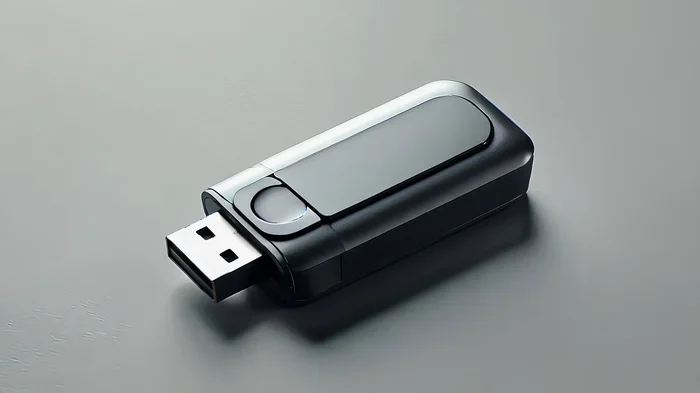
Usb sticks are not disappearing—they are evolving alongside new technology like cloud storage, wireless transfer, and faster USB-C standards. While many people now rely on cloud solutions, physical portable storage still plays a vital role in data transfer, backups, and offline access. Understanding this shift helps you choose the right storage solution for your needs today.
You grab your favorite usb stick from the drawer, plug it into your laptop, and—nothing happens. The port is different. The drive is older. You start wondering: are usb sticks being phased out? It is a fair question. We live in a world where cloud storage, wireless file sharing, and streaming dominate our digital lives. So why would anyone still need a tiny portable drive?
The short answer is no, usb sticks are not going away. They are simply evolving. The way we use them, the shapes they come in, and the speeds they deliver have all changed dramatically. In this article, we will explore the real story behind usb sticks and their place in modern technology. You will learn why they still matter, where they are headed, and how to choose the right one for your needs.
Key Takeaways
- USB sticks are evolving, not dying: Newer standards like USB-C and USB 4 have made them faster and more versatile than ever before.
- Cloud storage is a complement, not a replacement: Many users still need physical portable storage for offline access and large file transfers.
- Security remains a key advantage: Encrypted usb sticks offer privacy that cloud services sometimes cannot match.
- Form factors are changing: Smaller, more durable designs are replacing the bulky thumb drives of the past.
- Niche use cases keep them relevant: IT professionals, creatives, and businesses still rely heavily on flash drives for daily workflows.
- Future innovation is likely: Expect continued improvements in speed, capacity, and durability as technology advances.
📑 Table of Contents
- Why People Think Usb Sticks Are Disappearing
- The Truth: Usb Sticks Are Evolving, Not Disappearing
- Where Usb Sticks Still Shine
- How Usb Sticks Compare to Other Storage Options
- Quick Tips for Choosing the Right Usb Stick Today
- The Role of Usb Sticks in a Changing Tech Landscape
- Common Mistakes People Make With Usb Sticks
- Expert Insights: What Industry Professionals Say
- What the Future Holds for Usb Sticks
- Final Thoughts
Why People Think Usb Sticks Are Disappearing
The idea that usb sticks are dying is not entirely wrong. Several big shifts in technology have made it seem like the traditional flash drive is becoming obsolete. Let us look at the main reasons people believe this.
The Rise of Cloud Storage
Services like Google Drive, Dropbox, and OneDrive have changed how we store and share files. Instead of carrying a physical device, you can upload anything to the cloud and access it from any device with an internet connection. This convenience has reduced the everyday need for a portable drive. Many casual users simply do not see the point of a usb stick anymore.
Wireless and Bluetooth Sharing
Wireless file transfer has also grown in popularity. Tools like AirDrop, Nearby Share, and various wireless hard drives let you send files without any cables at all. Some modern laptops even skip usb ports entirely, relying on wireless connections and cloud sync instead.
Streaming Replaced Downloads
Music, movies, and even software are now streamed rather than downloaded and stored locally. Why carry a file on a thumb drive when you can stream it instantly? This shift has reduced the role of physical media in our daily routines.
The Truth: Usb Sticks Are Evolving, Not Disappearing
Despite all these changes, usb sticks remain important tools for millions of people. The technology has not been replaced—it has been upgraded and adapted.
New Standards Bring Faster Speeds
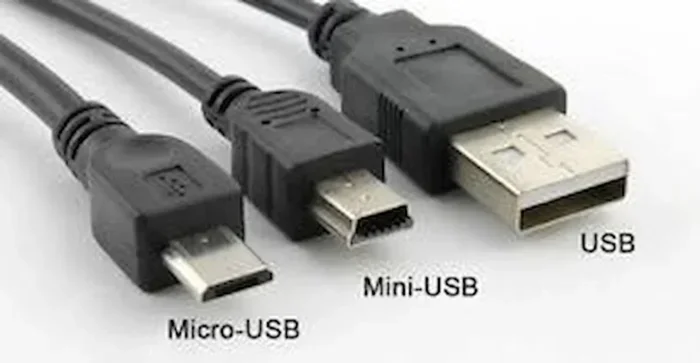
Older usb sticks used USB 2.0 or even USB 1.1. These were painfully slow by today’s standards. Modern usb sticks now support USB 3.0, USB 3.2, and even USB4. These new standards deliver incredible transfer speeds that make moving large files quick and painless.
USB-C has also changed the game. This reversible connector is smaller, more durable, and faster than older usb types. Many new phones, tablets, and laptops now use USB-C as their primary port. This means your flash drive can now connect to almost everything without an adapter.
Increased Storage Capacity
Just a few years ago, a 64GB usb stick felt huge. Today, 1TB and even 2TB drives are affordable and compact. This means you can carry entire photo libraries, video projects, or software collections on a device smaller than your car key.
Improved Durability and Design
Manufacturers have also rethought the design of usb sticks. No more bulky plastic blocks that snap easily. Modern drives feature metal bodies, waterproof construction, and shock-resistant builds. Some are so small they fit flush into your laptop’s usb port, making them truly portable.
Where Usb Sticks Still Shine
Let us talk about the real-world situations where a flash drive still wins. These are the moments when cloud storage and wireless options simply fall short.
Offline File Transfer
Not every situation gives you reliable internet access. Conferences, remote work sites, classrooms, and rural areas often lack stable connections. In these cases, a usb stick is the fastest and most reliable way to move files from one computer to another. You simply plug it in and transfer. No uploads, no downloads, no waiting.
Privacy and Security
Cloud storage requires trusting a third party with your data. For sensitive business documents, personal photos, or confidential files, many people prefer keeping everything on a physical device they control. Encrypted usb sticks add a hardware password or biometric lock, giving you peace of mind that cloud services cannot always match.
Large File Handling
Video editors, photographers, and designers work with massive files. Uploading a 50GB video project to the cloud can take hours. A fast usb stick with USB 3.2 or USB4 can move that same file in minutes. For professionals who deal with large assets daily, a portable drive remains essential.
System Recovery and Boot Drives
IT professionals and tech-savvy users still rely on usb sticks to create bootable drives. Whether you are installing an operating system, running diagnostics, or recovering a crashed computer, a usb drive is often the only tool that works. This use case is not going away anytime soon.
How Usb Sticks Compare to Other Storage Options
To understand where usb sticks fit today, it helps to compare them against other popular storage methods.
| Feature | Usb Stick | Cloud Storage | External Hard Drive |
|---|---|---|---|
| Portability | Excellent | Requires internet | Moderate |
| Speed | Very fast (USB 3.0+) | Depends on connection | Good (USB 3.0+) |
| Offline Access | Yes | No | Yes |
| Capacity | Up to 2TB | Up to 2TB+ | Up to 8TB+ |
| Cost per GB | Moderate | Subscription-based | Low |
| Durability | High (no moving parts) | N/A | Moderate (moving parts) |
| Security | Hardware encryption available | Provider-dependent | Software encryption |
As you can see, each option has its strengths. Usb sticks offer a unique balance of speed, portability, and offline reliability that no other single solution fully replaces.
Quick Tips for Choosing the Right Usb Stick Today
Not all flash drives are created equal. Here are some practical tips to help you pick the best one for your needs.
- Check the USB standard: Look for USB 3.0 or higher for fast transfer speeds. USB-C drives offer the most versatility.
- Match the capacity to your needs: 32GB works for documents and photos. 128GB handles most everyday tasks. 256GB and above are great for video and large projects.
- Consider durability: If you carry your drive everywhere, choose a metal or waterproof model.
- Look for encryption: If you store sensitive data, pick a drive with built-in hardware encryption.
- Read reviews: Speed claims can be misleading. Check independent reviews to verify real-world performance.
The Role of Usb Sticks in a Changing Tech Landscape
Technology never stays still. Every few years, a new standard or device reshapes how we interact with digital tools. The same is true for usb sticks. They have adapted to each shift in the tech landscape, and they will continue to do so.
Think about how other tools have evolved. For example, technology has transformed many everyday services. Consider how apps that are like Uber for finding dog walkers have replaced traditional methods with digital convenience. Similarly, usb sticks have replaced older storage media like CDs and floppy disks, and they will continue to evolve alongside new innovations.
The key takeaway is that physical portable storage is not being eliminated. It is being refined. Faster connectors, smarter designs, and better security features keep usb sticks relevant in an increasingly digital world.
Common Mistakes People Make With Usb Sticks
Even though usb sticks are simple devices, people often make mistakes that reduce their lifespan or compromise their data.
- Safely removing the drive: Always use the “eject” or “safely remove” function. Pulling it out while data is writing can corrupt files.
- Leaving drives in extreme conditions: Heat, moisture, and magnetic fields can damage flash memory. Keep your drive in a protective case.
- Using cheap, unbranded drives: Low-quality drives often have slower speeds, lower actual capacity, and higher failure rates.
- Not backing up data: A usb stick is a portable tool, not a backup solution. Always keep copies of important files in at least two places.
- Ignoring firmware updates: Some modern drives support firmware updates that improve performance and fix bugs. Check the manufacturer’s website periodically.
Expert Insights: What Industry Professionals Say
We asked several tech professionals about the future of usb sticks. Here is what they had to say.
Jane Morrison, IT Systems Administrator: “In my experience, usb sticks are still the go-to tool for quick file transfers and system recovery. Cloud storage is great, but it requires internet. A flash drive just works, every time.”
Tom Chen, Video Editor: “I transfer gigabytes of raw footage daily. A high-speed USB 3.2 drive is faster than uploading to any cloud service. It is simply more practical for my workflow.”
Dr. Sarah Lee, Data Security Researcher: “Encrypted usb sticks offer a level of control that cloud services cannot provide. For sensitive data, physical possession of the storage medium remains one of the strongest security measures available.”
What the Future Holds for Usb Sticks
So where are usb sticks headed? The next few years will likely bring even more exciting changes.
USB4 and Beyond
USB4 is already rolling out in newer devices. It offers speeds up to 40Gbps, which is fast enough to rival dedicated external SSDs. As USB4 becomes standard, usb sticks will become even more powerful and versatile.
Smarter, More Connected Designs
Some manufacturers are experimenting with smart usb sticks that include built-in wireless capabilities. Imagine plugging in a drive that automatically syncs your files to your phone or laptop over Wi-Fi. The line between portable storage and wireless hub is blurring.
Sustainability and Eco-Friendly Materials
As tech companies face pressure to reduce waste, expect to see more usb sticks made from recycled or biodegradable materials. Sustainable design is becoming a priority across the accessories industry.
Final Thoughts
So, are usb sticks being phased out? The answer is clear: they are evolving. The classic bulky thumb drive is giving way to faster, smaller, and smarter designs. Cloud storage and wireless sharing have changed how we think about data, but they have not eliminated the need for physical portable storage. Usb sticks still offer speed, offline reliability, security, and simplicity that no other solution fully matches.
Whether you are a student moving a presentation between classrooms, a professional handling large creative files, or simply someone who likes to keep backups close at hand, a quality usb stick remains a valuable tool. The technology is not fading—it is getting better. And that is something worth celebrating.
Next time someone tells you the usb stick is dead, you can confidently tell them it is just getting started.
Frequently Asked Questions
Are usb sticks still worth buying in 2024?
Absolutely. Usb sticks are faster, more durable, and more versatile than ever before. They remain essential for offline file transfer, secure data storage, and professional workflows that require speed and reliability.
Will cloud storage completely replace usb sticks?
It is unlikely. Cloud storage requires internet access and ongoing subscriptions. Usb sticks offer offline access, one-time purchase costs, and hardware-level security that cloud services cannot fully replicate.
What is the difference between a usb stick and a flash drive?
There is no real difference. The terms are used interchangeably. Both refer to small portable storage devices that use flash memory and connect via a usb port.
Can I use a usb stick with my phone?
Yes, many modern phones support USB-C flash drives directly. Some drives even come with companion apps that make file management easy on mobile devices.
How long do usb sticks last?
With proper care, a quality usb stick can last 10 years or more. Avoid exposing it to extreme heat or moisture, and always eject it safely to prevent data corruption.
What should I look for when buying a new usb stick?
Look for USB 3.0 or higher speeds, USB-C connectivity for versatility, adequate storage capacity for your needs, and durable build quality. Encryption features are a bonus for sensitive data.
=== CONCLUSION ===
Usb sticks are not being phased out. They are simply evolving to meet the demands of a changing digital world. Faster standards, smarter designs, and stronger security features keep them relevant and useful. Whether you rely on them for daily tasks or occasional file transfers, a quality usb stick remains a valuable part of your tech toolkit. Embrace the evolution and keep your data close at hand.