Are Laser Printers Being Phased Out in 2025 and Beyond
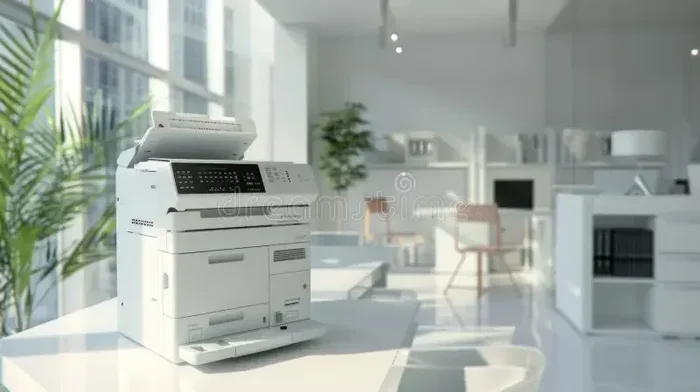
Laser printers are not being fully phased out, but they are facing strong competition from inkjet and digital alternatives. While home users increasingly prefer inkjet and all-in-one devices, laser printers still dominate high-volume office environments. Understanding the shift helps you make the right printing choice for your needs.
Key Takeaways
- Laser printers are declining in the home market but remain essential in offices and high-volume environments.
- Inkjet printers have caught up in quality and now offer lower upfront costs, challenging laser dominance.
- Laser printers still win on speed and volume, making them ideal for heavy-duty document printing.
- Wireless and mobile printing features are reshaping how people think about all printer types.
- The future of printing is hybrid, with manufacturers blending laser and inkjet technologies.
- Total cost of ownership matters more than purchase price when choosing between printer types.
- Sustainability and eco-friendly printing are driving innovation across the industry.
📑 Table of Contents
- The Current State of Laser Printers in 2025
- Laser Printers vs. Inkjet Printers: The Big Debate
- Where Laser Printers Still Shine
- The Future of Laser Printing Technology
- Should You Buy a Laser Printer in 2025?
- Common Mistakes People Make When Choosing a Printer
- Expert Insights on the Printing Industry Shift
- Key Takeaways for Buyers in 2025
- Conclusion
The Current State of Laser Printers in 2025
Laser printers have been a staple in homes and offices for decades. They built their reputation on speed, reliability, and crisp text output. But in 2025, the question on everyone’s mind is simple: are laser printers being phased out?
The short answer is no. But the longer answer is more nuanced. Laser printers are losing ground in the consumer market. Meanwhile, they still hold strong in commercial and enterprise settings. Understanding this shift starts with looking at what has changed in the printing world over the past few years.
Inkjet printers have improved dramatically. They now match and sometimes beat laser printers in print quality. Wireless printing and mobile connectivity have also changed the game. Consumers want simplicity, versatility, and low upfront costs. Inkjet printers deliver all three. This shift has made many people question whether they still need a laser printer.
But here is the thing. Not all printing needs are the same. A home user printing occasional photos has very different needs from an office printing thousands of pages per week. That distinction matters a lot when we talk about the future of laser printer technology.
Let us break down what is really happening. We will look at why people think laser printers are fading, where they still excel, and what the future holds for printing technology as a whole.
Why the Rumors About Laser Printer Decline Are Spreading
You have probably heard the chatter. “Inkjet is taking over.” “Laser is dead.” These claims spread fast online. But where do they come from?
One big reason is the rise of all-in-one printers. These devices combine printing, scanning, copying, and faxing into one machine. Most all-in-one models on the market today are inkjet-based. They appeal to home users and small businesses because they are compact and affordable.
Another factor is the cost. Inkjet printers used to be cheap but expensive to run. That has flipped. Many modern inkjet models now offer low-cost ink tanks or refill systems. This makes them very attractive for home printing needs.
Also, the way people work has changed. Remote work and digital documents mean fewer people need to print every day. When people do print, they often need color and photo-quality output. Inkjet handles this better than most laser printers. So the perception grows that laser printers are becoming obsolete.
Some compare the shift to how digital platforms have replaced traditional service models in other industries. Technology disrupts established markets, and printing is no different. But disruption does not always mean extinction.
Laser Printers vs. Inkjet Printers: The Big Debate
The debate between laser vs inkjet printers is nothing new. But it has intensified in 2025. Both technologies have strengths. Both serve different needs. Let us compare them head-to-head.
Print Quality and Speed
For pure text documents, laser printers still hold the edge. They produce sharp, clean text that does not smear when wet. Printing speed is also a major advantage. A laser printer can churn out dozens of pages per minute. Inkjet printers are faster than they used to be, but they still lag behind in raw speed.
For photos and color graphics, inkjet wins. Inkjet printers use liquid ink that blends smoothly. This creates vibrant colors and smooth gradients. Laser printers use toner, which is a dry powder. It works great for text but can look less detailed on photos.
Cost Comparison
Upfront cost is where inkjet wins easily. You can buy a decent inkjet home printer for under $100. A comparable laser printer usually costs more. But the story does not end there.
Long-term costs tell a different tale. Toner cartridges last much longer than ink cartridges. A single toner cartridge can print thousands of pages. Ink cartridges run out faster, especially if you print photos regularly. Over time, the total cost of ownership for a laser printer can be lower.
| Feature | Laser Printer | Inkjet Printer |
|---|---|---|
| Upfront Cost | Higher | Lower |
| Cost Per Page | Lower | Higher |
| Print Speed | Faster | Slower |
| Photo Quality | Good | Excellent |
| Text Quality | Excellent | Very Good |
| Maintenance | Low | Moderate |
| Lifespan | 5-7 years | 3-5 years |
| Best For | High-volume text | Color and photos |
Maintenance and Reliability
Laser printers are known for their durability. They have fewer moving parts than inkjet printers. This means fewer things can go wrong. A well-maintained laser printer can last 5 to 7 years or more.
Inkjet printers need more care. The print heads can clog if you do not use the printer often. This is a common problem for people who print infrequently. Printer maintenance for inkjets means running cleaning cycles and replacing parts more often.
For offices that need a reliable office printer that just works day after day, laser is still the go-to choice. The printer lifespan of laser models simply outperforms most inkjet alternatives.
Where Laser Printers Still Shine
Despite the rise of inkjet, laser printers still dominate in several key areas. Let us look at where they remain the best choice.
High-Volume Document Printing
If you print hundreds of pages a week, a laser printer is hard to beat. Schools, law firms, healthcare offices, and government agencies all rely on laser printers for their daily operations. The speed and volume capacity make them essential tools.
High-volume printing speed saves time. A laser printer can handle a large print volume without slowing down or overheating. Inkjet printers may struggle with the same workload. They can overheat or run out of ink mid-job.
Black and White Text Printing
For crisp, professional-looking black and white documents, nothing matches a laser printer. The text is sharp and precise. Pages look clean and polished. This is why so many businesses still choose laser printers for their day-to-day document printing needs.
Even as companies go paperless, the need for printed documents has not disappeared. Contracts, invoices, labels, and reports still require high-quality printing. Laser printers deliver this consistently.
Color Laser Printing for Offices
Color laser printers have come a long way. They are no longer just for text. Modern color laser models can produce vibrant presentations, marketing materials, and reports. The print quality is professional and consistent.
While color inkjet may offer better photo quality, color laser excels at business materials. Brochures, flyers, and reports all look great on a color laser printer. The durability of laser output means these materials last longer without fading.
Wireless and Network Printing
Many people think wireless printing is a new inkjet feature. That is not true. Most modern laser printers now include Wi-Fi and network connectivity. You can print from your phone, tablet, or laptop without cables.
Network printing is where laser printers really shine in office environments. Multiple users can send print jobs to a single machine. The printer handles the queue efficiently. This kind of shared printing setup is much harder to achieve with inkjet printers.
The Future of Laser Printing Technology
Is there still a future for laser printers? Absolutely. But that future will look different from the past. Manufacturers are innovating to keep laser printer technology relevant.
Eco-Friendly and Sustainable Printing
Sustainability is a big focus in 2025. Companies want to reduce waste and energy use. Laser printers are already more energy-efficient than many people realize. They use less power per page than inkjet printers in many cases.
Manufacturers are also working on recyclable toner cartridges. Some brands now offer cartridge refill programs. This reduces plastic waste and lowers the printing costs over time. Expect more eco-friendly printer technology in the coming years.
Integration with Cloud and Smart Office Systems
The smart office is here. Laser printers are becoming part of connected ecosystems. Cloud printing, mobile apps, and AI-driven maintenance are all making their way into laser printer models.
Imagine a printer that orders its own toner when supplies run low. Or one that detects a paper jam and alerts you before it becomes a problem. These smart printing features are already appearing in high-end laser models.
Hybrid Printing Technologies
The line between laser and inkjet is blurring. Some manufacturers are developing hybrid printer technology that combines the best of both worlds. These machines use laser speed with inkjet color quality.
While true hybrid models are still emerging, the trend is clear. The future of printing technology is not about choosing one type over another. It is about combining strengths to meet diverse user needs.
Should You Buy a Laser Printer in 2025?
This is the question most people really want answered. And the honest answer is: it depends on your needs.
If you are a heavy printer at home or in a small office, a laser printer is still a great investment. You get speed, reliability, and low running costs. The printer durability means you will not need to replace it anytime soon.
If you are a casual home user who prints mostly photos and occasional documents, an inkjet all-in-one printer might be a better fit. The lower upfront cost and versatility make it appealing.
For businesses, the answer is almost always laser. The print volume, speed, and paper handling capabilities of laser printers make them essential tools. Even as the world goes digital, the need for physical documents persists.
Before buying any printer, consider your printing needs carefully. Think about how many pages you print per month. Consider whether you need color or just black and white. Factor in the total cost of ownership, not just the sticker price.
Also think about printer replacement costs. How easy is it to find supplies? What is the warranty like? These practical details matter more than fancy features.
One quick tip: always check the cost per page before buying. This number tells you how much each printed page actually costs. It is the best way to compare printers fairly.
Common Mistakes People Make When Choosing a Printer
Avoiding common mistakes can save you money and frustration. Here are a few pitfalls to watch out for.
- Focusing only on purchase price. A cheap printer with expensive ink can cost more over time. Always look at the long-term printing costs.
- Ignoring print volume needs. Buying a home printer for an office will lead to constant breakdowns. Match the printer to your volume.
- Overlooking wireless features. Even if you do not need them now, wireless printing capabilities add convenience and future-proof your purchase.
- Choosing inkjet for high-volume needs. Inkjet printers wear out faster under heavy use. If you print a lot, laser printers are the smarter choice.
- Forgetting about paper handling. If you print on different paper sizes or types, make sure the printer can handle them.
Expert Insights on the Printing Industry Shift
Industry experts agree that the printing market is evolving, not dying. Laser printers are adapting to new demands. Manufacturers are investing in faster, smarter, and more sustainable laser printer models.
The key insight is this: the market is segmenting. Consumer printing is shifting toward inkjet and digital alternatives. But professional and enterprise printing needs still demand the reliability and speed of laser technology.
As one industry analyst put it, the printer technology landscape is not shrinking. It is splitting into specialized niches. Each niche has its ideal solution. Laser printers will continue to serve their core markets well into the future.
The rise of mobile printing solutions and cloud integration is also changing the game. Users expect to print from anywhere, at any time. Laser printer manufacturers are responding with better connectivity and smarter features.
One thing is clear: the laser printer is not going away anytime soon. It is evolving. And for many users, it remains the best tool for the job.
Key Takeaways for Buyers in 2025
- Laser printers are not being phased out. They are losing share in the home market but remain dominant in offices.
- Inkjet is better for color and photos. If your priority is vibrant images, inkjet is the way to go.
- Laser wins on speed, volume, and reliability. For heavy-duty document printing, nothing beats laser.
- Total cost of ownership matters. Look beyond the purchase price and factor in toner costs and printer lifespan.
- Smart features are becoming standard. Wireless, cloud, and mobile printing are now expected in all printer types.
- Sustainability is driving innovation. Eco-friendly toner and recyclable materials are becoming standard in new models.
- Match the printer to your actual needs. Do not overpay for features you will never use.
Conclusion
So, are laser printers being phased out? The answer is a clear no. While the consumer market is shifting toward inkjet and digital solutions, laser printers remain essential in professional and high-volume environments.
The printing technology landscape is changing. Inkjet printers are better than ever. Wireless features are standard. And new hybrid technologies are on the horizon. But laser printers continue to offer something inkjet cannot match: speed, reliability, and low cost per page at high volumes.
If you are in the market for a new printer, do not dismiss laser printers just because they are “old technology.” They are still the best choice for many users. Evaluate your needs, compare costs, and choose the printer type that fits your life and work.
The future of printing is bright. And laser printers will be a big part of it for years to come.
Frequently Asked Questions
Are laser printers being discontinued by manufacturers?
No, major manufacturers are not discontinuing laser printers. Companies like HP, Brother, Canon, and Xerox continue to release new laser printer models. The focus has shifted toward smart features and sustainability, but laser printers remain a key product line.
Is it worth buying a laser printer in 2025?
Yes, if you print a lot of black-and-white documents or need high-speed printing for an office. The total cost of ownership is often lower than inkjet over time. For heavy-duty document printing, a laser printer is still a smart investment.
Will inkjet printers completely replace laser printers?
Inkjet printers are gaining ground, especially in homes and small offices. But they are unlikely to fully replace laser printers in high-volume and professional settings. The two technologies serve different printing needs and will likely coexist for years.
How long do laser printers typically last?
A well-maintained laser printer can last 5 to 7 years or more. The printer lifespan depends on usage, maintenance, and model quality. Higher-end office printers tend to last longer than budget models.
Are color laser printers as good as inkjet for photos?
Color laser printers have improved significantly, but they still do not match inkjet for photo quality. If you print photos regularly, inkjet is the better choice. For business materials like brochures and presentations, color laser works great.
What is the biggest advantage of laser printers over inkjet?
The biggest advantage is printing speed combined with low cost per page. Laser printers handle high print volumes quickly and reliably. They also require less frequent printer maintenance than inkjet models, making them ideal for busy offices.