Can I Play Netflix From My Phone To Tv Hdmi Cable Easily
Yes, you can absolutely play Netflix from your phone to your TV using an HDMI cable. This simple setup lets you enjoy your favorite shows and movies on a bigger screen with stunning HD quality. All you need is the right adapter, a compatible HDMI cable, and a few minutes to get everything connected.
This is a comprehensive guide about Can I Play Netflix From My Phone To Tv Hdmi Cable.
Key Takeaways
- Easy Connection: Playing Netflix from your phone to TV via HDMI cable is simple and works with most modern smartphones and TVs.
- Right Adapter Matters: You need the correct adapter for your phone type, whether Lightning, USB-C, or Micro-USB.
- HD Quality Output: An HDMI cable delivers high-definition video and audio straight to your TV for the best viewing experience.
- Wired is Reliable: Unlike wireless casting, an HDMI connection offers a stable, lag-free streaming experience every time.
- Works for Many Devices: iPhones, Androids, and tablets can all connect to a TV using the right HDMI adapter and cable.
- Quick Setup: Most connections take less than five minutes and require no technical expertise.
[FEATURED_IMAGE_PLACEHOLDER]
Can I Play Netflix From My Phone to TV HDMI Cable Easily?
Streaming Netflix on a tiny phone screen just does not feel right. You deserve to watch your favorite shows on a big TV. The good news is that you can do exactly that using a simple HDMI cable. Connecting your phone to your TV has never been easier, and you do not need to be a tech expert to make it work.
Playing Netflix from your phone to TV HDMI cable is one of the most convenient ways to upgrade your streaming setup. Whether you are at home or traveling, this method gives you a reliable, high-quality connection without any Wi-Fi headaches. In this guide, we will walk you through everything you need to know, from picking the right adapter to troubleshooting common issues.
Many people assume they need expensive smart TVs or special streaming devices. That is simply not true. A basic HDMI cable and a small adapter can transform your phone into a powerful media player. You will be watching your favorite Netflix series on the big screen in no time.
What You Need to Get Started
Before you dive into the setup process, let us talk about what you will need. Having the right equipment makes all the difference. You do not want to start connecting things only to realize you are missing a key piece.
1. The Right HDMI Cable
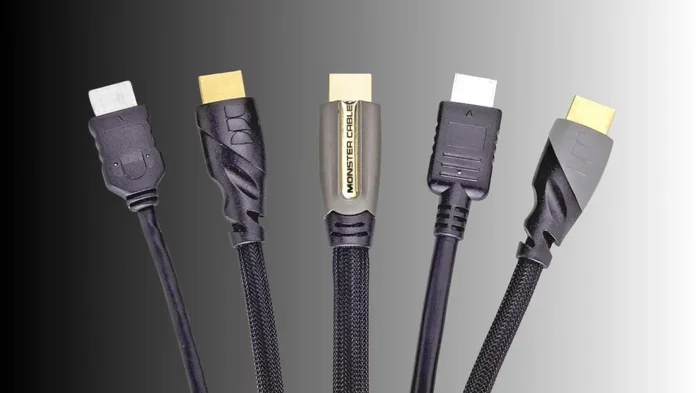
Not all HDMI cables are created equal. For the best Netflix streaming experience, look for a cable that supports High-Speed HDMI or Premium High-Speed HDMI. These cables handle 1080p and even 4K video without any problems. A standard HDMI cable will work fine for most setups, but investing in a quality cable ensures you get the best picture and sound.
Here are a few things to keep in mind when choosing your cable:
- Cable length: Aim for 3 to 6 feet for most living room setups.
- Version: HDMI 2.0 or higher supports 4K resolution.
- Build quality: Look for braided or reinforced cables that last longer.
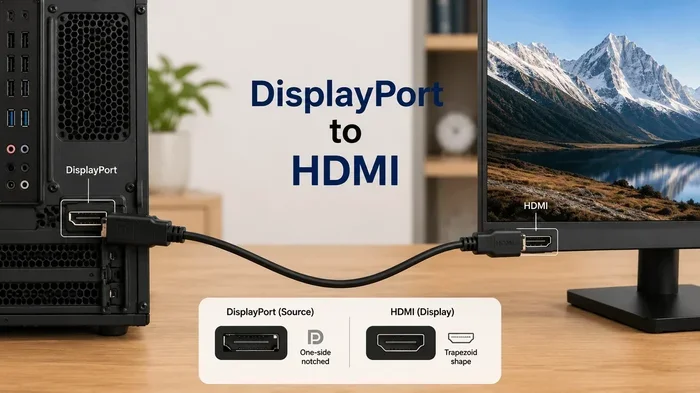
- Compatibility: Make sure the cable fits both your adapter and your TV port.
2. The Correct Phone Adapter
The adapter you need depends entirely on your phone type. This is the bridge between your phone and the HDMI cable. Without the right adapter, your connection will not work.
If you have an iPhone, you will need a Lightning to HDMI adapter. These adapters plug directly into your iPhone’s charging port and provide an HDMI output. For Android users, the adapter type depends on your phone model. Most newer Android phones use USB-C to HDMI adapters, while older models may need a Micro-USB to HDMI adapter.
Here is a quick comparison to help you find the right adapter:
| Phone Type | Adapter Needed | Common Brands |
|---|---|---|
| iPhone (Lightning) | Lightning to HDMI | Apple, Belkin, Amazon Basics |
| Android (USB-C) | USB-C to HDMI | Samsung, Google, Anker |
| Older Android (Micro-USB) | Micro-USB to HDMI | Various third-party brands |
| Tablets | Varies by model | Check manufacturer specs |
One thing to keep in mind is that some adapters only support video output. You will want to choose an adapter that also supports audio output so you get sound through your TV speakers. This makes for a much more enjoyable watching experience.
3. A Netflix-Compatible Phone
Most modern smartphones can run the Netflix app and output video through HDMI. Your phone should have at least 2GB of RAM and run a relatively recent operating system. Older phones may struggle with HD streaming or experience lag during playback.
If you are not sure whether your phone supports this setup, check the Netflix app requirements on your device. The app is free to download from the App Store or Google Play Store, and it works on most phones made in the last five years.
How to Connect Your Phone to TV Using HDMI
Now that you have your equipment ready, let us walk through the actual setup process. This is simpler than you might think. Follow these steps and you will be watching Netflix on your TV in minutes.
Step-by-Step Connection Guide
Step 1: Plug the HDMI adapter into your phone’s charging port. Make sure it clicks in securely. You should see a small light on the adapter if it is powered on.
Step 2: Connect one end of the HDMI cable to the adapter. The connector should fit snugly without forcing it.
Step 3: Plug the other end of the HDMI cable into an available HDMI port on your TV. Most TVs have multiple HDMI ports, so pick whichever one is most convenient.
Step 4: Switch your TV to the correct HDMI input. Use your TV remote to select the right port. You should see your phone’s screen displayed on the TV.
Step 5: Open the Netflix app on your phone and start playing your show or movie. The video will now display on your TV screen.
That is it! Your phone essentially becomes a remote control for Netflix on your TV. Some people worry about the setup being complicated, but it really is just a plug-and-play process. If you are new to this, the first time might take a few extra minutes, but after that, it becomes second nature.
Adjusting Display Settings
Once connected, you may want to adjust a few settings for the best experience. Go to your phone’s display settings and look for options related to screen mirroring or external display. Some phones let you choose between mirroring your entire screen or extending it as a second display.
For Netflix, screen mirroring is usually what you want. This means everything on your phone screen appears on the TV. You can control playback directly from your phone, and the video will play in full screen on your TV.
If you notice the image looks stretched or cropped, go into your TV’s picture settings and adjust the aspect ratio. Most TVs have a setting for HDMI inputs that lets you choose between different display modes. Pick the one that fits your content best.
Best HDMI Cables and Adapters for Netflix Streaming
Not all cables and adapters are created equal, especially when it comes to streaming video. Choosing the right products ensures you get the best picture quality and a reliable connection. Here are some recommendations to help you make the right choice.
Top HDMI Cable Picks
When shopping for an HDMI cable, look for these features:
- Bandwidth: Higher bandwidth supports better video quality. Look for cables rated at 18 Gbps or higher for 4K streaming.
- Length: Keep cables as short as possible for the best signal quality. Six feet or less is ideal for most setups.
- Durability: Braided cables hold up much better than standard rubber ones, especially if you plug and unplug frequently.
- Gold-plated connectors: These provide a better connection and resist corrosion over time.
Top Adapter Recommendations
For iPhone users, the Apple Lightning to Digital AV Adapter is the gold standard. It works seamlessly with Netflix and delivers excellent video quality. For Android users, the Samsung DeX cable or a USB-C to HDMI adapter from Anker are excellent choices that support high-resolution output.
When you are picking out accessories, think about what else you might need. If you are setting up a dedicated streaming station, consider grabbing a phone stand or holder to keep your device upright while you watch. Some people also like to keep their phone charged during long Netflix binge sessions, so a longer charging cable that works alongside the HDMI adapter can be very handy.
For those who want to make their streaming setup even more convenient, check out some of the gadgets designed to simplify everyday tech tasks. Many of these accessories work great alongside your HDMI streaming setup and can make your life a lot easier.
Troubleshooting Common Issues
Even with the right equipment, you might run into some hiccups along the way. Do not worry. Most problems are easy to fix and do not require any technical skills.
No Picture on the TV
If your TV shows no signal, start by checking your connections. Make sure the HDMI cable is firmly plugged into both the adapter and the TV. Try unplugging and replugging both ends. Sometimes the simplest fix is the right one.
Next, make sure your TV is set to the correct HDMI input. Most TVs have multiple ports labeled HDMI 1, HDMI 2, and so on. Use your remote to cycle through them until you find the right one.
If the connections are secure and the input is correct, try restarting your phone. A quick reboot often resolves temporary software glitches that can prevent video output.
No Sound from the TV
Sometimes you will get a picture but no sound. This usually happens when your phone is still routing audio to its own speakers instead of the HDMI output. Go to your phone’s settings and look for audio output options. Select the HDMI or external display option to redirect sound to your TV.
On iPhones, you may need to go to Settings > Accessibility > Audio/Visual and adjust the balance. On Android phones, check your sound settings under Connected Devices or Bluetooth & Device Connections.
Video Quality Issues
If your Netflix stream looks blurry or pixelated, the problem might be your cable or adapter. Cheap, low-quality HDMI cables often cannot handle HD video properly. Try using a higher-quality cable and see if the picture improves.
Also, check your Netflix app settings. The app lets you adjust streaming quality. Make sure it is set to High or Auto for the best picture quality. You can find this in the app settings under Cellular Data Usage or App Data Usage.
Phone Overheating During Streaming
Streaming Netflix while connected to a TV can make your phone warm. This is normal, especially during long viewing sessions. To prevent overheating, remove your phone case during streaming and keep it in a cool, well-ventilated area.
You can also lower the Netflix streaming quality slightly to reduce the workload on your phone. This small adjustment can make a big difference in keeping your device cool and performing smoothly.
Wireless Alternatives vs HDMI Cable Connection
While HDMI cables offer a reliable and high-quality connection, there are wireless alternatives worth considering. Let us compare the two approaches so you can decide what works best for your setup.
HDMI Cable Connection
An HDMI connection provides a direct, wired link between your phone and TV. This means no lag, no buffering issues from weak Wi-Fi, and consistent HD quality. HDMI is ideal for watching Netflix because you get stable, uninterrupted playback every time.
The main downside is the cable itself. You need to be within reach of your TV, and the setup requires the right adapter for your phone type. However, for most people, these minor inconveniences are well worth the reliable performance.
Wireless Casting (Chromecast, AirPlay, etc.)
Wireless casting lets you send Netflix from your phone to your TV without any cables. Apple AirPlay works great for iPhones, while Google Chromecast works with most Android devices. These methods are convenient because you do not need any extra hardware beyond a compatible TV or streaming stick.
However, wireless casting depends heavily on your Wi-Fi connection. If your home network is slow or congested, you might experience buffering, lag, or reduced video quality. An HDMI connection bypasses Wi-Fi entirely, giving you a more consistent experience.
For the best of both worlds, some people use both methods. They rely on HDMI for high-quality Netflix viewing and wireless casting for quick, casual sharing. Both approaches have their place in a well-rounded home entertainment setup.
Tips for the Best Netflix Viewing Experience on Your TV
Once you have your phone connected to your TV via HDMI, there are a few extra tips that can make your Netflix sessions even better. These small adjustments can have a big impact on your overall enjoyment.
Optimize Your Netflix Settings
Open the Netflix app and go to your account settings. Under Playback Settings, set the data usage to High for the best video quality. This ensures Netflix streams at the highest resolution your connection can support.
You can also enable Auto-play for the next episode. This is perfect for binge-watching sessions where you do not want to keep reaching for your phone to start the next episode.
Use a Phone Stand or Holder
Since your phone controls the Netflix playback, you will want it positioned somewhere stable. A phone stand or holder keeps your device upright and within easy reach. You can find simple stands for just a few dollars, or mount your phone on your TV using a compatible phone mount.
Keeping your phone stable also prevents accidental touches that might pause your show or change the volume. A small investment in a good holder goes a long way toward a more enjoyable viewing experience.
Manage Notifications
Nothing ruins a great movie like a sudden notification buzz. Before you start watching, put your phone in Do Not Disturb mode. This silences calls, texts, and app notifications so you can enjoy uninterrupted Netflix time.
You can also adjust your notification settings for specific apps. Go to your phone’s settings and turn off non-essential notifications during your viewing hours. Your future self will thank you.
Control Volume from Your Phone
One great advantage of using your phone as the controller is that you can adjust the volume directly from your device. This is especially useful if your TV remote is across the room or if you are using external speakers connected to your TV.
Some HDMI adapters also support charging pass-through, which means you can charge your phone while streaming. This is a handy feature for long movie nights when you do not want your phone battery to die mid-episode.
Common Mistakes to Avoid
Setting up your phone-to-TV HDMI connection is straightforward, but a few common mistakes can cause frustration. Here is what to watch out for:
- Buying the wrong adapter: Always double-check your phone model before purchasing an adapter. A Lightning adapter will not work with a USB-C phone, and vice versa.
- Using a low-quality cable: Cheap HDMI cables often fail to deliver HD quality. Invest in a reputable brand for the best results.
- Ignoring audio settings: If you cannot hear sound, check your phone’s audio output settings before assuming something is broken.
- Overheating your phone: Extended streaming sessions can cause your phone to overheat. Take breaks and keep your device cool.
- Forgetting to update the Netflix app: Outdated app versions can cause playback issues. Always keep your apps up to date.
By avoiding these common pitfalls, you will save yourself time and frustration. A little preparation goes a long way toward a smooth and enjoyable streaming experience.
Final Thoughts
Playing Netflix from your phone to your TV using an HDMI cable is one of the simplest and most effective ways to upgrade your streaming experience. You do not need expensive equipment or technical skills. With the right adapter, a quality HDMI cable, and a few minutes of setup time, you can enjoy Netflix on the big screen whenever you want.
This method works reliably for both iPhones and Android phones. It gives you a stable, lag-free connection that wireless casting simply cannot match. Whether you are watching a movie alone or hosting a movie night with friends, the HDMI connection delivers consistent, high-quality results every single time.
Start with the steps outlined in this guide. Pick the right adapter for your phone, grab a good HDMI cable, and get connected. Once you experience Netflix on your TV through your phone, you will wonder how you ever managed without it. Happy streaming!
Frequently Asked Questions
Can I use any HDMI cable to play Netflix from my phone to TV?
Most standard HDMI cables will work, but for the best Netflix streaming quality, choose a High-Speed HDMI or Premium High-Speed HDMI cable. These cables support HD and 4K video without any issues. Avoid very cheap or ultra-thin cables, as they may not deliver a reliable signal.
Do I need Wi-Fi to play Netflix on my TV using an HDMI cable?
No, you do not need Wi-Fi for the HDMI connection itself. The HDMI cable transmits video and audio directly from your phone to your TV. However, you do need an internet connection on your phone to stream Netflix content. This can be Wi-Fi or mobile data.
Will playing Netflix through HDMI drain my phone battery quickly?
Streaming video while outputting to a TV does use more battery than normal phone use. To extend battery life, consider using a charging cable alongside your HDMI adapter. Some adapters support pass-through charging so you can charge your phone while streaming.
Can I connect an iPad to my TV using HDMI for Netflix?
Yes, you can connect an iPad to your TV using the appropriate adapter. iPads with Lightning ports need a Lightning to HDMI adapter, while newer iPads with USB-C ports need a USB-C to HDMI adapter. The setup process is the same as connecting a phone.
What should I do if my TV does not recognize the HDMI input from my phone?
First, check that all cables are firmly connected. Try a different HDMI port on your TV. You can also restart both your phone and your TV. If the issue persists, test with a different HDMI cable or adapter to rule out a hardware problem.
Can I watch Netflix in 4K using HDMI from my phone?
This depends on your phone, adapter, and TV. Your phone must support 4K video output, your adapter must support 4K, and your TV must have a 4K-capable HDMI port. Most modern setups can handle 4K Netflix streaming, but check your device specifications to be sure.