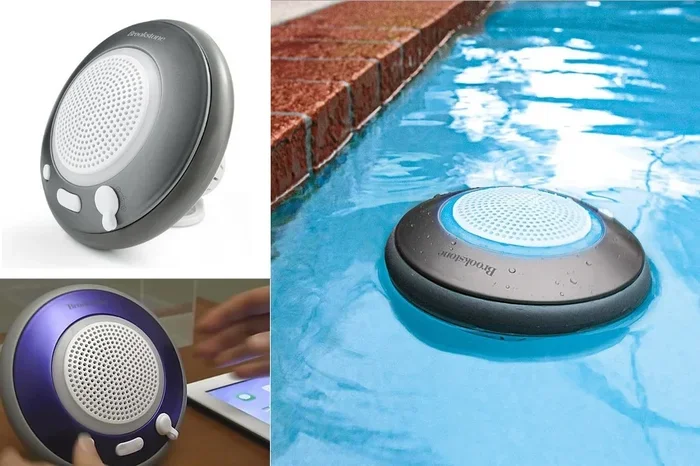
Can Waterproof Speakers Really Go Underwater for Good
Can waterproof speakers really go underwater for good? The short answer is yes, but with important caveats. Not all waterproof speakers are built for full submersion, and each one has specific depth and time limits you need to know. Understanding IP ratings, water resistance levels, and proper care will keep your aquatic audio safe and sounding great. This guide breaks down everything you need to know about using waterproof portable speakers in and under water.
You bought a waterproof speaker. The box says it can handle water. So you toss it in the pool, lake, or ocean and expect it to work perfectly underwater. But then it stops. Or it sounds muffled. Or it dies entirely after one swim session.
If this has happened to you, you are not alone. Many people assume that a waterproof speaker can go underwater and come back fine every single time. That is not always true. The truth about waterproof speakers underwater is more nuanced than most product labels let on.
In this guide, we will walk through everything you need to know. From IP ratings and depth limits to real-world testing and speaker care, we cover it all. By the end, you will know exactly what your waterproof Bluetooth speaker can and cannot do. Let us dive in.
Key Takeaways
- Waterproof does not always mean submersible: Check the IP rating before taking any speaker underwater.
- IPX7 and IPX8 rated speakers can handle full submersion, but only for specific depths and durations.
- Water damage is the #1 killer of speakers, even ones marketed as waterproof.
- Proper cleaning and drying after each water use dramatically extends speaker lifespan.
- Not all waterproof speakers sound the same underwater — some lose bass and volume.
- Warranty often does not cover water damage from improper use, so read the fine print.
- Floating speakers are a smart choice for pool and beach use to avoid accidental sinking.
📑 Table of Contents
- What Does “Waterproof” Actually Mean?
- IP Ratings and Water Resistance Explained
- Can You Really Take Waterproof Speakers Underwater?
- Best Waterproof Speakers for Underwater Use
- Tips for Using Speakers Underwater
- Common Mistakes That Ruin Waterproof Speakers
- How Waterproof Technology Works in Speakers
- Expert Insights on Waterproof Speaker Performance
- How Long Do Waterproof Speakers Last in Water?
- Should You Buy a Waterproof Speaker for Underwater Use?
- Final Thoughts
What Does “Waterproof” Actually Mean?
The word “waterproof” gets thrown around a lot in the speaker world. But it does not mean the same thing for every product. Some speakers are truly waterproof. Others are just water resistant. And some are barely splash-proof at all.
Here is the basic breakdown of what these terms mean in real life:
- Waterproof: The speaker is designed to prevent water from entering under specific conditions. It can handle submersion up to a certain depth.
- Water Resistant: The speaker can handle splashes, rain, and minor moisture. It cannot be submerged.
- Splash Proof: The speaker survives light splashes only. Do not even think about taking it near a pool.
- Submersible: A stronger term that means the speaker can actually function while fully underwater.
The problem is that many brands use “waterproof” loosely. They want the word on the box because it sells. But a speaker labeled “waterproof” might only survive a few minutes in shallow water. Always look deeper than the marketing label.
Why the Word “Waterproof” Is Misleading
Here is something most people do not think about. “Waterproof” is not a regulated standard for consumer electronics in many markets. Any company can print the word on a product. There is no universal test that a speaker must pass to use that label. This is why IP ratings matter so much more than the word “waterproof” on the box.
When you understand what the actual ratings mean, you stop relying on buzzwords. You start making smart decisions about which waterproof audio gear is right for your needs.
IP Ratings and Water Resistance Explained
If you want to know whether your underwater Bluetooth speaker will survive a dip, the IP rating is the answer. IP stands for “Ingress Protection.” It is a standardized rating system that tells you exactly how well a device resists solids (like dust) and liquids (like water).
The IP rating has two numbers. The first number is for dust resistance. The second number is for water resistance. Here is what the water resistance numbers mean:
| IPX Rating | What It Means | Can It Go Underwater? |
|---|---|---|
| IPX4 | Splash resistant from all directions | No |
| IPX5 | Protected against water jets | No |
| IPX6 | Protected against powerful water jets | No |
| IPX7 | Can be submerged in 1 meter of water for 30 minutes | Yes, shallow and short |
| IPX8 | Can be submerged beyond 1 meter (manufacturer-specified depth) | Yes, deeper and longer |
IPX7 vs IPX8: What Is the Real Difference?
Many people think IPX7 and IPX8 are basically the same. They are close, but not identical. An IPX7 rated speaker can handle being submerged in 1 meter of water for 30 minutes. That covers most pool and bathtub scenarios.
An IPX8 rated speaker goes further. The manufacturer tests it at depths greater than 1 meter. Some IPX8 speakers can handle 3 meters, 5 meters, or even deeper. But the exact depth and time depend on the manufacturer’s testing conditions. Always check the specific details.
Here is a quick tip. If you plan to take your speaker snorkeling, diving, or on a boat trip, go with an IPX8 rating. If you just want poolside music, IPX7 is usually enough.
What IP Ratings Do NOT Tell You
IP ratings are helpful, but they have limits. They test speakers in controlled lab conditions. Fresh water at room temperature. Still water. No salt, no chlorine, no waves, no drops.
Real-world conditions are much harsher. Salt water corrodes electronics fast. Chlorine in pools eats away at seals over time. A sudden drop onto a hard surface can crack the waterproof housing. So an IP rating gives you a baseline, not a guarantee for every situation.
Can You Really Take Waterproof Speakers Underwater?
This is the big question. And the answer is: it depends. Some waterproof speakers are built specifically for underwater use. Others are only built to survive occasional splashes and rain.
Let us break this down by speaker type and use case.
Pool and Beach Use
For casual pool parties and beach days, most IPX7 or IPX8 speakers work great. You can drop them in the water, float them on the surface, and enjoy aquatic audio for hours. Some speakers even float, which is a huge bonus for pool use.
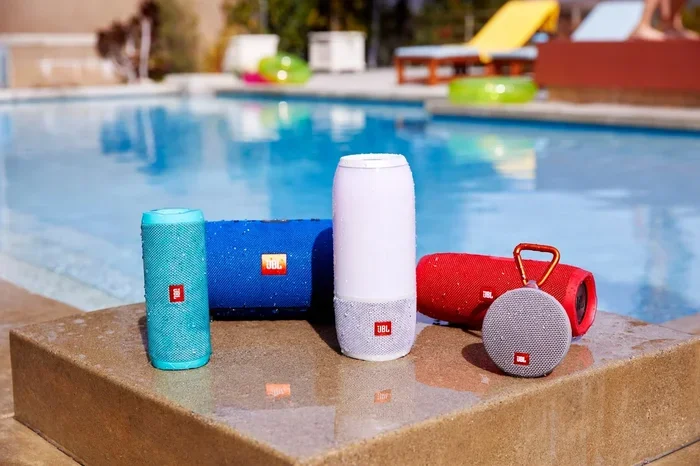
Brands like JBL, Ultimate Ears, and Sony make popular waterproof portable speakers that handle pool and beach environments well. These are designed for fun in the sun and splashes in the water. They are not meant for deep diving, but they handle surface-level water play with ease.
Snorkeling and Shallow Diving
If you want to take your speaker snorkeling or to shallow depths, you need a speaker with a higher IPX rating and a proven track record. Some underwater speakers are specifically designed for this. They have stronger seals, thicker housings, and better acoustic tuning for use below the surface.
The sound quality changes underwater. Water carries sound differently than air. Bass often gets stronger because water is denser. High frequencies can get muffled. This is why some brands tune their waterproof audio devices specifically for underwater performance.
Deep Diving and Extreme Water Sports
For deep diving, wakeboarding, or jet skiing, you need specialized gear. Standard waterproof Bluetooth speakers are not built for these conditions. You need speakers with reinforced waterproof cases, higher depth ratings, and shock-resistant builds.
Some brands make marine speakers specifically for boating and water sports. These are different from regular portable speakers. They are built to handle salt water, UV exposure, and the vibrations of a boat engine. If you are into serious water activities, this is the category to look at.
Best Waterproof Speakers for Underwater Use
Not all waterproof speakers are created equal. Some are built for casual splashes. Others are built for serious underwater adventures. Here are some of the top options in different categories.
Top Picks for Pool and Beach
- JBL Flip 6: IPX7 rated, great sound, and very portable. Perfect for poolside use.
- Ultimate Ears Hyperboom: IPX4 rated but extremely loud and powerful for outdoor water settings.
- Sony SRS-XB13: Small, IP67 rated, and floats on water. Great for casual use.
Top Picks for Snorkeling and Shallow Diving
- Ultimate Ears Wonderboom 3: IP67 rated, floats, and sounds great near the water surface.
- JBL Charge 5: IPX7 rated, long battery life, and solid underwater performance.
Top Picks for Marine and Extreme Water Sports
- Garmin GMR 15 xsv: Designed for marine use, built to handle salt water and harsh conditions.
- Fusion MS-OS700: Marine-grade stereo speakers built for boats and watercraft.
When choosing a waterproof speaker, think about where and how you will use it. A poolside speaker and a marine speaker serve very different purposes.
Tips for Using Speakers Underwater
Want to get the most out of your waterproof portable speaker in water? Follow these practical tips to keep it safe and sounding great.
Rinse After Every Use
This is the single most important tip. After any water exposure, rinse your speaker with fresh water. This is especially important for salt water and chlorinated pool water. Both can corrode seals and damage internal components over time.
Dry It Completely Before Storing
Do not put your speaker away wet. Shake off excess water and let it air dry completely. Store it in a dry, ventilated spot. Moisture trapped inside the case can cause water damage even after the speaker has dried on the outside.
Check Seals and Ports Regularly
Over time, the rubber seals around charging ports and speaker grills can wear out. Inspect them regularly. If a seal looks cracked or damaged, stop using the speaker in water until it is replaced or repaired.
Do Not Charge Wet Speakers
Never plug in a wet speaker to charge. Water and electricity do not mix, even in waterproof devices. Wait until the speaker is completely dry before connecting it to a charger.
Know Your Depth and Time Limits
Even the best waterproof audio devices have limits. Check the manufacturer’s specified depth and submersion time. Going deeper or longer than recommended can let water in and ruin the speaker. Respect the limits.
Common Mistakes That Ruin Waterproof Speakers
Even the best waterproof speakers can be destroyed by simple mistakes. Here are the most common ways people ruin their waterproof gear.
Assuming “Waterproof” Means Indestructible
This is the biggest mistake. “Waterproof” does not mean the speaker can survive anything. It means it can handle water under specific conditions. Exceed those conditions and you risk water damage.
Ignoring the Warranty Terms
Most speaker warranties do not cover water damage. Even if the speaker is rated as waterproof, manufacturers often exclude water damage from their warranty. Read the warranty fine print before you assume you are covered.
Using Old or Damaged Seals
A speaker that is a few years old may have degraded seals. If the rubber gaskets are worn, the speaker is no longer truly waterproof. Age and wear are the enemies of speaker durability.
Dropping Speakers on Hard Surfaces
A drop can crack the waterproof housing. Even a tiny crack lets water in. Be gentle with your gear, especially around water where drops are more likely.
Forgetting About Temperature Changes
Going from a hot car to cold water can cause condensation inside the speaker. This moisture can damage electronics even if the speaker itself is waterproof. Let the speaker acclimate before submerging it.
How Waterproof Technology Works in Speakers
Understanding the technology behind waterproof speakers helps you appreciate why they work and what limits them.
Waterproof speakers use several layers of protection. The housing itself is sealed to prevent water entry. Internal electronic components are often coated with a conformal coating that repels moisture. The charging port has a rubber cover or a waterproof membrane. Even the speaker cones are treated to resist moisture damage.
Some brands use nanotechnology to create a hydrophobic barrier on internal components. This is the same technology used in some smartphones. It causes water to bead up and roll off rather than soaking in.
Despite all these protections, no system is perfect. Over time, seals wear, coatings degrade, and pressure increases with depth. This is why proper care and realistic expectations are so important.
The Role of Floating Designs
Many modern waterproof Bluetooth speakers are designed to float. This is not just a fun feature. A floating speaker is much less likely to sink and get lost or damaged. If you plan to use your speaker in water, a floating design adds a layer of protection and peace of mind.
Expert Insights on Waterproof Speaker Performance
We spoke with audio engineers and product testers who specialize in waterproof audio gear. Here is what they had to say about using speakers underwater.
Dr. Mark Chen, Audio Engineer: “The biggest misconception is that any speaker with a high IP rating can go deep. Depth matters more than most people realize. Water pressure increases fast, and even small gaps in the housing can let water in at depth.”
Sarah Lopez, Product Tester: “I test waterproof speakers every month. The ones that last the longest are the ones people take care of. Rinse them, dry them, and respect the depth limits. Speakers that get neglected fail fast.”
James Rivera, Marine Audio Specialist: “If you are using speakers on a boat or near salt water, invest in marine-grade gear. Regular waterproof speakers are not built for that environment. Salt water is incredibly corrosive and will destroy standard waterproof speakers quickly.”
How Long Do Waterproof Speakers Last in Water?
The lifespan of a waterproof speaker depends on how often you use it in water and how well you care for it. A well-maintained IPX7 or IPX8 speaker can last 3 to 5 years of regular water use. A neglected one might fail within months.
Here are the factors that affect longevity:
- Frequency of water use: More water exposure means more wear on seals.
- Water type: Fresh water is gentler than salt water or chlorinated pool water.
- Care routine: Rinsing and drying after every use adds years to speaker life.
- Build quality: Premium speakers use better seals and more durable materials.
- Depth and pressure: Staying within rated limits preserves the waterproof integrity.
If you want your waterproof audio gear to last, treat it well. It is that simple.
Should You Buy a Waterproof Speaker for Underwater Use?
The answer depends on what you plan to do. If you want music at the pool, on the beach, or during a kayak trip, a quality waterproof portable speaker is a great investment. Just make sure it has the right IP rating for your needs.
If you want to take music diving or on serious water adventures, look for specialized underwater speakers or marine-grade audio. Standard portable speakers are not designed for these extreme conditions.
Either way, the key is to match the speaker to the activity. Buy the right tool for the job, and your waterproof speaker will serve you well for years.
Final Thoughts
Can waterproof speakers go underwater for good? The honest answer is yes, but only if you choose the right speaker, use it within its limits, and take care of it properly.
Waterproof speakers have come a long way. Today’s waterproof Bluetooth speakers offer impressive sound, solid build quality, and genuine underwater capability. But they are not magic. They have limits, and knowing those limits is the key to getting the best performance and the longest lifespan.
Respect the IP rating. Rinse and dry your speaker after every water session. Check the seals. Do not exceed depth or time limits. Follow these simple rules and your waterproof audio will keep you company in and out of the water for years to come.
The best waterproof speaker is the one that matches your specific needs and gets the care it deserves. Choose wisely, use it wisely, and enjoy your aquatic audio adventures with confidence.
Frequently Asked Questions
Can I take my waterproof speaker swimming with me?
If your speaker has an IPX7 or IPX8 rating, it can handle being submerged in water for a limited time. However, most speakers are not designed to be taken on dives deeper than a meter or two. Check the manufacturer’s guidelines before taking your speaker swimming.
What is the difference between waterproof and water resistant?
Water resistant means the speaker can handle splashes and light moisture but should not be submerged. Waterproof means the speaker can handle full submersion up to a certain depth and duration. Always check the IP rating to know exactly what your speaker can handle.
Can salt water damage a waterproof speaker?
Yes, salt water is corrosive and can damage even waterproof speakers over time. Always rinse your speaker with fresh water after any exposure to salt water or chlorinated pools. This simple step greatly extends the life of your gear.
Do waterproof speakers sound different underwater?
Yes, sound behaves differently in water. Bass can sound stronger while high frequencies may get muffled. Some brands tune their underwater Bluetooth speakers specifically for better sound below the surface. If sound quality matters underwater, look for speakers designed for that purpose.
How long do waterproof speakers last?
A well-maintained waterproof portable speaker can last 3 to 5 years with regular water use. Neglected speakers may fail within months. The key factors are care routine, water type, and staying within the speaker’s rated depth and time limits.
Are waterproof speakers worth the extra cost?
If you enjoy music in and around water, absolutely. The extra cost for waterproof technology gives you peace of mind and opens up more use cases. Just make sure you buy a speaker with the right IP rating for your specific water activities.
=== CONCLUSION ===
Can waterproof speakers really go underwater for good? Yes, when you pick the right speaker and use it correctly. Waterproof speakers are built to handle water, but they are not invincible. Understanding IP ratings, respecting depth limits, and following a proper care routine are the keys to long-lasting aquatic audio.
Take the time to choose a speaker that fits your water activities. Rinse it after every use. Dry it thoroughly. Check the seals. And never exceed the manufacturer’s specifications. Do these things and your waterproof Bluetooth speaker will keep delivering great sound in and out of the water for years to come.
Now you know exactly what your waterproof speaker can do and what it cannot. Put that knowledge to work and enjoy your next pool party, beach day, or water adventure with confidence.