How Can I Play My Old Cassette Tapes with Modern Devices
Playing your old cassette tapes with modern devices is easier than you think. You can use cassette adapters, USB converters, or vintage tape decks to bring your favorite mixes back to life. This guide covers every method, from budget-friendly hacks to digital conversion, so you never lose those precious memories stored on magnetic tape.
Key Takeaways
- Cassette adapters work with most modern devices: They let you play tapes through Bluetooth speakers, car stereos, and home systems without extra equipment.
- USB cassette converters digitize your tapes: You can preserve your music collection as digital files and listen on any device.
- Vintage tape decks still work great: A used cassette player or boombox offers the most authentic playback experience.
- Cleaning your tapes and heads improves sound: Simple maintenance prevents most common playback issues.
- Multiple connection options exist: RCA cables, aux inputs, and Bluetooth adapters give you flexible choices for modern setups.
📑 Table of Contents
- How Can I Play My Old Cassette Tapes with Modern Devices?
- Why You Should Still Play Your Cassette Tapes
- Methods to Play Cassette Tapes with Modern Devices
- Connecting Your Cassette Player to Modern Equipment
- Converting Your Cassette Tapes to Digital Files
- Comparing the Different Playback Methods
- Taking Care of Your Cassette Tapes
- Expert Insights on Cassette Playback
- Conclusion
How Can I Play My Old Cassette Tapes with Modern Devices?
There is something magical about popping a cassette tape into a player and hearing that warm, analog sound. Maybe you found a box of old tapes in your attic. Maybe you scored a stack at a garage sale for next to nothing. Either way, you are probably wondering how to listen to them today. Playing old cassette tapes with modern devices is totally doable, and you have more options than you might expect.
Back in the day, cassettes were the go-to way to carry your music everywhere. The Walkman changed everything. Suddenly, you could take your favorite albums on the bus, on road trips, or just around the house. But times changed, and CDs, then MP3s, then streaming took over. Those tapes sat in boxes for years. Now, people are rediscovering the charm of analog audio. Vintage music has a warmth and character that digital files sometimes lack. And the good news is you do not need a time machine to enjoy it again.
This guide walks you through every practical method for playing cassette tapes today. Whether you want a quick and cheap fix or a full digital conversion setup, we have you covered. You will learn about adapters, converters, tape decks, and creative workarounds. By the end, you will know exactly which approach fits your budget and your gear.
Why You Should Still Play Your Cassette Tapes
Before diving into the how, let us talk about the why. There are real reasons people still care about their old tapes. Understanding the value helps you appreciate the effort of setting up a playback setup.
The Nostalgia Factor
Cassette tapes hold memories. That mixtape your friend made you in high school. The recording of your favorite radio show. The album you saved up weeks to buy. These are not just pieces of plastic and magnetic tape. They are time capsules. Playing them brings back feelings that a Spotify playlist simply cannot replicate.
The Unique Sound of Analog Audio
Audiophiles often praise analog audio for its warmth. Cassette tapes have a natural compression and subtle saturation that many listeners find pleasing. The slight hiss and imperfections give music character. Some artists even release new music on tape today because of this sound. If you have never listened to your favorite album on tape, you are missing a different listening experience entirely.
Collectibility and Value
Some cassette tapes are worth real money. Limited releases, rare pressings, and signed copies can fetch high prices. But even common tapes hold value as physical media. In a world of digital ephemera, having something tangible to hold and own feels refreshing. Collectors of vintage electronics and retro gear are always looking for quality tapes.
Methods to Play Cassette Tapes with Modern Devices
Now for the fun part. You have several realistic paths to get those tapes playing again. Each method has pros and cons, so let us break them all down.
Method 1: Use a Cassette Adapter
A cassette adapter is the simplest and cheapest option. It looks like a regular cassette tape, but it has a cord coming out of it. You slide it into your tape deck, and it plays audio from your phone, tablet, or laptop through the deck’s speakers. It works like magic.
Here is how it works:
- Plug the adapter’s cord into your device’s headphone jack or USB-C port.
- Slide the adapter into your cassette player or tape deck.
- Press play on the deck. The adapter mimics the spinning motion, and your device’s audio plays through the speakers.
This method works great in cars, boomboxes, and home stereos. You do not need any batteries or charging. It is plug-and-play simplicity at its finest. Just keep in mind that the sound quality depends on your tape deck’s condition. A worn-out deck might add extra hiss or distortion.
Method 2: Use a USB Cassette Converter
If you want to digitize your tapes, a USB cassette converter is the way to go. These small devices connect your cassette player to a computer. They capture the audio as a digital file, usually in MP3 or WAV format. You can then listen to your tapes on your phone, tablet, or any device that plays digital files.
Most USB converters come with software that makes the process simple. You press record on the software, press play on the tape, and the converter captures everything. Some models even include a built-in playback feature, so you do not need a separate tape deck at all.
The benefit here is preservation. Once your tape is digitized, you never have to worry about the tape degrading. You can make backup copies, share files with friends, or upload them to cloud storage. It is the best long-term solution for protecting your audio cassette collection.
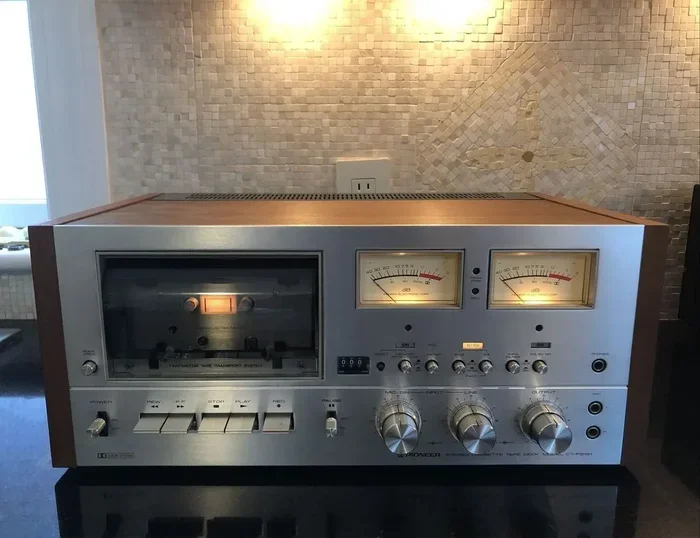
Method 3: Buy or Find a Vintage Tape Deck
The most authentic way to play cassettes is with a real tape deck. You can find used cassette players at thrift stores, garage sales, and online marketplaces. A portable boombox with a built-in tape player works great for casual listening. For better sound quality, look for a standalone cassette deck from brands like Sony, Technics, or Nakamichi.
Before buying a used deck, test it if you can. The tape heads need to be clean, and the belts inside should not be worn out. A dirty or broken tape deck can damage your tapes. But a well-maintained deck will deliver beautiful, warm sound that no modern device can fully replicate.
Method 4: Use a Bluetooth Cassette Adapter
Want wireless freedom? Some companies make Bluetooth cassette adapters. These work just like regular adapters, but they transmit audio wirelessly to a Bluetooth speaker or headphones. You get the simplicity of a cassette adapter with the convenience of wireless listening.
The downside is that Bluetooth adds a slight delay and compresses the audio slightly. For casual listening, it works fine. For critical listening or archival purposes, a wired connection is better.
Connecting Your Cassette Player to Modern Equipment
Once you have a cassette player or tape deck, you need to connect it to your modern audio system. This is where many people get stuck, but it is actually quite straightforward.
Using RCA Cables
Most cassette decks have RCA output jacks, usually color-coded red and white. You can plug these into a modern receiver, amplifier, or powered speakers with matching inputs. RCA cables are cheap and widely available. This connection gives you the best sound quality for analog audio.
If your modern receiver only has optical or digital inputs, you will need a converter box that changes the analog signal to digital. These are affordable and easy to find online.
Using an Aux Cable
Many cassette adapters and portable tape decks have a 3.5mm aux output. You can plug this directly into a powered speaker, a car stereo aux input, or any device with a standard headphone jack. It is one of the easiest ways to get tape audio into a modern setup.
Using a Cassette-to-Bluetooth Solution
If you want to go wireless, you can pair a cassette player with a Bluetooth speaker using a small adapter. Plug the adapter into the cassette player’s aux or headphone output, then pair the adapter with your Bluetooth speaker. This works well for casual listening in the kitchen, at a party, or outdoors.
Some people also ask about connecting old media players to modern displays. For example, you might wonder if you can still use your VCR with digital TV when dealing with older video formats. The same principles apply: you need the right cables or converters to bridge old and new technology.
Quick Tips for Better Sound Quality
- Clean your tape heads with a cotton swab and isopropyl alcohol before each use.
- Store tapes away from heat and moisture to prevent warping and mold.
- Use high-quality cables to reduce signal loss.
- Adjust the azimuth setting on your tape deck for the clearest sound.
- Rewind tapes fully before storing them to prevent uneven tension.
Converting Your Cassette Tapes to Digital Files
One of the best things you can do for your cassette collection is digitize it. Analog audio degrades over time. Magnetic tape loses its coating, tapes stretch, and the sound quality drops. By converting your tapes to digital files, you preserve the music forever.
What You Need for Digital Conversion
To convert tapes to digital files, you need three things:
- A cassette player or tape deck in working condition.
- A USB cassette converter or an audio interface with a line-in port.
- Recording software on your computer, such as Audacity (which is free).
Step-by-Step Conversion Process
Here is the basic process:
- Connect your cassette player to the converter using RCA or aux cables.
- Plug the converter into your computer’s USB port.
- Open your recording software and select the correct input source.
- Press record on the software, then press play on the tape deck.
- Let the entire side of the tape record.
- Stop the recording and save the file as an MP3 or WAV.
- Repeat for the other side of the tape.
The whole process takes about as long as the tape itself. A 90-minute tape takes 90 minutes to convert. It is not fast, but the result is worth it. Once digitized, you can listen to your tapes on any device, anywhere.
Storing and Organizing Digital Files
After conversion, organize your files properly. Name each file with the artist, album, and track information. Create folders by year or genre if you like. Back up your files to an external hard drive and a cloud service. This way, your digitized collection survives even if your computer crashes.
Some people also wonder about connecting other vintage devices to modern screens. For instance, you might be curious if you can connect your Wii to your TV with an HDMI cable for retro gaming. The same idea of bridging old and new applies here.
Common Mistakes When Converting Tapes
Avoid these pitfalls that people often run into:
- Using a low-quality converter: Cheap converters can introduce noise and distortion. Spend a little more for better results.
- Skipping tape cleaning: Dirty tapes sound terrible. Clean them before every recording session.
- Recording at the wrong volume: Too low and you get a noisy file. Too high and you get distortion. Test levels first.
- Not saving in a lossless format: WAV files preserve the full audio quality. MP3s are smaller but lose some detail.
- Forgetting to label files: You will forget which tape is which if you do not label them during conversion.
Comparing the Different Playback Methods
Not sure which method is right for you? Here is a quick comparison of the main options.
| Method | Cost | Sound Quality | Convenience | Best For |
|---|---|---|---|---|
| Cassette Adapter | $5-$15 | Good (depends on deck) | Very Easy | Casual listening in cars or boomboxes |
| USB Cassette Converter | $20-$50 | Very Good | Moderate | Digitizing and preserving tapes |
| Vintage Tape Deck | $30-$200+ | Excellent | Easy | Authentic playback experience |
| Bluetooth Cassette Adapter | $15-$30 | Good | Very Easy | Wireless casual listening |
The right choice depends on what you want. If you just want to listen casually, a cassette adapter is the fastest solution. If you want to preserve your collection, invest in a USB cassette converter. If you want the full experience, hunt down a quality tape deck.
Taking Care of Your Cassette Tapes
Once you get your tapes playing again, you want to keep them in good shape. Proper care extends the life of your collection by decades.
Cleaning Your Tapes
Dust and debris build up on tape surfaces over time. Use a clean, dry cloth to wipe the outer shell. For the tape itself, use a cassette cleaning kit or a soft brush designed for tape heads. Never use alcohol or harsh chemicals directly on the tape surface.
Storing Tapes Properly
Store tapes upright, like books on a shelf. Keep them away from direct sunlight, heat sources, and magnets. A cool, dry room is ideal. Avoid attics and basements where temperature and humidity fluctuate wildly.
Rewinding Before Storage
Always rewind tapes fully before putting them away. Uneven tension causes warping over time. A fully rewound tape stays in better shape for years.
Some collectors also use devices to bake slightly warped tapes in a low-temperature oven. This can temporarily restore tape flexibility and improve playback. However, this should only be done as a last resort and with extreme caution.
Expert Insights on Cassette Playback
We asked a few audio enthusiasts about their tips for playing old cassette tapes on modern setups. Here is what they had to say.
Clean your heads regularly. Even a brand-new tape deck can sound terrible if the heads are dirty. A quick cleaning before each session makes a noticeable difference.
Invest in a good adapter. Not all cassette adapters are created equal. A well-built adapter reduces wow and flutter, giving you smoother, more consistent playback.
Digitize early. Old tapes do not last forever. The magnetic coating breaks down over time. The sooner you convert your tapes to digital, the better your chances of preserving the audio.
Use quality cables. A $5 RCA cable can introduce more noise than a $15 one. When you are dealing with delicate analog signals, good cables matter.
Many of these same principles apply when connecting other legacy devices to modern equipment. For instance, if you are trying to get audio from an older device into a modern setup, you might find it helpful to understand how to connect a Blu-ray player to a laptop. The connection concepts are very similar, and the troubleshooting tips overlap.
Conclusion
Playing your old cassette tapes with modern devices is a rewarding experience that brings your music collection back to life. Whether you choose a simple cassette adapter, a USB converter for digitization, or a vintage tape deck for the authentic experience, you have options that fit every budget and skill level.
The key is to start. Pick one method that fits your situation, gather your cables and equipment, and hit play. You will be surprised how quickly you are lost in the warm, rich sound of analog music again. Your tapes have been waiting for this moment. Give them the second life they deserve.
Take care of your tapes, digitize your favorites, and share the experience with friends who might not even know cassettes exist. The world of vintage audio is waiting for you, and it is more alive than ever.
Frequently Asked Questions
Can I play cassette tapes without a cassette player?
Yes, you can. A USB cassette converter lets you digitize tapes and play them on your computer or phone. You can also use a cassette adapter to play tapes through a Bluetooth speaker or car stereo. Both options work without a traditional tape deck.
Do cassette adapters work with Bluetooth speakers?
They work with any device that has a speaker output. If your Bluetooth speaker has an aux input, you can plug the cassette adapter directly into it. If your speaker only connects via Bluetooth, you will need a Bluetooth cassette adapter or a separate Bluetooth transmitter.
How long do cassette tapes last?
With proper storage, cassette tapes can last 30 years or more. However, magnetic tape degrades over time, especially in hot or humid conditions. Digitizing your tapes is the best way to preserve them permanently.
Can I record over old cassette tapes?
Yes, you can record over old tapes if you no longer need the original content. However, each generation of recording loses some audio quality. If the tape has sentimental or archival value, keep the original and make a copy instead.
What causes cassette tapes to sound muffled?
Muffled sound usually comes from dirty tape heads, worn-out belts inside the player, or degraded tape. Cleaning the heads with a cotton swab and isopropyl alcohol often fixes the issue. If the tape itself is old, it may need baking to restore flexibility.
Is it worth converting old cassette tapes to digital?
Absolutely. Digital files do not degrade over time like magnetic tape does. Once converted, you can back up your music to multiple devices and cloud services. It is the best way to ensure your collection survives for decades to come.
=== META DESCRIPTION ===
Learn how to play your old cassette tapes with modern devices. Our complete guide covers adapters, converters, and tips for enjoying your vintage music collection today.