How Do Cable Companies Limit Your Internet Speed Today
Cable companies limit your internet speed through throttling, data caps, and network management. Understanding these practices helps you take control of your connection. This guide breaks down the reasons, methods, and solutions in simple terms.
Have you ever noticed your internet slowing down at the worst possible time? You are streaming your favorite show, and suddenly the video starts buffering. Or maybe you are in the middle of a video call and your connection drops. It is frustrating, right?
The truth is that cable companies limit your internet speed more often than you might think. They use various methods to control the flow of data across their networks. Understanding how this works can empower you to take action. In this article, we will explore the real reasons behind speed limits, the techniques cable providers use, and most importantly, what you can do about it.
Whether you are dealing with slow download speeds or inconsistent upload speeds, this guide has you covered. We will break everything down in plain language. No technical jargon. No confusing terms. Just clear, actionable information that helps you get the most out of your internet connection.
Key Takeaways
- Network Congestion: Cable companies slow speeds during peak hours when many users are online.
- Data Caps: Most ISPs impose monthly data limits that trigger speed reductions once exceeded.
- Throttling: Intentional speed reduction targets heavy data users and specific activities like streaming.
- Traffic Shaping: ISPs prioritize certain types of traffic over others to manage network load.
- Solutions Exist: Using a VPN, upgrading your plan, or switching providers can help restore full speeds.
- Know Your Rights: Net neutrality rules and FCC regulations offer some consumer protections.
📑 Table of Contents
- What Is Internet Throttling?
- How Cable Companies Manage Network Traffic
- Data Caps and Their Impact on Speed
- Peak Hours and Network Congestion
- Net Neutrality and Its Role in Speed Limits
- How to Check If Your Speed Is Being Limited
- What You Can Do to Restore Your Speed
- Common Mistakes People Make About Cable Speed Limits
- Expert Insights on Cable Speed Management
- Final Thoughts
What Is Internet Throttling?
Internet throttling is when your internet service provider intentionally slows down your connection. It is one of the most common ways cable companies limit speed. But why do they do it?
Why Do Cable Companies Throttle Speeds?
There are several reasons cable companies throttle internet speeds. Let us look at the most common ones.
- Network Congestion: During peak hours, many users are online at the same time. Cable networks have limited capacity. To manage the load, providers may slow down certain users.
- Data Caps: Many cable plans come with a monthly data cap. Once you hit that limit, the provider may reduce your speed for the rest of the billing cycle.
- Heavy Usage Detection: If you use a lot of bandwidth through streaming or large downloads, the provider may flag your account and throttle your connection.
- Paid Prioritization: Some providers slow down traffic from competing services while favoring their own or partnered platforms.
How Throttling Affects Your Daily Use
Throttling can impact almost everything you do online. Video calls may freeze. Game downloads take forever. Even simple web pages load slowly. The frustration builds up fast.
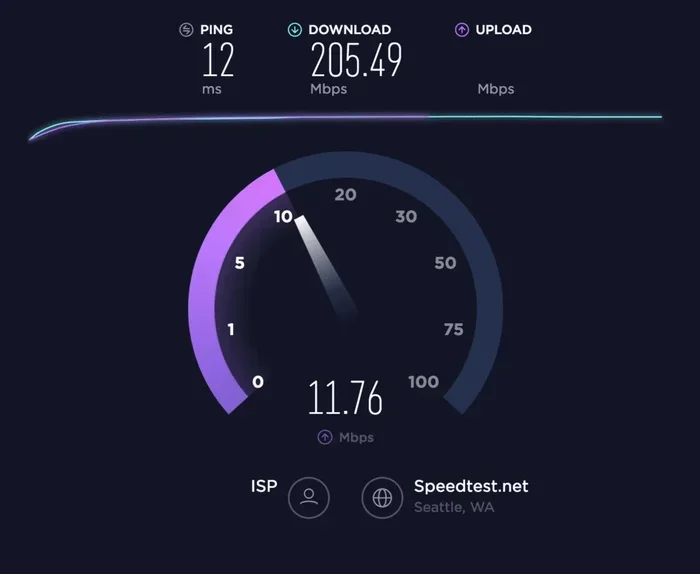
One easy way to check if you are being throttled is to run a speed test. Test your speed at different times of the day. If you notice a big drop during evening hours, throttling is likely the culprit.
How Cable Companies Manage Network Traffic
Cable companies do not just throttle randomly. They use specific traffic management techniques to control how data moves through their networks. These methods are designed to keep the overall system running smoothly.
Quality of Service (QoS) Settings
Many cable providers use Quality of Service settings. QoS allows the network to prioritize certain types of traffic. For example, a provider might give priority to voice calls over file downloads. This sounds reasonable on the surface, but it can also be used to slow down specific services.
Deep Packet Inspection
Deep Packet Inspection (DPI) is a more advanced technique. It allows the provider to look inside data packets moving through the network. With DPI, the ISP can identify what type of traffic you are using. Is it streaming video? Is it gaming? Is it file sharing? Based on this, they can decide to slow it down.
Peering and Interconnection Agreements
Cable companies connect to other networks through peering agreements. Sometimes these agreements break down. When they do, one network may become congested. This can cause slow speeds for users, even if the cable company itself is not actively throttling.
Data Caps and Their Impact on Speed
Data caps are one of the most common ways cable companies limit internet speed. A data cap is a monthly limit on how much data you can use. Once you exceed it, your provider reduces your speed.
How Data Caps Work
Most cable internet plans come with a set data limit. Common caps range from 1 TB to 1.2 TB per month. For average users, this is usually enough. But for heavy users, it can be a real problem.
Here is how it typically works:
- You use the internet throughout the month.
- The provider tracks your total data usage.
- Once you hit the cap, your speed drops significantly.
- The speed stays low until the next billing cycle starts.
Who Is Most Affected by Data Caps?
Not everyone feels the impact equally. Here is a quick look at who gets hit the hardest.
- Streaming Fans: Watching HD or 4K content uses a lot of data. A few hours of streaming can eat up gigabytes quickly.
- Remote Workers: Video calls, file uploads, and cloud backups add up fast during a workday.
- Gamers: Game downloads and updates can be massive. Some games exceed 100 GB each.
- Large Families: More devices mean more data usage. A household with five or more connected devices can blow through a cap easily.
Peak Hours and Network Congestion
Cable networks are shared resources. This means your neighbors are using the same infrastructure you are. During peak hours, usually between 6 PM and 11 PM, the network gets crowded.
Why Evenings Are the Slowest
Most people come home from work or school in the evening. They turn on their TVs, stream videos, and browse the web. This creates a spike in demand. Cable companies struggle to keep up with the surge.
The result? Slower speeds for everyone. Some providers openly admit to managing traffic during these hours. Others do it quietly in the background.
How to Avoid Peak Hour Slowdowns
You cannot control when your neighbors go online. But you can adjust your own habits. Here are some tips:
- Schedule Large Downloads: Set large files to download overnight or early in the morning.
- Use Off-Peak Hours: If your provider offers off-peak data, use it during high-traffic times.
- Upgrade Your Plan: Some plans offer higher speeds that handle congestion better.
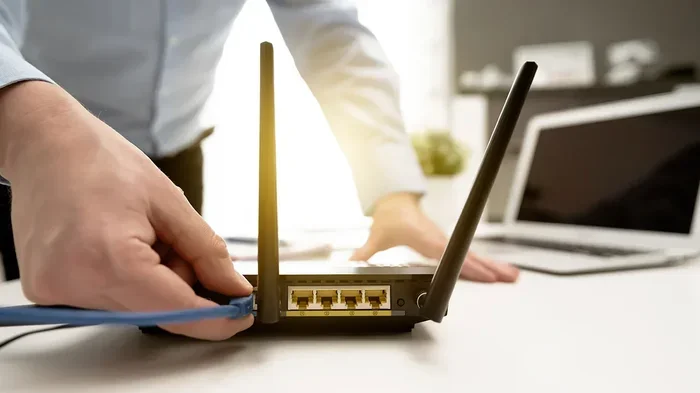
- Use an Ethernet Connection: A wired connection is more stable than Wi-Fi during congested periods. You can learn more about extending your network with an Ethernet cable to improve stability.
Net Neutrality and Its Role in Speed Limits
The debate around net neutrality is closely tied to how cable companies manage speed. Net neutrality is the principle that all internet traffic should be treated equally.
What Happened to Net Neutrality Rules?
In the past, the FCC had strong net neutrality rules in place. These rules prevented ISPs from blocking or slowing down specific websites or services. However, those rules have changed over the years. Today, cable companies have more freedom to manage traffic as they see fit.
What This Means for You
Without strong net neutrality protections, cable companies can:
- Slow down competitors’ services.
- Charge extra for faster access.
- Prioritize their own content and platforms.
This creates an uneven playing field. Your connection speed may depend not just on your plan, but on what you are trying to access.
How to Check If Your Speed Is Being Limited
Not sure if your cable company is limiting your speed? There are several ways to find out.
Step-by-Step Speed Testing
Follow these steps to check your actual speeds:
- Run a speed test using a free online tool like Speedtest.net.
- Note the time of day and your results.
- Repeat the test at different times over several days.
- Compare your results to the speeds promised in your plan.
- Look for patterns. Are speeds consistently lower during certain hours?
Signs Your Speed Is Being Throttled
Watch out for these warning signs:
- Speeds drop significantly during evening hours.
- Streaming quality decreases even though you pay for high-speed internet.
- Downloads take much longer than expected.
- Your Wi-Fi card or modem shows normal signal strength but speeds are still slow.
If you notice these patterns, your cable company may be actively limiting your connection. Before you consider replacing any hardware, it is worth checking your plan and data usage first. You can read more about common reasons your Wi-Fi card may not be the problem before making any costly upgrades.
What You Can Do to Restore Your Speed
Finding out your cable company is limiting your speed can be frustrating. But you are not powerless. There are several steps you can take to fight back.
Use a VPN
A Virtual Private Network encrypts your internet traffic. This makes it harder for your provider to see what you are doing. When they cannot identify specific types of traffic, they are less likely to throttle it.
A VPN will not bypass data caps, but it can help prevent traffic shaping based on content type.
Upgrade Your Internet Plan
If you consistently hit your data cap, consider upgrading to a plan with a higher limit. Some providers offer unlimited data plans, though they usually cost more. The extra expense may be worth it if slow speeds are affecting your work and entertainment.
Switch to a Different Provider
Not all providers throttle the same way. Some cable companies are more aggressive than others. If speed limits are a constant problem in your area, it may be time to explore alternatives. Fiber optic providers, for example, often offer better speeds without throttling.
Contact Your Provider
Sometimes a simple phone call solves the problem. Ask your provider about your data usage and any active speed management. You may find that a plan adjustment or a one-time reset restores your full speed.
Monitor Your Usage
Keep track of how much data you use each month. Most providers offer online dashboards where you can check your usage. Staying aware of your consumption helps you avoid surprise speed drops.
Common Mistakes People Make About Cable Speed Limits
Many users make mistakes when dealing with slow internet. Avoid these common pitfalls.
Assuming Your Router Is the Problem
A slow router can certainly cause speed issues. But it is not always the source. Before you buy a new router, rule out ISP throttling and data caps first.
Ignoring Your Data Cap
Many users do not even know they have a data cap. Check your plan details carefully. Understanding your limits is the first step to managing them.
Blaming Wi-Fi for Everything
Wi-Fi issues are real, but they do not explain every slow speed problem. If your wired connection is also slow, the issue likely lies with the provider, not the wireless signal.
Expert Insights on Cable Speed Management
Industry experts agree that cable companies will continue to use traffic management techniques for the foreseeable future. The key is transparency. Consumers deserve to know when and why their speeds are being limited.
According to broadband analysts, the shift toward fiber optic networks is slowly reducing the need for throttling. Fiber offers much higher capacity and more consistent speeds. As fiber becomes more widely available, cable providers may face pressure to improve their own networks.
Until then, staying informed is your best defense. Know your plan, monitor your usage, and take action when speeds drop below what you are paying for.
Final Thoughts
Cable companies limit your internet speed for a variety of reasons. Network congestion, data caps, traffic shaping, and throttling all play a role. While some management is necessary to keep networks running, excessive limits can ruin your online experience.
The good news is that you have options. Use a VPN, upgrade your plan, monitor your data, or switch providers. Each step puts you back in control of your connection.
Do not let your cable company dictate how fast your internet runs. Stay informed, stay proactive, and enjoy the speeds you are paying for.
Frequently Asked Questions
How can I tell if my cable company is throttling my internet?
Run speed tests at different times of the day, especially during peak evening hours. If your speeds consistently drop well below what your plan promises, throttling is likely. Using a VPN can also help confirm if your provider is slowing specific types of traffic.
Do all cable companies use data caps?
Not all, but most major cable providers impose some form of data limit. The typical cap ranges from 1 TB to 1.2 TB per month. Always check your plan details to understand your specific data allowance and any overage consequences.
Can a VPN stop my cable company from throttling my speed?
A VPN can help prevent throttling based on content type by encrypting your traffic. However, it will not bypass data caps. If your provider slows you down after you hit a data limit, a VPN alone will not fix that issue.
What is the difference between throttling and network congestion?
Throttling is when your provider intentionally slows your connection. Network congestion happens when too many users are online at the same time, causing general slowdowns. Both result in slower speeds, but the causes and solutions differ.
Are there any laws against cable companies limiting internet speed?
Net neutrality rules used to restrict ISP throttling, but those protections have weakened over time. The FCC currently has limited enforcement power in this area. Some states have passed their own net neutrality laws, so protections vary by location.
Should I switch from cable to fiber internet for better speeds?
Fiber optic internet typically offers faster, more consistent speeds without throttling. If fiber is available in your area, it is worth considering. However, availability is still limited in many regions, so cable may remain your best option for now.
=== CONCLUSION ===
Cable companies limit your internet speed through a combination of throttling, data caps, traffic shaping, and network congestion management. These practices affect millions of users every day. But understanding how they work gives you the power to respond effectively.
Use speed tests to monitor your connection. Keep an eye on your data usage. Consider a VPN or a plan upgrade when needed. And remember, your internet speed should match what you are paying for. Do not settle for less.