Do Wireless Meat Thermometers Work and Why It Matters
Wireless meat thermometers work by using Bluetooth or WiFi signals to send cooking temperatures directly to your phone or display. They eliminate the need to stand by the grill or oven, giving you freedom to move around while your meat cooks perfectly. Whether you are grilling outdoors or roasting in the kitchen, a wireless thermometer takes the guesswork out of cooking and helps you achieve the right temperature every time.
Wireless meat thermometers have changed the way people cook. If you have ever stood over a hot grill, hovering a traditional thermometer in and out of your steak, you know how frustrating cooking without one can be. A wireless meat thermometer takes all that hassle away. It sends real-time temperature data straight to your phone or a dedicated receiver. This lets you relax, hang out with guests, or handle other tasks while your meal cooks to perfection.
But here is the real question: do wireless meat thermometers actually work? The short answer is yes. They absolutely do. The technology behind them is straightforward and proven. Bluetooth and WiFi signals carry temperature readings from a probe inside the meat to a device you can check from across the room. The key is understanding how they work, what to look for, and how to use them correctly. This guide covers everything you need to know.
Whether you are a weekend griller, a backyard BBQ enthusiast, or someone who just wants juicier chicken breasts, a wireless thermometer can make a big difference. Let us dive into how they work, what makes them tick, and why they are worth your attention.
Key Takeaways
- Wireless meat thermometers do work: They use Bluetooth or WiFi technology to transmit temperature readings to your phone or receiver in real time.
- They improve cooking accuracy: You can monitor internal meat temperatures without opening the oven or grill, which keeps heat consistent.
- Phone connectivity is a game changer: Most modern wireless thermometers connect to smartphone apps that send alerts when your meat reaches the target temperature.
- They work with different cooking methods: Grilling, smoking, roasting, and baking all benefit from wireless temperature monitoring.
- Range matters: Wireless thermometers vary in signal range, so pick one that suits your cooking setup, whether it is a small kitchen or a large backyard.
- They are easy to use: Most models require minimal setup and are beginner-friendly.
- Investing in a good one pays off: A quality wireless meat thermometer saves time, reduces food waste, and helps you cook like a pro.
📑 Table of Contents
- How Do Wireless Meat Thermometers Work?
- Do Wireless Meat Thermometers Really Work Well?
- Benefits of Using a Wireless Meat Thermometer
- Things to Consider Before Buying
- Common Mistakes People Make With Wireless Thermometers
- How Wireless Thermometers Compare to Other Types
- Expert Tips for Getting the Most Out of Your Wireless Thermometer
- Final Thoughts
How Do Wireless Meat Thermometers Work?
The Basic Technology Behind Wireless Thermometers
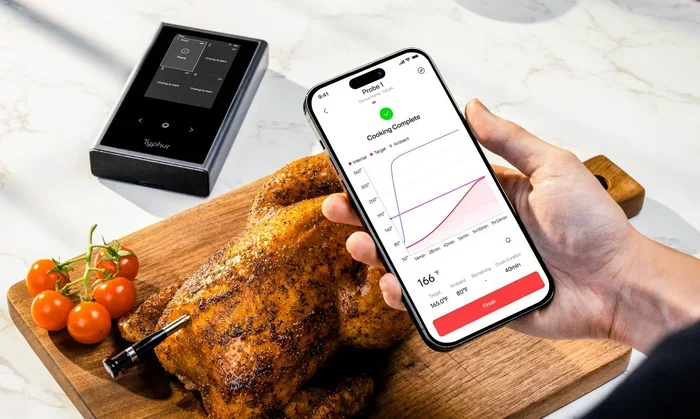
A wireless meat thermometer has two main parts. The first is a probe that goes inside the meat. The second is a transmitter that sends the temperature data wirelessly. Most models use either Bluetooth or WiFi to connect to your phone or a standalone display unit.
When the probe reads the internal temperature of the meat, it sends that data through the air to your device. You can check the temperature on your smartphone without opening the oven or lifting the grill lid. This is a huge advantage because every time you open a grill or oven, you lose heat. Keeping the lid closed means more consistent cooking and better results.
Some models use a dedicated receiver that sits on your counter. Others connect directly to an app on your phone. Both approaches work well. The choice depends on your cooking style and how much you like using technology in the kitchen.
Bluetooth vs WiFi: What Is the Difference?
Bluetooth wireless thermometers connect to your phone over short distances. Most Bluetooth thermometers work within about 30 to 100 feet. They are great for backyard grilling where you are nearby. The signal is strong and uses very little battery power.
WiFi thermometers connect to your home network. They can send data over longer distances, sometimes across your entire property. Some WiFi models even let you check the temperature when you are not at home. This is helpful if you are smoking a brisket for 12 hours and want to check on it from the couch or even while running errands.
Both Bluetooth and WiFi thermometers get the job done. Bluetooth is simpler and uses less power. WiFi offers more range and flexibility. If you want to check on your food from far away, WiFi is the better choice. If you just want easy monitoring during a cookout, Bluetooth works great.
Do Wireless Meat Thermometers Really Work Well?
Accuracy of Wireless Thermometers
Accuracy is the most important thing in a meat thermometer, and wireless models deliver. Most quality wireless thermometers are accurate within plus or minus 1 to 2 degrees Fahrenheit. That is more than good enough for cooking meat safely and getting great results.
However, not all thermometers are created equal. Cheap models may give inconsistent readings. The probe placement matters too. You want the sensor positioned in the thickest part of the meat, away from bones and fat. When you use the thermometer correctly, the readings are reliable and trustworthy.
It is also important to calibrate your thermometer now and then. Just like a traditional thermometer, wireless probes can drift over time. A quick ice water test can confirm your thermometer is still reading correctly. Drop the probe in a glass of ice water and make sure it reads 32 degrees Fahrenheit. If it does not, check the manufacturer guide for recalibration steps.
Real-World Performance: What Users Say
Most people who use wireless meat thermometers are very happy with them. They love the convenience of checking temperatures from their phone. Many users say they no longer overcook their food. That alone makes the investment worthwhile.
Some users report occasional Bluetooth connection drops. This is normal and usually happens when the phone is too far from the grill. Moving closer or checking the app settings usually fixes the problem. Overall, the performance of modern wireless thermometers is excellent and continues to improve with each new model.
If you compare wireless thermometers to traditional instant-read thermometers, the wireless option wins for convenience. You do not have to stand over the grill or open the oven every few minutes. The wireless probe stays inside the meat and sends updates automatically. This is a clear advantage for any home cook.
Benefits of Using a Wireless Meat Thermometer
Hands-Free Cooking
The biggest benefit is hands-free cooking. You do not need to stand by the grill or oven. You can relax inside, entertain guests, or take care of other tasks. The thermometer does the monitoring for you. It sends alerts to your phone when the meat reaches the target temperature.
This is especially useful for low and slow cooks like brisket, pork shoulder, or whole turkey. These cuts take hours to cook. Walking outside every 15 minutes to check the temperature is exhausting. A wireless probe lets you focus on other things while still keeping an eye on your food.
Better Cooking Results
Wireless thermometers help you cook more evenly. Because you can monitor the internal temperature without opening the cooking vessel, heat stays consistent. This leads to juicier meats and better texture.
Many wireless thermometers come with preset temperature guides for different meats. You can set the target temperature for chicken, steak, pork, or fish. The app or display will alert you when the meat is done. This removes guesswork and takes the stress out of cooking.
Food Safety
Cooking meat to the right internal temperature is essential for food safety. Undercooked chicken, pork, and ground beef can harbor harmful bacteria. A wireless thermometer takes the uncertainty out of the equation. You know exactly when your meat has reached a safe temperature.
The USDA recommends specific internal temperatures for different meats. Chicken should reach 165 degrees Fahrenheit. Ground beef should reach 160 degrees. Pork is safe at 145 degrees. A good wireless thermometer helps you hit these targets every time, keeping your family safe.
Smart Features and App Integration
Many wireless thermometers today connect to smartphone apps. These apps offer features like temperature graphs, cooking timers, and custom alerts. Some apps even suggest target temperatures based on the type of meat and your preferred level of doneness.
You can monitor multiple probes at once if your thermometer supports it. This is great when you are cooking different meats at the same time. You can track the temperature of a roast and a chicken breast at the same time, all from one app on your phone.
Things to Consider Before Buying
Wireless Range
The wireless range determines how far you can be from the grill or oven and still get readings. Bluetooth thermometers typically work within 30 to 100 feet. WiFi thermometers can reach much farther, sometimes across the entire property.
Think about your cooking setup. If you mostly grill in the backyard and stay nearby, Bluetooth is fine. If you like to smoke meat for hours and want to check from inside the house, WiFi is a better option.
Probe Quality and Durability
The probe is the most important part of any thermometer. Look for probes made from stainless steel. They should be heat-resistant and sturdy. Cheap probes can bend, break, or give inaccurate readings after a few uses.
Some probes are designed to stay in the meat for the entire cook. Others are meant to be removed and read manually. Make sure you understand what type of probe your thermometer uses before you buy.
Battery Life
Wireless thermometers run on batteries. The probe and the transmitter both need power. Battery life varies by model. Some last a few hours, while others can run for days on a single charge.
If you do long cooks like smoking a whole hog, battery life matters a lot. Look for models with rechargeable batteries or long-lasting disposable options. Some thermometers even let you charge the probe via USB, which is very convenient.
Ease of Use
A good wireless thermometer should be easy to set up and use. The app should be intuitive. The probe should be simple to insert. If you are not tech-savvy, look for models with straightforward controls and clear instructions.
Many modern wireless thermometers connect to your phone in seconds. You open the app, pair the device, and you are ready to go. The learning curve is minimal, and most people feel comfortable using them right away.
Common Mistakes People Make With Wireless Thermometers
Even though wireless thermometers are easy to use, people do make mistakes. Here are a few to avoid.
Not calibrating the thermometer: Over time, probes can lose accuracy. Check your thermometer regularly with an ice water test. This keeps your readings precise and reliable.
Placing the probe incorrectly: The probe should sit in the thickest part of the meat. Avoid touching bone, fat, or the side of the pan. These can give false readings that lead to overcooked or undercooked food.
Ignoring signal range: If you go too far from the grill, the Bluetooth connection may drop. Stay within range or choose a WiFi model if you need more distance. Some people also forget to check their phone settings, which can interfere with the wireless connection.
Not reading the manual: Every thermometer is different. Taking a few minutes to read the instructions can save you frustration later. You will learn the best practices for setup, charging, and maintenance.
Using the thermometer for everything: While wireless thermometers are great for meat, some models are not designed for high-heat environments like a pizza oven or deep fryer. Check the temperature rating before using it in extreme heat.
How Wireless Thermometers Compare to Other Types
The market has several types of meat thermometers. Here is how wireless models stack up against the alternatives.
Instant-read thermometers give you a quick temperature check. You insert the probe, wait a few seconds, and read the display. They are fast and affordable. However, you have to open the grill or oven every time, which releases heat and slows cooking.
Oven-safe dial thermometers stay inside the oven during cooking. They have a dial face that you can read from outside. They are convenient but less accurate than digital options. They also do not send alerts or connect to your phone.
Wired digital thermometers connect the probe to a base unit with a cable. They are accurate and reliable. But the wire can get in the way, and you must stay near the oven or grill to see the display.
Wireless thermometers combine the best of both worlds. They are accurate like digital thermometers but offer the freedom of wireless connectivity. You get real-time alerts, app integration, and hands-free monitoring. For most home cooks, a wireless thermometer is the best all-around choice.
If you already use wireless devices in your kitchen, you know how convenient they can be. In fact, wireless technology has transformed many kitchen gadgets. Just like how wireless chargers work on different phones using standardized technology, wireless thermometers use Bluetooth and WiFi protocols to connect seamlessly with your devices. Similarly, many people wonder if their existing wireless gadgets can communicate with each other, much like asking whether a wireless controller works with a phone — the answer is usually yes, as long as the protocols match.
Expert Tips for Getting the Most Out of Your Wireless Thermometer
Preheat your grill or oven first: Let it reach the target temperature before inserting the probe. This ensures the thermometer starts reading accurately from the beginning.
Use multiple probes for big meals: If you are cooking a turkey and a roast at the same time, a dual-probe thermometer lets you monitor both at once. Many wireless models support two or more probes on a single app.
Set alerts for doneness: Most apps let you set target temperatures. When the meat hits that temperature, the app sends a notification. This means you can walk away and trust the thermometer to tell you when to take the meat off the heat.
Keep the probe clean: Wash the probe after each use. Grease and food residue can affect accuracy over time. A quick rinse and gentle wipe keeps the probe in top shape.
Store the probe carefully: Do not kink or bend the wire or probe cable. Store it in a case or wrap it loosely. Proper storage extends the life of your thermometer significantly.
Update the app regularly: Manufacturers often release firmware and app updates that improve performance and add features. Keeping your app up to date ensures the best experience.
Final Thoughts
So, do wireless meat thermometers work? Absolutely. They are accurate, convenient, and a game changer for any home cook. Whether you are grilling steaks on a Saturday afternoon or smoking a whole turkey for Thanksgiving, a wireless thermometer takes the guesswork out of cooking. You get real-time temperature updates, alerts when your food is done, and the freedom to enjoy your time instead of hovering over the grill.
The technology is proven and reliable. Bluetooth and WiFi connections have become standard in kitchen gadgets, and wireless thermometers are no exception. With so many great models on the market at different price points, there has never been a better time to invest in one.
If you care about cooking great food and keeping your kitchen efficient, a wireless meat thermometer is a must-have tool. It pays for itself the first time you avoid overcooking a expensive cut of meat. Pick a model that fits your needs, follow the tips in this guide, and you will be cooking like a pro in no time.
Frequently Asked Questions
How accurate are wireless meat thermometers?
Most quality wireless meat thermometers are accurate within plus or minus 1 to 2 degrees Fahrenheit. This level of accuracy is more than sufficient for cooking meat safely and getting excellent results. Always calibrate your thermometer periodically to maintain precision.
Can I use a wireless meat thermometer in the oven?
Yes, many wireless meat thermometers are oven-safe. However, you should check the temperature rating of your specific model before using it in the oven. Some probes are designed for high-heat environments while others are better suited for grilling and smoking only.
How far can I be from the grill with a wireless thermometer?
Bluetooth thermometers typically work within 30 to 100 feet. WiFi models can reach much farther, sometimes across your entire property. The range depends on the model and your home’s wireless signal strength. Always check the manufacturer’s stated range before purchasing.
Do wireless meat thermometers work with all phones?
Most wireless thermometers work with both iPhone and Android devices. You simply download the manufacturer’s app and pair the thermometer through Bluetooth or WiFi. Make sure your phone meets the minimum operating system requirements listed by the manufacturer.
How long do wireless meat thermometer batteries last?
Battery life varies by model and usage. Most probes last between 4 and 24 hours on a single charge. Some models use replaceable batteries that can last for months with regular use. If you do long cooks, consider a model with a rechargeable battery or one that supports extended cooking times.
Is a wireless meat thermometer worth the money?
Yes, a wireless meat thermometer is worth the investment for most home cooks. It saves time, prevents overcooking, and improves food safety. The convenience of monitoring your meat from your phone is a significant upgrade over traditional thermometers. Even a budget-friendly model can transform your cooking experience.