Do The Northern Lights Happen Every Night Explained
No, the northern lights do not happen every night. The aurora borealis depends on solar activity, geomagnetic conditions, and clear dark skies. While they can appear on many nights during peak season, several factors determine whether you will actually see them. Understanding these conditions can dramatically improve your chances of witnessing this incredible celestial display.
Key Takeaways
- The northern lights are not a nightly guarantee: They depend on solar wind, geomagnetic storms, and clear weather conditions.
- Solar activity drives aurora displays: Without sufficient solar energy hitting Earth’s magnetic field, the lights simply do not appear.
- Location matters enormously: Being within the Arctic Circle or similar polar regions gives you the best odds of seeing the aurora borealis.
- Season and time of night play a role: Winter months and late evening hours offer the darkest skies for night sky viewing.
- Technology can help you track the lights: Apps and forecasts let you monitor solar activity and plan your aurora viewing trips accordingly.
- Patience is essential: Many travelers see the lights only after multiple nights of waiting and watching.
📑 Table of Contents
- Do The Northern Lights Happen Every Night?
- What Causes the Northern Lights?
- Why Don’t the Northern Lights Happen Every Night?
- Best Places to See the Northern Lights
- How to Maximize Your Chances of Seeing the Northern Lights
- Common Myths About the Northern Lights
- When Is the Best Time to See the Northern Lights?
- The Science Behind the Colors
- Final Thoughts
Do The Northern Lights Happen Every Night?
The short answer is no. Do the northern lights happen every night? Not even close. Many people imagine the aurora borealis lighting up the sky like a nightly light show. In reality, the northern lights are a natural phenomenon that requires very specific conditions to appear.
If you are planning a trip to see the aurora borealis, you need to understand what actually causes them and what gets in the way. This guide breaks down everything you need to know. We will cover the science, the best times, the best places, and how to boost your chances of seeing one of nature’s most breathtaking celestial displays.
The northern lights are not a fixed event on a calendar. They are a dynamic interaction between the sun and Earth. This means no two nights are ever the same. Some nights deliver spectacular curtains of green and purple light. Other nights, you might stare at a dark sky for hours and see nothing at all. Let us explore why that happens.
What Causes the Northern Lights?
Understanding the science behind the aurora borealis helps explain why they do not appear every night. The entire process starts with the sun.
The Role of Solar Wind
The sun constantly releases charged particles into space. This stream of particles is called the solar wind. When the sun is particularly active, it sends massive bursts of energy toward Earth. These bursts are known as solar flares and coronal mass ejections.
When these charged particles reach Earth, they interact with our planet’s magnetic field. The magnetic field funnels these particles toward the polar regions. That is why the northern lights mostly appear near the North Pole. The particles collide with gases in Earth’s atmosphere. These collisions create the glowing light we see as the aurora.
Why Geomagnetic Storms Matter
Not all solar activity produces visible auroras. Geomagnetic storms are the key driver. These storms measure on a scale from G1 (minor) to G5 (extreme). Only stronger storms produce auroras that are visible at lower latitudes.
During a G1 or G2 storm, the lights may only be visible very close to the poles. During a G4 or G5 storm, people as far south as the northern United States or Europe might catch a glimpse. But here is the thing. Even during a strong storm, you still need clear skies and darkness to see anything.
Why Don’t the Northern Lights Happen Every Night?
Several factors work together to determine whether the aurora borealis will be visible on any given night. Let us break them down.
Solar Activity Cycles
The sun goes through an 11-year solar cycle. During the solar maximum, the sun is more active. There are more solar flares and coronal mass ejections. This means more frequent auroras. During the solar minimum, the sun is quieter. Auroras become less frequent and less intense.
We are currently approaching a solar maximum period. This is good news for aurora watchers. But even during a solar maximum, the lights do not appear every single night. There are still quiet days when the sun stays calm.
Weather and Cloud Cover
Even if a strong geomagnetic storm is happening, clouds can block your view entirely. The aurora borealis occurs high in the atmosphere. But if thick cloud cover sits below that altitude, you will not see a thing.
This is why many aurora hunters travel to places with dry, clear climates. Locations like northern Scandinavia, Iceland, and Alaska are popular because they often have clearer skies than other polar regions.
Light Pollution
Living in a city? Your chances of seeing the northern lights drop significantly. Light pollution from streetlights, buildings, and other sources washes out the faint glow of the aurora.
To see the lights properly, you need to get away from urban areas. Many travelers drive 30 to 100 miles outside cities to find dark skies. Some even join guided aurora viewing tours that take you to remote, dark locations far from any light sources.
Time of Year and Day
The northern lights can technically happen any time of year. But you can only see them during dark hours. In summer, places like Alaska and northern Norway experience the midnight sun. The sky never gets truly dark, so the aurora becomes invisible to the naked eye.
The best months for aurora viewing are typically September through March. During these months, nights are long and dark. This gives you the best window for night sky viewing. The peak season is usually December through February, when nights are longest.
Best Places to See the Northern Lights
Location is everything when it comes to aurora borealis viewing. Some places offer far better odds than others. Here are the top destinations for northern lights chasing.
Northern Scandinavia
Norway, Sweden, and Finland sit directly under the Aurora Oval. This is a ring-shaped zone around the magnetic pole where auroras are most frequent. Tromsø, Norway is one of the most popular destinations in the world. Abisko, Sweden is famous for its microclimate, which often produces clear skies even when surrounding areas are cloudy.
Iceland
Iceland sits at a mid-latitude position. This means you can see the northern lights without traveling all the way to the Arctic. The island’s remote interior offers excellent dark skies. Many visitors combine aurora hunting with exploring glaciers, hot springs, and volcanic landscapes.
One practical tip: you can browse the internet on a tablet to check real-time aurora forecasts while you are out in the field. This makes it much easier to decide whether tonight is worth staying up for.
Alaska and Northern Canada
Fairbanks, Alaska is considered one of the best places in the United States for aurora viewing. It sits under the auroral zone and has long, dark winter nights. In Canada, places like Yellowknife and Churchill offer incredible opportunities to see the northern lights in a wild, remote setting.
Scotland and Northern England
During periods of strong solar activity, the aurora borealis can extend far south. Scotland and northern England occasionally see the lights. While these sightings are less predictable, they do happen. The northern coast of Scotland offers some of the best chances in the UK.
How to Maximize Your Chances of Seeing the Northern Lights
Seeing the northern lights is never guaranteed. But you can take concrete steps to improve your odds significantly.
Check Aurora Forecasts
Use aurora forecast apps and websites before your trip. The NOAA Space Weather Prediction Center provides real-time solar activity data. Many apps also offer KP index readings. A higher KP index means a stronger aurora and a wider viewing area.
Here is a quick look at how the KP index affects visibility:
- KP 0-2: Auroras are weak and mostly confined to very high latitudes.
- KP 3-4: Auroras become visible in northern Scandinavia and Alaska.
- KP 5-6: The lights may be visible further south, including Scotland and northern Canada.
- KP 7-9: Strong auroras can be seen at much lower latitudes, even in the northern United States.
Plan for Multiple Nights
Because the northern lights do not happen every night, planning for at least three to five nights greatly increases your chances. Many aurora tour operators offer multi-night packages. These tours monitor conditions nightly and take guests out only when the solar activity and weather align.
Dress for Extreme Cold
Best aurora viewing happens in winter. Temperatures in places like Fairbanks or Tromsø can drop well below freezing. If you are not dressed warmly, you will not stay outside long enough to enjoy the show.
Wear layers. Bring hand warmers. Use a good sleeping pad if you plan to lie outside and watch the sky. Comfort makes a huge difference in how long you can stay out and how much you enjoy the experience.
Get Away from Cities
Remember that light pollution is a major obstacle. Even if a strong aurora is happening, city lights can mask it completely. Drive out of town or join a tour that takes you to remote locations. The difference between a city sky and a truly dark sky is dramatic.
In remote areas, you might not have internet access, and you definitely do not need a service provider for your iPad or other devices to enjoy the experience. The lights are visible to the naked eye, no technology required.
Common Myths About the Northern Lights
There are several misconceptions about the aurora borealis that can lead to disappointment. Let us clear a few of them up.
Myth: You Can See Them Every Night in Winter
Just because it is winter does not mean the lights will appear. You still need solar activity and clear skies. Many visitors to Tromsø or Fairbanks spend several nights without seeing anything. This is completely normal.
Myth: the Northern Lights Are Only Green
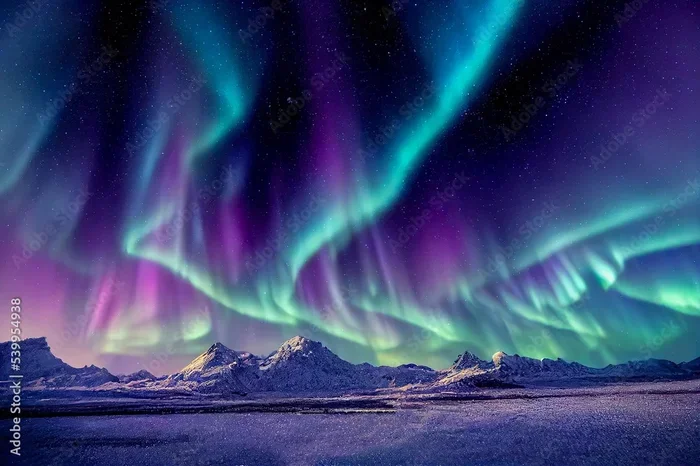
Green is the most common color because it comes from oxygen at lower altitudes. But the aurora can also produce red, pink, purple, and even blue hues. The colors depend on which gases are being excited and at what altitude the collisions occur.
Myth: You Need Expensive Gear to See Them
You do not need a telescope or expensive camera equipment to see the northern lights. Your eyes work perfectly fine. A camera can help you capture the lights and see more detail, especially with long exposures. But simply standing in a dark place and looking up is enough to enjoy the show.
When Is the Best Time to See the Northern Lights?
The best time to see the aurora borealis is during the winter months in the Northern Hemisphere. September through March offers the longest, darkest nights. Within that window, the hours between 10 PM and 2 AM local time are typically the most active for aurora displays.
However, the exact timing varies based on solar activity and local weather. Some nights the lights appear early in the evening. Other times they show up after midnight or even in the early morning hours. Flexibility is your best friend as an aurora chaser.
If you are trying to check forecasts or browse travel guides on your device, keep in mind that some remote areas may have limited or no internet connectivity. In places where the internet can be turned off due to infrastructure limitations, plan ahead by downloading maps and forecasts before you head out.
The Science Behind the Colors
The northern lights produce different colors depending on the type of gas involved and the altitude of the collision. Oxygen at lower altitudes produces the common green glow. Oxygen at higher altitudes creates rare red light. Nitrogen produces blue and purple hues.
These collisions happen between 60 and 200 miles above Earth’s surface. The entire process is triggered by particles from the solar wind interacting with our planet’s magnetic field. It is one of the most beautiful examples of space weather affecting life on Earth.
Final Thoughts
So, do the northern lights happen every night? No, they do not. The aurora borealis is a fascinating but unpredictable natural event. It requires the right combination of solar activity, clear skies, darkness, and a bit of luck.
That does not mean you should give up on seeing them. With proper planning, the right destination, and realistic expectations, your chances of witnessing this incredible celestial display are very good. The key is to understand the conditions, plan for multiple nights, and embrace the adventure of aurora hunting.
The northern lights are one of nature’s most spectacular gifts. Whether you see them on your first night or your fifth, the experience stays with you forever. Do your research, pack warm clothes, and get yourself under the darkest sky you can find. The aurora borealis is worth every bit of effort.
Frequently Asked Questions
Can you see the northern lights every night of the year?
No, the northern lights cannot be seen every night of the year. During summer months at high latitudes, the sky never gets dark enough to see the aurora. Even in winter, you still need clear skies and sufficient solar activity for the lights to appear.
What is the best month to see the northern lights?
September through March is the best period for aurora viewing. The peak months are typically December, January, and February when nights are longest and darkest. However, solar activity plays a bigger role than the calendar month.
How long do the northern lights last?
A single aurora display can last anywhere from a few minutes to several hours. Some nights feature brief, faint bursts. Other nights deliver a spectacular show that dances across the sky for hours. Geomagnetic storms often produce the longest and most vivid displays.
Can you see the northern lights from your phone?
You can use your phone to check aurora forecasts and solar activity data. Apps like the NOAA Space Weather app provide real-time updates. However, you cannot see the actual lights through your phone screen. You need to look up at the sky with your own eyes from a dark location.
Are the northern lights visible from space?
Yes, astronauts aboard the International Space Station can see the northern lights from orbit. The aurora borealis is visible from space and looks even more expansive from above. The lights wrap around the polar regions and can stretch across entire hemispheres during strong geomagnetic storms.
Do the northern lights make any sound?
Most people see the northern lights but do not hear them. However, some observers in very quiet, remote areas report hearing faint crackling or hissing sounds during strong displays. Scientists are still studying this phenomenon, but it is believed to be related to electrical activity in the atmosphere during intense aurora events.