Do I Need 1gb Internet Speed For Streaming And Gaming
Do you really need 1gb internet speed? The answer depends on how many people use your network, what devices you own, and whether you stream 4K content or play competitive online games. 1gb internet delivers blazing fast download and upload speeds that handle almost any household activity with ease. This guide breaks down real-world performance, costs, and whether upgrading to gigabit internet makes sense for your home.
You have probably seen the ads. “Get 1gb internet speed and transform your home!” But here is the real question. Do I need 1gb internet for my streaming and gaming setup? The short answer is maybe. The longer answer depends on how many people live in your home, what you watch, what you play, and how many devices are connected at the same time.
Most households get by just fine with 100 Mbps to 300 Mbps plans. But if you have a family of four, each streaming different shows, gaming online, and video calling at the same time, 1gb internet starts to make a lot of sense. It gives you headroom. It means nobody fights for bandwidth at 8 PM on a Friday night.
This guide will walk you through everything you need to know. We will look at real-world streaming and gaming needs, compare internet speed tiers, and help you decide if gigabit internet is worth the extra money. By the end, you will know exactly what speed plan fits your home.
Key Takeaways
- 1gb internet speed is more than enough for most households with multiple streamers and gamers.
- Streaming 4K video only needs 25 Mbps, but multiple devices change the equation fast.
- Online gaming relies more on low ping and stable latency than raw speed.
- Fiber optic connections deliver the most consistent 1gb performance compared to cable or DSL.
- Wi-Fi router quality matters just as much as your internet plan for actual speeds.
- Network congestion from too many devices can slow down even the fastest plans.
- Cost vs. benefit should guide your decision, not just marketing hype.
📑 Table of Contents
- What Is 1gb Internet Speed And Why Does It Matter
- How Much Internet Speed Do You Actually Need
- 1gb Internet For Streaming: Real-World Performance
- 1gb Internet For Gaming: Latency, Ping, And More
- How To Test And Improve Your Home Network
- Is 1gb Internet Worth The Extra Cost
- Quick Tips To Get The Most From Your 1gb Connection
- Common Mistakes People Make When Choosing Internet Speed
- Expert Insights On Home Network Planning
- Conclusion
What Is 1gb Internet Speed And Why Does It Matter
Let us start with the basics. 1gb internet means your connection can transfer one gigabit of data per second. That is 1000 Mbps. To put that in perspective, a typical HD movie is about 5 to 8 GB in size. With a 1gb connection, you could download that movie in roughly 40 to 60 seconds. On a 100 Mbps plan, the same download takes about 7 minutes.
The number that matters most is Mbps, which stands for megabits per second. This is the unit internet providers use to measure speed. When you see plans advertised as 100 Mbps, 300 Mbps, or 1000 Mbps, that is the download speed your connection can reach. Most plans also list an upload speed, which is usually much lower unless you have fiber.
Download Speed vs. Upload Speed
Many people only look at download speed when choosing a plan. That is a mistake. Upload speed matters a lot if you stream on Twitch, upload videos to YouTube, or join video calls for work. With most cable internet plans, your upload speed might be only 10 to 35 Mbps even if your download speed is 300 Mbps. 1gb fiber internet plans often give you symmetrical speeds, meaning your upload matches your download at 1000 Mbps each.
Fiber Optic vs. Cable vs. DSL
Not all 1gb connections are created equal. Fiber optic connections use light to transmit data, which means faster speeds, lower latency, and more reliable performance. Cable internet uses the same coaxial lines as your TV, which can slow down during peak hours when your neighbors are online. DSL uses old phone lines and rarely offers true gigabit speeds.
If you are paying for 1gb internet, make sure you are actually getting a fiber optic connection where available. Otherwise, you may not experience the full benefits of your plan.
How Much Internet Speed Do You Actually Need
This is the question most people skip. They see a fast number and assume more is better. But internet speed requirements depend entirely on what you do online and how many people share your connection.
Speed Requirements By Activity
Here is a quick look at what different online activities actually need in terms of bandwidth:
- Web browsing and email: 1 to 5 Mbps
- HD streaming (1080p): 5 to 10 Mbps
- 4K streaming (Netflix, Disney+, YouTube): 25 Mbps
- Online gaming (single player): 3 to 6 Mbps
- Online gaming (multiplayer): 6 to 25 Mbps
- Video conferencing (Zoom, Teams): 2 to 4 Mbps
- Large file uploads or backups: 50 Mbps or higher
See the pattern? Most individual activities need far less than 1gb. A single person watching Netflix in 4K while playing a casual game online would use maybe 30 to 40 Mbps total. That leaves plenty of room even on a 100 Mbps plan.
When 1gb Internet Makes Sense
1gb internet becomes useful when multiple people and devices share the same connection. Here are some common scenarios where gigabit speed really shines:
- A family of four or more, each streaming different 4K content simultaneously
- Households with multiple gamers playing competitive online games at the same time
- Home offices where someone is on a video call while others stream and game
- Smart homes with dozens of connected devices like cameras, thermostats, and speakers
- People who regularly download large game files (some are 100 GB or more)
- Content creators who upload large video files to the cloud or platforms
If none of these sound like your household, you probably do not need 1gb internet speed. A 200 to 500 Mbps plan would likely serve you just fine.
1gb Internet For Streaming: Real-World Performance
Streaming is one of the biggest bandwidth hogs in most homes. With 4K content becoming the standard on platforms like Netflix, Disney+, Amazon Prime, and YouTube, the demand for fast internet keeps growing. So how does 1gb internet handle streaming in practice?
Can 1gb Handle 4K Streaming?
Absolutely. In fact, 1gb internet can handle dozens of 4K streams at the same time. Netflix recommends 25 Mbps for 4K streaming. That means a 1gb connection could theoretically support 40 simultaneous 4K streams. In real life, you will never need that many, but it shows just how much headroom gigabit internet gives you.
The real benefit of 1gb internet for streaming is consistency. When everyone in your home is watching something, your stream will not buffer or drop in quality. With slower plans, streaming quality often drops when other devices use the network. A 1gb connection absorbs that impact easily.
Buffering and Network Congestion
Network congestion happens when too many devices compete for the same bandwidth. This is common in the evenings when everyone gets home and starts streaming. On a 50 Mbps plan, this can cause noticeable slowdowns. With 1gb internet, congestion barely registers because you have so much capacity to spare.
Here is a quick tip. Even with 1gb internet, using a wired Ethernet connection for your streaming device gives you the most stable performance. Wi-Fi can lose speed through walls and distance, but a direct cable connection keeps your buffer-free streaming experience rock solid.
Multiple Devices And The Reality Of Shared Bandwidth
Most modern homes have 10 to 20 connected devices. Smart TVs, phones, tablets, laptops, gaming consoles, smart speakers, and security cameras all compete for bandwidth. Even if each device only uses a small amount, the total adds up fast.
With 1gb internet, you never have to worry about running out of capacity. Your Wi-Fi router can distribute speed across all devices without any single one getting starved. This is especially important for households where people work from home and need reliable video calls while others entertain themselves online.
1gb Internet For Gaming: Latency, Ping, And More
Here is something most people do not realize. Online gaming does not need a lot of bandwidth. A competitive multiplayer game like Fortnite or Call of Duty uses only about 3 to 6 Mbps. Even with updates downloading in the background, 100 Mbps is usually more than enough for gaming.
So why do gamers care about 1gb internet? Because speed is not the only factor. Latency, ping, and connection stability matter just as much.
Ping Rate And Latency Explained
Ping measures how quickly your device communicates with the game server. It is measured in milliseconds (ms). A ping under 30 ms is excellent. Between 30 and 60 ms is good. Above 100 ms, you will start noticing delays in gameplay.
1gb internet does not automatically give you a lower ping. Ping depends more on your internet provider, the distance to the game server, and your connection type. Fiber optic connections generally have lower ping than cable or DSL, regardless of the speed tier.
Why Fast Speeds Help Gamers
Even though gaming itself does not use much data, fast speeds help in other ways:
- Game downloads: Modern games can be 50 to 150 GB. A 1gb connection downloads these in minutes instead of hours.
- Updates and patches: Games regularly release updates that can be several gigabytes. Fast speeds mean less waiting.
- Streaming gameplay: If you stream your gaming on Twitch or YouTube, you need strong upload speed. 1gb fiber gives you plenty of headroom for broadcasting in high quality.
- Multiplayer households: If multiple people game or stream in the same home, 1gb internet prevents any single activity from slowing down the others.
Common Gaming Mistakes That Affect Performance
Many gamers blame their internet speed for lag, but the real problem is often something else. Here are common mistakes:
- Using Wi-Fi instead of Ethernet for competitive gaming
- Having too many devices downloading or streaming during a match
- Not restarting your Wi-Fi router regularly
- Choosing a plan with high latency or inconsistent speeds
- Ignoring network congestion during peak hours
Fixing these issues often improves your gaming experience more than upgrading to a faster speed tier ever could.
How To Test And Improve Your Home Network
Before you decide whether you need 1gb internet, you should test your current setup. You might be surprised by what you find.
Running An Internet Speed Test
An internet speed test measures your current download speed, upload speed, and ping. You can run one for free at sites like Speedtest.net or Fast.com. Run the test at different times of day to see if your speeds drop during peak hours.
Here are some tips for accurate testing:
- Test with a wired Ethernet connection for the most reliable results
- Close all other apps and devices that use the internet
- Run the test at least three times and average the results
- Test both during the day and in the evening
Improving Your Wi-Fi Coverage
If your speed test shows slower speeds than what your plan promises, the problem might be your Wi-Fi router or placement. Here are some quick fixes:
- Move your router to a central location in your home
- Keep it away from walls, metal objects, and electronics that cause interference
- Upgrade to a Wi-Fi 6 or Wi-Fi 6E router for better performance
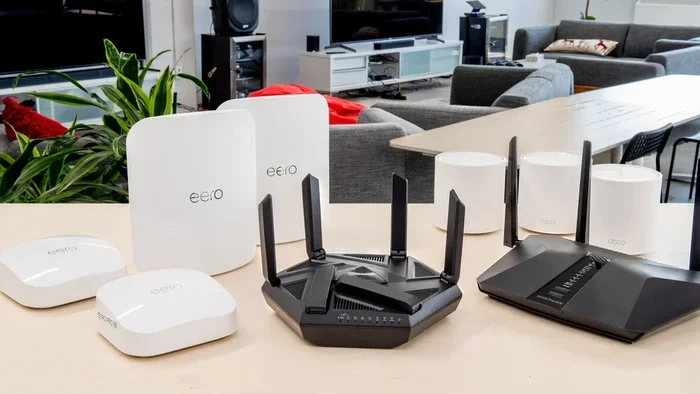
- Use a mesh Wi-Fi system for larger homes with dead zones
- Set up a guest network to keep heavy traffic separate
When To Call Your Internet Provider
If you are paying for a certain speed but consistently getting much less, contact your internet provider. They can check for line issues, replace old equipment, or troubleshoot network congestion. Sometimes a simple modem or router upgrade from your provider makes a huge difference.
Is 1gb Internet Worth The Extra Cost
This is the big question. 1gb internet plans typically cost between $80 and $150 per month, depending on your location and provider. Compare that to a standard 300 Mbps plan that might cost $40 to $60. Is the extra $40 to $90 per month worth it?
Cost vs. Benefit Breakdown
Let us look at this honestly. If you live alone or with one other person, and you mostly browse, watch Netflix in HD, and play casual games, 1gb internet is probably overkill. You would be paying for speed you do not use.
But if you have a busy household, multiple streamers and gamers, and you value never having to worry about bandwidth, the extra cost can be worth every penny. Think of it like a wider highway. More lanes do not help if you are the only car on the road. But during rush hour, those extra lanes make all the difference.
Who Should Get 1gb Internet
1gb internet is a great fit for these households:
- Families with 3 or more people who all use the internet heavily
- Households with 15 or more connected smart devices
- Gamers who also stream their gameplay
- Remote workers who need reliable video calls while others use the network
- People who frequently download very large files or game updates
Who Does Not Need 1gb Internet
On the other hand, 1gb internet might not be the best choice if:
- You live alone or with one other person
- Your main activities are browsing, email, and light streaming
- You have fewer than 5 connected devices
- You are on a tight budget and the extra cost strains your monthly expenses
In these cases, a 100 to 300 Mbps plan gives you everything you need without paying for unused capacity.
Quick Tips To Get The Most From Your 1gb Connection
If you do decide to upgrade to 1gb internet, here are some tips to make sure you get the full value:
- Use a gigabit-capable router. An older router may not support speeds above 300 Mbps, even if your plan is faster.
- Connect streaming devices via Ethernet. This gives the most stable and fastest connection for 4K content.
- Keep your router firmware updated. Updates often include performance improvements and security patches.
- Limit background downloads during peak hours. Even with 1gb, too many heavy downloads can cause minor slowdowns.
- Use a wired connection for gaming. Ethernet gives you the lowest ping and most stable performance.
- Check your plan regularly. Make sure your provider is delivering the speeds you are paying for.
Common Mistakes People Make When Choosing Internet Speed
Many people make avoidable mistakes when picking an internet plan. Here are the most common ones:
- Choosing based on the highest number. Just because a plan offers 1gb does not mean you need it. Match your speed to your actual usage.
- Ignoring upload speed. If you stream or video call, upload speed matters as much as download speed.
- Not checking data caps. Some providers cap your data at 1 TB or less. With heavy streaming, you can hit that limit fast.
- Forgetting about equipment. An old modem or router can bottleneck your connection, no matter how fast your plan is.
- Skipping the contract terms. Some plans look cheap for the first year but jump significantly after the promo ends.
Expert Insights On Home Network Planning
Network professionals agree that 1gb internet is the sweet spot for future-proofing most homes. As more devices connect and streaming quality improves, having extra bandwidth ensures your network stays fast for years to come.
However, experts also emphasize that the Wi-Fi router is just as important as the plan itself. A great fiber connection with a cheap router will underperform. Invest in quality equipment that supports the latest Wi-Fi standards.
Another expert tip is to segment your network. Create a separate network for gaming, one for streaming, and one for smart home devices. This reduces interference and keeps each activity running smoothly, even when everyone in the house is online at once.
Conclusion
So, do you need 1gb internet speed for streaming and gaming? The honest answer is it depends on your household. If you live alone and do light streaming, probably not. But if you have a busy home with multiple streamers, gamers, and devices all competing for bandwidth, 1gb internet is a game-changer.
1gb internet gives you the freedom to do everything online simultaneously without worrying about buffering, lag, or slowdowns. It is especially valuable for households that stream 4K content regularly, play competitive online games, or work from home while others use the network.
Before you upgrade, run an internet speed test and honestly evaluate your usage patterns. Match your plan to your real needs, not to marketing promises. And if you do decide to go with gigabit internet, make sure your equipment can keep up. A fast plan with old gear will not deliver the experience you expect.
The bottom line is simple. 1gb internet is an excellent investment for the right household. It provides speed, reliability, and peace of mind that slower plans simply cannot match. Take the time to assess your needs, compare plans, and make the choice that works best for your home.
Frequently Asked Questions
Is 1gb internet overkill for a single person?
For a single person who mostly browses, watches a couple of shows, and plays casual games, 1gb internet is likely overkill. A 100 to 200 Mbps plan would handle those activities comfortably. However, if you stream a lot of 4K content or download large game files regularly, the extra speed can still be nice to have.
Does 1gb internet improve gaming performance?
1gb internet does not directly improve your ping or reduce lag in games. Gaming performance depends more on your ping, connection type, and server distance. However, 1gb internet ensures that other devices in your home do not steal bandwidth from your game, which can help keep your connection stable during multiplayer sessions.
Can I get 1gb internet with cable instead of fiber?
Some cable providers offer 1gb plans, but they often do not deliver consistent gigabit speeds during peak hours. Fiber optic connections are the best way to get true 1gb performance. If fiber is available in your area, it is the better choice for reliable gigabit speeds.
How many devices can 1gb internet support at once?
A 1gb connection can comfortably support 20 to 30 devices at the same time for typical activities like browsing, streaming, and gaming. The actual number depends on what each device is doing. If multiple devices are downloading large files or streaming 4K simultaneously, the number of supported devices will be lower.
Do I need a special router for 1gb internet?
Yes, you need a router that supports gigabit speeds. Look for a router labeled “Wi-Fi 6” or “Wi-Fi 6E” that has gigabit Ethernet ports. An older router that only supports 100 Mbps ports will limit your speed, no matter how fast your internet plan is.
What is the difference between 1gb internet and 100mb internet?
The main difference is speed. 1gb internet is 10 times faster than 100mb internet. This means downloads take one-tenth the time, and your connection handles many more devices and activities simultaneously. For most households, the jump from 100mb to 1gb makes a noticeable difference in overall performance and reliability.