Do Cellular Trail Cameras Really Require a Subscription
Do cellular trail cameras require a subscription? The short answer is: it depends. Many popular brands like Browning, Moultrie, and Reconyx push monthly plans, but there are solid no-subscription trail camera options available. In this guide, we break down exactly how cellular trail camera plans work, what they cost, and how to choose the right one for your needs.
Do cellular trail cameras really require a subscription? This question pops up constantly among hunters, wildlife enthusiasts, and landowners who want to monitor their property remotely. The truth is more nuanced than a simple yes or no. Some cellular game cameras lock you into a monthly plan, while others let you skip the fee entirely.
In this deep dive, we will walk you through everything you need to know about trail camera plans, hidden fees, and the best options available today. Whether you are a seasoned hunter or just getting into remote wildlife monitoring, this guide has you covered.
Cellular trail cameras have revolutionized the way people track game and observe wildlife. Instead of walking to a camera every few days to pull an SD card, you get images sent straight to your phone. But that convenience often comes with a cost. Let us break it all down so you can make a smart buying decision.
Key Takeaways
- Not all cellular trail cameras need a subscription: Some models work with no monthly fee at all.
- Subscription plans typically range from free to $15/month: The price depends on data usage and features.
- Pay-as-you-go plans offer flexibility: You only pay when you need to send images.
- Security matters: Wireless trail cameras can be vulnerable, so choose brands with strong encryption.
- Check your cellular coverage first: A trail cam is useless without a signal at the deployment site.
- Free options exist but come with trade-offs: Lower image quality or delayed delivery.
📑 Table of Contents
- What Exactly Is a Cellular Trail Camera?
- Do Cellular Trail Cameras Require a Subscription?
- Types of Cellular Trail Camera Plans
- No-Subscription Alternatives for Trail Cameras
- How to Choose the Right Cellular Trail Camera
- Quick Tips for Managing Trail Camera Subscriptions
- Common Mistakes People Make with Cellular Trail Cameras
- Are Cellular Trail Cameras Worth the Subscription Cost?
- Final Thoughts
What Exactly Is a Cellular Trail Camera?
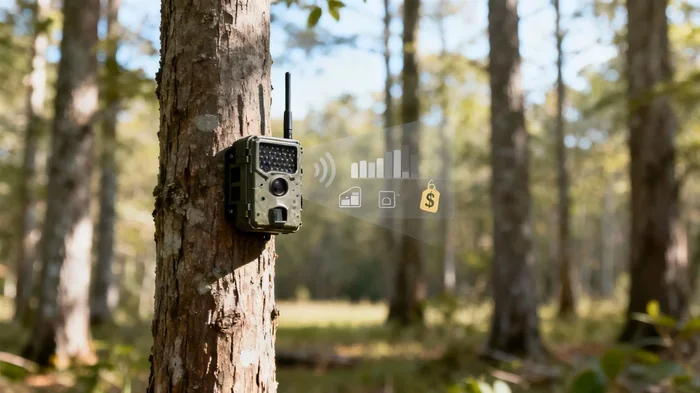
A cellular trail camera is a motion-activated camera that uses a cellular network to transmit photos and videos. Instead of storing everything on an SD card, it sends data to the cloud using a SIM card, much like a smartphone. From there, you can view images on an app or website.
These cameras are also called wireless trail cameras or cell trail cameras. They use 3G, 4G, or LTE networks depending on the model and region. The key difference from a standard trail camera is the built-in cellular module that enables real-time or near-real-time image delivery.
Most models use a standard SIM card or an embedded eSIM. You insert the card, activate a plan, and the camera starts sending images. Some brands use their own proprietary networks, which means you are locked into their ecosystem.
Do Cellular Trail Cameras Require a Subscription?
This is the million-dollar question. Do cellular trail cameras require a subscription? The answer is: it depends on the brand and model you choose.
Here is the reality. Many major manufacturers bundle a subscription into the experience. Without an active plan, the camera still takes photos, but it stores them locally on an SD card. You lose the remote access and instant notifications. So while the camera technically works without a subscription, you are not getting the full value of a cellular model.
That said, there are no-subscription trail cameras on the market. These models either use Wi-Fi for image transfer or store everything locally. They do not need a monthly cellular plan. However, they come with limitations we will cover below.
How Subscription Plans Typically Work
Most cellular trail camera subscriptions follow a similar structure. You pay a monthly or annual fee that covers data transmission. The fee is essentially the cost of sending images over the cellular network. Some plans include cloud storage, while others charge extra for it.
Here is a quick look at how most plans break down:
- Basic plans: Usually free or very low cost. They may limit the number of images per month or delay delivery by several hours.
- Standard plans: Cost around $5 to $10 per month. They offer faster image delivery and higher image counts.
- Premium plans: Run $10 to $15 per month. They include video transmission, longer battery life settings, and priority delivery.
Some brands also offer pay-as-you-go plans. Instead of a recurring monthly charge, you buy data credits. This can be a great option if you only check your camera seasonally. You activate the plan when you need it and let it sit idle otherwise.
Why Do Some Trail Cameras Require Subscriptions?
The short answer is data costs. Every image or video a camera sends uses cellular data. The manufacturer has to partner with a cellular carrier to transmit that data. Those partnerships cost money, and the subscription helps cover that expense.
Additionally, some brands build subscription fees into their business model. The camera itself may be affordable, but the recurring revenue from plans helps the company stay profitable. This is similar to how smart home security cameras work, where the hardware is cheap but the service plan drives the profit.
It is worth noting that not all subscriptions are created equal. Some are reasonable and offer great value. Others are overpriced and lock you into long-term contracts. Always read the fine print before you buy.
Types of Cellular Trail Camera Plans
When shopping for a cellular game camera, you will encounter several types of plans. Understanding each one helps you avoid surprises and find the best fit for your budget.
Monthly Subscription Plans
These are the most common. You pay a fixed amount every month, and the camera stays active as long as you keep paying. Brands like Browning and Moultrie use this model heavily. The advantage is predictability. You know exactly what you will pay each month, and the service stays uninterrupted.
The downside is commitment. If you stop paying, the camera reverts to local storage only. Some plans also auto-renew, so you need to cancel manually if you want to stop.
Annual Subscription Plans
Annual plans work the same way but charge once per year instead of monthly. They often come with a discount compared to paying month by month. If you plan to use your trail camera for an entire hunting season or year-round monitoring, an annual plan can save you money.
One thing to watch out for is cancellation policies. Some annual plans are non-refundable, meaning you lose your money if you cancel early.
Pay-As-You-Go Plans
Pay-as-you-go plans are flexible and user-friendly. You buy data credits in bulk, and the camera uses them whenever it sends an image. No recurring charges. No contracts. Once your credits run out, the camera simply stops sending images until you buy more.
This model is ideal for casual users who only need occasional updates. For example, if you check your trail camera once a month during hunting season, a pay-as-you-go plan saves money compared to a monthly subscription that runs year-round.
Free Plans
Some brands offer free plans, but they come with restrictions. You might get only a few images per month, or there could be a significant delay in image delivery. Free plans are a good starting point if you want to test a camera before committing to a paid plan.
Be cautious with completely free plans that seem too good to be true. Some companies collect your data or show ads. Always research the brand reputation before trusting them with your wildlife data.
No-Subscription Alternatives for Trail Cameras
If you want to avoid subscriptions entirely, you have options. No-subscription trail cameras use different methods to get your images without a cellular plan.
Wi-Fi-Enabled Trail Cameras
Some trail cameras connect to Wi-Fi networks instead of cellular networks. If you have Wi-Fi coverage near your property, these cameras can upload images without a subscription. The catch is that Wi-Fi range is limited. The camera must be within range of a known network, which is not always practical for remote locations.
These cameras work well for backyard wildlife watching or properties close to home. They are not ideal for deep-woods hunting setups where no Wi-Fi exists.
Bluetooth and SD Card Models
Traditional trail cameras store everything on an SD card. You walk to the camera, remove the card, and plug it into your computer or phone. No subscription needed. No monthly fees. Ever.
The trade-off is effort. You must physically visit the camera to retrieve images. This can disturb wildlife and take time. For many hunters, the convenience of a cellular model outweighs the subscription cost.
Hybrid Models
A few brands offer hybrid cameras that support both cellular and SD card storage. You can use a subscription for remote access and fall back to local storage when the plan expires. This gives you maximum flexibility and lets you control costs.
Hybrid models are becoming more popular as consumers push back against mandatory subscriptions. They represent a middle ground that suits many users.
How to Choose the Right Cellular Trail Camera
Choosing the right wireless trail camera involves more than just comparing image quality. You need to consider the subscription model, cellular coverage, battery life, and overall value. Here is what to look for.
Check Cellular Coverage at Your Location
Before buying any cellular trail camera, verify that your deployment site has adequate signal. A trail camera SIM card needs at least a 3G or 4G connection to transmit images. If you are in a dead zone, no subscription plan will help.
Use your phone to check signal strength at the exact location where you plan to mount the camera. If your phone shows one or two bars, the camera will likely struggle too.
Compare Subscription Costs
Not all plans are equal. Some brands charge $3 per month, while others charge $15. Over a year, that difference adds up fast. Calculate the total annual cost before committing to a camera.
Also factor in any activation fees, SIM card costs, or hardware requirements. Some cameras come with a free SIM and plan for the first year, which is a nice perk but not a guarantee of long-term value.
Consider Your Usage Patterns
How often do you want images? If you want real-time alerts every time a deer walks by, you need a plan with fast delivery and high image limits. If you only need a weekly summary, a basic or free plan may suffice.
Think about how long you will use the camera. A short-term hunting season setup has different needs than a year-round wildlife monitoring project. Match the plan to your actual usage.
Look for Strong Security Features
Wireless devices are always a potential security risk. Can someone hack your trail camera and view your images? It is possible, especially with older or budget models. Look for cameras that offer encrypted data transmission and require strong passwords.
While researching camera security, you might also wonder about other wireless devices around your home. For instance, can someone hack a baby monitor that isn’t connected to WiFi? The answer is generally no, since offline devices cannot be accessed remotely. But for any connected device, including trail cameras, security should be a priority.
Read User Reviews and Expert Opinions
Before pulling the trigger, read real user reviews. Look for feedback on subscription reliability, image quality, and customer service. A camera that works great in theory might have hidden issues in practice.
Expert reviews from hunting and outdoor publications can also provide valuable insights. They often test cameras side by side and compare subscription costs over time.
Quick Tips for Managing Trail Camera Subscriptions
Managing your trail camera subscription does not have to be complicated. Here are some practical tips to keep costs under control and get the most from your service.
- Set calendar reminders for renewal dates so you are never surprised by a charge.
- Use pay-as-you-go plans if you only need the camera seasonally.
- Share a plan if you have multiple cameras from the same brand.
- Turn off video transmission if you only need photos. Video uses much more data.
- Adjust motion sensitivity to reduce unnecessary triggers and save data.
- Use the camera’s scheduling feature to limit active hours and conserve data.
These small adjustments can significantly reduce your monthly costs. Over a year, they can mean the difference between a $60 annual subscription and a $180 one.
Common Mistakes People Make with Cellular Trail Cameras
Even experienced users make mistakes with their cellular game cameras. Here are the most common ones and how to avoid them.
Forgetting to Check the Subscription Terms
Many buyers focus on the camera price and ignore the subscription cost. By the time they realize the annual plan costs $120, they are already locked in. Always factor the subscription into the total cost of ownership before purchasing.
Deploying in a Dead Zone
A cellular trail camera in a signal-free zone is just an expensive SD card holder. Always test coverage at the exact mounting location before committing to a camera and plan.
Ignoring Data Limits
Most plans cap the number of images per month. Exceed that cap, and you either pay overage fees or images stop transmitting. Know your data limit and adjust your camera settings accordingly.
Skipping Security Setup
Default passwords are easy to guess. Change them immediately upon setup. Enable any available encryption. Your trail camera may capture sensitive images of your property that you do not want strangers viewing.
Not Testing Before the Season
Do not wait until opening day to set up your camera. Test it days or weeks in advance. Verify that images are reaching your phone, the subscription is active, and the battery is charged.
Are Cellular Trail Cameras Worth the Subscription Cost?
This is a personal decision that depends on your needs and budget. For serious hunters and wildlife photographers, the convenience of instant image delivery is hard to beat. You can adjust your hunting strategy in real time based on recent activity.
For casual users, the subscription cost may feel steep. If you only check your camera occasionally, a traditional SD card model or a no-subscription trail camera might be the better choice.
The market is evolving rapidly. More brands are offering flexible plans and lower-cost options. Competition is driving prices down, which benefits consumers. As wireless trail cameras become more mainstream, we can expect even more affordable and subscription-free options to emerge.
If you also use other wireless devices for monitoring, you might be interested in exploring options like can you browse the internet on a tablet to view your trail camera images on a larger screen while in the field. Similarly, if you are concerned about the security of your wireless devices, understanding can someone hack a baby monitor that isn’t connected to WiFi can give you peace of mind about the security of your own connected gear.
Final Thoughts
So, do cellular trail cameras require a subscription? The honest answer is that most do, but not all. The key is to understand your options before you buy. Whether you choose a monthly plan, a pay-as-you-go model, or a no-subscription alternative, the right choice depends on your specific needs and budget.
Take the time to compare brands, read reviews, and calculate total costs. A little research goes a long way toward avoiding frustration and wasted money. With the right setup, a cellular trail camera can transform the way you monitor wildlife and manage your hunting property.
Remember, the subscription is not just a cost. It is the price of convenience, real-time data, and peace of mind. For many users, that is well worth it. For others, a simpler setup works just fine. The best choice is the one that fits your lifestyle and goals.
Frequently Asked Questions
Can I use a cellular trail camera without any subscription at all?
Yes, some models work without a subscription, but they typically store images locally on an SD card instead of sending them remotely. You will need to physically visit the camera to retrieve your photos. A few brands offer free basic plans that send a limited number of images, but these come with restrictions like slower delivery and lower image counts.
How much does a typical cellular trail camera subscription cost per month?
Most subscriptions range from $3 to $15 per month, depending on the brand and features. Basic plans are usually on the lower end, while premium plans that include video transmission and faster delivery cost more. Annual plans often provide a discount compared to paying monthly.
What happens if I cancel my trail camera subscription?
The camera will continue to take photos and store them on the SD card. However, it will stop sending images to your phone or the cloud. You will lose remote access and real-time notifications. Some cameras allow you to reactivate your plan later without losing your stored images.
Can I share a cellular trail camera subscription with multiple cameras?
Many brands allow you to connect multiple cameras to a single plan. This can save money compared to paying for separate plans for each camera. Check the specific brand’s policy, as limits vary. Some plans support up to five or more cameras on one subscription.
Do cellular trail cameras use a lot of data?
Data usage depends on image frequency, resolution, and whether you send video or photos only. A camera taking one image every minute uses significantly more data than one triggered only by large animals. Most plans include enough data for typical use, but heavy users should monitor their consumption closely.
Are pay-as-you-go trail camera plans worth it?
Pay-as-you-go plans are excellent for seasonal users. You buy data credits when you need them and skip payments during the off-season. This model avoids the commitment of a recurring monthly fee and can save significant money for casual or part-time users.
=== CONCLUSION ===
Do cellular trail cameras require a subscription? The landscape is evolving, and consumers now have more choice than ever. From pay-as-you-go flexibility to completely free no-subscription models, there is a solution for every budget and use case. The key is understanding what you need and matching it to the right plan and camera.
Take your time, do your research, and invest in a setup that works for you. Whether you are tracking deer for hunting or monitoring wildlife for fun, the right cellular trail camera makes all the difference. Happy trails!