Can I Plug A USB C Into A USB 3 1 Port Yes You Can Now
Yes, you can plug a USB C into a USB 3 1 port. The USB C connector fits into USB 3 1 ports because they share compatible dimensions. You will get full data transfer speeds and power delivery when using the right cable and port combination. This guide covers everything you need to know about USB C and USB 3 1 compatibility.
Key Takeaways
- USB C fits into USB 3 1 ports: The connector is physically compatible, so you can plug and play without adapters.
- Speed depends on the cable and port: USB 3 1 Gen 1 offers 5 Gbps, while Gen 2 doubles that to 10 Gbps.
- Power delivery varies: USB C supports up to 100W with USB Power Delivery, but your port must support it too.
- Adapters expand your options: USB C to USB A adapters let you connect older devices to modern ports.
- Not all USB C cables are equal: Cheap cables may limit speed or fail to charge properly.
- Thunderbolt 3 uses the same connector: Thunderbolt 3 ports accept USB C cables and offer even faster speeds.
- Check your device specs: Always verify what your port and cable support before expecting peak performance.
📑 Table of Contents
- Can I Plug A USB C Into A USB 3 1 Port
- What Happens When You Plug USB C Into USB 3 1
- USB C vs USB 3 1: Understanding the Difference
- Can You Use USB C to USB A Adapters with USB 3 1 Ports
- Common Problems When Plugging USB C Into USB 3 1 Ports
- Expert Tips for Best Results
- When USB C and USB 3 1 Are Not Enough
Can I Plug A USB C Into A USB 3 1 Port
The short answer is yes. You can absolutely plug a USB C cable into a USB 3 1 port. The two share a compatible design, which means the connector fits without forcing or adapters. This compatibility is one of the reasons USB C became so popular so fast.
But the full story goes deeper than just plugging things in. Speed, power delivery, and cable quality all play a role in how well your connection works. A USB C cable plugged into a USB 3 1 port might not always give you the fastest speeds or the most power. That depends on several factors we will cover in this guide.
Whether you are connecting a laptop, external hard drive, phone, or docking station, understanding this compatibility helps you get the most out of your gear. Let us break it all down.
Why USB C and USB 3 1 Work Together
USB C is a connector shape. USB 3 1 is a standard that defines speed and power rules. These two things are not the same, but they work together. Think of USB C as the plug shape and USB 3 1 as the language the devices speak.
A USB 3 1 port can accept a USB C plug because the port was designed with that in mind. The USB 3 1 specification includes support for the USB C connector type. This is why you see USB C ports on most modern laptops, tablets, and phones that follow the USB 3 1 standard.
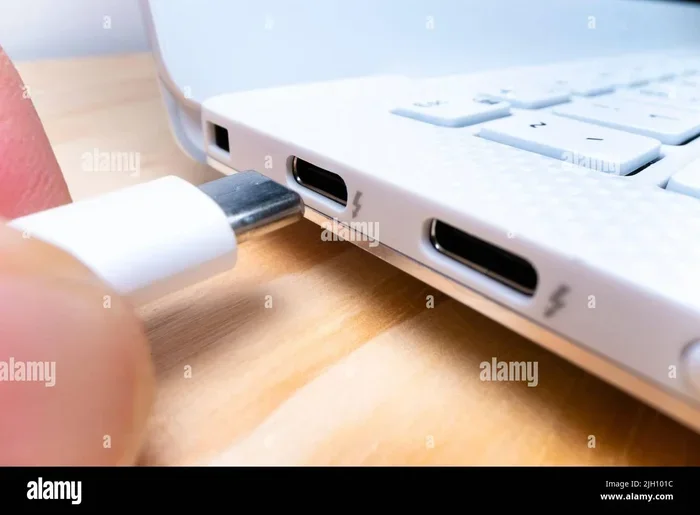
The USB C connector is also reversible. You can flip it either way and it will plug in. This small design choice made a huge difference in everyday use. No more flipping the cable three times to find the right orientation.
What Happens When You Plug USB C Into USB 3 1
When you connect a USB C device to a USB 3 1 port, several things happen right away. The port recognizes the device. It negotiates the best speed and power level both sides can support. This process is called enumeration, and it happens in milliseconds.
Most of the time, everything just works. You plug in your USB C cable, and your computer sees the device instantly. But the experience can vary depending on a few key factors.
Data Transfer Speeds
USB 3 1 Gen 1 supports speeds up to 5 Gbps. This is the same as USB 3 0. If your port is Gen 1, a USB C cable will let you transfer files at those speeds. A 10 GB file might take around 20 seconds on a good drive.
USB 3 1 Gen 2 doubles the speed to 10 Gbps. This is where things get exciting. Gen 2 ports and cables handle large video files, backups, and external drives much faster. A 10 GB file could transfer in about 10 seconds.
But here is the catch. Your cable must support the speed too. A cheap USB C cable that only supports USB 2 0 will cap your speeds at 480 Mbps. That is a huge difference from 5 or 10 Gbps. Always check the cable specifications.
Power Delivery
USB C supports USB Power Delivery, also known as USB PD. This protocol lets devices negotiate higher wattages. A USB 3 1 port with USB PD can deliver up to 100 watts of power.
This means you can charge a laptop through the same port you use for data. That is a big convenience. You do not need a separate charger sitting on your desk anymore.
However, not every USB 3 1 port supports USB PD. Some ports only provide the standard 5 volts at 0.5 or 0.9 amps. That is enough for a phone but not for a power-hungry laptop. Check your device manual to confirm power capabilities.
USB C vs USB 3 1: Understanding the Difference
People often confuse USB C and USB 3 1 because they hear both terms together. But they describe different things. USB C is a shape. USB 3 1 is a speed standard. A port can be USB C and still follow older speed standards like USB 2 0.
Here is a simple comparison to clear up the confusion.
- USB C: The physical connector shape. Reversible. Small. Oval.
- USB 3 1: A speed standard. Defines how fast data moves. Can use USB C or USB A connectors.
- USB 2 0: An older speed standard. Much slower. Still uses USB A or USB C shapes.
- Thunderbolt 3: Uses the USB C shape but offers even faster speeds up to 40 Gbps.
This table makes the differences clear at a glance.
| Feature | USB C | USB 3 1 | Thunderbolt 3 |
|---|---|---|---|
| Type | Connector Shape | Speed Standard | Protocol |
| Max Speed | Varies by standard | 5 or 10 Gbps | 40 Gbps |
| Power Delivery | Up to 100W with PD | Up to 100W with PD | Up to 100W with PD |
| Reversible | Yes | N/A | Yes |
| Common Devices | Phones, laptops, tablets | External drives, docks | MacBooks, workstations |
The key takeaway is that USB C is just the plug shape. USB 3 1 tells you how fast the connection can be. When you plug USB C into USB 3 1, you get the speed of USB 3 1 and the convenience of USB C.
Can You Use USB C to USB A Adapters with USB 3 1 Ports
Yes, you can use a USB C to USB A adapter with a USB 3 1 port. This is very common. Many people have older USB A devices and want to connect them to newer USB C laptops.
The adapter bridges the two connector types. It does not change the speed standard. If your USB 3 1 port supports 5 Gbps and your USB A device supports USB 3 0, you will get 5 Gbps speeds through the adapter.
Here are some tips for using adapters effectively.
- Buy quality adapters: Cheap adapters can cause connection drops and slow speeds.
- Check for USB 3 1 branding: Some adapters only support USB 2 0 speeds. Look for SuperSpeed USB labels.
- Do not daisy-chain adapters: Stacking multiple adapters increases resistance and can cause problems.
- Keep cables short: Longer cables lose signal strength. Keep USB C cables under 3 feet for best results.
Adapters are handy, but they add a point of failure. A loose adapter can disconnect your drive during a transfer. If you are moving important files, plug directly into the port whenever possible.
Common Problems When Plugging USB C Into USB 3 1 Ports
Even though the connection works, you might run into issues. Here are the most common problems and how to fix them.
Slow Transfer Speeds
If your USB C device is only transferring at USB 2 0 speeds, the cable or port might be the problem. Try a different USB C cable that explicitly supports USB 3 1 or USB 3 2 speeds.
Also check your device manager on Windows. It will show you the actual connection speed. If it says USB 2 0, the cable or port is limiting you.
Device Not Recognized
Sometimes your computer does not see the device at all. This usually happens for three reasons.
- The cable is damaged or only supports charging.
- The port needs to be reset. Try unplugging and plugging back in.
- The device driver needs updating. Check the manufacturer website.
If you are working with files and notice a line that won’t delete in Microsoft Excel after a transfer, the file might be corrupted during the slow transfer. Always use cables that support proper data speeds to avoid file issues.
Port Does Not Deliver Power
Some USB 3 1 ports only provide data. They do not charge devices. This is common on desktop computers with front-panel ports. Check your motherboard manual to confirm if the port supports power delivery.
If you need both data and power, look for ports labeled with the lightning bolt or USB PD symbol. These ports can charge your device while transferring files.
Expert Tips for Best Results
Getting the most out of your USB C and USB 3 1 connection comes down to a few simple habits. Follow these tips and you will have a smooth experience every time.
Invest in Good Cables
A good USB C cable costs more than a cheap one, but it is worth it. Look for cables certified by USB IF (Implementers Forum). These cables meet strict quality standards and will deliver the speeds they promise.
Avoid the $3 cables from unknown brands. They might work for charging your phone, but they will likely bottleneck your data transfer speeds. A reliable USB C cable is one of the best investments you can make.
Check Your Port Version
Not all USB 3 1 ports are the same. Some are Gen 1 and some are Gen 2. You can usually find this information in your device manual or on the manufacturer website.
When in doubt, check the port symbol on your computer. A USB 3 1 port often has a blue insert inside the connector. Thunderbolt 3 ports have a lightning bolt icon. These small symbols tell you a lot about what the port can do.
Keep Firmware Updated
Device firmware can affect how USB C and USB 3 1 work together. Manufacturers often release updates that fix compatibility issues and improve speed. Check for updates regularly, especially after a major operating system upgrade.
When USB C and USB 3 1 Are Not Enough
There are times when USB 3 1 speeds simply are not enough. Video editors working with 4K footage, for example, need faster connections. In those cases, Thunderbolt 3 or Thunderbolt 4 ports offer a big upgrade.
Thunderbolt 3 uses the same USB C connector shape. But it runs at 40 Gbps, which is four times faster than USB 3 1 Gen 2. If you have a Thunderbolt 3 port, you can use any USB C cable and get those blazing speeds.
For most everyday users, USB 3 1 is more than enough. But if you work with large media files or run professional workflows, Thunderbolt is the way to go.
The Bottom Line
Can I plug a USB C into a USB 3 1 port? The answer is a definitive yes. The connection works, the speeds are great, and the power delivery is excellent. Just make sure your cable supports the speeds you need, and you will be fine.
USB C and USB 3 1 together make a powerful combination. They offer fast transfers, convenient reversible plugs, and solid power delivery. As long as you use quality cables and check your port specs, you will get a reliable and fast connection every time.
The world of USB connections can feel confusing. There are so many versions, shapes, and standards to keep track of. But the basics are simple. USB C is the plug shape, USB 3 1 is the speed standard, and together they give you a fast and versatile connection that works with almost everything.
So go ahead. Plug in your USB C device. Trust the port. And enjoy the seamless connection that modern USB technology makes possible.
Frequently Asked Questions
Can I use any USB C cable with a USB 3 1 port?
Most USB C cables will work, but not all of them support the same speeds. A USB C cable that supports USB 3 1 or higher will give you the best performance. Cheap cables that only support USB 2 0 will limit your speeds to 480 Mbps regardless of what port you use.
Will plugging USB C into USB 3 1 damage my device?
No, it will not damage your device. USB C and USB 3 1 are designed to be compatible. The connection is safe and reversible. Just make sure you are using a quality cable from a reputable brand to avoid any electrical issues.
What is the difference between USB 3 1 Gen 1 and Gen 2?
USB 3 1 Gen 1 offers speeds up to 5 Gbps. USB 3 1 Gen 2 doubles that to 10 Gbps. The connector shape is the same for both. The difference is in the controller chip inside the port and device that handles the data transfer.
Can I charge my laptop with USB C in a USB 3 1 port?
Yes, if the port supports USB Power Delivery. Many modern USB 3 1 ports can deliver up to 100 watts, which is enough to charge most laptops. Check your device specifications to confirm that the port supports PD before relying on it for charging.
Do I need an adapter to connect USB C to USB 3 1?
No, you do not need an adapter. USB C plugs fit directly into USB 3 1 ports. You only need an adapter if you are connecting a USB A device to a USB C port, or vice versa. For direct USB C to USB 3 1 connections, the cable plugs in without any extra accessories.
Why is my USB C device only running at USB 2 0 speeds in a USB 3 1 port?
This usually means your cable only supports USB 2 0 speeds. Try a different cable that is certified for USB 3 1 or higher. Also check your device settings to make sure the port is not disabled or set to a lower speed mode in your operating system.
=== CONCLUSION ===
Can I plug a USB C into a USB 3 1 port? Yes, you absolutely can. The USB C connector fits the USB 3 1 port perfectly, and you get fast data transfer speeds and solid power delivery. Just make sure your cable supports the speeds you need, and always check your port specifications before expecting peak performance.
USB C and USB 3 1 are a great match. They combine a convenient reversible connector with fast speeds and high power output. Whether you are charging your phone, backing up files, or connecting an external drive, this combination delivers a reliable experience.
Now that you know the answer, you can plug in with confidence. Choose quality cables, check your port specs, and enjoy the seamless connection that USB C and USB 3 1 provide together.