Can I Play A Usb On Aux Simple Steps To Get It Working
Yes, you can play a USB on aux with the right adapter and a few simple steps. This guide walks you through everything you need to know about connecting a USB drive to an aux input for seamless audio playback. Whether you are using a car stereo, home speaker, or portable device, we have you covered with clear instructions and expert tips.
Have you ever found yourself sitting in your car or at home, staring at a USB flash drive full of music, and wondering if you could just plug it into your aux port and start listening? Can I play a USB on aux is one of the most common questions people ask when they want a simple way to enjoy their digital music collection. The good news is that yes, you absolutely can. With the right setup and a little know-how, you can turn any aux input into a USB playback station. This guide breaks down every step in plain language so anyone can follow along.
Playing music from a USB drive through an auxiliary port opens up a world of convenience. You do not need Bluetooth. You do not need Wi-Fi. You just need a cable, a compatible device, and your favorite tunes ready to go. Whether you are looking to upgrade your car audio experience or want a plug-and-play music solution at home, this article has everything you need. Let us dive into the details and get your USB playing through aux in no time.
Key Takeaways
- USB-to-Aux Connection Is Possible: You can play audio from a USB flash drive through an aux port using the right adapter or cable.
- Compatibility Matters: Not all aux inputs support USB playback, so check your device specifications before buying any accessories.
- File Format Plays a Role: Your USB drive must use supported audio file formats like MP3, WAV, or AAC for smooth playback.
- Troubleshooting Is Straightforward: Most common issues like no sound or recognition problems have simple fixes.
- The Right Cable Makes All the Difference: Using a quality USB to aux cable or adapter ensures reliable performance.
- Car Stereos Often Support USB: Many modern car audio systems have built-in USB ports that work alongside aux inputs.
- Keep Your Files Organized: Properly formatted and named files on your USB drive prevent playback errors and glitches.
📑 Table of Contents
What Is an Aux Input and How Does It Work
An aux input, short for auxiliary input, is a standard audio port found on most stereos, speakers, and sound systems. It uses a 3.5mm jack to receive analog audio signals from devices like phones, tablets, and laptops. Think of it as a universal audio slot that almost any device with a headphone-style output can connect to.
The aux port has been around for decades and remains one of the most reliable ways to transmit audio. It carries an uncompressed signal, which means you get clean, clear sound without any lag or interference. When you plug a cable into an aux port, the audio signal travels directly from the source device to the speaker or stereo system.
However, an aux port is designed to receive analog signals. A USB drive outputs digital data. This means you cannot just plug a USB stick directly into an aux port and expect it to work. You need a bridge between the two. That bridge comes in the form of a USB to aux adapter or a device that can read the USB and output analog audio.
Understanding the Difference Between USB and Aux
USB and aux serve different purposes, even though both deal with audio. A USB port handles digital data. It can charge devices, transfer files, and in some cases, output digital audio. An aux port handles analog audio signals only. When you connect a USB flash drive to a system with a built-in USB port, the device reads the files and converts them internally. When you use an aux connection, the source device does the conversion work before sending the signal through the cable.
This distinction matters because it tells you what kind of equipment you need. If your stereo has a USB port, you might be able to plug a USB drive directly into it. But if your stereo only has an aux input, you need a USB audio adapter that can read the drive and convert the digital files into an analog signal the aux port can understand.
Can You Connect a USB to an Aux Port
The short answer is yes, but the method depends on your equipment. Some devices support USB playback natively through an aux-compatible setup, while others require an external adapter. Let us look at the different scenarios and what you need for each one.
Scenario One: Your Device Has Both USB and Aux Ports
Many modern car stereos and home audio systems come with both USB and aux inputs. In this case, you might wonder which one to use. A USB port can often do more than an aux port. It can charge your phone while playing music, display song information on a screen, and support a wider range of file formats.
If you want to play music from a USB flash drive specifically, look for a USB port labeled “USB Audio” or “Media.” These ports are designed to read audio files from external drives. If your device only has a data USB port, it might not support audio playback from a flash drive. In that case, using the aux input with a phone or player that reads the USB is a better route.
Scenario Two: Your Device Only Has an Aux Input
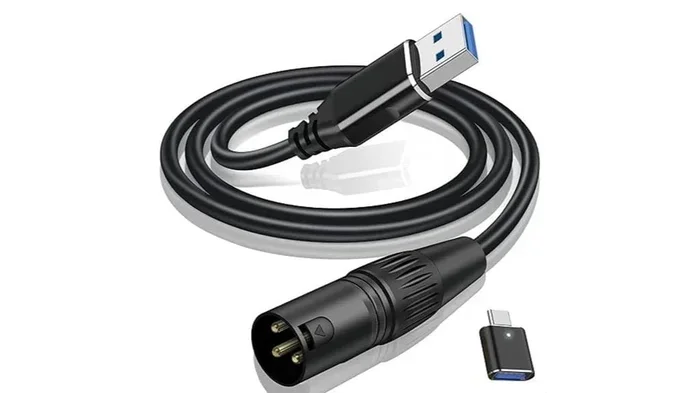
This is where things get interesting. If your stereo or speaker system only has an aux port, you still have options. You need a USB to aux adapter or a USB audio interface that can read your flash drive and send analog audio through a 3.5mm cable. These adapters are affordable and widely available online and in electronics stores.
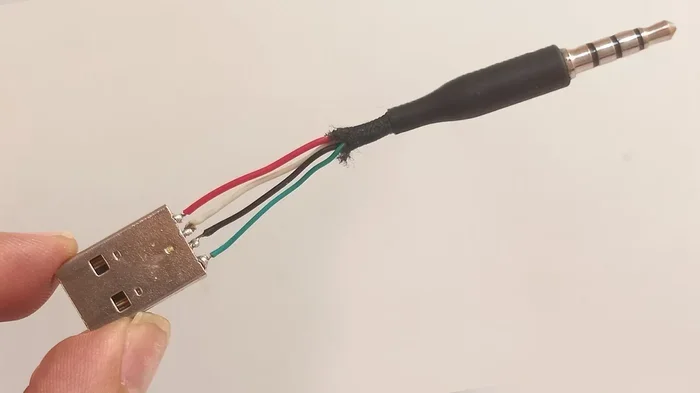
A quality USB aux cable combines the USB connector on one end and the aux jack on the other. You plug the USB end into your flash drive and the aux end into your speaker or stereo. The adapter handles the conversion and you get your music playing through the speakers. It is a simple solution that works surprisingly well for everyday use.
Scenario Three: Using a Phone as the Middleman
Another popular approach is to use your smartphone as a bridge. You plug your USB flash drive into your phone using an OTG (On-The-Go) adapter. Then you connect your phone to the aux port using a standard aux cable. This method works great if your phone supports USB OTG and your flash drive uses a compatible format.
This approach is especially handy if you want to browse and select specific songs from your USB drive without needing a dedicated adapter. Just make sure your phone and flash drive play well together. Some older phones do not support USB OTG, so check your device specifications first. Also, just like learning how to add prefixes to numbers on iPhone can unlock new functionality, understanding your phone’s USB settings can open up new audio possibilities.
Simple Steps to Get USB Playing Through Aux
Now that you understand the basics, let us walk through the actual setup process. Follow these steps carefully and you will have your USB music playing through aux in minutes.
Step 1: Check Your Equipment Compatibility
Before buying anything, check what ports your audio system has. Look for an aux input, a USB port, or both. Check your user manual or the manufacturer’s website if you are unsure. Knowing what you are working with saves time and money.
Next, check your USB flash drive. Make sure it is formatted properly. Most audio systems work best with drives formatted as FAT32 or NTFS. If your drive uses a different format, you may need to reformat it. Always back up your files before reformatting to avoid losing any music.
Step 2: Choose the Right Adapter or Cable
Pick a USB to aux adapter that matches your needs. If you need a long cable run, get a longer adapter. If you want a compact setup, a small inline adapter works well. Look for adapters with good build quality and positive reviews. Cheap adapters can introduce noise or static into your audio signal.
Here are some things to look for when choosing an adapter:
- Build quality: Choose adapters with metal connectors for durability.
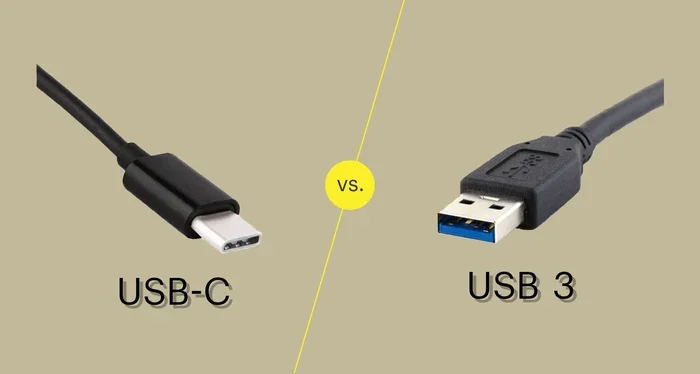
- Compatibility: Make sure it supports your USB drive type (USB-A or USB-C).
- Audio quality: Look for adapters that support high-resolution audio output.
- Brand reputation: Stick with trusted brands known for reliable audio equipment.
Step 3: Connect Everything and Power On
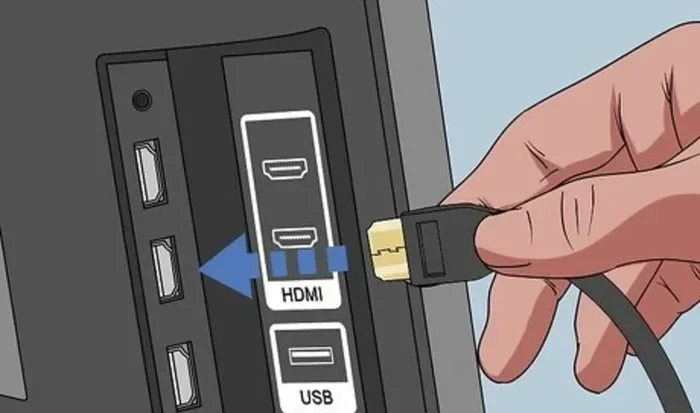
Plug the USB end of your adapter into your flash drive. Then plug the aux end into your speaker or stereo input. Make sure both connections are firm and secure. Loose connections are one of the most common reasons for no sound or intermittent playback.
Power on your audio system and set the input source to aux. If your system has multiple aux ports, make sure you select the correct one. Your USB adapter should be recognized, and you should see or hear a signal. If nothing happens, do not panic. Move to the troubleshooting section below.
Step 4: Select and Play Your Music
Once connected, navigate your audio system to browse the files on your USB drive. Some systems display a file browser on screen. Others will start playing the first track automatically. Use your system’s controls to select playlists, albums, or individual songs.
If your USB drive has folders organized by artist or genre, use those to find music quickly. Keeping your files well-organized on the drive makes playback much more enjoyable. A messy folder structure can lead to confusion and frustration when trying to find a specific song.
Common Problems and How to Fix Them
Even with the best setup, you might run into issues. Here are the most common problems people face when trying to play a USB on aux, along with practical fixes.
No Sound at All
If you get no sound, first check all your connections. Make sure the aux cable is fully inserted into both the adapter and the audio system. Try a different aux cable to rule out a faulty connection. Also check the volume on both the audio system and the USB adapter, if it has its own volume control.
Another common culprit is the file format. If your USB drive contains audio files in an unsupported format, the system will not play them. Stick to widely supported formats like MP3, WAV, or AAC. If you are unsure about your files, convert them to MP3 before putting them on the drive.
USB Drive Not Recognized
If your audio system does not recognize the USB drive, try these fixes. First, remove the drive and reinsert it firmly. Sometimes the connection just needs a fresh start. If that does not work, try a different USB adapter. Some adapters are not compatible with certain drives or file systems.
You should also check if your USB drive is too large. Some older audio systems cannot handle drives larger than 32GB or 64GB. If you have a very large drive, try using a smaller one with fewer files. Also, make sure the drive is not corrupted. Try plugging it into a computer first to confirm the files are accessible.
Remember that just as a line in Microsoft Excel might not delete due to hidden formatting issues, a USB drive might not connect to your audio system because of file system quirks or incompatible formatting. A quick format can often solve the problem.
Audio Quality Issues or Static Noise
If your music sounds distorted or you hear static, the problem is usually with the cable or adapter quality. Cheap USB to aux cables often introduce electrical noise, especially in car environments where the electrical system can interfere with audio signals. Invest in a shielded, high-quality cable to eliminate this problem.
Also check for loose connections. Even a slightly loose aux plug can cause crackling or intermittent sound. Push the connector in firmly and make sure it does not wobble. If you are using an extension cable, try removing it and connecting directly to rule out the extension as the source of the problem.
Songs Skip or Repeat Unexpectedly
Skipping or repeating tracks can happen when the USB drive has too many files or when the file names contain special characters. Keep your music library manageable and use simple file names. Avoid symbols, emojis, or very long file names that might confuse the audio system’s file reader.
If you have thousands of files on one drive, try organizing them into smaller batches. A drive with 500 songs tends to work more smoothly than one with 5,000 songs on older audio systems. This is a simple fix that many people overlook.
USB vs Aux: Which Connection Is Better for You
When deciding between USB and aux connections, it helps to understand the strengths and weaknesses of each. Both have their place in the audio world, and the right choice depends on your specific needs.
| Feature | USB Connection | Aux Connection |
|---|---|---|
| Signal Type | Digital | Analog |
| Audio Quality | High (lossless possible) | Good (slight signal degradation) |
| File Support | Wide range of formats | Depends on source device |
| Convenience | Plug and play with USB drive | Needs a source device |
| Cable Length | Limited by USB standards | Flexible, various lengths |
| Price | Adapter may add cost | Cables are very affordable |
| Device Compatibility | Works with USB-enabled devices | Works with almost any audio system |
For pure convenience, USB wins. You can just plug in a flash drive and go. For universal compatibility, aux wins. Almost every audio device made in the last 30 years has an aux input. The best choice often depends on your specific situation and what devices you are working with.
If you want the best of both worlds, consider getting a stereo system that supports both USB and aux inputs. This gives you flexibility to connect different devices however it suits you best. Many modern car stereos and home audio systems offer this combination.
Expert Tips for the Best Audio Experience
Want to get the most out of your USB-to-aux setup? Here are some expert tips that make a real difference in sound quality and convenience.
Format Your USB Drive Properly
Before loading music onto your drive, format it as FAT32 for maximum compatibility. Most audio systems read FAT32 without any issues. If you have files larger than 4GB, use exFAT instead. Always back up your music before formatting the drive.
Use High-Quality Audio Files
The quality of your audio files directly affects what you hear through your speakers. Use MP3 files at 320kbps or higher for the best balance of quality and file size. If your system supports it, try WAV or FLAC files for lossless audio quality. You will notice a difference, especially on good speakers.
Keep Your USB Drive Clean
Dust and debris can collect on the USB connector and cause connection issues. Wipe your drive connector gently with a dry cloth before plugging it in. This small habit can prevent a lot of headaches and keeps your audio playback smooth and reliable.
Avoid Cheap, Unshielded Cables
Budget cables might save you a few dollars, but they often introduce noise and static into your audio signal. Especially in a car environment, where electrical interference is common, a well-shielded cable makes a noticeable difference. Spending a little more on a quality cable pays off in better sound.
Organize Your Music Library
Create folders on your USB drive organized by artist, album, or genre. This makes it much easier to navigate your music when using a car stereo or home system that displays folder structures. Good organization turns a frustrating experience into a smooth, enjoyable one.
Update Your Device Firmware
If you are using a car stereo or smart audio system, check for firmware updates from the manufacturer. Updates often improve USB compatibility and add support for new file formats. A simple update can fix many USB playback issues without any other changes to your setup.
Key Takeaways
- USB-to-Aux Connection Is Possible: You can play audio from a USB flash drive through an aux port using the right adapter or cable.
- Compatibility Matters: Not all aux inputs support USB playback, so check your device specifications before buying any accessories.
- File Format Plays a Role: Your USB drive must use supported audio file formats like MP3, WAV, or AAC for smooth playback.
- Troubleshooting Is Straightforward: Most common issues like no sound or recognition problems have simple fixes.
- The Right Cable Makes All the Difference: Using a quality USB to aux cable or adapter ensures reliable performance.
- Car Stereos Often Support USB: Many modern car audio systems have built-in USB ports that work alongside aux inputs.
- Keep Your Files Organized: Properly formatted and named files on your USB drive prevent playback errors and glitches.
Conclusion
Playing a USB on aux is simple, affordable, and incredibly convenient. Whether you want to enjoy your music in the car, at home, or anywhere with a speaker system, the right setup makes it effortless. You just need a compatible audio system, a proper adapter or cable, and your music files in a supported format.
Follow the steps in this guide and you will be listening to your favorite tunes in no time. Remember to check compatibility first, choose quality equipment, and troubleshoot any issues with patience. Most problems have simple solutions once you know what to look for.
The world of audio connectivity has come a long way, and the humble aux port still holds its own. Paired with a USB drive, it becomes a powerful and flexible music playback solution. So go ahead, plug in that USB drive, press play, and enjoy the music. You have got everything you need to make it work.
Frequently Asked Questions
Can any USB flash drive work with an aux input?
Most USB flash drives will work as long as you use a compatible USB to aux adapter. The drive itself does not need any special features. Just make sure the audio files on the drive are in a supported format like MP3, WAV, or AAC. Check your audio system’s manual for specific compatibility details.
Why is there no sound when I plug in my USB to aux adapter?
No sound usually means a loose connection or incompatible file format. First, check that all cables are firmly plugged in. Then verify that your audio files are in a supported format. Try a different aux cable or adapter to rule out a faulty component. Also make sure the audio system is set to the correct input source.
Do I need a special USB cable to play music through aux?
You need a USB to aux adapter or a dedicated USB aux cable. A regular USB cable alone will not work because aux ports do not read digital data. The adapter converts the digital signal from the USB drive into an analog signal that the aux port can transmit. These adapters are inexpensive and widely available.
Can I charge my phone while playing USB music through aux?
It depends on your setup. If you use a USB hub adapter that has separate ports for data and charging, you can charge your phone while playing music from a USB drive through aux. However, most simple USB to aux adapters do not support charging. Check the product specifications before purchasing if this feature matters to you.
What audio file formats work best with USB aux playback?
MP3 is the most universally supported format for USB aux playback. WAV and AAC files also work well on most systems. Avoid obscure or proprietary formats that your audio system may not recognize. If you are unsure, convert your music library to MP3 at 320kbps for the best compatibility and quality.
Is USB audio better than aux audio quality?
USB audio can offer better quality because it transmits a digital signal that stays clean until the final digital-to-analog conversion. Aux audio travels as an analog signal and can pick up interference along the way. However, in everyday listening situations, the difference is often subtle and depends heavily on the quality of your cables and adapter.
=== INTERNAL LINKS ===
For more helpful tech tips, check out our guide on adding prefixes to numbers on iPhone for useful device customization tricks. If you are dealing with spreadsheet issues, learn how to fix a line that wont delete in Microsoft Excel with our simple troubleshooting steps.