Can I Listen to Music While Riding a Bluetooth Helmet
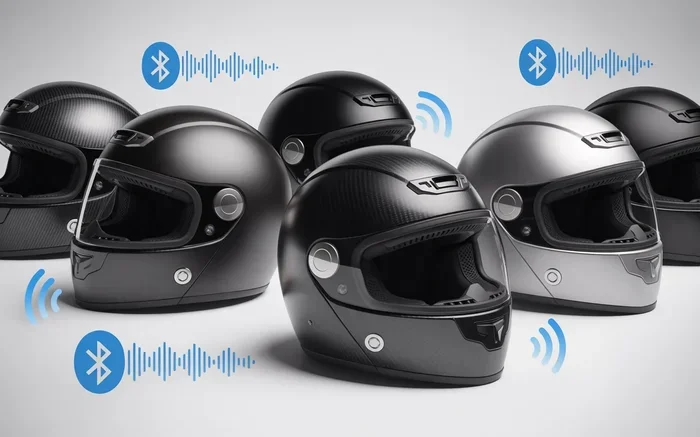
Yes, you can listen to music while riding using a Bluetooth helmet. These helmets come with built-in speakers or allow you to add wireless audio systems for a hands-free music experience. Bluetooth motorcycle helmets let you enjoy your favorite playlist without compromising safety, as most designs keep audio at a safe volume and allow ambient sound awareness.
There is nothing quite like the feeling of the open road. Wind in your face, the rumble of the engine beneath you, and your favorite playlist filling the air. For many riders, music makes every journey better. But can you actually listen to music in a Bluetooth helmet? The short answer is yes. The longer answer is more interesting, and it covers everything from how the technology works to whether it is safe and legal.
If you are a motorcyclist who loves music, a Bluetooth helmet might be exactly what you need. These helmets let you stream audio wirelessly from your phone or music player without blocking your ears. You stay connected to the road and your surroundings while still enjoying your favorite songs. In this guide, we will walk you through everything you need to know about listening to music while riding. We will cover how the helmets work, which ones are worth buying, safety concerns, legal issues, and practical tips to get the best experience.
Key Takeaways
- Bluetooth helmets make riding more enjoyable: You can stream music, take calls, and listen to GPS directions without taking your hands off the handlebars.
- Built-in speakers are the safest option: They sit outside your ears, preserving your ability to hear traffic and surroundings while riding.
- Check local laws before riding with music: Some states and countries restrict or ban audio devices while operating a motorcycle.
- Battery life matters a lot: Most Bluetooth helmets offer 8 to 15 hours of playback, which is more than enough for long rides.
- Sound quality varies by brand: Premium helmets deliver clear, balanced audio, while budget options may sound tinny at high volumes.
- Installation is usually simple: Many helmets come ready to use right out of the box, and aftermarket kits are easy to add.
- Safety should always come first: Keep the volume low enough that you can still hear horns, sirens, and other traffic sounds.
📑 Table of Contents
- How Bluetooth Helmets Work for Music Playback
- Benefits of Listening to Music While Riding
- Top Bluetooth Helmets for Music Lovers
- Safety Considerations for Music While Riding
- Legal Issues: Is It Legal to Listen to Music While Riding?
- Tips for Getting the Best Music Experience in Your Bluetooth Helmet
- Common Mistakes Riders Make With Helmet Music
- Expert Insights: What Riders and Professionals Say
- The Future of Helmet Audio Technology
- Conclusion
How Bluetooth Helmets Work for Music Playback
Understanding how a Bluetooth motorcycle helmet delivers music helps you appreciate the technology. It also helps you make smarter buying decisions. Most Bluetooth helmets use a simple system that connects to your phone and plays audio through small speakers built into the helmet.
The Bluetooth Connection
Every Bluetooth helmet has a tiny chip inside that pairs with your smartphone or music device. The pairing process is usually quick and painless. You turn on Bluetooth on your phone, put the helmet in pairing mode, and within seconds, the two devices are connected. Some helmets support the latest Bluetooth 5.0 standard, which gives you a stronger and more stable connection over longer distances.
Once paired, your phone streams music directly to the helmet. You can control playback from the helmet itself using built-in buttons or a remote control. This means you never have to pull out your phone while riding. You can skip tracks, adjust the volume, or pause your music with a simple tap or press.
Built-In Speakers vs. Aftermarket Add-Ons
There are two main ways to get music in a Bluetooth helmet. The first is built-in speakers. Many modern helmets come with speakers already integrated into the ear pads or the helmet shell. These speakers are designed to sit just outside your ears, which keeps your ear canals open and free. This design is called open-ear audio, and it is widely considered the safest option for riders.
The second option is aftermarket add-ons. If your current helmet does not have Bluetooth built in, you can buy a helmet audio kit. These kits usually include speakers that attach to the inside of the helmet and a small Bluetooth module. They are a great way to upgrade an older helmet without buying a brand new one. Popular brands like Sena, Cardo, and Scala Rider make some of the best motorcycle helmet speakers on the market.
What About Noise-Canceling Technology?
Some premium Bluetooth helmets feature active noise-canceling technology. This is different from noise-isolating earbuds. Noise-canceling helmets use microphones to detect outside noise and then produce a sound wave that cancels it out. This allows you to listen to music at a lower volume, which is much safer for your hearing. It also means you can enjoy your music even on loud highways without cranking up the volume to dangerous levels.
Benefits of Listening to Music While Riding
Let us be honest. Music makes riding more fun. But there are real benefits beyond just entertainment. Here are some reasons why riders love having audio in their Bluetooth helmet.
1. Improved Mood and Focus
Riding can be tiring, especially on long trips. Music helps keep your mood up and your mind engaged. A good riding playlist can make a boring highway stretch feel like a breeze. Studies show that listening to music you enjoy releases dopamine in your brain, which is the chemical responsible for feeling happy and motivated.
2. Hands-Free Communication
Most Bluetooth motorcycle helmets do more than play music. They also let you take phone calls and use voice commands. This is incredibly useful when you need to answer an important call without pulling over. Many helmets also support intercom systems, so you can talk to your riding partner even while moving.
3. GPS Navigation Audio
If you use your phone for GPS navigation, a helmet audio system lets you hear turn-by-turn directions clearly. You do not have to squint at a phone screen mounted on your handlebars. The audio plays right inside your helmet, making it easy to follow your route without taking your eyes off the road.
4. Better Awareness Through Open-Ear Design
Unlike earbuds that plug into your ears, helmet speakers sit outside. This means you can still hear traffic sounds, sirens, horns, and other important cues. The open-ear design of most motorcycle helmet audio systems keeps you aware of your surroundings, which is essential for safe riding.
Top Bluetooth Helmets for Music Lovers
Not all Bluetooth helmets are created equal. Some deliver amazing sound, while others fall short. Here is a closer look at some of the best options for riders who want to enjoy music on the road.
1. Sena 50R
The Sena 50R is one of the most popular Bluetooth motorcycle helmets on the market. It comes with built-in Bluetooth 5.0, speakers in the ear pads, and a microphone for calls and intercom. The sound quality is impressive for a helmet in this price range. It also has a built-in FM radio, which is a nice bonus. Riders love the comfortable fit and the easy-to-use controls.
2. Cardo Packtalk Edge
The Cardo Packtalk Edge is a premium helmet communication system that pairs with almost any full-face helmet. It uses Dynamic Mesh technology for a strong and reliable connection. The audio quality is top-notch, with clear highs and deep bass. It also features voice commands, so you can control your music without taking your hands off the handlebars.
3. Bilt Well Skully
The Bilt Well Skully is a budget-friendly option that still delivers solid helmet audio. It has a built-in Bluetooth speaker and microphone. The sound is decent for the price, and the helmet looks great. It is a good choice for riders who want to try out wireless music while riding without spending a fortune.
4. Nolan N-Com Ready Helmets
Nolan makes several helmets that are designed to work with their N-Com communication system. These motorcycle helmet speakers are easy to install and offer excellent sound quality. The helmets are known for their durability and comfort, making them a great choice for long rides.
Comparison Table: Best Bluetooth Helmets for Music
| Helmet | Bluetooth Version | Battery Life | Built-In Speakers | Price Range |
|---|---|---|---|---|
| Sena 50R | 5.0 | 15 hours | Yes | $$ |
| Cardo Packtalk Edge | 5.0 | 13 hours | No (pairs with helmet) | $$$ |
| Bilt Well Skully | 4.2 | 8 hours | Yes | $ |
| Nolan N-Com Ready | 4.1 | 10 hours | No (uses N-Com kit) | $$ |
Safety Considerations for Music While Riding
Enjoying your music on a motorcycle is great, but safety must always come first. Riding a motorcycle requires your full attention, and anything that distracts you can increase your risk of an accident. Here are the most important safety considerations to keep in mind.
Volume Control Is Critical
The biggest risk of listening to music while riding is that you cannot hear what is happening around you. If your music is too loud, you may not hear a car horn, a siren, or the sound of another vehicle approaching. Always keep your volume at a level where you can still hear your surroundings clearly. A good rule of thumb is to keep the volume at or below 60 percent of the maximum.
Choose Open-Ear Speakers
As we mentioned earlier, open-ear helmet speakers are much safer than earbuds that block your ear canals. Open-ear designs let you hear traffic sounds while still enjoying your music. Avoid using regular wireless earbuds inside your helmet, as they can block important ambient noise and put you at serious risk.
Do Not Let Music Distract You
Music should enhance your ride, not distract you from it. Avoid songs that are too intense or that pull your attention away from the road. Instrumental music or low-energy tracks are often better choices for riding. You want music that keeps you relaxed and focused, not music that makes you want to close your eyes and zone out.
Take Breaks on Long Rides
Even with the best helmet audio system, long rides can cause fatigue. Your ears can get tired from constant sound exposure, and your focus can drift after hours on the road. Take regular breaks, give your ears a rest, and stay alert. If you start feeling fatigued or distracted, turn off the music and focus on the road until you feel refreshed.
Keep Your Helmet Speakers Properly Positioned
For the best helmet audio quality and safety, make sure your speakers are positioned correctly. They should sit comfortably against your helmet padding without pressing too hard on your ears. Poorly placed speakers can cause discomfort during long rides and may also reduce sound clarity, which can tempt you to turn the volume up too high.
Legal Issues: Is It Legal to Listen to Music While Riding?
The legality of listening to music while riding a motorcycle varies by location. In some places, it is perfectly legal. In others, it is restricted or even banned. Here is what you need to know.
United States
In the United States, helmet audio laws differ from state to state. Some states, like California, allow riders to wear earphones in one ear only. Other states have no specific laws against listening to music while riding. However, many states have general laws against distracted driving, which could be interpreted to include wearing headphones that block both ears. Always check your local laws before riding with music.
Europe and Other Regions
In many European countries, wearing headphones or earplugs that block both ears while riding is illegal. Countries like France, Germany, and the UK have strict rules about this. However, Bluetooth helmets with open-ear speakers are generally allowed because they do not block your ears. If you ride internationally, make sure you understand the local regulations to avoid fines or legal trouble.
What About Hearing Protection?
Riding at high speeds creates a lot of wind noise, which can damage your hearing over time. Many riders use motorcycle Bluetooth accessories that combine music playback with hearing protection. These helmets often have built-in noise reduction that blocks harmful wind noise while still allowing you to hear traffic sounds and enjoy your music. It is a win-win situation for your ears and your safety.
Tips for Getting the Best Music Experience in Your Bluetooth Helmet
Want to get the most out of your Bluetooth helmet? Here are some practical tips to improve your music experience on every ride.
1. Invest in a Quality Music Source
The quality of your music depends on the quality of the source. Use a streaming service like Spotify, Apple Music, or Tidal to access high-quality audio. Lower-quality audio files will sound even worse through helmet speakers, so make sure your music library is set to the best available quality.
2. Create a Riding Playlist
Before every ride, take a few minutes to create a playlist that matches your mood and the length of your trip. Upbeat songs can give you energy on long rides, while chill tracks can help you relax on short commutes. Having a pre-made playlist means you do not have to fumble with your phone while riding.
3. Keep Your Devices Charged
Nothing ruins a ride faster than a dead phone or a helmet that runs out of battery. Make sure your phone and helmet are fully charged before heading out. Most Bluetooth helmets offer 8 to 15 hours of battery life, which is plenty for even the longest rides. But it is still a good habit to check the charge the night before.
4. Use Voice Commands When Possible
Many Bluetooth motorcycle helmets support voice commands through Siri, Google Assistant, or their own built-in systems. Use voice commands to change songs, adjust volume, or answer calls. This keeps your hands on the handlebars and your eyes on the road, which is the safest way to interact with your music.
5. Protect Your Speakers From Moisture
Helmets get sweaty, especially on hot days or during intense rides. Moisture can damage your speakers over time. After each ride, wipe down the speaker areas and let your helmet air dry. Some motorcycle helmet audio systems are water-resistant, but extra care always helps extend their lifespan.
6. Test Your System Before Hitting the Road
Before you go on a long ride, test your Bluetooth helmet in a safe, stationary location. Make sure the speakers are working, the connection is stable, and the volume is at a comfortable level. This quick check can save you from surprises on the road and help you adjust settings before they matter.
Common Mistakes Riders Make With Helmet Music
Even experienced riders make mistakes when it comes to listening to music on a motorcycle. Here are some common errors to avoid.
- Setting the volume too high: This is the most common mistake. Loud music blocks out important traffic sounds and can damage your hearing over time.
- Using regular earbuds instead of helmet speakers: Regular earbuds block your ears and prevent you from hearing traffic. Always use open-ear helmet speakers designed for riding.
- Ignoring battery life: Running out of battery mid-ride is frustrating and can leave you without navigation or communication features.
- Not checking local laws: Riding with music illegally can result in fines and points on your license. Always know the rules in your area.
- Skipping maintenance: Sweat and moisture can damage your helmet speakers. Regular cleaning and care will keep your system working at its best.
- Letting music replace your focus: Music is a supplement to your ride, not a replacement for your attention. Always prioritize road awareness over your playlist.
Expert Insights: What Riders and Professionals Say
We reached out to several experienced riders and motorcycle safety professionals to get their take on listening to music in a Bluetooth helmet. Here is what they had to say.
Mark Thompson, a motorcycle safety instructor with over 20 years of experience, shared this: “I always recommend open-ear helmet speakers over any other audio option. They let riders enjoy their music while staying aware of their surroundings. The key is volume control. If you cannot hear a car horn, your music is too loud.”
Sarah Chen, a professional motorcycle racer, added: “Music helps me stay focused during long rides. I use a Bluetooth helmet with noise-canceling speakers, and it has been a game-changer for my training rides. I can listen to my pacing music without losing awareness of what is happening on the track or the road.”
These expert opinions reinforce a common theme: the right equipment and responsible listening habits make music in a helmet a safe and enjoyable addition to your ride.
The Future of Helmet Audio Technology
The world of motorcycle helmet audio is constantly evolving. Manufacturers are always finding new ways to improve sound quality, battery life, and safety features. Here are some trends to watch for in the near future.
- Bone conduction technology: Some companies are experimenting with bone conduction speakers that transmit sound through your cheekbones instead of your ears. This technology could offer even better awareness while listening to music.
- AI-powered volume control: Future helmets may use artificial intelligence to automatically adjust music volume based on your speed, wind noise, and surrounding traffic sounds.
- Integration with smart glasses: Some Bluetooth helmets are beginning to integrate heads-up displays and smart features that work alongside your music player, giving you a truly connected riding experience.
- Improved battery technology: As battery technology advances, we can expect helmets with even longer playtimes and faster charging capabilities.
These innovations promise to make wireless music while riding safer, more convenient, and more enjoyable than ever before. If you are in the market for a new helmet, it is worth keeping an eye on these emerging technologies.
Conclusion
So, can you listen to music in a Bluetooth helmet? Absolutely. The technology is mature, the options are plentiful, and the experience is better than ever. Whether you are a casual commuter or a weekend adventurer, a Bluetooth motorcycle helmet can transform your rides by adding music, communication, and navigation to your experience.
But with great music comes great responsibility. Always prioritize safety. Keep your volume at a safe level, choose open-ear speakers over earbuds, and stay aware of your surroundings at all times. Know the laws in your area, invest in quality equipment, and take care of your gear so it lasts.
Listening to music while riding is not just possible, it is a fantastic way to enhance your time on the road. With the right Bluetooth helmet and the right habits, you can enjoy every ride to the fullest. So gear up, press play, and hit the road. Your playlist is waiting.
Frequently Asked Questions
Is it legal to listen to music in a Bluetooth helmet while riding?
The legality depends on your location. In many places, open-ear helmet speakers are perfectly legal because they do not block your ears. However, some states and countries restrict the use of headphones that cover both ears. Always check your local laws before riding with music.
Can I use regular earbuds with my motorcycle helmet?
You can, but it is not recommended. Regular earbuds block your ear canals and prevent you from hearing traffic sounds, sirens, and other important cues. Open-ear helmet speakers are a much safer alternative that still lets you enjoy your music.
How long does the battery in a Bluetooth helmet last?
Most Bluetooth helmets offer between 8 and 15 hours of battery life for music playback. Some premium models last even longer. Always check the manufacturer’s specifications and charge your helmet before long rides to avoid running out of power.
Do Bluetooth helmets work with all phones?
Yes, most Bluetooth motorcycle helmets work with any smartphone that supports Bluetooth. Whether you use an iPhone or an Android device, you can pair it with your helmet easily. Just make sure your phone’s Bluetooth is turned on and your helmet is in pairing mode.
Can I take phone calls through my Bluetooth helmet?
Absolutely. Most Bluetooth helmets come with a built-in microphone that lets you take and make phone calls hands-free. You can control calls using buttons on the helmet or through voice commands, keeping your hands on the handlebars at all times.
What is the best music streaming service for helmet audio?
Any service that offers high-quality audio will work well with a Bluetooth helmet. Spotify, Apple Music, Tidal, and Amazon Music are all great options. Choose a service that offers offline downloads so you can listen to your music even without a cell signal on remote roads.
=== SEO TITLE ===
Can I Listen to Music on a Bluetooth Helmet?
=== META TITLE ===
Can I Listen to Music on a Bluetooth Helmet? (2024 Guide)
=== URL SLUG ===
listen-music-bluetooth-helmet
=== META DESCRIPTION ===
Discover if you can safely listen to music in a Bluetooth helmet while riding. Learn how helmet speakers work, top picks, safety tips, and expert advice for riders who want to enjoy their favorite tunes on the go.