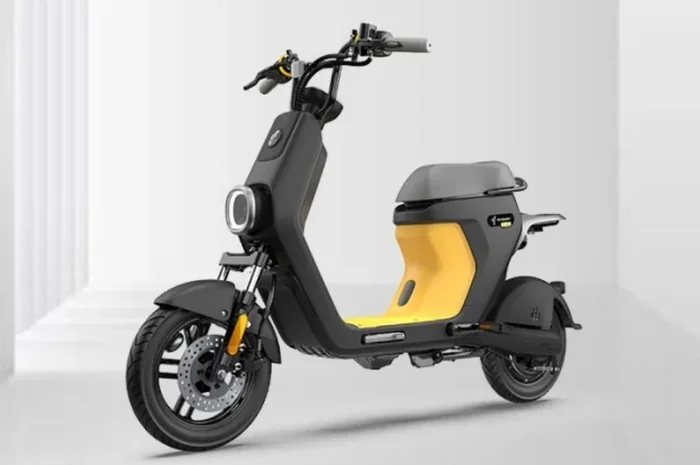
Born To Be Rideable Smart Personal Transports For 2017
The year 2017 brought a wave of smart personal transports that made getting around fun, fast, and eco-friendly. From electric hoverboards to self-balancing scooters, these rideable gadgets changed how we move through cities. This guide covers the top personal electric vehicles you can buy, tips for choosing the right one, and why they are perfect for urban commuting and last-mile travel.
There is something magical about stepping onto a smart personal transport and gliding through your neighborhood. The year 2017 marked a turning point for rideable tech, bringing devices that felt like they belonged in a sci-fi movie. These personal electric vehicles are not just toys. They are practical tools that make urban commuting faster, greener, and honestly, a lot more fun.
If you have been hearing about electric hoverboards, self-balancing scooters, and compact electric vehicles and wondering what all the fuss is about, you are in the right place. This guide breaks down everything you need to know about the smart personal transports that dominated 2017. We will look at the top picks, how to choose yours, and why they are worth your attention.
Whether you need a fun personal transport for your daily grind or a battery-powered ride for weekend adventures, the options from 2017 set a new standard. Let us dive in and explore what made this year so exciting for personal mobility enthusiasts.
Key Takeaways
- Smart personal transports are compact, battery-powered vehicles designed for short-distance travel and daily commuting.
- Electric hoverboards, scooters, and unicycles topped the best rideable tech list for 2017.
- Choosing the right device depends on your commute distance, terrain, and budget.
- Benefits include eco-friendly commuting, cost savings, and a fun way to stay active.
- Safety and local regulations matter when riding smart transports in public spaces.
- Companion apps make managing your rideable device easier and more connected.
- The future of personal mobility looks bright with continuous tech innovations.
📑 Table of Contents
What Are Smart Personal Transports?
Smart personal transports are compact, motorized vehicles built for individual riders. They are designed to cover short to medium distances with ease. Think of them as the bridge between walking and driving a car. Most of these devices run on rechargeable batteries and use smart technology to balance, accelerate, and brake.
The term rideable tech covers a wide range of devices. Here is a quick look at what falls under this category:
- Electric hoverboards — Two-wheeled, self-balancing boards that you stand on and ride.
- Self-balancing scooters — Similar to hoverboards but with a handlebar for extra stability.
- Electric unicycles — Single-wheel devices that require skill but offer amazing portability.
- Electric skateboards — Traditional skateboards with a motorized boost for uphill rides.
- Electric bikes and scooters — Pedal-assist or throttle-powered two-wheelers.
What makes these smart personal transports special is the built-in technology. Gyroscopes, sensors, and Bluetooth connectivity turn a simple ride into a connected experience. Many devices pair with companion apps that let you track speed, battery life, and riding stats.
Why 2017 Was A Breakthrough Year
The smart transportation industry grew fast in 2017. Companies invested heavily in making devices safer, lighter, and more affordable. Battery technology improved, giving riders longer ranges on a single charge. Designs became sleeker, and prices dropped enough that personal electric vehicles became accessible to everyday consumers.
Brands like hoverboard makers and electric scooter companies competed to offer the best urban mobility solutions. The result was a market filled with options for every budget and riding style. If you want to understand how connected devices changed daily life, check out our guide on 10 Gadgets To Make Moms Life Easier for more ideas on how smart tech fits into everyday routines.
Top Smart Personal Transports For 2017
The rideable tech market in 2017 offered something for everyone. Below are the standout devices that captured attention and won riders over.
Electric Hoverboards
Electric hoverboards were the stars of 2017. These two-wheeled wonders use gyroscopic sensors to keep you balanced. You lean forward to go, lean back to stop, and shift your weight to turn. The learning curve is short, and most riders feel confident within 15 minutes.
Top models from 2017 offered ranges between 6 and 12 miles per charge. Speeds typically topped out around 10 to 12 miles per hour. They are perfect for last-mile travel, meaning the short distance between your home and the nearest bus or train station.
Many hoverboards also featured Bluetooth speakers, LED lights, and app connectivity. These extras made the ride not just functional but genuinely entertaining. If you want to learn how to connect your phone to these devices, you might find our article on adding prefixes to numbers on iPhone helpful for managing your phone settings while on the go.
Self-Balancing Scooters
Self-balancing scooters took the hoverboard concept and added a handlebar. This made them easier to ride, especially for beginners. They are often called smart scooters or balance scooters, and they became hugely popular in 2017.
The handlebar gives you more control, which is great if you are nervous about balancing on a flat board. These devices typically have a slightly longer range than hoverboards and can handle rougher terrain better. They are an excellent choice for urban commuting where you need to navigate sidewalks and bike lanes.
Electric Unicycles
Electric unicycles are for the adventurous rider. These single-wheel devices look intimidating but are incredibly fun once you get the hang of them. They are ultra-portable, often fitting under a desk or in a backpack when not in use.
Top 2017 models offered powerful motors and ranges of 15 to 25 miles. They are the ultimate compact electric vehicle for people who want maximum portability. The learning curve is steeper than hoverboards, but the reward is a ride that feels like pure freedom.
Electric Skateboards
Electric skateboards brought a classic design into the modern age. With a remote-controlled throttle, you can cruise through streets and parks without pushing. They are great for eco-friendly commute options and offer a more relaxed riding experience.
2017 saw electric skateboards with better battery life, stronger motors, and improved deck materials. Some models even featured all-terrain wheels, making them suitable for gravel paths and light trails.
How To Choose The Right Rideable For You
With so many smart personal transports on the market, picking the right one can feel overwhelming. Here are the key factors to consider before you buy.
Consider Your Commute Distance
How far do you need to travel? If your trip is under 3 miles, a basic electric hoverboard will work perfectly. For longer commutes of 5 to 10 miles, look for a self-balancing scooter or electric unicycle with a bigger battery. Matching your device to your distance needs saves money and prevents range anxiety.
Think About Terrain
Where will you ride? Smooth sidewalks call for standard wheels. If you plan to ride on gravel, grass, or uneven paths, choose a model with all-terrain tires. Electric skateboards with larger wheels handle rough surfaces better than smaller boards.
Set A Budget
Personal electric vehicles range from under $300 to over $2000. Set a realistic budget before shopping. Keep in mind that spending a little more often gets you better battery life, a longer warranty, and safer construction. Cheap models may save money upfront but could cost more in repairs later.
Check Local Regulations
Before you hit the road, check your local laws. Many cities have specific rules about where smart personal transports can be ridden. Some areas restrict them to bike lanes, while others ban them from sidewalks entirely. Knowing the rules keeps you safe and avoids fines.
Benefits Of Smart Personal Transports
Switching to a smart personal transport brings a surprising number of advantages. Here is why so many people made the switch in 2017.
Eco-Friendly Commuting
Most personal electric vehicles run on rechargeable batteries and produce zero emissions. They are a much greener alternative to cars for short trips. By choosing a rideable tech device, you reduce your carbon footprint every time you commute.
If you care about the environment, these devices align perfectly with a green lifestyle. They use far less energy than cars and help reduce traffic congestion in busy areas.
Cost Savings
Owning a car comes with gas, insurance, parking, and maintenance costs. A battery-powered ride costs pennies to charge. Over time, the savings add up significantly. Many riders find that their smart personal transport pays for itself within a few months compared to daily car use.
Fun And Fitness
Let us not forget the fun factor. Riding a smart personal transport feels amazing. It adds excitement to your daily routine and turns a boring commute into an enjoyable experience. Even though some devices do most of the work for you, riding still engages your core muscles and improves balance.
For families looking for fun gadgets that also serve a purpose, you might enjoy our piece on 4 Apps That Are Like Uber For Finding Dog Walkers to see how tech makes everyday life more convenient.
Portability And Convenience
One of the biggest advantages of smart personal transports is how easy they are to carry. Many models weigh under 25 pounds and fold up for storage. You can bring your device to work, store it under your desk, and ride home without any hassle. This level of portable transport convenience is hard to beat.
Tips For Getting Started With Rideable Tech
Ready to join the rideable tech revolution? Here are practical tips to help you get started safely and confidently.
Start In A Safe Area
Before you ride in traffic or on busy sidewalks, practice in a quiet park or empty parking lot. Give yourself time to learn how the device balances and responds to your movements. Most electric hoverboards and scooters have a beginner mode that limits speed while you learn.
Wear Safety Gear
Helmets are a must. Knee pads and elbow pads are highly recommended, especially during your first few rides. Falling is part of learning, and protective gear prevents injuries. Many riders skip this step and regret it later.
Charge Your Device Fully Before Each Ride
Nothing kills the fun faster than a dead battery mid-ride. Make it a habit to charge your personal electric vehicle after every use. Most devices take 2 to 4 hours for a full charge. Keeping your battery healthy extends the overall lifespan of your device.
Learn Your Local Rules
As mentioned earlier, regulations vary by location. Some areas require helmets, others have age restrictions, and many limit where you can ride. Do your research before you start using your smart personal transport regularly.
Use The Companion App
Many 2017 models connect to your phone through a dedicated app. These apps let you monitor battery levels, set speed limits, track your rides, and even play music through built-in speakers. Taking a few minutes to explore the app features enhances your riding experience significantly.
The Future Of Personal Mobility
The smart personal transport revolution is just getting started. The devices we saw in 2017 laid the foundation for even more exciting innovations. Companies are already working on lighter materials, longer battery life, and smarter safety features.
In the coming years, we can expect personal mobility devices to become even more integrated with our daily lives. Imagine a smart personal transport that communicates with traffic systems, adjusts its speed based on road conditions, and charges itself using solar power. The possibilities are endless.
For now, the devices available in 2017 offer an incredible mix of fun, function, and eco-friendly commute benefits. Whether you are a tech enthusiast or someone looking for a better way to get to work, there has never been a better time to explore the world of rideable tech.
The key is to choose a device that fits your needs, practice safely, and enjoy the ride. Smart personal transports are not just a trend. They represent a shift toward more flexible, fun, and sustainable ways to move through our cities. Embrace the future of personal mobility and find your perfect ride today.
Frequently Asked Questions
What is a smart personal transport?
A smart personal transport is a compact, motorized vehicle designed for individual riders. These devices use batteries, sensors, and smart technology to provide a balanced and connected riding experience. Common examples include electric hoverboards, self-balancing scooters, and electric unicycles.
Are smart personal transports safe for beginners?
Yes, most rideable tech devices from 2017 include beginner modes that limit speed and provide extra stability. With a little practice in a safe area and proper safety gear, beginners can quickly learn to ride confidently. Always start slow and wear a helmet.
How far can a smart personal transport go on a single charge?
The range depends on the device and battery capacity. Electric hoverboards typically travel 6 to 12 miles, while electric unicycles can go 15 to 25 miles on a full charge. Choosing the right personal electric vehicle for your commute distance ensures you never run out of power mid-trip.
Do smart personal transports work on hills?
Many smart personal transports handle moderate hills with ease. Devices with higher wattage motors climb hills better than budget models. Electric skateboards and self-balancing scooters with strong motors are particularly good at tackling inclines. Check the motor power before purchasing if hills are part of your route.
Are smart personal transports legal to ride everywhere?
No, regulations vary by city and country. Some areas allow smart personal transports on bike lanes and sidewalks, while others restrict them to private property. Always check your local laws before riding in public spaces to stay compliant and safe.
What should I look for when buying a smart personal transport?
Consider your commute distance, the terrain you will ride on, your budget, and safety features. Look for devices with good battery life, reliable brakes, and sturdy construction. Reading reviews and testing devices in person when possible helps you find the best personal mobility device for your needs.
=== CONCLUSION ===
The year 2017 was a landmark year for smart personal transports. From electric hoverboards to electric unicycles, the rideable tech market offered devices that were practical, fun, and eco-friendly. These personal electric vehicles changed the way we think about urban commuting and last-mile travel.
Choosing the right smart personal transport comes down to understanding your needs. Consider distance, terrain, budget, and safety. With the right device, your daily commute becomes something to look forward to instead of dread. The battery-powered ride revolution is here, and the options from 2017 set a high bar for everything that followed.
Embrace the world of personal mobility and find the device that fits your lifestyle. Whether you are a seasoned rider or just starting out, there has never been a better time to experience the freedom and excitement of smart personal transports. Your perfect ride is waiting.