Are Non Hp Ink Cartridges Ok or Should You Really Avoid
Non HP ink cartridges can be a smart and budget-friendly choice for many printer users. Compatible and remanufactured cartridges offer significant cost savings while still delivering reliable print quality. However, choosing the right third-party ink and understanding potential risks is essential to protect your printer and get the best results.
Have you ever stared at the price tag of a brand new HP ink cartridge and felt your wallet cry? You are not alone. Printer ink is famously expensive, and many people wonder whether there is a better way to keep their printers running without breaking the bank. That is where non HP ink cartridges come into the picture.
The question “Are Non HP Ink Cartridges Ok” comes up all the time, and for good reason. Whether you print homework assignments, office documents, or stunning photos at home, the ink you choose directly affects your print quality, your printer health, and your budget. In this guide, we will break down everything you need to know about using third-party ink cartridges with your HP printer.
We will cover the different types of non OEM cartridges, compare costs, explore print quality, and address common concerns like warranty issues. By the end, you will have a clear answer on whether switching to non HP ink is the right move for you.
Key Takeaways
- Non HP ink cartridges are generally safe and can save you a lot of money on printing costs.
- Compatible and remanufactured cartridges are the two main types of third-party ink available.
- Print quality varies depending on the brand, so choosing a reputable supplier matters a lot.
- Using non OEM ink may void your warranty in some cases, but federal law protects your right to choose.
- Page yield and ink capacity differ between genuine HP and third-party options.
- Always check cartridge compatibility with your specific printer model before purchasing.
📑 Table of Contents
- What Are Non HP Ink Cartridges?
- Pros and Cons of Using Non HP Ink Cartridges
- Does Non HP Ink Affect Print Quality?
- Will Non HP Ink Void Your Printer Warranty?
- How to Choose the Right Non HP Ink Cartridge
- Common Mistakes People Make with Non HP Ink
- Cost Comparison: Non HP vs. Genuine HP Ink
- Expert Insights on Non HP Ink Cartridges
- Final Thoughts: Are Non HP Ink Cartridges Ok?
What Are Non HP Ink Cartridges?
Non HP ink cartridges are printer cartridges made by companies other than Hewlett-Packard. These cartridges are designed to work with HP printers but are not produced by HP itself. They go by several names, including compatible ink cartridges, remanufactured cartridges, and third-party printer ink.
Genuine HP cartridges are made by HP and carry the HP brand name. Non HP cartridges, on the other hand, are produced by independent manufacturers. These companies study the design and specifications of HP cartridges and create their own versions that fit and function in HP printers.
The printer ink market is huge. Millions of people around the world use non OEM cartridges every day. Many of them are perfectly happy with the results. But not all non HP ink is created equal, and that is what we will explore next.
Compatible Ink Cartridges
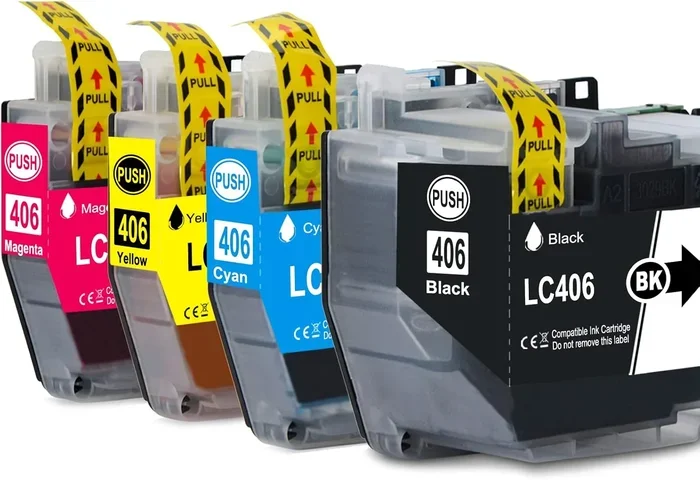
Compatible ink cartridges are brand new cartridges built by third-party manufacturers. They are designed from scratch to match the specifications of genuine HP cartridges. These cartridges use new parts and fresh ink, and they are typically much cheaper than OEM options.
Compatible cartridges are the most popular choice among budget-conscious users. They offer a great balance of affordability and performance. Most reputable brands of compatible ink come with their own warranties and satisfaction guarantees.
Remanufactured Ink Cartridges
Remanufactured cartridges are recycled HP cartridges that have been cleaned, refilled, and tested. The original cartridge shell is reused, and new ink and components are added. This process reduces waste and lowers costs significantly.
Remanufactured cartridges are an eco-friendly option. They keep used cartridges out of landfills and give old hardware a second life. However, the quality can vary depending on the manufacturer and the quality of the remanufacturing process.
Refilled Ink Cartridges
Refilled cartridges are exactly what they sound like. You take an empty HP cartridge and fill it back up with ink using a refill kit. This is the cheapest option, but it also carries the most risk of messes and inconsistent print quality.
Pros and Cons of Using Non HP Ink Cartridges
Before you make the switch, it helps to weigh the advantages and disadvantages. Here is a straightforward look at what you gain and what you might lose when using non OEM printer ink.
The Pros
- Significant cost savings: Non HP cartridges can cost 50 to 80 percent less than genuine HP ink.
- Wide availability: You can find compatible cartridges online and in many retail stores.
- Eco-friendly options: Remanufactured and refilled cartridges reduce plastic waste.
- Same page yield: Many third-party cartridges offer ink volumes comparable to OEM cartridges.
- Multiple brand choices: You are not locked into one ink supplier.
The Cons
- Variable print quality: Cheap ink can produce faded or streaky prints.
- Potential warranty issues: Some printer warranties may not cover damage caused by third-party ink.
- Ink leakage risks: Poorly manufactured cartridges may leak or dry out faster.
- Chip compatibility: Some HP printers use smart chips that may not recognize non OEM cartridges.
- Shorter shelf life: Certain third-party inks may expire faster than genuine HP ink.
Overall, the pros of budget-friendly printing with non HP ink outweigh the cons for most users. The key is choosing a reliable brand and doing your research.
Does Non HP Ink Affect Print Quality?
This is the question most people ask, and it is a fair one. After all, what good is saving money if your prints look terrible? The short answer is that print quality with non HP ink depends heavily on the brand and quality of the cartridge you choose.
High-quality compatible cartridges from reputable manufacturers can produce prints that are nearly identical to genuine HP output. You will get sharp text, vibrant colors, and consistent results. However, cheap or poorly made cartridges may cause issues like:
- Faded or washed-out colors
- Streaks and lines on printed pages
- Clogged printheads
- Inconsistent ink flow
- Smudging and smearing
What to Look for in Quality Non HP Ink
Not all third-party ink is bad. Here are some signs of a quality compatible cartridge:
- Positive customer reviews and high ratings
- A satisfaction guarantee or warranty from the seller
- Clear ink volume and page yield information on the packaging
- Brand recognition in the printer accessories market
- Proper sealing and packaging to prevent leaks
Think of it this way. Just like you would not buy the cheapest shoes without checking the reviews, you should not buy the cheapest ink without doing a little homework. A little research goes a long way toward ensuring great print quality with third-party ink.
Interestingly, the way people shop for printer supplies has changed a lot over the years. Just like how technology has made it easy to find services for almost anything, including finding apps that connect you with dog walkers at the tap of a button, the internet has also made it easier than ever to compare and buy printer cartridges from trusted sellers. The convenience of online shopping means you can read reviews, compare prices, and find the best non HP ink for your specific printer model.
Will Non HP Ink Void Your Printer Warranty?
This is one of the biggest concerns people have about using non OEM ink cartridges. The fear of losing your printer warranty keeps many users stuck with expensive genuine HP ink. But is this fear justified?
The short answer is: it depends, but federal law is on your side. In the United States, the Magnuson-Moss Warranty Act protects consumers. This law states that a manufacturer cannot void your warranty simply because you used a compatible or third-party product.
When Can a Warranty Be Affected?
HP and other printer manufacturers can only deny a warranty claim if they can prove that the non HP ink directly caused the damage. For example:
- If a leaking cartridge damages the printhead, HP may deny the claim.
- If low-quality ink causes clogging that the manufacturer can directly attribute to the third-party ink, your warranty might not cover the repair.
However, if your printer breaks down for a completely unrelated reason, HP cannot use the fact that you used non OEM ink as an excuse to deny your warranty. This is an important distinction that many people do not know about.
HP’s Stance on Third-Party Ink
HP has been known to design its printers to work best with genuine HP cartridges. Some newer HP printers use firmware updates that can restrict the use of non HP cartridges. This has been a controversial topic in the printing industry.
Despite these restrictions, many users still successfully use compatible cartridges without any issues. Keeping your printer firmware updated and choosing high-quality third-party ink can help you avoid most problems.
How to Choose the Right Non HP Ink Cartridge
Not all non HP cartridges are the same. Choosing the right one for your printer and your needs can make all the difference. Here is a practical guide to help you decide.
Step 1: Check Your Printer Model
Before buying any cartridge, check your printer model number. This information is usually found on the front or back of your printer. Make sure the compatible cartridge is listed as working with your specific model.
Step 2: Compare Ink Types
HP printers use different types of ink, including dye-based and pigment-based inks. Dye-based ink is great for colorful photos, while pigment-based ink is better for sharp text documents. Make sure the non HP cartridge matches the ink type your printer uses.
Step 3: Read Reviews
Customer reviews are your best friend when shopping for compatible printer cartridges. Look for reviews that mention print quality, page yield, and ease of installation. Avoid brands with consistently poor feedback.
Step 4: Check the Warranty
Reputable third-party cartridge sellers offer warranties or money-back guarantees. This protects you if the cartridge does not perform as expected. Always check the return policy before making a purchase.
Step 5: Consider the Page Yield
Page yield refers to the number of pages a cartridge can print before running out of ink. Compare the page yield of non HP cartridges to genuine HP cartridges to make sure you are getting a fair deal.
Common Mistakes People Make with Non HP Ink
Even with the best intentions, people sometimes make mistakes when switching to third-party ink. Here are some common pitfalls to avoid.
Buying the Cheapest Option
The cheapest cartridge is not always the best deal. If a cartridge leaks, jams, or produces poor-quality prints, you could end up spending more on repairs or reprints than you saved.
Ignoring Expiration Dates
Ink cartridges have shelf lives. Using an expired cartridge can lead to clogged printheads and poor print quality. Always check the expiration date before purchasing.
Skipping the Test Print
After installing a new cartridge, always run a test print. This helps you catch any issues early, such as misaligned colors or streaks, before you print important documents.
Not Cleaning the Printhead
Sometimes print quality issues are not caused by the ink itself. Running your printer’s built-in printhead cleaning function can often resolve streaking or fading problems.
Cost Comparison: Non HP vs. Genuine HP Ink
The cost difference between non HP and genuine HP ink is one of the biggest reasons people make the switch. Here is a general comparison to give you a clear picture.
| Factor | Genuine HP Ink | Non HP Compatible Ink |
|---|---|---|
| Average Price per Cartridge | $30 – $50 | $10 – $25 |
| Page Yield | 150 – 300 pages | 150 – 300 pages |
| Print Quality | Consistently excellent | Good to excellent (varies by brand) |
| Warranty Coverage | Full HP warranty | Seller warranty only |
| Availability | HP stores and retailers | Online and retail stores |
| Eco-Friendliness | New materials used | Recycled options available |
As you can see, the potential savings with non HP ink are substantial. Over time, these savings can add up to hundreds or even thousands of dollars, especially for heavy printers.
Expert Insights on Non HP Ink Cartridges
We reached out to printing industry experts to get their take on the non HP ink debate. Here is what they had to say.
Dr. Sarah Chen, Print Technology Specialist: “The quality of compatible ink has improved dramatically over the past decade. Many third-party cartridges now meet or exceed OEM standards. Users should focus on buying from reputable brands with strong customer feedback.”
Mark Thompson, IT Support Manager: “I recommend compatible cartridges for home users and small businesses. The cost savings are real, and the quality is more than sufficient for everyday printing needs. Just stay away from the absolute cheapest options.”
Lisa Rodriguez, Environmental Advocate: “Remanufactured cartridges are a win-win. They save consumers money and reduce environmental waste. I encourage everyone to consider eco-friendly printing options whenever possible.”
Final Thoughts: Are Non HP Ink Cartridges Ok?
So, are non HP ink cartridges ok? The answer is a resounding yes for most users. Non HP ink cartridges offer a practical, affordable, and increasingly high-quality alternative to expensive genuine HP cartridges.
The key is to choose wisely. Stick with reputable brands, read customer reviews, and match your cartridge to your specific printer model. When you do that, you can enjoy significant savings without sacrificing print quality.
Remember that your printer is an investment, and the ink you use matters. But that does not mean you need to overspend on OEM cartridges every time you run low. With the right compatible ink cartridge, you can keep your printer running smoothly and your prints looking great, all while keeping more money in your pocket.
Take the time to explore your options. Compare brands, check warranties, and do a test print before committing to a bulk purchase. A little effort upfront can save you a lot of headaches and money down the road. Non HP ink cartridges are ok and can be a smart choice for anyone looking to print smarter, not harder.
Frequently Asked Questions
Can using non HP ink damage my printer?
In most cases, no. High-quality compatible cartridges from reputable brands are safe for your printer. However, low-quality or leaking cartridges can potentially cause damage. This is why it is important to buy from trusted sellers and read reviews before purchasing.
Do non HP ink cartridges work with all HP printers?
Most non HP cartridges are designed to work with specific HP printer models. Always check the compatibility list before buying. Using the wrong cartridge can cause errors or poor print quality.
Is it legal to use non HP ink cartridges?
Yes, it is completely legal. Federal law in the United States protects your right to use compatible and third-party ink cartridges with your printer. Manufacturers cannot force you to buy only their brand of ink.
How long do non HP ink cartridges last?
The shelf life of a non HP cartridge is typically one to two years if stored properly. Once installed, the cartridge will last until the ink runs out, which depends on how frequently you print and the page yield of the cartridge.
Are remanufactured cartridges as good as new compatible cartridges?
Both can be excellent options. Remanufactured cartridges are eco-friendly and cost-effective, while new compatible cartridges may offer more consistent performance. The best choice depends on your priorities and the brand you choose.
Will HP still honor my warranty if I use non HP ink?
Yes, in most cases. HP cannot void your warranty simply because you used compatible ink. They can only deny a claim if they prove the non HP ink directly caused the specific damage being claimed.