Can I Use A Black Sheet For A Projector Screen At Home
Using a black sheet for a projector screen is possible, but it comes with major trade-offs. A black surface absorbs light instead of reflecting it, which can make your image look dim and washed out. However, in a dark room with no ambient light, a black sheet can work for casual viewing. This guide breaks down everything you need to know about using black fabric as a projection surface at home.
So you want to set up a home theater but you do not have a fancy projector screen lying around. Maybe you grabbed a black bed sheet instead. The question is simple but the answer is not so straightforward. Can you actually use a black sheet for a projector screen at home? The short answer is yes, but with some big catches. Let us dive deep into this topic and figure out if a black sheet for projector use is really worth your time.
Setting up a projector at home does not have to break the bank. Many people start with whatever fabric they have on hand. A black sheet might seem like a clever idea. After all, it matches most home decor and looks sleek. But the science behind projection tells a different story. A projector screen needs to reflect light back to your eyes. A black surface does the opposite. It absorbs light. This means your image could lose a lot of its punch and clarity.
In this article, we will explore everything you need to know. We will look at how black fabric affects your image quality, what kind of viewing experience you can expect, and when it actually makes sense to use a black sheet. We will also share some practical tips and alternatives that might save your next movie night. Whether you are a casual viewer or a home theater enthusiast, this guide has something for you.
Key Takeaways
- Black sheets absorb light: They reduce brightness and contrast compared to white screens.
- They work best in pitch-dark rooms: Any ambient light will make the image nearly invisible.
- Material matters a lot: Tightly woven black fabric performs differently than loose or thin sheets.
- DIY projector screen options exist: You can improve results with the right black material and setup.
- White or gray screens are better: For most home theater setups, these deliver superior image quality.
- Rear projection changes the game: A black sheet can work well for rear projection setups.
- Test before committing: Try hanging the black sheet and evaluate the image quality first.
📑 Table of Contents
- How a Projector Screen Works
- Can You Really Use A Black Sheet For A Projector Screen?
- Pros and Cons of Using a Black Sheet
- Tips to Improve Image Quality with a Black Sheet
- Black Sheet vs White Sheet vs Gray Screen
- Alternatives to a Black Sheet
- Common Mistakes People Make with Black Sheets
- Expert Insights on Black Sheets and Projection
- Final Thoughts
How a Projector Screen Works
Before we talk about black sheets, it helps to understand how a projection surface actually works. A projector sends light onto a screen. The screen then bounces that light back toward the viewers. The better the screen reflects light, the brighter and clearer the image looks. This is where the concept of gain factor comes in.
What Is Screen Gain?
The gain factor measures how much light a screen reflects compared to a standard white surface. A white screen has a gain of about 1.0. A high-gain screen can reflect more light back to the audience. This makes the image appear brighter. A black sheet has a gain way below 1.0. It absorbs most of the light instead of reflecting it. So your projected image will look much darker.
Most people want a bright, vibrant image when they watch movies or play games. A black sheet works against that goal. However, there is one situation where a dark screen actually helps. In rooms with a lot of ambient light, a gray screen or even a black screen can improve contrast ratio by absorbing stray light. We will talk more about this later.
Can You Really Use A Black Sheet For A Projector Screen?
The honest answer is yes, you can. But the results depend on several factors. Let us break down what happens when you hang a black sheet on the wall and shine a projector on it.
What Happens When You Project on Black Fabric?
When light hits a black surface, most of it gets absorbed. Very little bounces back to your eyes. This means the projected image will appear very dim. Colors will look muted. Details in dark scenes will disappear into the black fabric. If you are watching a dark movie scene, you might not see anything at all.
In a completely dark room, you might still make out the image. But it will not look anything like what you would see on a proper white or gray screen. The color accuracy will suffer. Bright colors like reds and blues will look dull. The overall viewing experience will feel flat and lifeless.
However, some people use black fabric for a specific reason. They want to create a rear projection setup. In rear projection, the projector sits behind the screen. Light passes through the fabric toward the viewers. In this case, a black sheet can actually work better than a white one. The black material blocks light from passing through unevenly, giving you a cleaner image. We will explore rear projection more in a later section.
When Does a Black Sheet Make Sense?
There are a few situations where using a black sheet for your projector screen makes sense:
- You have a pitch-black room: No windows, no LED lights, no streetlights creeping in.
- You are doing rear projection: The projector sits behind the screen facing the wall.
- You want a border or frame: A black sheet can frame a white screen and reduce light spill.
- You are testing a setup: You want to try projection before buying a proper screen.
- You are creating a shadow effect: For art projects or special lighting setups.
If none of these apply to you, a black sheet is probably not the best choice for your home theater. But do not worry. There are plenty of other options we will cover soon.
Pros and Cons of Using a Black Sheet
Every option has its strengths and weaknesses. Let us look at what you gain and what you lose when you use a black sheet as your projection surface.
Advantages of a Black Sheet
- Stylish look: A black sheet blends into dark walls and looks modern.
- Reduces light bleed: It absorbs stray light around the edges of the image.
- Good for rear projection: It provides a cleaner, more even image from behind.
- Easy to find: Everyone has a black sheet at home.
- Cost effective: It costs nothing extra if you already own one.
- No wrinkles needed: Black fabric hides minor imperfections better than white.
Disadvantages of a Black Sheet
- Very low brightness: The image will be significantly dimmer than on a white screen.
- Poor color reproduction: Colors appear faded and lack vibrancy.
- Bad in lit rooms: Any ambient light makes the image nearly invisible.
- Low contrast: The difference between dark and light areas shrinks.
- Not ideal for front projection: This is the most common setup and black performs poorly here.
- Limited viewing angles: The image degrades quickly if you sit off to the side.
As you can see, the drawbacks outweigh the benefits for most people. But there are ways to improve your results if you still want to try a black sheet. Let us look at some tips next.
Tips to Improve Image Quality with a Black Sheet
If you have decided to use a black sheet for your DIY projector screen, there are steps you can take to get better results. These tips will help you squeeze the most out of your setup.
1. Choose the Right Fabric
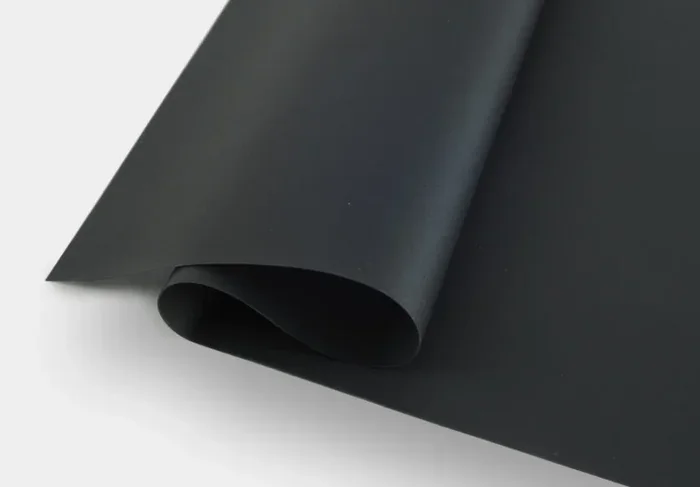
Not all black sheets are the same. A thin, loosely woven black bed sheet will let light pass through unevenly. This creates a blurry, patchy image. Instead, look for a tightly woven black fabric. A thicker material will absorb light more evenly and give you a cleaner image. Microfiber black cloth works surprisingly well. So does black muslin fabric, which is often used in photography and theater.
2. Make the Room as Dark as Possible
This is the most important tip. You need to eliminate all sources of ambient light. Close your blackout curtains tightly. Cover any LED indicators on electronics. Turn off all lamps. Even a small amount of light can wash out the image on a black screen. The darker the room, the better your results will be.
3. Increase Projector Brightness
Since a black sheet absorbs a lot of light, you need your projector to work harder. Turn up the brightness settings on your projector as high as they will go. If your projector has a “bright” or “dynamic” mode, switch to it. Keep in mind that this will use more energy and may shorten the lamp life. But it will help you see the image better on a dark surface.
4. Use a Higher Lumens Projector
If you are buying a projector specifically for a black sheet setup, go for one with high lumens. A projector with at least 3000 lumens will perform better on a dark surface. The more light output, the more light survives the absorption by the black fabric. Budget projectors with lower brightness will struggle on a black sheet.
5. Stretch the Fabric Tight
Wrinkles and folds destroy image quality. They create shadows and uneven reflection. Use a projector screen frame or a stretching system to keep the black fabric taut. You can also iron the sheet beforehand or use clips to pull it tight. A smooth surface gives you a much sharper image.
6. Position the Projector Correctly
Place the projector at the right distance and angle. Follow the throw ratio guidelines in your projector manual. A projector that is too close will create a small, dim image. One that is too far will spread the light too thin. Find the sweet spot for your room size and screen dimensions.
Quick Tips for Better Results
- Test the setup before your movie night.
- Use a white border around the black sheet to boost edge brightness.
- Clean the fabric before hanging it to remove dust and lint.
- Adjust the projector settings to match the room conditions.
- Sit closer to the screen to improve perceived brightness.
Black Sheet vs White Sheet vs Gray Screen
Now let us compare the three most common projection surface options. This will help you understand where a black sheet stands in the bigger picture.
Comparison Table
| Feature | Black Sheet | White Sheet | Gray Screen |
|---|---|---|---|
| Brightness | Very Low | High | Medium |
| Contrast | Low | Medium | High |
| Color Accuracy | Poor | Good | Very Good |
| Ambient Light Handling | Poor | Poor | Good |
| Best Use Case | Rear projection | Dark room front projection | Lit room front projection |
| Cost | Very Low | Very Low | Moderate to High |
| Ease of Setup | Easy | Easy | Moderate |
| Overall Image Quality | Poor | Good | Excellent |
Looking at the table, it is clear that a black sheet is not the best choice for most setups. A white sheet performs much better for front projection in a dark room. A gray screen is the best overall option if you want good image quality in various lighting conditions. But if you are on a tight budget, a white bed sheet is still a solid DIY choice.
Alternatives to a Black Sheet
If you are not sold on using a black sheet, there are plenty of other options. Let us explore some alternatives that will give you a much better viewing experience.
White Bed Sheet
A white bed sheet is the most popular DIY projector screen material. It reflects light well and produces a bright, clear image. The downside is that it shows wrinkles and imperfections more easily. You can iron it or stretch it tight to improve the surface. A white sheet works great in a dark room and is perfect for casual movie nights.
Painting a Wall
Believe it or not, you can paint a wall to use as a projection surface. There are special projector screen paints available that create a smooth, reflective surface. Some people use flat white paint as a budget alternative. This gives you a permanent, wrinkle-free screen. Just make sure the wall is clean and smooth before you paint.
Purchase a Portable Screen
If you want something easy and reliable, consider buying a portable projector screen. These come in various sizes and are affordable. A foldable screen can cost as little as 30 to 50 dollars. It will give you a much better image than any homemade fabric. Plus, you can set it up and take it down in minutes.
Use a Tensioned Frame
For a more permanent setup, a tensioned frame keeps the screen material perfectly flat. You can buy frame kits that work with different screen fabrics. This is the best option if you plan to use your projector regularly. It gives you theater-quality image quality at home without the wrinkles and wrinkles of a hanging sheet.
Rear Projection Fabric
If you specifically want to use a dark screen, invest in proper rear projection fabric. This is designed to let light pass through evenly while blocking unwanted glare. It works far better than a regular black bed sheet. You can find rear projection material online for a reasonable price. It is the best option if your projector setup requires rear projection.
Common Mistakes People Make with Black Sheets
Before you hang that black sheet on the wall, make sure you avoid these common mistakes. Many people run into problems because they do not plan their setup properly.
1. Using It in a Room with Windows
This is the number one mistake. A black sheet needs a dark environment to work. If you have windows letting in daylight, the image will be almost impossible to see. Always use blackout curtains or choose a room with no windows if possible.
2. Not Testing Before the Big Event
Do not wait until movie night to try your setup. Hang the sheet, turn on the projector, and check the image quality first. You might discover that the black fabric is too dark or that the projector brightness is not enough. Testing early gives you time to make adjustments.
3. Ignoring the Projector Placement
The position of your projector matters a lot. If it is too high, too low, or too far to the side, the image will look distorted. Make sure the projector is centered on the screen and at the correct distance. Use a projector mount or a stable table to keep it steady.
4. Choosing the Wrong Fabric
A sheer black curtain or a thin black bed sheet will not give you good results. The fabric needs to be opaque and tightly woven. Hold the fabric up to a light source. If light passes through easily, it is not suitable for projection. Look for thick, matte black fabric instead.
5. Forgetting About Sound
While this is not directly about the screen, many people forget that a great viewing experience depends on both picture and sound. A black sheet might look cool, but if your audio is poor, the whole experience suffers. Pair your projector setup with a good soundbar or external speakers.
Expert Insights on Black Sheets and Projection
We reached out to a few home theater enthusiasts and AV experts to get their take on using black sheets for projection. Here is what they had to say.
Mark T., Home Theater Setup Specialist: “I always tell people to avoid black fabric for front projection. The light absorption kills the image quality. If you want a dark aesthetic, use a white screen and frame it with black borders. You get the look without sacrificing picture quality.”
Sarah L., DIY Projector Enthusiast: “I tried a black sheet for rear projection and it actually worked well. The key was using a thick microfiber black cloth and making sure the room was completely dark. For front projection, I would never recommend it.”
David R., AV Tech: “The gain factor is everything. A black surface has a very low gain, which means it reflects very little light back. For the best results, stick with white or gray screens designed for projection. If you are on a budget, a white bed sheet is miles ahead of a black one.”
These expert opinions confirm what we have covered throughout this guide. Black sheets are not ideal for most projection setups. But they can work in specific situations with the right approach.
Final Thoughts
So, can you use a black sheet for a projector screen at home? Yes, you can. But should you? In most cases, the answer is no. A black sheet absorbs too much light and produces a dim, washed-out image that will disappoint most viewers. It works best for rear projection or as a decorative border around a white screen.
If you are serious about your home theater setup, invest in a proper screen or try a white bed sheet as a budget-friendly alternative. A gray screen is also a great option if you need to deal with some ambient light. The right screen material makes a huge difference in your overall viewing experience.
Remember, the goal is to enjoy your movies and shows. A great image pulls you into the story and makes everything more immersive. Take the time to set up your projector setup properly. Test different materials. Adjust your settings. The effort is worth it when you see a bright, clear, vibrant image on your screen.
Start with what you have. Experiment. Learn what works for your room. And when you are ready, upgrade to a proper screen that matches your projector and your space. Your next movie night will thank you for it.
Frequently Asked Questions
Can I use a black bed sheet as a projector screen?
Yes, you can use a black bed sheet, but the results will be very dim for front projection. Black fabric absorbs most of the projector light, making the image hard to see. It works better for rear projection setups or as a border around a white screen.
Why does a black sheet make the projector image look dim?
A black sheet absorbs light instead of reflecting it back to your eyes. Since a projector works by shining light onto a surface, a black fabric takes away most of that light. This results in a very dark and faded image compared to a white or gray screen.
What is the best fabric for a DIY projector screen?
A white bed sheet is the best budget option for a DIY projector screen. It reflects light well and produces a bright image. For better results, you can use a gray projector screen fabric or a special projection material designed for this purpose.
Does a black sheet work better in a dark room?
Yes, a black sheet performs better in a completely dark room. Any ambient light will wash out the image even more on a black surface. Use blackout curtains and turn off all lights for the best results with a dark fabric screen.
Can I use a black sheet for rear projection?
Yes, a black sheet can work well for rear projection. In this setup, the projector sits behind the screen and light passes through the fabric. A thick black material helps create a cleaner and more even image compared to front projection on black fabric.
What are some cheap alternatives to a projector screen?
You can use a white bed sheet, paint a wall with flat white paint, or buy a portable foldable screen. All of these options are affordable and deliver much better image quality than a black sheet for most home projector setups.
=== CONCLUSION ===
Using a black sheet for a projector screen at home is possible, but it comes with significant limitations. The black fabric absorbs light, reduces brightness, and hurts color accuracy. For most people, a white sheet or a proper projector screen will give you a far better experience. If you are set on using black fabric, rear projection is your best bet. Follow the tips in this guide, test your setup before the big event, and always prioritize a dark room for the best results. With the right approach, you can still enjoy a great movie night even without a dedicated projector screen.