Can You Actually Use Airpods In A Motorcycle Helmet
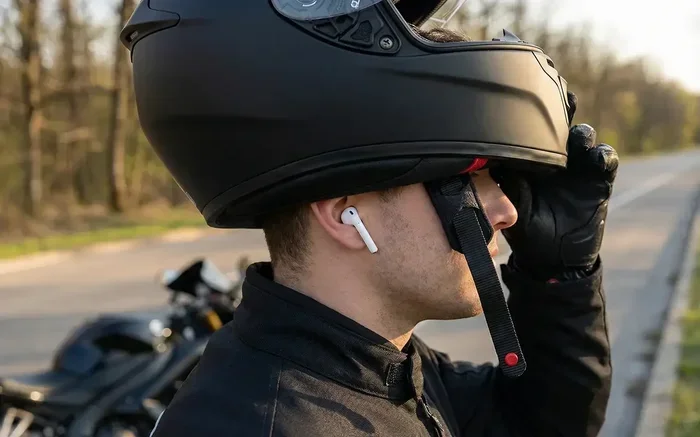
Yes, you can use Airpods in a motorcycle helmet, but it comes with important safety and comfort considerations. The right helmet type, proper placement, and volume control make all the difference. This guide covers everything riders need to know about using Airpods in a motorcycle helmet safely and effectively.
Riding a motorcycle is one of the most freeing experiences out there. The wind, the open road, the sense of adventure. But let us be honest. Sometimes you just want to hear your favorite podcast or playlist while you cruise. That is where the idea of using Airpods in a motorcycle helmet comes in.
The short answer is yes, you can use Airpods in a motorcycle helmet. But the real question is whether you should and how to do it safely. This guide walks you through everything you need to know. From helmet compatibility to volume limits, we have you covered. If you have ever wondered about Airpods in motorcycle helmet setups, this is the article for you.
Key Takeaways
- Airpods can work in certain helmets: Full-face and modular helmets offer the best fit for Airpods during rides.
- Safety comes first: Always keep volume low so you can hear traffic, horns, and emergency signals.
- Not all Airpod models are equal: AirPods Pro and AirPods 3 handle wind noise better than older models.
- Wireless helmet speakers are an alternative: Options like Bluetooth helmet speakers offer a more rider-friendly experience.
- Battery life matters on long rides: Plan charging stops if you ride for hours with Airpods.
- Legal restrictions exist: Some states and countries limit headphone use while riding.
📑 Table of Contents
- Why Riders Want to Use Airpods While Riding
- Can You Fit Airpods Inside a Motorcycle Helmet
- Safety Concerns of Using Airpods While Riding
- Best Airpod Models for Motorcycle Riding
- Tips for Using Airpods in a Motorcycle Helmet
- Common Mistakes Riders Make with Airpods
- Expert Insights on Riding with Airpods
- Final Thoughts
Why Riders Want to Use Airpods While Riding
Let us start with the obvious. Music and podcasts make long rides more enjoyable. A good playlist can turn a boring highway stretch into something fun. Podcasts keep your mind engaged on solo trips. And for many riders, audio entertainment simply makes the experience better.
Some riders also use audio for navigation alerts. Phone mounts and GPS apps work well, but hearing turn-by-turn directions through earbuds can be more convenient than looking at a screen. Others simply want to stay connected with friends riding ahead or behind.
Whatever the reason, the desire is understandable. The key is finding a way to do it that does not compromise safety or comfort. Before you dive in, it helps to understand how Airpods actually work inside a helmet and what challenges you might face.
Can You Fit Airpods Inside a Motorcycle Helmet
Helmet Types and Airpod Compatibility
Not all helmets are created equal when it comes to fitting Airpods. The type of helmet you wear makes a huge difference in comfort and audio quality.
Full-face helmets offer the most space. The ear pads are thick enough to hold Airpods in place without pressing them against your ears too tightly. Modular helmets work similarly since they fold open and have comparable ear padding.
Open-face helmets and half helmets are trickier. There is less padding to hold the Airpods, and wind noise becomes a major issue. Off-road helmets with their distinctive sun peaks can also create awkward fit issues.
If you are using AirPods Pro, the silicone tips create a snug seal that helps block some wind noise. Standard AirPods 3 or AirPods 2 sit more loosely and may shift during a ride. The fit really depends on your helmet size and shape.
Where to Place Airpods for the Best Fit
Placement matters more than most people think. Here are the most common positions riders use:
- Toward the top of the ear pad: This keeps the Airpod closer to the ear canal and reduces wind interference.
- Slightly tilted outward: Angling the Airpod toward your ear canal improves sound quality and comfort.
- Between the ear pad and your ear: Some riders find that pressing the ear pad gently against the Airpod holds it in place.
Experiment with placement before hitting the road. A loose Airpod can fall out at a stop light, and that is both annoying and unsafe. Take a short test ride in a safe area to find your sweet spot.
Safety Concerns of Using Airpods While Riding
Hearing Traffic and Emergency Sounds
This is the biggest concern. When you wear earbuds, you reduce your ability to hear what is happening around you. Sirens, horns, engine sounds from other vehicles, and even the sound of your own bike all become quieter.
The good news is that Airpods with Transparency mode (available on AirPods Pro and AirPods 3) let in outside sound. This feature uses the microphone to pipe ambient noise into your ears while still playing your audio. It is a game changer for riders who want some music without going completely deaf to the world.
Even with Transparency mode on, you should keep the volume low. A good rule of thumb is to keep it at no more than 50 to 60 percent. You should still be able to hear traffic clearly at all times.
Wind Noise and Audio Quality
Motorcycle riding creates a lot of wind noise, especially at speeds above 40 mph. This noise can completely drown out your audio. It also forces you to crank up the volume, which makes the safety problem worse.
AirPods Pro handle wind noise slightly better thanks to their noise cancellation features. But no in-ear bud completely eliminates wind interference. If you ride at highway speeds regularly, you may find that the audio quality drops significantly.
Some riders use wind mufflers or helmet wind screens to reduce noise around the ears. These accessories can help improve your audio experience without turning the volume up dangerously high.
Legal Restrictions on Headphones While Riding
Here is something many riders overlook. In some states and countries, wearing headphones in both ears while operating a motorcycle is illegal. The laws vary widely.
- Some states ban all headphones while riding.
- Others allow one earbud only.
- A few places have no specific laws but may cite riders under reckless driving statutes.
Before you use Airpods on your motorcycle, check your local laws. You do not want a ticket on top of a bad riding experience. And honestly, even if it is legal in your area, prioritize safety over convenience.
Best Airpod Models for Motorcycle Riding
Not all Airpods are built the same. Some models work much better for motorcycle riding than others. Here is a quick breakdown:
| Model | Fit in Helmet | Wind Noise Handling | Battery Life | Transparency Mode |
|---|---|---|---|---|
| AirPods Pro (2nd Gen) | Excellent | Good | 6 hours (30 with case) | Yes |
| AirPods Pro (1st Gen) | Very Good | Good | 4.5 hours (24 with case) | Yes |
| AirPods 3 | Good | Moderate | 6 hours (30 with case) | Yes |
| AirPods 2 | Fair | Poor | 5 hours (24 with case) | No |
| AirPods Max | Poor | Moderate | 20 hours | Yes |
For most riders, AirPods Pro is the best choice. The silicone tips create a secure seal, the transparency mode lets in traffic sounds, and the compact size fits well inside most helmet ear pads. AirPods 3 are a solid second option if you prefer a non-in-ear design.
Standard AirPods 2 and AirPods Max are not ideal for motorcycle use. The AirPods 2 lack transparency mode and tend to fall out easily. The AirPods Max are too large and heavy to fit comfortably inside a helmet.
Tips for Using Airpods in a Motorcycle Helmet
Keep the Volume Low
This cannot be stressed enough. Set your volume low enough that you can still hear your surroundings clearly. If you cannot hear a car horn from a block away, the volume is too high. Your safety depends on your awareness of the road.
Use One Airpod Instead of Both
Many experienced riders recommend using just one Airpod in your helmet. This keeps one ear open for traffic sounds while still letting you enjoy audio. It is a simple trick that dramatically improves safety. You can alternate ears on long rides to prevent ear fatigue.
Secure the Airpods Properly
Use the foam pads that come with some helmets to create a snugger fit around the Airpods. Some riders also use small adhesive hooks or ear hooks designed for running earbuds to keep everything in place.
Avoid tilting your head too much when checking mirrors. A sudden movement can dislodge an Airpod, and trying to fish it out of your helmet while riding is dangerous.
Manage Battery Life
Long rides can drain your Airpods quickly, especially in cold weather. Cold temperatures reduce battery performance significantly. If you ride in winter, keep your helmet plugged in or carry a portable charger. Plan your route around charging stops if needed.
Consider Alternatives to Airpods
If Airpods do not work well for you, there are other options. Helmet-integrated Bluetooth speakers mount directly inside the helmet and deliver audio without blocking your ears. You can also look into bone conduction headphones that transmit sound through your cheekbones, leaving your ear canals open.
Some riders prefer motorcycle communication systems like those from Sena or Cardo. These systems handle audio, navigation, and rider-to-rider communication all in one device. They are more expensive than Airpods, but they are purpose-built for motorcycle use.
If you are curious about other audio setups, you might want to check out whether you can listen to music in a Bluetooth helmet for more options.
Common Mistakes Riders Make with Airpods
Avoid these mistakes to stay safe and get the best experience:
- Turning the volume too high: This is the number one mistake. It blocks your hearing and increases the risk of accidents.
- Using both Airpods in noisy conditions: At highway speeds, both Airpods become almost useless because wind noise overpowers everything.
- Ignoring helmet fit: A helmet that is too tight will push the Airpods uncomfortably against your ears. A loose helmet lets the Airpods shift around.
- Forgetting to charge them: Nothing ruins a ride like dead Airpods halfway through. Always charge them before a long trip.
- Riding in bad weather: Rain and sweat can damage Airpods. Even water-resistant models are not designed for sustained exposure to rain while riding.
Expert Insights on Riding with Airpods
Experienced riders and safety experts generally advise caution. Most recommend keeping audio to one ear at low volume. Some riding instructors suggest saving audio for low-speed city rides rather than highway cruising where wind noise is constant.
From a comfort perspective, experts note that extended earbud use during a ride can cause ear fatigue or even mild discomfort after an hour or two. Taking breaks every 30 to 45 minutes helps reduce this issue.
If you are new to riding with audio, start with short trips at lower speeds. Get used to how the Airpods feel and how they affect your awareness before taking on longer or faster rides.
For those interested in exploring other audio options, you might also want to learn about using Bluetooth headphones for different scenarios to understand how different models handle various environments.
Final Thoughts
Using Airpods in a motorcycle helmet is absolutely possible, and many riders do it every day. The key is doing it safely and smartly. Choose the right helmet, use the right Airpod model, keep the volume low, and always stay aware of your surroundings.
Remember that audio entertainment should enhance your ride, not distract you from it. If at any point you feel like your Airpods are reducing your awareness or causing discomfort, take them out. Your safety always comes first.
Whether you use Airpods, helmet speakers, or skip audio altogether, the most important thing is that you enjoy your ride and arrive safely. The road will always be there for you.
Frequently Asked Questions
Can you wear AirPods in a full-face motorcycle helmet?
Yes, full-face helmets offer the best fit for Airpods. The thick ear padding holds them securely and reduces wind noise. AirPods Pro work especially well in this type of helmet due to their compact size and transparency mode.
Is it legal to use AirPods while riding a motorcycle?
It depends on your location. Some states and countries allow it, while others ban headphones in both ears while riding. Always check your local traffic laws before using Airpods on your motorcycle to avoid fines or legal issues.
Can AirPods fall out of a helmet while riding?
They can, especially at high speeds or if the helmet is not a snug fit. AirPods Pro with silicone tips stay in place better than standard AirPods. Using helmet padding or ear hooks can help secure them further.
What is the best Airpod model for motorcycle riding?
AirPods Pro (2nd Gen) is the top choice for most riders. It offers transparency mode, a secure fit, good wind noise handling, and decent battery life. AirPods 3 are a good alternative if you prefer a non-in-ear design.
How loud should you set the volume when riding with AirPods?
Keep the volume at 50 to 60 percent maximum. You should always be able to hear traffic sounds, horns, and emergency vehicles clearly. If you cannot hear these sounds, the volume is too high and unsafe.
Are there safer alternatives to AirPods for motorcycle riding?
Yes. Helmet-integrated Bluetooth speakers, bone conduction headphones, and motorcycle communication systems are all safer alternatives. They deliver audio without blocking your ears, keeping you more aware of your surroundings on the road.
=== CONCLUSION ===
Using Airpods in a motorcycle helmet is a practical reality for many riders today. With the right model, proper placement, and responsible volume levels, you can enjoy your favorite audio without sacrificing safety. Full-face helmets provide the best fit, and AirPods Pro offers the most features for riders. Always be mindful of local laws, weather conditions, and your own comfort. Ride safe, stay aware, and enjoy the music.