Does Bluetooth Drain Hearing Aid Batteries Quickly
Bluetooth technology can drain hearing aid batteries faster than standard use, but the impact depends on your device, settings, and habits. Modern Bluetooth-enabled hearing aids use low-energy protocols that reduce drain significantly. With the right tips and settings, you can enjoy wireless streaming without constantly replacing batteries.
Bluetooth hearing aids have changed the way people listen to the world. You can stream phone calls, music, and TV audio straight to your ears. But a common question keeps popping up: does Bluetooth drain hearing aid batteries quickly? The short answer is yes, but not as much as you might think.
Modern hearing aid technology has come a long way. Manufacturers now build Bluetooth low energy chips into tiny devices that sit comfortably in your ear. These chips use much less power than older wireless connections. Still, any wireless connection draws more power than simple listening mode.
In this article, we will break down exactly how Bluetooth affects your hearing aid batteries. We will look at real numbers, share practical tips, and answer the most common questions. Whether you have rechargeable or disposable batteries, you will find useful advice here.
Key Takeaways
- Bluetooth does drain hearing aid batteries: Wireless streaming uses more power than standard listening mode.
- Low Energy Bluetooth helps: Newer hearing aids use BLE protocols that minimize battery consumption.
- Battery life drops when streaming: Expect 15-30% less battery life during active Bluetooth use.
- Simple settings changes help: Lowering volume and disabling unused features extends battery life.
- Rechargeable options exist: Many modern Bluetooth hearing aids come with rechargeable lithium-ion batteries.
- Proper maintenance matters: Regular cleaning and correct storage reduce unnecessary power drain.
📑 Table of Contents
- How Bluetooth Affects Hearing Aid Battery Life
- Types of Hearing Aid Batteries and Bluetooth Impact
- Factors That Increase Bluetooth Battery Drain
- Tips to Reduce Bluetooth Battery Drain
- How Modern Bluetooth Hearing Aids Are Improving Battery Life
- Common Myths About Bluetooth and Hearing Aid Batteries
- When to See Your Hearing Care Professional
- Final Thoughts
How Bluetooth Affects Hearing Aid Battery Life
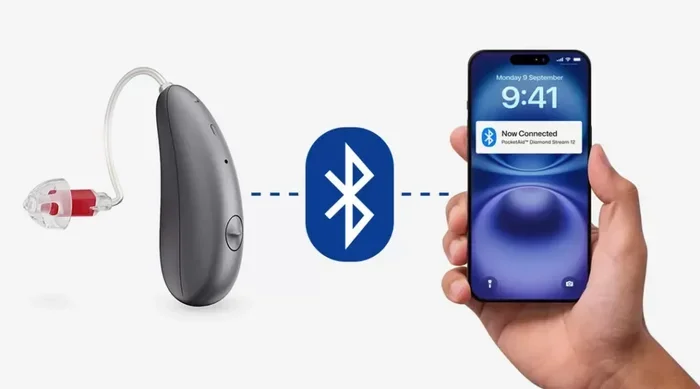
Bluetooth technology sends audio data wirelessly from your phone, TV, or computer to your hearing aids. This process requires constant radio transmission. That transmission uses electrical energy, which comes directly from your battery.
The amount of drain depends on several factors. Let us look at them closely.
Bluetooth Streaming vs. Normal Listening
When your hearing aids are in normal listening mode, they use very little power. They pick up ambient sound through the built-in microphone and amplify it. This process is efficient and does not stress the battery much.
But when you turn on Bluetooth streaming, everything changes. Your hearing aid now acts as a wireless receiver. It must decode audio signals in real time. This extra work demands more electricity. Studies show that active Bluetooth streaming can reduce battery life by 15 to 30 percent compared to normal use.
Think of it like driving a car. Normal listening is like cruising on a flat road. Bluetooth streaming is like driving uphill. You still get to your destination, but you use more fuel along the way.
Why Wireless Audio Drains More Power
Wireless audio streaming involves constant data exchange between devices. Your hearing aid receives tiny packets of audio data hundreds of times per second. Each packet requires the radio to power up, receive data, and power back down.
Even though modern Bluetooth low energy protocols make this process efficient, it still uses more power than passive listening. The more devices you connect to, the more your hearing aids work. Pairing with multiple sources like phones, tablets, and TVs can compound the drain.
Types of Hearing Aid Batteries and Bluetooth Impact
Not all hearing aid batteries react the same way to Bluetooth use. The type of battery you have plays a big role in how much drain you will notice.
Disposable Zinc-Air Batteries
Most traditional hearing aids use small zinc-air batteries. These come in sizes 10, 13, 312, and 675. They are inexpensive and easy to replace. But when you add Bluetooth streaming, they drain faster.
A zinc-air battery that normally lasts 5 to 7 days might only last 3 to 4 days with heavy Bluetooth use. This means you will need to replace batteries more often. Over time, the cost of extra replacements can add up.
Rechargeable Lithium-Ion Batteries
Many newer Bluetooth hearing aids use rechargeable lithium-ion batteries. These batteries hold more charge and last longer than zinc-air options. A single charge typically gives you 18 to 30 hours of use.
With Bluetooth streaming, you might get 12 to 20 hours per charge. This is still quite good. Rechargeable hearing aids save you the hassle of buying and replacing tiny batteries every week.
One advantage of lithium-ion batteries is that they handle frequent charging cycles well. You can plug them in every night without worrying much about battery wear.
Comparison Table: Battery Types and Bluetooth Drain
| Battery Type | Normal Life | Life with Bluetooth Streaming | Rechargeable? |
|---|---|---|---|
| Zinc-Air (Size 312) | 5-7 days | 3-4 days | No |
| Zinc-Air (Size 13) | 7-10 days | 5-7 days | No |
| Lithium-Ion Rechargeable | 18-30 hours | 12-20 hours | Yes |
| Silver-Zinc Rechargeable | 16-24 hours | 10-16 hours | Yes |
Factors That Increase Bluetooth Battery Drain
Several habits and settings can make your hearing aid batteries drain faster than they need to. Knowing these factors helps you avoid unnecessary power loss.
Streaming for Long Periods
Leaving Bluetooth streaming on for hours at a time is the biggest battery killer. If you listen to music or take long phone calls with Bluetooth active, your batteries work hard. The longer the stream, the faster the drain.
Try to take short breaks during long streaming sessions. Give your hearing aids a few minutes to rest in normal listening mode. This small habit can add hours to your battery life.
Weak Signal Strength
When your phone or streaming device is far away, the signal weakens. Your hearing aids then boost their Bluetooth radio power to maintain the connection. This extra effort drains the battery faster.
Keep your streaming device close to your hearing aids. If you are watching TV, place the Bluetooth transmitter nearby. A strong signal means less power waste.
Multiple Connected Devices
Some hearing aids can connect to multiple devices at once. While this is convenient, it also means your hearing aids are always searching for and managing connections. This background activity uses extra power.
If you are not actively using a device, consider disconnecting it. This reduces the workload on your hearing aids and saves battery.
Volume Levels
High volume settings require more processing power. When you combine high volume with Bluetooth streaming, the battery drains even faster. Lowering the volume slightly can make a noticeable difference.
Background Noise Processing
Many modern hearing aids have advanced noise reduction features. These features run constantly in the background. When Bluetooth streaming is active, the hearing aid handles both wireless audio and noise processing at the same time. This dual workload uses more battery.
Tips to Reduce Bluetooth Battery Drain
The good news is that you can take simple steps to extend your hearing aid battery life. These tips are easy to follow and make a real difference.
1. Turn Off Bluetooth When Not in Use
This might sound obvious, but many people leave Bluetooth on all day. If you are not streaming audio, switch it off. Most hearing aids have a simple toggle or app control for this. Disabling Bluetooth when you do not need it saves significant power.
2. Use a Streaming Remote Control
Many hearing aid brands offer a small remote control for streaming. This remote handles the Bluetooth connection so your hearing aids do not have to work as hard. Using a remote can reduce the load on your hearing aid batteries.
For example, if you want to listen to a podcast, the remote manages the connection. Your hearing aids focus on amplifying sound rather than maintaining a direct phone connection.
3. Keep Firmware Updated
Hearing aid manufacturers release firmware updates that improve battery efficiency. These updates often include better Bluetooth power management. Check your hearing aid app regularly for updates. Installing them can improve battery life without any extra effort.
4. Store Hearing Aids Properly
Heat and moisture can weaken batteries faster. Store your hearing aids in a cool, dry place when not in use. If you use rechargeable hearing aids, store them in their charging case. This prevents unnecessary power loss overnight.
5. Lower the Streaming Volume
You do not need to blast audio at full volume. Most people find that 60 to 70 percent volume is plenty for comfortable listening. Lower volume means less processing, which means less battery drain.
6. Use Bluetooth Low Energy Mode
If your hearing aids support Bluetooth low energy mode, make sure it is turned on. This mode reduces the power used for wireless connections. It is especially helpful for people who stream audio throughout the day.
7. Charge Rechargeable Batteries Fully
If you use rechargeable hearing aids, always charge them fully before use. Partial charges can reduce overall battery capacity over time. A full charge gives you the best possible streaming time.
How Modern Bluetooth Hearing Aids Are Improving Battery Life
Hearing aid technology is evolving fast. Manufacturers understand that battery drain is a top concern for users. New innovations are making Bluetooth hearing aids more efficient every year.
Bluetooth 5.0 and Beyond
Bluetooth 5.0 brought major improvements in energy efficiency. It uses less power to maintain connections and transfer data. Many newer hearing aids now support Bluetooth 5.0 or higher. This means you get longer battery life even when streaming.
Bluetooth 5.0 also has a longer range. You can move further from your phone without losing connection. Less signal searching means less battery waste.
Smart Power Management
Some hearing aids now have smart power management systems. These systems detect when you are not actively streaming and automatically reduce power usage. They shift the hearing aid into a low-power standby mode when possible.
This smart switching happens seamlessly. You do not need to do anything. The hearing aid manages its own power based on your activity.
AI-Powered Optimization
A few premium hearing aid models use artificial intelligence to optimize battery usage. The AI learns your daily habits and adjusts power settings accordingly. If you usually stream in the evening, the AI might save extra battery during the day for that usage.
These smart features represent a big step forward. They help you get the most out of every charge or battery replacement.
Common Myths About Bluetooth and Hearing Aid Batteries
Myth 1: Bluetooth Will Kill Your Battery in One Day
This is not true. Modern Bluetooth hearing aids are designed to handle daily streaming without dying by lunchtime. Even with heavy use, you should get at least half of your normal battery life.
Myth 2: All Bluetooth Drains the Same Amount
Different Bluetooth protocols use different amounts of power. Bluetooth low energy uses far less than classic Bluetooth. The type of Bluetooth your hearing aid uses makes a big difference in battery life.
Myth 3: You Should Never Use Bluetooth to Save Batteries
This is a mistake. The convenience of Bluetooth streaming often outweighs the slight battery reduction. Plus, with the tips in this article, you can minimize the drain and still enjoy wireless audio.
When to See Your Hearing Care Professional
If you notice that your hearing aid batteries drain much faster than expected, it might be time for a check-up. Several issues can cause unusual battery drain.
Moisture inside the hearing aid can short-circuit the battery compartment. Wax buildup can block the microphone or speaker, forcing the device to work harder. A faulty Bluetooth chip can also cause excessive power consumption.
Your hearing care professional can clean your devices, check for damage, and update the firmware. Regular check-ups keep your hearing aids running efficiently and your batteries lasting longer.
Final Thoughts
So, does Bluetooth drain hearing aid batteries quickly? The answer is yes, but with important caveats. The drain is real but manageable. Modern Bluetooth low energy technology has made wireless streaming much more efficient than it used to be.
By following the tips in this guide, you can enjoy all the benefits of Bluetooth connectivity without constantly worrying about your battery. Turn off streaming when you do not need it, keep your devices updated, and store your hearing aids properly.
Bluetooth hearing aids give you freedom. You can take calls, listen to music, and watch TV with crystal-clear audio. Do not let battery concerns stop you from using these amazing features. With a little knowledge and a few simple habits, your hearing aids will keep up with your lifestyle.
The future of hearing aid technology looks bright. Batteries are getting better, Bluetooth is getting more efficient, and smart features are making everyday use easier. Embrace the wireless revolution and enjoy clearer, more connected hearing every day.
Frequently Asked Questions
Does Bluetooth drain hearing aid batteries faster than normal use?
Yes, Bluetooth streaming uses more power than normal listening mode. You can expect 15 to 30 percent less battery life during active Bluetooth use. However, modern low-energy Bluetooth protocols have reduced this gap significantly.
How can I make my hearing aid batteries last longer with Bluetooth?
Turn off Bluetooth when not streaming, lower your volume, keep devices close for strong signal, and update your hearing aid firmware. These simple steps can add hours to your battery life each day.
Are rechargeable hearing aids better for Bluetooth use?
Rechargeable lithium-ion hearing handles Bluetooth drain well. They typically last 12 to 20 hours with streaming, which is still plenty for most users. You also save money on disposable batteries over time.
Can I use my phone as a Bluetooth speaker to save hearing aid battery?
Using your phone as a Bluetooth speaker does not save hearing aid battery. The hearing aids still use power to receive the Bluetooth signal. But you can adjust the phone’s volume to reduce the hearing aid’s amplification workload.
Does turning off Bluetooth on other devices help hearing aid battery life?
Yes, disconnecting unused devices reduces background searching and connection management. This lowers the power your hearing aids use to maintain multiple Bluetooth connections. Keep only the devices you actively use.
How often should I replace hearing aid batteries if I use Bluetooth daily?
With daily Bluetooth streaming, zinc-air batteries may need replacing every 3 to 4 days instead of 5 to 7 days. Rechargeable hearing aids may need charging every 1 to 1.5 days. Your usage patterns determine the exact timeline.
=== CONCLUSION ===
Bluetooth does drain hearing aid batteries, but the impact is smaller than most people fear. With modern Bluetooth low energy technology, you can enjoy wireless streaming without constant battery anxiety. The key is to use smart habits like turning off Bluetooth when idle, keeping devices close, and maintaining your hearing aids properly.
Whether you use disposable zinc-air batteries or rechargeable lithium-ion ones, the tips in this article will help you get the most from every charge or replacement. Embrace the convenience of Bluetooth hearing aids and stay connected to the sounds and people you love.
Start today by checking your hearing aid settings and making a few small changes. Your batteries will thank you, and you will enjoy a better listening experience every single day.