Do Cassette Adapters Work Well With Modern Car Stereos
Do cassette adapters work well with modern car stereos? The short answer is yes — they can still deliver decent audio if you choose the right one. Cassette adapters bridge the gap between old tape decks and modern devices, letting you play music from your phone or MP3 player through a car’s built-in tape player. However, audio quality varies, and they work best in vehicles that still have a functioning car cassette player.
Do cassette adapters work? If you drive an older car or own a classic vehicle with a tape deck, this question probably crossed your mind. Maybe you want to play Spotify, podcasts, or your personal music library without spending hundreds of dollars on a new head unit. A cassette adapter seems like the easiest fix.
The truth is, cassette adapters work — but they are not perfect. They come with their own set of quirks, limitations, and surprises. Some people love them because they are simple and affordable. Others find them frustrating because of sound quality issues or tape misfeeds.
In this guide, we will break down everything you need to know. We will look at how they actually work, which brands perform best, and whether a cassette adapter is the right choice for your car audio setup. By the end, you will know exactly what to expect.
Key Takeaways
- Cassette adapters do work: They let you play digital music through a car’s tape deck using a simple magnetic mechanism.
- Audio quality depends on several factors: The adapter’s build quality, your car’s stereo condition, and the cassette tape itself all matter.
- They are a budget-friendly option: Compared to Bluetooth or FM transmitters, cassette adapters are affordable and easy to use.
- Modern car stereos may not have tape decks: Many newer vehicles lack cassette players, so compatibility is the first thing to check.
- Common issues include tape hiss and misfeeds: These can be minimized with the right adapter and proper maintenance.
- Alternatives exist: Bluetooth receivers, FM transmitters, and aftermarket stereos offer different solutions depending on your car.
- Cassette adapters are still worth buying for older cars: If your vehicle has a working tape deck, this is a simple and effective upgrade.
📑 Table of Contents
How Do Cassette Adapters Work?
The Simple Mechanics Inside
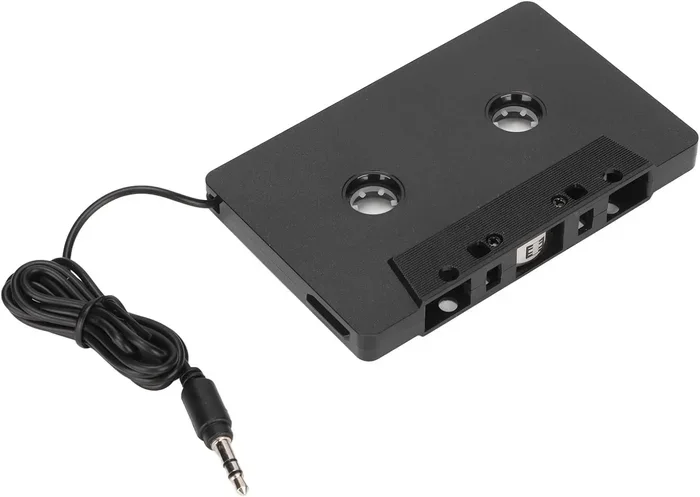
A cassette adapter looks like a regular cassette tape, but it contains much more inside. When you pop it into your car’s tape deck, the player reads it just like any other tape. But instead of magnetic tape, the adapter has a small gear system connected to a cable ending in a 3.5mm jack.
Here is what happens step by step:
- The tape deck’s playback mechanism spins the adapter’s internal gears.
- This spinning motion powers a tiny magnetic head inside the adapter.
- The magnetic head converts digital audio from your device into an analog signal.
- The signal travels through the cable to the tape deck’s playback head.
- The car stereo amplifies the signal and plays it through your speakers.
It is a clever little device. The adapter essentially tricks your car’s tape player into thinking it is reading a real cassette tape. This is why cassette adapters work in almost any vehicle with a tape deck, regardless of the stereo brand or model.
Why Does the Tape Deck Need to Be Working?
A common mistake people make is buying a cassette adapter without checking if their tape deck actually works. If the tape player is broken, worn out, or clogged with dust, no adapter will fix the problem. Before you buy one, pop in an old cassette tape and listen to it. If the sound is clear and the tape plays smoothly, your deck is in good shape.
If the tape deck makes grinding noises, plays audio faintly, or eats tapes, you need to fix or clean the deck first. A dirty tape head can ruin the performance of any cassette adapter. Use a cassette head cleaning tape before trying a new adapter.
Do Cassette Adapters Work Well With Modern Car Stereos?
The Compatibility Question
Here is the big question most people ask: do cassette adapters work well with modern car stereos? The honest answer depends on your car. If your modern car still has a tape deck, then yes, it works fine. But many modern vehicles simply do not come with a cassette player anymore.
According to industry reports, most cars built after 2010 have dropped the tape deck entirely. If your car is newer, a cassette adapter will not work at all because there is no tape player to connect to. In that case, you need to look at alternatives like Bluetooth receivers or FM transmitters.
However, many older cars and some newer budget models still include tape decks. For those vehicles, a cassette adapter is a perfectly valid way to add modern audio playback.
What Kind of Sound Quality Can You Expect?
Sound quality is where opinions split. Some people are happy with the audio from a cassette adapter. Others notice a lot of background noise and wish they had spent money on something else.
Here are the main factors that affect sound quality:
- Adapter build quality: Cheap adapters tend to produce more tape hiss and weaker bass. Name-brand adapters usually sound better.
- Tape deck condition: A clean, well-maintained tape deck will always produce better sound than a worn-out one.
- Cable quality: The 3.5mm jack cable inside the adapter can affect signal strength. Thicker, shielded cables reduce interference.
- Your phone or device: The audio file quality and your device’s headphone output play a role too.
- Car environment: Road noise, engine vibration, and speaker quality all influence what you hear.
Overall, you can expect cassette adapter sound quality to be somewhere between an old FM radio and a basic Bluetooth connection. It is not audiophile-grade, but for casual listening on a commute, it works well enough for most people.
Pros and Cons of Using a Cassette Adapter
Why People Love Cassette Adapters
There are several reasons why cassette adapters remain popular even after all these years:
- They are very affordable: Most adapters cost between $10 and $25. That is much cheaper than replacing your entire stereo.
- Easy to use: No pairing, no apps, no setup. Just plug in and play.
- No batteries needed: The tape deck powers the adapter automatically.
- Wide compatibility: They work with any device that has a 3.5mm audio output, including phones, MP3 players, and tablets.
- No signal loss: Unlike FM transmitters, there is no static or frequency interference.
- They feel nostalgic: Many car enthusiasts enjoy the retro feel of using a cassette-based solution.
The Downsides You Should Know About
Of course, cassette adapters are not perfect. Here are the common complaints:
- Tape hiss and background noise: Even the best adapters produce some level of white noise or tape hiss.
- Tape misfeeds: Some adapters get stuck or jam inside the tape deck, especially in older players.
- No skip-free playback: Bumps and vibrations can cause the adapter to skip or pause.
- Limited functionality: You cannot control playback from the stereo. You must use your phone for play, pause, and skip.
- Not suitable for modern cars without tape decks: If your car does not have a tape player, this option is completely off the table.
- Wear on the tape deck: Over time, the adapter’s gears can cause extra wear on the tape deck’s internal mechanisms.
Cassette Adapter vs. Other Audio Solutions
How Do They Compare?
When you are trying to play modern music in your car, you have several options. Let us compare the most popular ones.
| Feature | Cassette Adapter | Bluetooth Receiver | FM Transmitter | Aftermarket Stereo |
|---|---|---|---|---|
| Price Range | $10 – $25 | $20 – $60 | $15 – $40 | $100 – $500+ |
| Setup Difficulty | Very Easy | Easy | Easy | Moderate to Hard |
| Audio Quality | Good to Average | Very Good | Fair to Good | Excellent |
| Needs Tape Deck | Yes | No | No | No |
| Wireless | No | Yes | Yes | Yes |
| Battery Required | No | Yes | Yes | No |
| Skip-Free | No | Yes | Yes | Yes |
| Best For | Older cars with tape decks | Cars with AUX or USB | Cars without AUX or tape | Full audio system upgrade |
When Should You Choose Each Option?
Choose a cassette adapter if your car has a working tape deck and you want the simplest, cheapest solution. It is perfect for daily commuters who just want to hear their playlists without fuss.
Choose a Bluetooth receiver if your car has an AUX port or USB input. Bluetooth receivers offer better sound quality and wireless convenience. They are the most popular choice for cars made after 2005.
Choose an FM transmitter if your car has no AUX or tape deck at all. FM transmitters broadcast your phone’s audio to an empty FM frequency on your stereo. The downside is potential static and interference from other radio stations.
Choose an aftermarket stereo if you want a complete audio overhaul. A new head unit with Bluetooth, USB, and even Apple CarPlay or Android Auto gives you the best experience. But it costs more and requires installation.
Tips for Getting the Best Performance From Your Cassette Adapter
Pick the Right Adapter
Not all cassette adapters are created equal. Cheap no-name brands often sound terrible and jam frequently. Look for adapters from reputable brands like Sony, Panasonic, or Belkin. Reading reviews before buying can save you a lot of frustration.
Here is what to look for when shopping:
- A 3.5mm gold-plated jack for better signal transfer.
- An adjustable counterweight for smoother tape playback.
- A braided or reinforced cable to prevent fraying.
- Auto-reverse compatibility if your tape deck has that feature.
- Compact design that fits snugly inside the tape slot.
Keep Your Tape Deck Clean
Regular maintenance makes a huge difference. Clean the tape deck’s playback heads with a cotton swab and isopropyl alcohol at least once a month. Also, clean the tape path and capstan to prevent buildup that can affect adapter performance.
A clean tape deck will give you clearer sound, less tape hiss, and fewer misfeeds. This applies to both real cassette tapes and adapters.
Adjust the Volume Correctly
One common mistake is playing music at full volume from your phone. This can cause distortion through the cassette adapter. Instead, keep your phone’s volume around 70 to 80 percent and adjust the car stereo’s volume to your liking. This balance reduces distortion and keeps the audio clean.
Handle the Adapter With Care
Cassette adapters contain delicate internal gears. Do not drop them, expose them to extreme heat, or store them in a hot car. Keep them in a protective case when not in use. Treating your adapter well will extend its lifespan significantly.
Are Cassette Adapters Still Worth Buying?
The Bottom Line
So, do cassette adapters work? Yes, they absolutely do — with the right car and the right expectations. If your vehicle has a functioning tape deck, a cassette adapter is one of the easiest and most affordable ways to bring modern audio into your car.
They are not the best option for everyone. If you want premium sound quality or your car lacks a tape deck, other solutions will serve you better. But for a quick, no-fuss upgrade, nothing beats the simplicity of a cassette adapter.
Think of it this way. A cassette adapter is like using a map instead of GPS. It is old-school, but it still gets you where you need to go. And for many drivers, that is exactly what they want.
If you own a classic car, a daily driver with a tape deck, or a vehicle that has not been upgraded in years, a cassette adapter is a smart purchase. Just make sure you buy a quality product, keep your tape deck clean, and manage your expectations about sound quality.
The world of car audio has changed dramatically, but some old-school solutions still hold real value. Cassette adapters are a perfect example of that. They work, they are affordable, and they get the job done.
Before you spend hundreds on a new stereo or struggle with Bluetooth pairing issues, consider trying a cassette adapter first. It might just be the simplest and most satisfying solution for your car audio needs.
Frequently Asked Questions
Do cassette adapters work with all car stereos?
No, they only work with car stereos that have a functioning tape deck. If your car does not have a cassette player, a cassette adapter will not work. Check your stereo first before buying one.
Can you use a cassette adapter with a smartphone?
Yes, you can. Most smartphones have a 3.5mm headphone jack or can connect to a cassette adapter through a USB-C to 3.5mm adapter. Just plug it in and start playing music.
Why does my cassette adapter make so much noise?
Tape hiss and background noise are common with cassette adapters. This happens because the adapter uses a magnetic head to convert audio. Cheap adapters tend to produce more noise. Using a higher-quality adapter and keeping your tape deck clean can reduce the noise significantly.
Do cassette adapters damage the tape deck?
Generally, no. A well-made cassette adapter should not damage your tape deck. However, low-quality adapters with rough gears can cause extra wear over time. Using a reputable brand and handling the adapter carefully will prevent any damage.
Can you skip tracks with a cassette adapter?
No, you cannot skip tracks using the car stereo controls. You must use your phone or device to skip, pause, or play tracks. The cassette adapter simply passes the audio signal through the tape deck.
Is a cassette adapter better than an FM transmitter?
For most people, yes. Cassette adapters provide a cleaner signal with no static or frequency interference. FM transmitters can pick up radio interference and produce lower audio quality. However, FM transmitters work in cars without tape decks, so the better choice depends on your vehicle.
=== CONCLUSION ===
Do cassette adapters work well with modern car stereos? The answer is a clear yes — as long as your car has a tape deck. Cassette adapters offer a simple, affordable, and effective way to enjoy digital music through your car’s existing audio system. They are not perfect, and they do have limitations, but for the right situation, they are hard to beat.
Keep your tape deck clean, buy a quality adapter, and set realistic expectations about sound quality. With those steps, your cassette adapter can serve you well for years. Whether you are driving a classic car or a daily commuter with an old stereo, this little accessory still has a place in today’s world of car audio.