Characteristics Of Coaxial Cables Explained Simply
Characteristics of coaxial cables include their unique layered design, signal shielding, and ability to carry high-frequency data over long distances. Understanding these traits helps you choose the right cable for your home or business needs. This guide breaks down everything from construction to real-world applications in plain language.
Key Takeaways
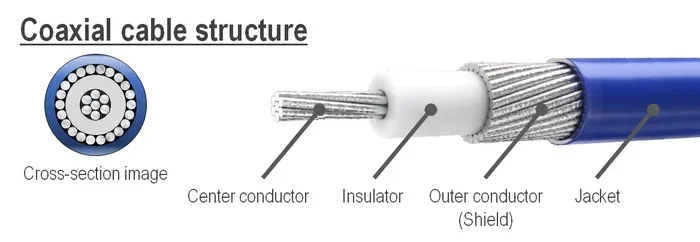
- Layered Structure: Coaxial cables have a center conductor, dielectric insulation, metallic shield, and outer jacket that work together.
- Signal Protection: The braided shield reduces electromagnetic interference, keeping your signal clean and strong.
- Multiple Types Exist: RG6, RG59, and RG11 cables each serve different purposes based on frequency and distance needs.
- Impedance Matters: Matching impedance (50 or 75 ohms) ensures maximum signal transfer and minimal loss.
- Wide Range of Uses: From TV connections to internet and security systems, coaxial cables remain essential in modern setups.
- Durability and Longevity: Properly maintained coaxial cables can last many years, making them a reliable investment.
📑 Table of Contents
- What Are Coaxial Cables and Why Do They Matter?
- Key Characteristics Of Coaxial Cables
- Types of Coaxial Cables and Their Uses
- How Coaxial Cables Transmit Signals
- Advantages of Coaxial Cables
- Disadvantages of Coaxial Cables
- How to Choose the Right Coaxial Cable
- Common Mistakes to Avoid with Coaxial Cables
- Coaxial Cables in Modern Technology
- Comparing Coaxial Cables to Other Cable Types
- Maintenance Tips for Coaxial Cables
- Final Thoughts on Characteristics Of Coaxial Cables
What Are Coaxial Cables and Why Do They Matter?
Coaxial cables are one of the most common types of cables you will find in homes and businesses. They have been around for decades, and they still play a huge role in how we connect to the internet, watch television, and set up security systems. But what makes them different from other cables? The answer lies in their unique design and specific characteristics of coaxial cables that make them stand out.
Unlike standard pair cables that carry signals through two separate wires, coaxial cables use a single central conductor surrounded by layers of insulation and shielding. This design gives them a distinct advantage when it comes to signal transmission quality. They can carry high-frequency signals over longer distances without losing much strength. If you have ever plugged in a cable TV wire or connected a satellite dish, you have likely used a coaxial cable already.
Understanding the characteristics of coaxial cables helps you make better decisions when buying cables for your setup. Whether you are upgrading your home network or installing a new security camera system, knowing what to look for saves you time and money. In this guide, we will walk through every important feature in simple terms so anyone can understand them.
The beauty of coaxial cables is that they balance performance with simplicity. You do not need to be a tech expert to appreciate what they offer. Let us dive into the details and explore what makes these cables so reliable and widely used.
Key Characteristics Of Coaxial Cables
The characteristics of coaxial cables come from their layered construction. Each layer serves a specific purpose. Together, they create a cable that is efficient, durable, and resistant to signal problems. Let us look at the main features that define these cables.
Center Conductor
The center conductor is the heart of the coaxial cable. It is usually made of copper or copper-plated steel. This is the part that actually carries the electrical signal from one point to another. The thickness of this conductor affects the cable’s performance. Thicker conductors generally allow better signal flow and less resistance. In most home applications, you will find cables with a solid copper center conductor, which provides excellent conductivity.
Dielectric Insulation
Surrounding the center conductor is a layer of dielectric insulation. This is the plastic or foam material that keeps the central wire separated from the outer shield. The insulation prevents signal leakage and maintains the cable’s impedance. Impedance is a measure of how much the cable resists the flow of alternating current. Most coaxial cables used in homes have an impedance of 75 ohms, which is ideal for video and television signals.
The quality of the dielectric insulation directly affects how well the cable performs. Cheap insulation can lead to signal distortion and increased attenuation, which is the gradual loss of signal strength over distance. High-quality insulation keeps your signal strong even over long cable runs.
Metallic Shield
The metallic shield is what gives coaxial cables their name and their greatest strength. This shield typically consists of one or more layers of braided copper or aluminum foil. Its main job is to block outside electromagnetic interference from reaching the signal inside the cable.
Electromagnetic interference, or EMI, comes from nearby electrical devices, power lines, and other cables. Without proper shielding, these external signals can corrupt the data traveling through your cable. The braided shield acts like a protective cage around the center conductor. The more layers of shielding a cable has, the better it resists interference.
Outer Jacket
The outer jacket is the final layer you see. It is the protective plastic covering that shields the entire cable from physical damage. Good jackets resist moisture, heat, and wear. For indoor use, a standard PVC jacket works well. For outdoor installations, you want a cable with a UV-resistant and weatherproof jacket to ensure long-lasting performance.
Types of Coaxial Cables and Their Uses
Not all coaxial cables are the same. Different types are designed for different applications based on their specific characteristics of coaxial cables. Here are the most common types you will encounter.
RG6 Cable
RG6 is the most popular coaxial cable used in homes today. It has a thicker center conductor and better shielding than older cable types. This makes it ideal for digital television, satellite connections, and broadband internet. RG6 cables handle higher frequencies very well, which is why cable companies prefer them for modern setups. If you are setting up a new cable TV or internet connection, RG6 is almost certainly the cable you will need.
RG59 Cable
RG59 is an older type of coaxial cable that is still used in some applications. It has a thinner center conductor and less shielding than RG6. It works well for short-distance video signals, such as connecting security cameras over short runs. However, for longer distances or higher-frequency signals, RG59 may not perform as well as RG6. You will often find RG59 in older CCTV installations.
RG11 Cable
RG11 is the thickest and most robust coaxial cable option. It is designed for long-distance signal runs, sometimes exceeding 100 feet. The larger diameter reduces signal loss significantly. This makes RG11 a top choice for outdoor installations and long cable runs from a satellite dish to a receiver. However, RG11 is stiffer and harder to bend, so it is not always practical for tight indoor spaces.
How Coaxial Cables Transmit Signals
The way coaxial cables transmit signals is fascinating and simple at the same time. The signal travels along the center conductor from the source to the destination. Meanwhile, the metallic shield carries the return path for the signal and blocks external interference. Both the center conductor and the shield work together as a complete circuit.
This design allows coaxial cables to carry signals at very high frequencies. The shielded structure keeps the signal contained within the cable, which means less signal loss and better performance compared to unshielded cables. For this reason, coaxial cables have been a go-to choice for cable television and internet providers for decades.
The frequency range of a coaxial cable determines what kind of signals it can carry. Higher-quality cables support wider frequency ranges, which translates to better picture quality on TV and faster internet speeds. When choosing a cable, always check its frequency rating to make sure it meets your needs.
Advantages of Coaxial Cables
Coaxial cables offer many benefits that explain why they remain so popular. Here are the key advantages you should know about.
- Excellent Signal Shielding: The braided shield protects the signal from outside interference, ensuring a clean and stable connection.
- Long Distance Capability: Coaxial cables can carry signals over longer distances than many other cable types without significant loss.
- High Bandwidth: Modern coaxial cables support high data transfer rates, making them suitable for internet and digital TV.
- Durability: The outer jacket and shielding make these cables resistant to physical damage and environmental factors.
- Easy to Install: Coaxial cables are flexible enough for indoor use and sturdy enough for outdoor runs. They connect with simple twist-on connectors.
- Widely Available: You can find coaxial cables at almost any electronics store, and they are affordable compared to many alternatives.
These benefits make coaxial cables a reliable choice for many applications. They are especially useful in setups where signal integrity is critical, such as cable TV distribution and security camera systems.
Disadvantages of Coaxial Cables
While coaxial cables are excellent, they are not perfect. It is important to understand their limitations so you can make an informed decision.
- Bulkier Than Other Cables: Coaxial cables are thicker and less flexible than Ethernet or fiber optic cables. This can make them harder to route through tight spaces.
- Limited Speed Compared to Fiber: For ultra-high-speed internet, fiber optic cables outperform coaxial cables significantly.
- Signal Loss Over Very Long Distances: Even with good shielding, all coaxial cables experience some signal attenuation over very long runs.
- Connector Quality Matters: A poor-quality connector can undo the benefits of an excellent cable. Always use well-made connectors for best results.
Despite these drawbacks, coaxial cables continue to serve millions of households effectively. For most standard applications like cable TV and basic internet, they remain a practical and cost-effective choice.
How to Choose the Right Coaxial Cable
Choosing the right coaxial cable depends on what you plan to use it for. Here are some practical tips to guide your decision.
- Determine the Distance: Measure the distance between your devices. For runs under 50 feet, RG6 is usually sufficient. For longer runs, consider RG11.
- Check the Frequency Rating: Higher-frequency applications like digital TV and internet need cables rated for higher frequencies. RG6 cables typically support frequencies up to 3 GHz, which covers most modern needs.
- Consider the Environment: For outdoor use, choose cables with a weatherproof jacket. For indoor use, a standard PVC jacket works fine.
- Look at Shielding Layers: More shielding layers mean better interference protection. For setups near power lines or other electronic devices, choose cables with double or triple shielding.
- Match the Impedance: Make sure your cable impedance matches your devices. Most home video and TV equipment uses 75-ohm cables.
If you are unsure which cable to pick, RG6 is a safe and versatile choice for most home applications. It offers a great balance of performance, flexibility, and price.
Common Mistakes to Avoid with Coaxial Cables
Even with a good cable, mistakes during installation can cause problems. Here are some common errors to watch out for.
- Using the Wrong Cable Type: Using RG59 for a long internet run will lead to poor performance. Always match the cable type to your application.
- Bending the Cable Too Sharply: Sharp bends can damage the center conductor and inner insulation, leading to signal loss. Keep bend radii gentle.
- Ignoring Connector Quality: Cheap connectors can corrode, loosen, or fail to make proper contact. Invest in quality connectors and use proper crimping tools.
- Not Checking for Damage: Before installation, inspect the cable for cuts, kinks, or crushed sections. A damaged cable will not perform well no matter how good it is.
Avoiding these simple mistakes will help you get the best performance from your coaxial cables and extend their lifespan significantly.
Coaxial Cables in Modern Technology
Even in an age of wireless technology and fiber optics, coaxial cables remain relevant. They are still the backbone of cable television networks across the world. Many internet service providers also use coaxial infrastructure to deliver broadband to homes and businesses.
The advantages and disadvantages of new technology often include discussions about coaxial cables because they represent a proven and reliable middle ground between older copper wiring and newer fiber optic solutions. While fiber offers incredible speeds, it is more expensive and harder to install. Coaxial cables offer a practical compromise that balances performance, cost, and ease of use.
In security and access control systems, coaxial cables continue to play a vital role. Many surveillance cameras still use coaxial connections for reliable video transmission. The advantages and disadvantages of access control systems often highlight the reliability of coaxial-based video feeds as a key benefit. Their ability to transmit clear video over moderate distances without expensive infrastructure makes them a popular choice for both residential and commercial security setups.
As technology evolves, coaxial cables are also adapting. Newer versions of coaxial cable are being developed to support even higher frequencies and faster data rates. This means they will remain a relevant option for years to come, even as newer technologies emerge.
Comparing Coaxial Cables to Other Cable Types
To truly understand the characteristics of coaxial cables, it helps to compare them with other common cable types. Here is a quick look at how they stack up.
| Feature | Coaxial Cable | Ethernet Cable | Fiber Optic Cable |
|---|---|---|---|
| Signal Type | Electrical | Electrical | Light |
| Max Distance | Up to 500+ feet | Up to 328 feet | Up to 12+ miles |
| Shielding | Excellent | Moderate | Not needed |
| Speed | Good | Very Good | Excellent |
| Cost | Low to Medium | Low | High |
| Ease of Installation | Easy | Easy | Difficult |
| Common Use | TV, Internet, Security | Networking | Long-distance data |
As you can see, coaxial cables offer a strong balance of performance and affordability. They are not the fastest option, but they are far from the slowest. For most home and small business applications, they deliver more than enough performance.
Maintenance Tips for Coaxial Cables
Taking care of your coaxial cables helps them last longer and perform better. Here are some simple maintenance tips.
- Keep Connectors Clean: Dirt and dust on connectors can degrade signal quality. Wipe them with a dry cloth before connecting.
- Avoid Tight Bends: Always allow gentle curves in your cable runs. Sharp kinks can damage the internal structure.
- Check for Wear Regularly: Inspect cables periodically for frayed jackets or loose connectors. Replace damaged cables promptly.
- Use Quality Splitters: Cheap signal splitters can weaken your connection. Invest in well-made splitters to maintain signal strength.
With proper care, a good coaxial cable can last for many years without any issues. It is a simple way to protect your investment and keep your connections reliable.
Final Thoughts on Characteristics Of Coaxial Cables
The characteristics of coaxial cables make them one of the most versatile and reliable cable types available today. From their layered construction that protects signal quality to their wide range of types for different applications, coaxial cables continue to serve us well in an increasingly connected world.
Whether you are setting up a home entertainment system, installing security cameras, or connecting to cable internet, understanding these cables helps you make the best choice. The key is to match the right type and quality of cable to your specific needs. By paying attention to factors like shielding, impedance, and cable type, you can ensure a strong and stable connection every time.
Coaxial cables may not always grab the spotlight, but they are the quiet workhorses behind countless everyday connections. Next time you plug in a cable, you will know exactly what makes it tick and why it works so well.
Frequently Asked Questions
What are the main characteristics of coaxial cables?
The main characteristics include a layered construction with a center conductor, dielectric insulation, metallic shielding, and an outer jacket. These features work together to provide excellent signal protection, high bandwidth, and long-distance transmission capability. The impedance, typically 75 ohms for home use, is also a key characteristic that ensures proper signal matching.
What is the difference between RG6 and RG59 coaxial cables?
RG6 cables have a thicker center conductor and better shielding than RG59 cables. This makes RG6 suitable for digital TV, satellite, and internet applications that require higher frequencies. RG59 is an older type that works well for short-distance video signals but is not ideal for modern high-frequency applications. For most current setups, RG6 is the better choice.
Can coaxial cables be used for internet connections?
Yes, coaxial cables are widely used for internet connections, especially by cable internet providers. RG6 cables are commonly used for this purpose because they support the higher frequencies needed for broadband internet. The shielding in coaxial cables helps maintain a stable and reliable internet connection over typical home distances.
How long can a coaxial cable run be without signal loss?
A standard RG6 coaxial cable can run up to about 150 feet without significant signal loss. For longer runs, RG11 cables are recommended because their thicker construction reduces attenuation. Beyond these distances, you may need a signal amplifier to maintain quality. The exact distance depends on the cable quality and the frequency of the signal being transmitted.
Are coaxial cables still relevant in modern technology?
Absolutely. Coaxial cables remain relevant for cable TV, internet, and security systems. While fiber optics offer higher speeds for long distances, coaxial cables provide a practical and affordable solution for most home and small business applications. They are also easier to install and widely available, which keeps them in demand.
What should I look for when buying a coaxial cable?
Look for the cable type (RG6 for most modern uses), the shielding quality (more layers mean better protection), the impedance rating (75 ohms for home video and TV), and the jacket material (weatherproof for outdoor use). Also check the frequency rating to ensure it supports your intended application. A well-made cable with quality connectors will always perform better than a cheap alternative.