Can You Watch A Projector Outside In The Great Outdoors
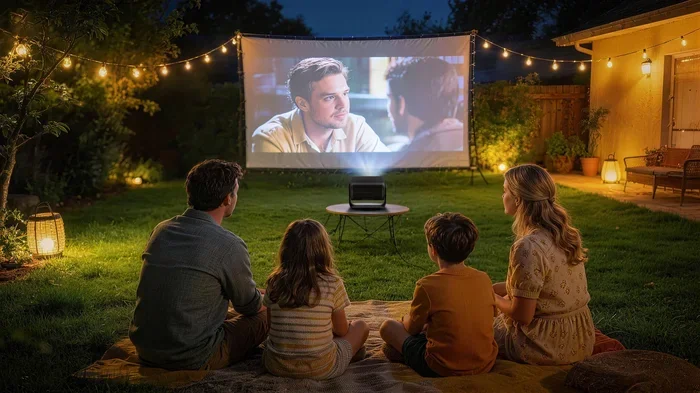
Yes, you can watch a projector outside, and it is one of the best ways to create a backyard movie night experience. Using a portable projector outdoors is simple once you understand brightness, weather, and placement needs. This guide covers everything you need to know about setting up your outdoor projector screen and enjoying films under the stars.
There is something magical about watching a movie under the open sky. String lights, comfy chairs, and a big picture on a white sheet — it does not get much better than that. But before you pack up your gear and head to the backyard, you might wonder: can you watch a projector outside? The short answer is yes. The longer answer is that it takes a little planning and the right setup. Let us walk through everything you need to know.
Outdoor projector setups have become hugely popular. People use them for backyard movie nights, camping trips, sports watch parties, and even outdoor gaming setups. Whether you are a casual viewer or a serious home theater fan, taking your projector outside opens up a whole new world of entertainment. This guide will help you understand what works, what does not, and how to avoid common mistakes.
Key Takeaways
- Watching a projector outside is totally doable with the right equipment and setup choices.
- Brightness matters most outdoors. Look for at least 2,000 to 3,000 lumens for daytime viewing.
- A portable projector screen or a simple white wall works great for outdoor movie nights.
- Weather protection is essential. Rain, humidity, and dust can damage your projector fast.
- Wireless and portable options make outdoor setup much easier and more flexible.
- Power source planning is critical when you are away from indoor outlets.
📑 Table of Contents
- Why Watch a Projector Outside?
- Can You Use Any Projector Outside?
- What Do You Need to Watch a Projector Outside?
- How to Set Up Your Outdoor Projector Like a Pro
- Dealing with Weather and Outdoor Challenges
- Best Projectors for Outdoor Use
- Common Mistakes to Avoid
- Final Thoughts on Watching a Projector Outside
Why Watch a Projector Outside?
Watching a projector outdoors is different from watching one indoors. The experience feels bigger and more immersive. You are not confined by room walls or ceiling height. The sky becomes your backdrop. Here are some reasons people love outdoor projector setups:
- Bigger screen size. You can project onto a large outdoor screen or even a white wall and get a picture that feels cinematic.
- Fresh air and open space. You are not stuck in a small room. Everyone can spread out and get comfortable.
- Social atmosphere. Outdoor movie nights bring people together in a way that indoor viewing simply cannot match.
- Versatility. You can use your projector for backyard parties, camping trips, tailgating, or even outdoor workspaces.
- Easy to set up and take down. Many modern projectors are portable and lightweight.
When you can I use a regular projector for a golf simulator or other outdoor activities, the same principles apply. Portability and brightness are key factors in any outdoor projector use case.
Can You Use Any Projector Outside?
Not every projector is built for outdoor use. Indoor projectors struggle in bright light and humid conditions. But many modern projectors are designed to handle the outdoors just fine. Here is what you need to know before you take your projector outside.
Brightness Is Everything Outdoors
This is the single most important factor. When you are outside, ambient light from the sun, street lamps, and even porch lights can wash out your image. A projector that works perfectly in a dark living room might look terrible in your backyard.
Here is a quick guide to brightness levels for outdoor use:
- Under 1,500 lumens: Best for nighttime viewing only. Works well on clear, dark nights away from lights.
- 1,500 to 2,500 lumens: Good for twilight viewing. This range handles some ambient light.
- 2,500 to 4,000 lumens: Great for early evening and shaded areas. This is the sweet spot for most outdoor setups.
- Over 4,000 lumens: Excellent for daytime viewing. These projectors can fight direct sunlight in shaded areas.
If you want to enjoy your outdoor projector screen during the day, you need a bright machine. Look for models that advertise high lumens and good contrast ratios. The brighter your projector, the more flexible your viewing options become.
Resolution and Image Quality
Resolution matters just as much outdoors as it does indoors. A 1080p projector will give you a sharp, clear picture on a screen that is 100 inches or larger. 4K projectors are amazing but tend to be more expensive. For most outdoor setups, 1080p is more than enough.
Contrast ratio also plays a big role. A higher contrast ratio means deeper blacks and more vivid colors. This becomes especially important when you are dealing with any ambient light at all. Look for projectors with at least a 10,000:1 contrast ratio for the best outdoor performance.
Portability and Weight
When you are setting up outside, you do not want a heavy, bulky machine. Portable projectors are designed to be lightweight and easy to carry. Many weigh under 5 pounds and fit in a backpack. Some even come with built-in batteries, which is a huge advantage for outdoor use.
Think about how you will transport your gear. If you are hiking to a campsite, every ounce matters. If you are just setting up in the backyard, weight is less of a concern. But in all cases, portability makes the experience more enjoyable.
What Do You Need to Watch a Projector Outside?
Setting up an outdoor projector is simpler than most people think. You do not need a ton of expensive gear. Here is a breakdown of the essential items you will need.
A Projector
Of course, you need a projector. As we discussed, look for one with high brightness and good portability. Many people start with a budget-friendly portable projector and upgrade later. The key is to match your projector to your outdoor use case.
A Screen or Projection Surface
You do not necessarily need a fancy screen. A white bedsheet stretched tight works in a pinch. But for the best image quality, a portable projector screen is worth the investment. These screens are lightweight, easy to set up, and they provide a flat, wrinkle-free surface.
Some popular options include inflatable screens, foldable screens, and pull-down screens. Each has its pros and cons. Inflatable screens are fun and easy to set up. Foldable screens are more durable. Pull-down screens give you the most professional look.
A Sound Source
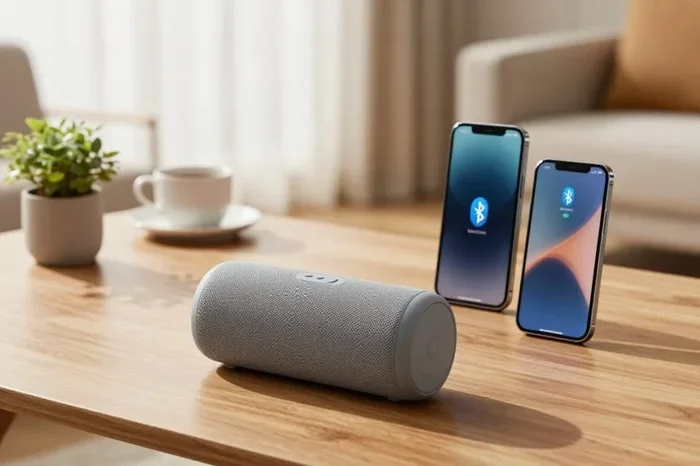
Most projectors have small built-in speakers. They are fine for casual viewing but not great for a big outdoor setup. Consider pairing your projector with a Bluetooth speaker or a portable soundbar. Better audio makes a huge difference in the overall experience.
A Power Source
Outdoor power can be tricky. If you are near an outdoor outlet, you are set. If not, you have a few options. A portable power station can run a projector for several hours. Some projectors come with built-in batteries. You can also use an extension cord from inside your house, though this limits how far you can set up.
A Stable Surface or Mount
Your projector needs to stay still and level. A small table or stand works well. Some people use a projector ceiling mount even outdoors. The important thing is that the projector does not shake or shift during use. Even a small bump can ruin the image.
Make sure your projector placement is stable and at the right angle. Many portable projectors have keystone correction, which helps adjust the image if the projector is not perfectly perpendicular to the screen.
How to Set Up Your Outdoor Projector Like a Pro
Setting up your outdoor projector does not have to be complicated. Follow these steps for a smooth and successful setup every time.
Step 1: Choose the Right Time and Location
Start by picking the right spot. You want a flat, stable surface for your projector and screen. The location should be away from direct sunlight if possible. Evening is usually the best time for outdoor viewing because the ambient light is low.
Think about the distance between your projector and the screen. Check your projector manual for the recommended throw distance. This is how far the projector needs to be from the screen to produce a clear, focused image.
Step 2: Set Up Your Screen
Unfold or inflate your screen and make sure it is taut. Any wrinkles or folds will distort the image. If you are using a white sheet, iron it out as much as possible and stretch it tight. The screen should be perpendicular to the ground for the best image quality.
Step 3: Position the Projector
Place your projector on a stable surface or mount. Adjust the angle so the image hits the center of the screen. Use keystone correction if needed to fix any distortion. Make sure the projector is not too close or too far from the screen.
One great tip is to use a projector on a shelf or a small folding table. This keeps the projector stable and at the right height. If you are looking for a more permanent setup, you can even mount your projector on a wall or post.
Step 4: Connect Your Devices
Now it is time to connect your media source. You can use an HDMI cable, a USB drive, or a wireless connection. If you want to connect my phone to projector with HDMI, you will need the right adapter. Many modern phones support wireless casting, which is even more convenient for outdoor use.
For the simplest setup, consider making your projector wireless. A wireless HDMI adapter or a built-in smart projector lets you stream content without any cables. This is especially useful when you are setting up in a location far from your devices.
Step 5: Test and Adjust
Before your guests arrive, run a quick test. Check the image sharpness, brightness, and color. Adjust the projector position if needed. Test your audio and make sure the sound is loud and clear. A little prep goes a long way toward a perfect outdoor movie night.
Dealing with Weather and Outdoor Challenges
Outdoor viewing comes with its own set of challenges. Weather, insects, and ambient light can all affect your experience. Here is how to handle the most common issues.
Rain and Moisture
Water and electronics do not mix. Never set up your projector in the rain or in heavy dew. Even light moisture can damage internal components. If you are expecting a chance of rain, have a backup plan or set up under a covered area like a patio or gazebo.
Some projectors are rated with an IP dust and water resistance certification. These are ideal for outdoor use because they can handle humidity and light splashes. If your projector is not weather-resistant, keep it under a canopy or projector shade at all times.
Dust and Dirt
Outdoor environments are dusty. Dust can clog your projector vents and cause overheating. It can also settle on the lens and blur the image. Cover your projector when it is not in use. Bring a soft cloth to clean the lens before each use.
Temperature Extremes
Most projectors operate best between 50 and 95 degrees Fahrenheit. Cold weather can reduce bulb life and affect performance. Hot weather can cause overheating. If you are using your projector in extreme temperatures, monitor it closely and give it breaks to cool down.
Ambient Light
As we mentioned, ambient light is the enemy of outdoor projection. You can fight it by choosing a darker location, using a higher-lumen projector, or adding a shade around your screen. Some people build a simple canopy or use a pop-up tent to block light from above.
Insects and Pests
Bugs love light, and your projector light will attract them. They can fly right in front of the lens and ruin your movie. Use bug repellent, citronella candles, or a mosquito trap near your setup. Keeping the area clean and free of food scraps also helps.
Best Projectors for Outdoor Use
If you are shopping for a projector specifically for outdoor use, here are some features to look for:
- High brightness: At least 2,000 lumens, ideally 3,000 or more.
- Built-in battery: Lets you set up anywhere without a power outlet.
- Portable design: Lightweight and easy to carry.
- Smart capabilities: Built-in Wi-Fi and streaming apps reduce the need for extra devices.
- Good speaker quality: Saves you from needing a separate audio setup.
- Long lamp life: Outdoor use can wear out bulbs faster, so longevity matters.
Many people also ask whether they can make my projector wireless for outdoor use. The answer is yes. Wireless HDMI transmitters, smart projectors, and streaming sticks all offer cable-free convenience. This is especially helpful when you are setting up in a backyard or at a campsite.
Some popular outdoor-friendly projectors include portable mini projectors that fit in your pocket, mid-range projectors with 3,000 lumens, and high-end 4K projectors for the best image quality. Your budget will determine which category fits best.
Common Mistakes to Avoid
Even experienced projector users make mistakes when setting up outdoors. Here are the most common ones and how to avoid them.
- Using an indoor projector in direct sunlight. This will produce a washed-out, nearly invisible image. Always choose a shaded spot or wait until dark.
- Forgetting about audio. Projector speakers are weak. Your outdoor movie night will feel incomplete without decent sound.
- Not testing the setup beforehand. Always do a full test run before the big event. Nothing is worse than discovering a problem when your friends have already arrived.
- Ignoring weather forecasts. A sudden rain shower can destroy your equipment. Always check the forecast and have a plan B.
- Using a wrinkled or wrinkled screen. This distorts the image and makes everything look blurry. Take the time to set up your screen properly.
- Overlooking power needs. Make sure you have enough power for the entire movie. A projector dying halfway through is frustrating for everyone.
Another mistake is not considering how you will connect your devices. If you need to connect my phone to projector with HDMI, make sure you have the right cable and adapters. Wireless options are often simpler and less prone to cable clutter in an outdoor setting.
Final Thoughts on Watching a Projector Outside
So, can you watch a projector outside? Absolutely. With the right projector, a solid screen, good audio, and a little planning, you can create an unforgettable outdoor entertainment experience. Whether you are hosting a backyard movie night, camping with friends, or setting up at a tailgate, a portable projector brings the big screen to any location.
Start simple. You do not need the most expensive equipment to get started. A mid-range portable projector, a white sheet, and a Bluetooth speaker are all you need for a great first setup. As you get more comfortable, you can upgrade your gear and refine your setup.
The most important thing is to just try it. Outdoor projector viewing is one of those experiences that feels magical the first time you do it. Once you see your favorite movie on a big screen under the stars, you will understand why so many people are hooked. So grab your gear, pick a movie, and enjoy the great outdoors.
Remember, the goal is to have fun. Do not stress about getting every detail perfect. A little imperfection adds to the charm of an outdoor movie night. Set up your projector, invite some friends, and enjoy the show.
Frequently Asked Questions
What brightness do I need for a projector outside?
For nighttime outdoor viewing, 1,500 lumens or more works well. For twilight or early evening, aim for 2,500 lumens or higher. If you want to watch during the day, look for 3,000 lumens or more and set up in a shaded area. Brighter is always better outdoors.
Can I use a regular indoor projector outside?
Yes, but with limitations. Indoor projectors work at night in low-light conditions. However, they struggle in bright ambient light and humid weather. Always protect your indoor projector from moisture and direct sunlight.
What kind of screen do I need for outdoor projector use?
A portable projector screen is ideal, but a white bedsheet works in a pinch. The key is to stretch the surface tight and keep it flat. An inflatable screen is a fun and easy option for casual outdoor movie nights.
How do I power my projector outdoors?
You can use an outdoor extension cord, a portable power station, or a projector with a built-in battery. Portable power stations are the most flexible option because they let you set up anywhere without needing a wall outlet.
Is it better to go wireless for outdoor projector setups?
Yes, wireless setups reduce cable clutter and make it easier to move your projector around. You can use a wireless HDMI adapter or a smart projector with built-in streaming. Just make sure your Wi-Fi or Bluetooth connection is strong in your outdoor location.
Can I watch a projector outside during the day?
Yes, but you need a very bright projector, at least 3,000 lumens, and a shaded setup area. Direct sunlight will wash out the image even on bright projectors. A canopy or outdoor tent can help block ambient light and improve visibility.