Can You Safely Shower With Bone Conduction Headphones
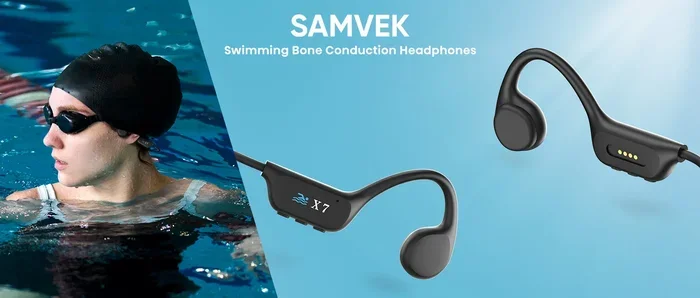
Yes, you can shower with bone conduction headphones, but only if they are specifically rated as waterproof. These headphones sit outside your ear and use vibrations to transmit sound, making them a unique option for wet environments. However, not all models handle water well, so checking the IP rating before buying is essential.
Have you ever wanted to listen to your favorite playlist while taking a hot shower? Maybe you love starting your day with music or a podcast. Or perhaps you just want to relax with some calming tunes while you wash up. Whatever the reason, the idea of listening to audio in the shower is appealing to a lot of people.
But here is the big question. Can you shower with bone conduction headphones? The short answer is yes. The longer answer depends on a few important factors that you need to understand first. Not all headphones handle water the same way. And not every model is built for wet environments.
In this guide, we will walk you through everything you need to know. We will cover how bone conduction technology works, what waterproof ratings mean, which models are shower-safe, and how to care for your headphones. By the end, you will have a clear picture of whether these headphones are right for your shower routine.
Bone conduction headphones have become incredibly popular in recent years. They offer a different way to listen to audio compared to traditional earbuds or over-ear headphones. Instead of sending sound into your ear canal, they use vibrations to transfer audio through your cheekbones directly to your inner ear. This open-ear design keeps your ear canal completely free, which is one of the main reasons people love them.
Now, let us dive deep into whether these headphones can handle the shower.
Key Takeaways
- Bone conduction headphones work differently: They rest on your cheekbones and skip your eardrums entirely.
- Waterproof rating matters most: Look for IP67 or IP68 certified models for safe shower use.
- Not all bone conduction headphones are shower-safe: Many are only sweat-resistant, not fully waterproof.
- Shower listening has pros and cons: You stay aware of your surroundings, but audio quality may shift in steamy conditions.
- Proper care extends lifespan: Rinse and dry your headphones after every shower session.
- Bluetooth connectivity can be affected by water: Steam and moisture may interfere with signal strength.
- You can also use them for workouts: Their open-ear design makes them great for running and gym sessions too.
📑 Table of Contents
- What Are Bone Conduction Headphones?
- Can You Really Shower With Bone Conduction Headphones?
- Benefits of Using Bone Conduction Headphones in the Shower
- Potential Risks and Downsides
- How to Care for Bone Conduction Headphones After Showering
- Bone Conduction Headphones vs. Waterproof Earbuds for Shower Use
- Tips for the Best Shower Listening Experience
- Common Mistakes People Make
- Final Thoughts
What Are Bone Conduction Headphones?
Bone conduction headphones are a special type of audio device. They bypass your eardrum entirely. Instead, they rest against the side of your head, right near your cheekbones. The headphones send tiny vibrations through your bones, which your brain interprets as sound. This is the same principle that lets you hear your own voice when you speak.
How Do They Work?
The technology behind bone conduction is fascinating. When you speak, you hear your voice through both air conduction and bone conduction. That is why your voice sounds different when you hear it recorded. Bone conduction headphones mimic this natural process. They create vibrations that travel through your bones to your cochlea, which is the part of your inner ear responsible for hearing.
Because the sound does not go through your ear canal, you can still hear what is happening around you. This is a huge advantage. You can listen to music and still hear someone calling your name. You can stay aware of traffic while jogging. And yes, you can enjoy audio while standing under the showerhead.
Why Are They Different From Regular Headphones?
Traditional headphones either sit inside your ear canal (in-ear earbuds) or cover your entire ear (over-ear headphones). Both types block outside noise to some degree. Bone conduction headphones do the opposite. They leave your ears completely open. This means you get a unique listening experience that feels more natural and less isolated.
This open design also makes them more comfortable for long periods. There is no pressure inside your ear. No sweaty ear tips. No muffled sensation. For many people, this comfort alone makes bone conduction headphones worth trying.
Can You Really Shower With Bone Conduction Headphones?
This is the question most people want answered. And the answer is not a simple yes or no. It depends entirely on the specific headphones you own or are considering.
Understanding Waterproof vs. Water-Resistant
Here is where things get important. There is a big difference between waterproof and water-resistant. Many people use these terms interchangeably, but they mean very different things.
Water-resistant headphones can handle small amounts of moisture. They might survive a splash or light sweat. But they are not built to be submerged in water or exposed to a steady stream of water for a long time.
Waterproof headphones, on the other hand, are designed to handle full water exposure. They can survive being submerged or standing directly under a shower. But not all bone conduction headphones fall into this category.
What Is an IP Rating?
You will often see something called an IP rating on headphones. IP stands for Ingress Protection. It is a standard that tells you how well a device resists water and dust. The rating has two numbers.
The first number tells you about dust protection. The second number tells you about water protection. Here is what the water resistance numbers mean:
- IPX4: Splash-proof. Can handle sweat and minor splashes.
- IPX5: Protected against water jets. Can handle rain and light water flow.
- IPX6: Can handle strong water jets. Still not fully submersible.
- IPX7: Can be submerged in water up to 1 meter for 30 minutes.
- IPX8: Can be submerged beyond 1 meter for extended periods.
If you want to shower with your headphones, you need at least an IPX7 rating. Some people prefer IPX8 for extra peace of mind. Anything below IPX6 is not safe for shower use.
Which Bone Conduction Headphones Are Shower-Safe?
Not all bone conduction headphones are created equal when it comes to water resistance. Some models are specifically designed for sports and outdoor use. Others are more basic and meant for casual listening in dry environments.
Popular brands like Shokz (formerly AfterShokz) offer models with high waterproof ratings. The Shokz OpenSwim, for example, is designed for swimming and showering. It has an IP68 rating, which means it is fully dust-proof and can handle prolonged water exposure. The Shokz OpenRun Pro also has a decent water resistance rating, but it is better suited for workouts than long showers.
Before buying any bone conduction headphones for shower use, always check the IP rating on the product page. Do not assume that just because they are wireless or Bluetooth-enabled, they can handle water. Even if you use them for Bluetooth headphones for gaming or other dry activities, that does not mean they are shower-ready.
Benefits of Using Bone Conduction Headphones in the Shower
There are several real advantages to using these headphones in the shower. Let us look at why so many people are making the switch.
You Stay Aware of Your Surroundings
This is the biggest benefit. Because your ears are completely open, you can hear the doorbell, a phone ringing, or someone knocking. This is especially important if you share a home. You will not miss an emergency call or a visitor simply because you had headphones on.
No Ear Pain or Discomfort
Traditional earbuds can cause discomfort after long use. They push into your ear canal and trap moisture. Bone conduction headphones avoid all of that. They sit outside your ears, so there is nothing to irritate. You can listen for 30 minutes or an hour without any ear fatigue.
Hygiene Benefits
When you wear regular headphones in the shower, moisture gets trapped inside. This creates a breeding ground for bacteria and mold. Bone conduction headphones keep your ear canal dry and ventilated. This is much better for your ear health in the long run.
Great for Music Lovers Who Shower Daily
If you are someone who loves to sing in the shower or just enjoy background music while getting ready, bone conduction headphones are a game-changer. They let you have your personal concert without blocking your ears. The experience feels natural and freeing.
Potential Risks and Downsides
While bone conduction headphones can work well in the shower, there are some risks you should know about.
Steam Can Affect Bluetooth Connectivity
Bone conduction headphones typically connect to your phone via Bluetooth. Steam from a hot shower can interfere with the Bluetooth signal. You might experience brief audio drops or connection issues. This is not a problem with the headphones themselves. It is just physics. Water vapor can weaken wireless signals.
If you notice connection problems, try keeping your phone outside the bathroom on a shelf. Use a long Bluetooth range or a dedicated streaming device. This can help maintain a stable connection even in steamy conditions.
Audio Quality May Change in Wet Conditions
Bone conduction headphones already sound different from traditional headphones. The audio is not as rich or deep because it bypasses the ear canal. When steam and moisture are present, the sound quality can shift even further. Some users report a slightly muffled or echoey effect. This is normal and not a sign of damage.
Not All Models Are Built for This
This cannot be stressed enough. Using non-waterproof headphones in the shower will damage them. Water can seep into the internal components and short-circuit the electronics. This is especially true for cheaper models that do not have proper sealing.
Always check whether your headphones are rated for water exposure. If you are unsure, look up the model number online or contact the manufacturer. Do not guess. A single shower with the wrong headphones can ruin them completely.
Durability Over Time
Even waterproof headphones can degrade over time with regular water exposure. The seals that keep water out can weaken. The adhesive that holds the transducers in place can loosen. To keep your headphones lasting as long as possible, proper care is essential.
How to Care for Bone Conduction Headphones After Showering
Taking care of your headphones after every shower session will significantly extend their lifespan. Here are some simple steps you should follow.
Rinse Them With Fresh Water
After your shower, rinse your headphones under clean, lukewarm water. This removes soap residue, shampoo, and hard water minerals. These substances can corrode the metal parts and degrade the plastic over time. A quick rinse takes only a few seconds but makes a big difference.
Dry Them Thoroughly
Use a soft, dry cloth to pat your headphones dry. Do not use a towel that sheds fibers, as these can get stuck in the gaps. Make sure to dry the transducer pads and the band carefully. Moisture left behind can lead to mold or corrosion.
Store Them in a Dry Place
Never store wet headphones in a closed case or drawer. Let them air dry completely before putting them away. A ventilated storage case works well. Some people even leave them on a drying rack overnight.
Charge Them Only When Completely Dry
Never charge your headphones if they are still damp. Water and electricity do not mix well. Wait until they are fully dry before placing them on the charging dock. This protects both the battery and the internal circuitry.
Bone Conduction Headphones vs. Waterproof Earbuds for Shower Use
You might be wondering how bone conduction headphones compare to waterproof earbuds for shower listening. Let us break it down.
| Feature | Bone Conduction Headphones | Waterproof Earbuds |
|---|---|---|
| Ear Canal Coverage | Open ear, nothing inside | Sealed inside ear canal |
| Water Safety | Depends on IP rating | Usually IPX7 or higher |
| Awareness of Surroundings | Yes, fully aware | No, blocks outside noise |
| Comfort in Shower | Very comfortable | Can feel bulky when wet |
| Audio Quality in Steam | Slightly affected | More consistent |
| Hygiene | Excellent, no moisture trapped | Moderate, moisture can build up |
| Price Range | Mid to high | Low to high |
Both options have their merits. If staying aware of your surroundings and comfort are your top priorities, bone conduction headphones win. If you want the best possible audio quality in the shower and do not mind sealed ears, waterproof earbuds might be the better choice.
Some people also use Bluetooth headphones for gaming or other indoor activities and wonder if the same pair works in the shower. The answer is usually no. Gaming headphones are not built for water exposure, even if they are wireless. Always use purpose-built waterproof headphones for wet environments.
Tips for the Best Shower Listening Experience
Want to get the most out of your bone conduction headphones in the shower? Here are some practical tips.
- Position the headphones correctly: Place them firmly against your cheekbones for the best sound transmission. If they are loose, the audio will be quieter and less clear.
- Keep the volume moderate: In a noisy bathroom with running water, you might be tempted to crank up the volume. Keep it at a safe level to protect your hearing.
- Use a waterproof phone pouch: If you bring your phone into the bathroom, a waterproof pouch protects it from steam and splashes.
- Pair your device before stepping in: Bluetooth connections can be tricky in the shower. Set up the connection before you turn on the water.
- Avoid direct high-pressure water: Even waterproof headphones should not be hit with a strong, direct stream of water from the showerhead. Aim the water away from the headphones.
- Clean the transducer pads regularly: Soap buildup on the pads can reduce sound quality. Wipe them down after each use.
Common Mistakes People Make
There are a few common mistakes that can shorten the life of your headphones or even ruin them. Avoid these at all costs.
Assuming all wireless headphones are waterproof. Just because headphones are wireless does not mean they can handle water. Wireless technology and waterproofing are separate features. Always verify the IP rating.
Using regular headphones in the shower. This is the fastest way to destroy a pair of headphones. Water will get inside the drivers and cause permanent damage. Do not risk it.
Skipping the rinse after showering. Soap and hard water are silent killers of electronics. A quick rinse after every use can prevent long-term damage.
Charging wet headphones. This is a recipe for a short circuit. Always dry them completely before charging.
Ignoring the manufacturer’s instructions. Every pair of headphones comes with a user guide. Read it. It will tell you exactly what the headphones can and cannot handle. Following these guidelines will keep your headphones in great shape for years.
Final Thoughts
So, can you shower with bone conduction headphones? Absolutely. But the key is choosing the right model. Look for headphones with a high IP rating, ideally IPX7 or IPX8. These are built to handle water exposure and will give you a safe, enjoyable listening experience every time you step into the shower.
Bone conduction headphones offer a unique combination of comfort, awareness, and hygiene that makes them ideal for shower use. They keep your ears open, they feel great, and they let you enjoy your favorite audio without any hassle. Just remember to take proper care of them after each use, and they will last you a long time.
Whether you are a music lover, a podcast fan, or someone who just enjoys singing in the shower, bone conduction headphones can transform your daily routine. They bring a little extra joy to an activity you already love. And with the right model, you can do it safely and confidently every single day.
The technology behind bone conduction continues to improve. Newer models offer better sound quality, longer battery life, and stronger waterproofing. If you have been on the fence about trying them for shower use, now is a great time to explore your options.
Frequently Asked Questions
Can all bone conduction headphones be used in the shower?
No, not all bone conduction headphones are shower-safe. Only models with a high IP rating, such as IPX7 or IPX8, are designed to handle water exposure. Always check the rating before using any headphones in the shower.
What happens if non-waterproof bone conduction headphones get wet?
Water can damage the internal electronics of non-waterproof headphones. This can cause short circuits, audio distortion, or complete failure. It is best to keep all non-waterproof electronics away from water.
How long do waterproof bone conduction headphones last?
With proper care, waterproof bone conduction headphones can last two to five years or more. Regular rinsing, thorough drying, and proper storage all contribute to a longer lifespan.
Can I use Bluetooth headphones in the shower?
Only if they are specifically rated as waterproof. Bluetooth connectivity can also be affected by steam, so you may experience occasional connection drops. For the best experience, keep your phone outside the bathroom.
Are bone conduction headphones better than waterproof earbuds for showering?
It depends on your preferences. Bone conduction headphones are more comfortable and keep your ears open, while waterproof earbuds may offer better audio quality in wet conditions. Both can work well for shower listening.
Do bone conduction headphones work well when wet?
Yes, they generally work well when wet. The vibrations that transmit sound are not significantly affected by water on the surface of the headphones. However, steam can occasionally affect Bluetooth connectivity.