Can Someone Really Put Hidden Cameras In Your House
Yes, someone can put hidden cameras in your house, and the reality is more common than most people think. Hidden cameras have become smaller, cheaper, and easier to hide than ever before. This guide will show you exactly how to detect spy cameras, where they are typically found, and what your legal rights are. You will learn practical steps to protect your privacy and keep your home safe from surveillance devices and secret recording.
Can someone really put hidden cameras in your house? The short answer is yes. And it happens more often than you might think. Hidden cameras have gotten smaller, cheaper, and easier to hide. What used to require professional equipment can now be done with a tiny device you buy online for under fifty dollars.
Whether you are renting an apartment, staying in a hotel, or living in your own home, the idea of being watched without your knowledge is unsettling. Spy cameras are not just a movie plot anymore. They are a real privacy invasion that affects thousands of people every year. This article will walk you through everything you need to know about hidden cameras, how to find them, and how to keep your home safe.
Key Takeaways
- Hidden cameras are real and accessible: Spy cameras are cheap, small, and easy to purchase online, making home privacy invasion a genuine concern.
- Know the common hiding spots: Most hidden cameras are placed in everyday objects like smoke detectors, clocks, chargers, and picture frames.
- Detection tools and methods work: Using a flashlight, RF detector, or your phone camera can help you find hidden camera detection devices quickly.
- Privacy laws protect you: In most places, recording someone without consent in a private space like your home is illegal.
- Act fast if you find a camera: Document everything, contact authorities, and consult a lawyer to protect your digital privacy and rights.
- Prevention is your best defense: Regular checks, strong Wi-Fi security, and awareness go a long way in keeping home surveillance threats out.
📑 Table of Contents
- How Hidden Cameras Get Into Your Home
- Common Places Where Hidden Cameras Are Found
- How to Detect Hidden Cameras in Your House
- Legal Rights and Privacy Protections
- What to Do If You Find a Hidden Camera
- How to Protect Your Home from Spy Cameras
- Common Mistakes People Make When Checking for Hidden Cameras
- Expert Insights on Home Privacy and Surveillance
How Hidden Cameras Get Into Your Home
Understanding how hidden cameras end up in your home is the first step to protecting yourself. Most people assume these devices appear through elaborate break-ins. But the truth is often much simpler and more disturbing.
People You Know May Install Them
In many cases, the person installing a spy camera is someone you know. A former roommate, a jealous ex-partner, or even a disgruntled coworker could place a surveillance device in your home. These people already have access to your space, which makes detection much harder.
Landlords have also been caught installing nanny cams or hidden home surveillance devices in rental properties. While some landlords claim it is for security, recording tenants without consent is illegal in most areas. Always check your rental agreement and local privacy laws.
Devices Can Be Shipped Directly to Your Address
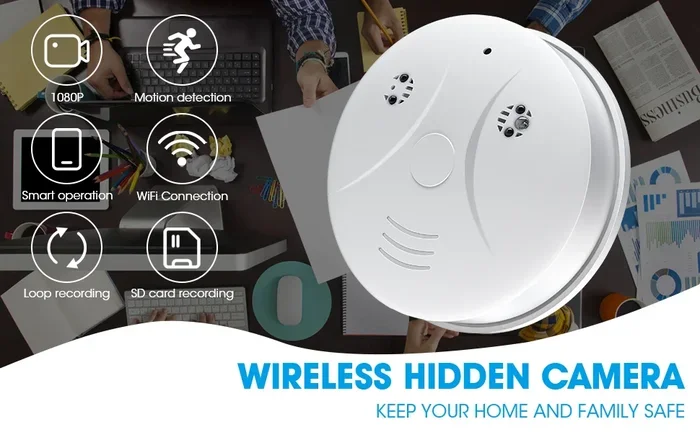
Another alarming method is simply mailing a wireless spy camera to your home. The package looks innocent enough. Once it arrives, the person who sent it has already placed a surveillance device in your living space. This is why you should always inspect packages carefully, especially if you do not recognize the sender.
Smart Home Devices Can Be Compromised
Many modern homes have smart devices like cameras, speakers, and doorbells. While these are usually legitimate, a skilled intruder can access your network and turn your own devices into hidden surveillance tools. This is why securing your Wi-Fi network and updating your passwords regularly matters so much.
Common Places Where Hidden Cameras Are Found
Spy cameras are designed to blend in with everyday objects. Knowing the most common hiding spots can make your hidden camera detection efforts much more effective.
Living Room and Bedroom
The living room and bedroom are the most common rooms for hidden surveillance devices. Look carefully at these items:
- Smoke detectors on the ceiling
- Clocks on nightstands or shelves
- Phone chargers and power banks
- Picture frames and wall art
- Tissue boxes and decorative items
- Stuffed animals and plush toys
- Books on shelves with unusual spacing
Bathroom and Kitchen
These rooms are especially sensitive because they are private spaces. Common hiding spots include:
- Shower head or faucet handles
- Toothbrush holders and soap dispensers
- Air fresheners and diffusers
- Kitchen appliances like toasters and microwaves
- Cable boxes and remote controls
Common Areas in Rental Properties
If you are renting, be extra cautious in shared spaces. Hallways, living rooms, and even air vents can house hidden cameras. Always do a thorough check when you first move into a new place.
How to Detect Hidden Cameras in Your House
Finding a spy camera requires patience and the right approach. There are several methods you can use at home, ranging from simple visual checks to high-tech signal detection tools.
Use Your Smartphone Camera
Your phone camera can help you find infrared spy cameras. Many hidden cameras use infrared LEDs that are invisible to the naked eye but show up on phone screens. Simply scan your room with your phone camera and look for any glowing purple or white dots. This is one of the easiest and fastest hidden camera detection methods available.
Perform a Physical Search
Walk through each room slowly and look for anything that seems out of place. A camera lens will often reflect light when you shine a flashlight on it. Check small holes, vents, and gaps in walls or furniture. Camera finder tools are also available and work well for this purpose.
Use an RF Detector
An RF detector scans for radio frequencies that wireless spy cameras use to transmit signals. These devices are affordable and effective. Simply walk around your home with the detector and listen for signal spikes. This method works best for cameras that transmit wirelessly rather than storing footage locally.
Check Your Wi-Fi Network
Many modern hidden surveillance devices connect to your Wi-Fi network. Use your router settings or a network scanning app to see all connected devices. If you spot an unfamiliar device, investigate it immediately. This is a great way to catch wireless spy cameras that you might otherwise miss.
Use a Flashlight Method
Turn off all the lights in the room and use a bright flashlight to scan the space. Look for any tiny reflections that could be a camera lens. Move slowly and check every angle. This simple technique can reveal cameras hidden in plain sight.
Professional Hidden Camera Sweep Services
If you want the most thorough check, you can hire a professional surveillance detection service. These experts use advanced tools like thermal imaging cameras and spectrum analyzers. It is a good option if you suspect a serious privacy invasion and want guaranteed results.
Legal Rights and Privacy Protections
Finding a hidden camera in your home is not just a technical problem. It is also a legal matter. Understanding your rights can help you take the right action.
Recording Without Consent Is Usually Illegal
In most countries and states, recording someone in a private space without their consent is a crime. This includes your home, bathroom, bedroom, and any area where you have a reasonable expectation of privacy protection. If someone has placed a spy camera in your home, they have likely broken the law.
What the Law Covers
Most privacy laws cover the following situations:
- Recording in private areas like bathrooms and bedrooms
- Recording without the consent of all parties involved
- Using surveillance devices for harassment or stalking
- Installing cameras in rental properties without informing tenants
Workplace Surveillance vs. Home Privacy
It is important to note that workplace surveillance rules are different from home privacy rules. Employers may have more leeway in monitoring workspaces. But your home is your private sanctuary, and the law generally protects you from unauthorized secret recording there.
What to Do If You Find a Hidden Camera
Discovering a hidden camera in your home can be scary. But staying calm and taking the right steps can protect you legally and physically.
Do Not Touch or Move the Device
Leave the camera exactly where it is. Touching or moving it could destroy important evidence. Document the camera by taking photos and videos from multiple angles. Note the exact location and time you found it.
Contact Law Enforcement
File a report with your local police department. Hidden cameras in homes are taken seriously by law enforcement. Provide them with all the documentation you have collected. The police can help with the investigation and potentially press charges.
Consult a Lawyer
Consider speaking with a lawyer who specializes in privacy laws and privacy invasion cases. They can advise you on your legal options and help you seek compensation if you have been harmed. A legal professional can also help you understand your rights as a tenant or homeowner.
Secure Your Home Immediately
After reporting the incident, take steps to secure your home. Change your Wi-Fi password, check all your devices, and consider investing in a hidden camera finder for regular sweeps. Prevention is key to avoiding future privacy invasion.
How to Protect Your Home from Spy Cameras
Prevention is always better than detection. Taking proactive steps can significantly reduce the risk of someone placing a hidden camera in your home.
Secure Your Wi-Fi Network
Change your default Wi-Fi password and use strong encryption. Update your router firmware regularly. A secure network makes it harder for someone to access your smart devices or set up a wireless spy camera on your network.
Regularly Scan Your Home
Make it a habit to do a quick scan of your home every few weeks. Use your phone camera or a flashlight to check common hiding spots. Regular checks make it much harder for anyone to place a surveillance device without being noticed.
Be Careful with Guests and Service Providers
While most people are trustworthy, it is wise to be cautious. Cover sensitive areas like bathrooms and bedrooms when service workers are in your home. If you have had a falling out with someone who has access to your home, take extra precautions.
Invest in Detection Technology
Consider purchasing an RF detector or a camera finder device. These tools are affordable and can give you peace of mind. Some devices can even detect infrared cameras that are invisible to the naked eye.
Stay Informed About New Threats
The technology behind spy cameras is constantly evolving. Stay informed about the latest hidden camera signs and detection methods. Follow trusted sources on home security and digital privacy to keep your knowledge up to date.
Even when dealing with everyday tech issues, staying methodical helps. Just as you would troubleshoot why a line will not delete in Microsoft Excel by checking each setting carefully, detecting hidden cameras requires the same patient, thorough approach to your devices and environment.
Common Mistakes People Make When Checking for Hidden Cameras
Many people make avoidable mistakes when trying to find hidden cameras in their homes. Here are some pitfalls to watch out for:
- Rushing the search: Hidden cameras are small and well camouflaged. A quick glance will not find them. Take your time and check every room methodically.
- Ignoring electronic devices: Any device that plugs into an outlet or runs on batteries could contain a spy camera. Do not assume something is safe just because it looks normal.
- Relying on only one detection method: Use multiple approaches. Combine visual checks, RF detection, and Wi-Fi scanning for the best results.
- Assuming you will see the camera: Modern hidden cameras are incredibly small. Some are no bigger than a shirt button. You need the right tools and a careful eye.
- Not checking Wi-Fi networks: Many people forget to scan their network for unknown devices. This is one of the most effective ways to catch wireless spy cameras.
Expert Insights on Home Privacy and Surveillance
Security professionals recommend a layered approach to privacy protection. No single method is foolproof, but combining several strategies creates a strong defense against surveillance devices.
Expert Insight: “The biggest mistake homeowners make is assuming they would notice a hidden camera. Modern devices are designed to be invisible. Regular sweeps and signal detection tools are your best friends,” says a home security specialist.
Quick Tips for Better Home Privacy:
- Use a camera lens reflection test with a flashlight in every room
- Scan your Wi-Fi network monthly for unknown devices
- Place RF detectors near high-risk areas like bathrooms and bedrooms
- Cover camera lenses on devices you do not use with tape
- Install a home surveillance system of your own to monitor who enters your home
Key Takeaways: Protecting your home from hidden cameras is about awareness, preparation, and action. Know the common hiding spots, use the right detection tools, understand your legal rights, and take steps to secure your space. Privacy invasion is a serious concern, but with the right knowledge, you can keep your home safe and private.
If you ever suspect that someone has placed a spy camera in your home, do not ignore your instincts. Trust your gut, investigate thoroughly, and take action immediately. Your digital privacy and personal safety depend on it.
Frequently Asked Questions
Can someone really put a hidden camera in my house without me knowing?
Yes, it is entirely possible. Hidden cameras have become extremely small and affordable. They can be hidden inside everyday objects like clocks, chargers, and picture frames. Many people do not realize they have a surveillance device in their home until it is too late.
What should I do if I find a hidden camera in my home?
Do not touch or move the device. Document it with photos and videos. Contact your local police and consult a lawyer. Recording someone in a private space without consent is illegal in most places, and you have strong legal protections.
How can I detect a hidden camera in my room?
You can use several methods. Scan your room with your phone camera to look for infrared lights. Use a flashlight to check for lens reflections. Walk around with an RF detector to find wireless signals. You can also scan your Wi-Fi network for unknown devices.
Is it legal to install a hidden camera in someone else’s home?
No, in most jurisdictions it is illegal to install a spy camera in someone else’s home without their consent. Privacy laws protect individuals from unauthorized secret recording, especially in private spaces like bedrooms and bathrooms.
Are there affordable tools for finding hidden cameras?
Yes, there are many affordable options. RF detectors and camera finders can be purchased for under fifty dollars. Even your smartphone can help with hidden camera detection using the infrared scanning method.
How often should I check my home for hidden cameras?
It is a good idea to do a thorough check every few months. Also check whenever you have had new guests, service providers, or if you have any reason to suspect privacy invasion. Regular sweeps keep your digital privacy and personal safety intact.
=== CONCLUSION ===
The question “Can someone really put hidden cameras in your house” has a clear and concerning answer. Yes, it can happen, and it is happening more often than most people realize. Hidden cameras, spy cameras, and surveillance devices are small, cheap, and incredibly easy to hide in plain sight.
But knowledge is your greatest weapon. Now that you understand how these devices work, where they hide, and how to detect them, you are much better equipped to protect your home. Use the detection methods we covered, from RF detectors to Wi-Fi scanning, and make regular checks part of your routine.
Your privacy protection matters. Your legal rights matter. Do not let the fear of secret recording keep you from feeling safe in your own home. Take action today, stay informed, and remember that you have the tools and the law on your side when it comes to defending your digital privacy and personal space.