Can I Use My Phone As A Projector On A Wall At Home
Yes, you can use your phone as a projector on a wall at home. With the right apps, simple DIY tricks, and a few household items, you can turn your small screen into a big display. This guide covers everything from projector apps to DIY hacks that work on any budget.
Have you ever wanted to watch a movie on a big screen but did not want to buy an expensive projector? The good news is that you can use your phone as a projector on a wall right now. It sounds like something from a tech video, but it is real and very doable. Whether you are hosting a movie night, giving a presentation, or just want a bigger display, your phone can do the job.
Using your phone as a phone projector on wall setup is simpler than most people think. You do not need advanced tech skills or a big budget. In this guide, we walk you through every method, every tip, and every mistake to avoid. By the end, you will know exactly how to project your phone screen on any wall in your home.
Key Takeaways
- Phone projector apps are free and easy: Apps like Screen Mirroring and Projecting Made Simple let you cast your phone screen to any wall in minutes.
- DIY hacks work with household items: A shoebox, a magnifying glass, and some tape can create a basic projector setup at home.
- Brightness matters a lot: A dim room and high screen brightness give you the clearest wall projection.
- You do not need expensive gear: You can start with just your phone and a few simple tools before investing in a pico projector.
- Quality has limits: Phone projectors work great for casual use but cannot match a real projector for large rooms or daylight viewing.
- Multiple methods exist: From lens-based DIY setups to smart TV casting, there is a solution for every need.
📑 Table of Contents
What Does It Mean to Use Your Phone As a Projector?
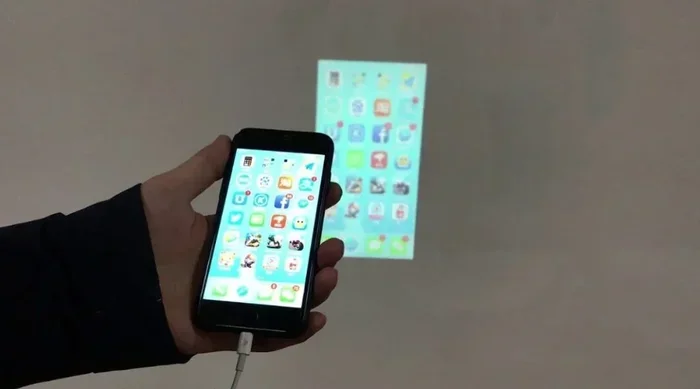
When we talk about using a phone as a projector, we mean casting or displaying your phone screen onto a wall or flat surface. The image gets bigger, and you can share it with others in the room. There are two main ways to do this. One uses apps and digital casting. The other uses physical tools like lenses and light sources.
The digital method relies on screen mirroring technology. Your phone sends its display wirelessly to a surface or another device that shows it bigger. The physical method uses things like magnifying glasses or DIY boxes to bend and enlarge the light from your phone screen. Both methods have their pros and cons, and we will cover both in detail.
Why People Want to Project Their Phone Screen
There are many reasons someone would want to try this. Maybe you do not have a TV in the living room. Maybe you are camping and want a big screen for movie night. Or maybe you need to show a slideshow at a small gathering. Whatever the reason, the mobile projector idea is appealing because it is cheap and convenient.
Some people also use this for work. If you need to present something quickly and do not have access to a proper projector, your phone can fill the gap. It is not a permanent solution, but it works in a pinch. You can also check out tips on managing your phone settings for better display results, like how to add prefixes to numbers on iPhone for organized contacts.
Methods to Project Your Phone Screen on a Wall
Not all phone projector setups are the same. Some rely on technology, and some rely on simple physics. Here are the main methods you can try at home.
Method 1: Use a Projector App
The easiest way to get a big image on your wall is to use a projector app. These apps make your phone screen act like a light source that projects forward. You point your phone at the wall, and the app displays the image in a way that looks bigger and brighter.
Here are some popular options:
- Screen Mirroring Apps: Apps like AllCast or AirScreen let you cast your phone display to a smart TV or streaming stick connected to a wall.
- Flashlight Projector Apps: These apps use your phone’s flashlight and screen together to create a larger projected look.
- Built-in Cast Features: Many phones have a native cast button in their quick settings. You can use this to send your screen to a compatible display.
The quality of these apps depends on your phone model and screen size. Newer phones with bright OLED screens work best. Older phones may produce a dimmer image.
Method 2: The DIY Shoebox Projector
This is the classic DIY projector hack. You will need a shoebox, a magnifying glass, some tape, and a knife or scissors. Here is how it works:
- Cut a hole in one side of the shoebox to fit your magnifying glass.
- Place your phone inside the box, screen facing the magnifying glass.
- Darken the inside of the box with black paper or paint.
- Point the magnifying glass end at a white wall in a dark room.
- Adjust the distance until the image looks clear.
This method gives you a fun, hands-on experience. The image will be flipped, so you may need to rotate your phone screen before placing it in the box. It works best at night or in a very dim room. The bigger the magnifying glass, the larger the projected image will be.
Method 3: Use a Smart TV or Streaming Device
If you have a smart TV or a device like a Chromecast or Roku, you can cast your phone screen directly to it. This is not technically projecting on a wall, but it gives you the same big-screen experience. Your phone becomes the remote control, and the TV does the heavy lifting.
This method gives you the best image quality. You get crisp colors, good brightness, and no flickering. If you already own a smart TV, this is the simplest and most reliable way to get your phone content on a big screen. Just remember that if you run into any display issues, troubleshooting basic problems like a line that will not delete in Microsoft Excel can help you understand how to fix visual glitches on screens in general.
Method 4: Use a Pico Projector with Your Phone
A pico projector is a tiny, portable projector that you can pair with your phone. These devices are small enough to fit in your pocket. They connect to your phone through Bluetooth or a cable and project your screen onto any wall.
Pico projectors give you a much better image than DIY methods. They are designed specifically for projection and have built-in lenses and LED lights. The downside is the cost. A decent pico projector can cost anywhere from $50 to $200. But if you use this often, it is worth the investment.
Tips for Getting the Best Projection Quality
No matter which method you choose, a few simple tips can make a huge difference in your projected image quality.
Maximize Your Phone Brightness
Your phone screen needs to be as bright as possible for a clear projection. Go to your display settings and turn the brightness all the way up. If your phone has an auto-brightness feature, turn it off so it does not dim the screen on its own.
Use a Dark Room
Projection works best in low light. The darker the room, the sharper and more visible your image will be. Close the curtains, turn off the lights, and avoid any direct light hitting the wall you are projecting on.
Use a White or Light-Colored Wall
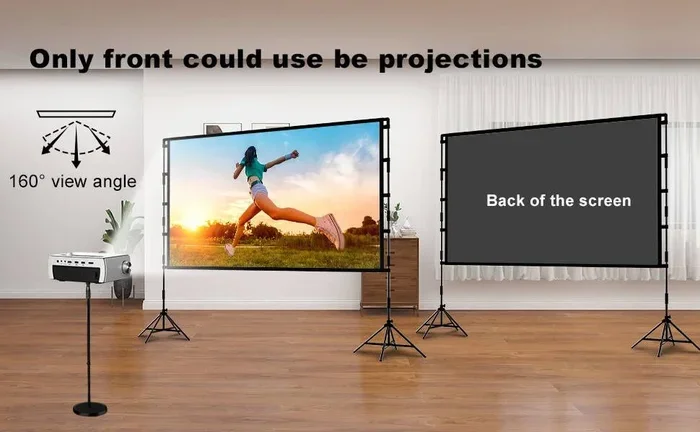
A white wall gives you the clearest and most accurate colors. Dark or painted walls will absorb light and make the image look faded. If you do not have a white wall, hang a white sheet or a portable projector screen for better results.
Keep the Distance Right
The further your phone is from the wall, the bigger the image will be. But too far away and the image gets blurry. Find the sweet spot by moving your phone slowly back and forth until the image looks sharp. A good starting distance is about 2 to 4 feet from the wall.
Turn Off Notifications
Nothing ruins a movie night like a random notification popping up on your projected screen. Turn on Do Not Disturb mode before you start. This keeps calls, texts, and app alerts from interrupting your viewing experience.
Common Mistakes to Avoid
Many people try the phone projector idea and get disappointing results. Here are the most common mistakes and how to avoid them.
Using Your Phone in Direct Sunlight
Phone screens are not bright enough to compete with sunlight. If you try to project in a bright room or outdoors during the day, the image will look washed out and almost invisible. Always project in a dim or dark environment for the best results.
Forgetting to Focus the Image
If you are using a magnifying glass or lens setup, the image will look blurry if you do not adjust the distance correctly. Take your time to find the right focal point. Small adjustments make a big difference in clarity.
Using a Cracked or Damaged Screen
A damaged phone screen will project a distorted or dim image. Make sure your phone screen is in good condition before you try any projection method. Cracks and scratches scatter light and reduce image quality.
Ignoring Sound Quality
Phone speakers are small and may not fill a room with sound. If you are watching a movie or showing a presentation, consider using a Bluetooth speaker or connecting headphones. Good audio makes the whole experience much better.
Comparing Phone Projection Methods
Not sure which method is right for you? Here is a quick comparison of the main options.
| Method | Cost | Image Quality | Setup Difficulty | Best For |
|---|---|---|---|---|
| Projector App | Free | Medium | Very Easy | Quick, casual use |
| DIY Shoebox Projector | Under $5 | Low to Medium | Moderate | Fun, hands-on projects |
| Smart TV Casting | Free (if you own a TV) | High | Very Easy | Home entertainment |
| Pico Projector | $50 to $200 | High | Easy | Frequent use and presentations |
As you can see, each method has its place. If you just want to try it once, start with a free projector app. If you want a reliable setup, a pico projector or smart TV casting is the way to go.
When Should You Upgrade to a Real Projector?
Using your phone as a projector is a great trick, but it has limits. If you find yourself projecting often, it might be time to invest in a real projector. Here are some signs that you should upgrade:
- You project more than once a week.
- You need a bright image in a room with some light.
- You want to project on surfaces other than white walls.
- You need sound quality that goes beyond your phone speaker.
- You are using projection for work or school presentations regularly.
A real projector gives you better brightness, sharper images, and more flexibility. But for occasional use, your phone works just fine and costs nothing extra.
Final Thoughts on Using Your Phone as a Projector
The idea of using your phone as a projector on a wall at home is no longer just a cool trick. It is a practical solution for movie nights, small presentations, and casual entertainment. You have many options, from free apps to DIY hacks to affordable pico projectors.
Start with the simplest method and see how it works for you. If you enjoy it, you can always level up to a better setup. The most important thing is to have fun and experiment. You might be surprised at how good a phone projector can be with the right setup and a dark room.
Remember, technology is meant to make life easier and more fun. So grab your phone, find a blank wall, and give it a try tonight. You might just discover a new favorite way to enjoy your favorite content at home.
Frequently Asked Questions
Can any phone be used as a projector on a wall?
Most smartphones can be used in some form of wall projection. The quality depends on your phone screen size, brightness, and the method you use. Newer phones with larger, brighter screens produce the best results. Even older phones can work with a DIY shoebox projector setup.
Do I need any special apps to project my phone screen?
Not necessarily. Many phones have built-in screen casting features. However, projector apps can enhance the experience and make the image look larger and more focused. Free options are available on both Android and iPhone app stores.
Is a DIY phone projector as good as a real projector?
No, a DIY setup cannot match a real projector in brightness, clarity, or reliability. However, it is a fun and free way to experiment with projection technology. It works well for casual use in dark rooms but is not suitable for professional or large-scale viewing.
Can I use my phone as a projector during the day?
It is very difficult to project a clear image in daylight. Phone screens are not bright enough to compete with sunlight. You will get much better results in a dim or dark room. If you must project during the day, use a white surface and maximize your phone brightness.
What is the best wall color for phone projection?
A white or light gray wall works best. These colors reflect light evenly and produce a clear, accurate image. Dark or colored walls absorb light and can make the projected image look faded or tinted. If you do not have a white wall, hang a white bedsheet for a simple projector screen.
Can I connect my phone to a projector instead of using my phone as one?
Yes, many projectors allow you to connect your phone through HDMI, USB-C, or wireless casting. This gives you the best of both worlds, using your phone as the source while relying on a real projector for image quality. It is a great option if you want a big screen without buying a dedicated streaming device.
=== CONCLUSION ===
Using your phone as a projector on a wall at home is easier than you think. Whether you try a free app, build a DIY shoebox projector, or cast to a smart TV, you can enjoy big-screen content without spending a lot of money. The key is to start simple, experiment with different methods, and find what works best for your space and needs.
Keep your room dark, use a white wall, and maximize your phone brightness for the clearest image. If you find yourself projecting often, consider upgrading to a pico projector for a better experience. But for now, your phone is all you need to turn any blank wall into an entertainment screen.
Give it a try this weekend. You might be surprised at how much fun and useful a phone as projector on wall setup can be. Share the tip with friends and family, and enjoy your new big-screen experience at home.