Can I Use Any Usb C Adapter For My Iphone Without Issues
Not all USB C adapters work safely with your iPhone. Using the wrong adapter can damage your device, slow down charging, or fail to transfer data. This guide covers everything you need to know about USB C adapter compatibility for iPhone, including certified options, common mistakes, and how to pick the right one for your needs.
This is a comprehensive guide about Can I Use Any Usb C Adapter For My Iphone.
Key Takeaways
- Not all USB C adapters are compatible: Apple has specific requirements for USB-C adapters to work safely with iPhones.
- Certified adapters are safer: MFi-certified and USB-IF certified adapters reduce the risk of damage and ensure reliable performance.
- Cheap adapters can cause real problems: Using low-quality adapters may lead to slow charging, data loss, or even hardware damage.
- USB-C to Lightning cables are not the same as adapters: Understanding the difference helps you buy the right accessory.
- iPhone 15 and newer models use USB-C natively: These phones need different adapters than older iPhone models that still use Lightning.
- Fast charging requires specific adapter specs: Look for USB-C Power Delivery support for the best charging speeds.
[FEATURED_IMAGE_PLACEHOLDER]
You just bought a new USB C adapter for your iPhone, and you are eager to plug it in. But wait — can you really use any USB C adapter for iPhone without issues? The short answer is no. Not every adapter on the shelf is created equal, and using the wrong one can lead to slow charging, data transfer problems, or even damage to your device.
If you have ever stood in front of a wall of adapters at a store or scrolled through hundreds of options online, you know how confusing it can get. Everyone looks the same. They all claim to work with your iPhone. But underneath the surface, there are big differences in quality, safety, and performance.
In this guide, we will walk through everything you need to know about USB C adapters for iPhone. You will learn which adapters are safe, what to avoid, and how to choose the right one for your specific model. Whether you have an older iPhone with a Lightning port or a newer iPhone 15 with a native USB-C port, this article has you covered.
What Is a USB-C Adapter and Why Does It Matter for iPhone?
A USB C adapter is a small device that lets you connect USB-C cables or accessories to your iPhone. It can convert signals, provide power, or enable data transfer between your phone and other devices like computers, monitors, or chargers.
Apple made a big shift in 2023 when the iPhone 15 lineup moved from the Lightning port to a USB-C port. This change brought better compatibility with other devices, faster data transfer speeds, and the ability to use universal chargers. But it also raised a lot of questions about which adapters actually work well with these new phones.
For older iPhone models that still use Lightning, you need a USB-C to Lightning cable or a specific adapter that bridges the gap between USB-C and Lightning. The adapter you choose directly affects how well your phone charges, how fast data moves, and how safe your device stays during everyday use.
The Shift from Lightning to USB-C
Apple introduced the Lightning connector back in 2012 with the iPhone 5. For over a decade, Lightning cables were the standard for charging and data transfer. But the European Union pushed for a universal charging standard, and Apple eventually switched to USB-C.
Now, every new iPhone from the iPhone 15 onward uses USB-C. This means your old Lightning cables and adapters may not work the same way anymore. If you want to keep using your existing accessories, you need the right USB C adapter for iPhone that supports both the new port and your older gear.
Can You Use Any USB-C Adapter With Your iPhone?
The honest answer is that some adapters work fine, and some can cause serious problems. Apple does not officially support every USB-C adapter on the market. In fact, using an incompatible or low-quality adapter can void your warranty or harm your device.
Understanding Apple’s USB-C Requirements
Apple has strict guidelines for USB-C accessories. The company requires adapters to meet specific standards for power delivery, data transfer rates, and safety. When you buy an adapter that does not meet these standards, you risk encountering issues like:
- Slow or inconsistent charging that takes much longer than expected.
- No data transfer when connecting your phone to a computer or external drive.
- Overheating of the adapter or your iPhone during use.
- Damage to the charging port over time from unstable power delivery.
- Error messages that pop up when you connect accessories.
Apple recommends using MFi-certified (Made for iPhone) accessories. This certification means the adapter has been tested and approved by Apple to work safely with iPhones. When shopping for a USB C adapter for iPhone, always look for this logo on the packaging.
What Happens When You Use a Non-Compatible Adapter?
Using a non-compatible or cheap USB-C adapter is like putting the wrong fuel in your car. It might work for a little while, but over time, it causes problems. Here are some real-world issues users have reported:
- Your iPhone charges very slowly, even when plugged into a wall outlet.
- The adapter gets hot to the touch after just a few minutes of use.
- Your phone disconnects and reconnects repeatedly when plugged into a computer.
- Data transfer speeds drop significantly, making file backups take forever.
- The USB-C port on your iPhone gets damaged, requiring expensive repairs.
These problems are not rare. They happen more often than most people realize, especially with adapters bought from unknown brands or third-party sellers without proper certification.
How to Choose the Right USB-C Adapter for iPhone
Choosing the right USB C adapter for iPhone does not have to be overwhelming. You just need to know what to look for and what red flags to avoid. Here is a practical guide to help you make the right choice.
Key Features to Look For
When shopping for a USB-C adapter, pay attention to these important features:
- MFi Certification: This is Apple’s official seal of approval. It guarantees the adapter works safely with iPhones.
- USB-IF Certification: This certifies that the adapter meets industry standards for USB performance and safety.
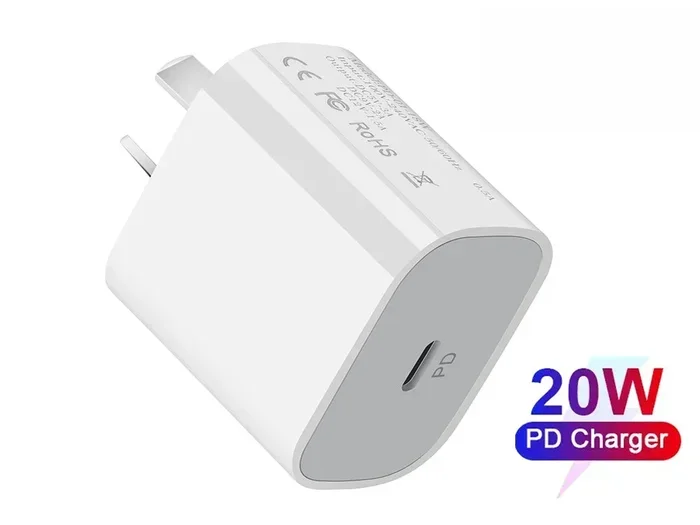
- USB-C Power Delivery (PD) Support: Look for adapters that support at least 20W of power delivery for fast charging.
- Data Transfer Speed: USB 3.0 or higher adapters offer much faster data transfer than USB 2.0 options.
- Build Quality: Choose adapters made from durable materials with solid construction and good reviews.
- Compatibility: Make sure the adapter works with your specific iPhone model, whether it has Lightning or USB-C.
Certified vs. Non-Certified Adapters: A Comparison
Not all USB C adapters for iPhone are the same. Here is a simple comparison to help you understand the difference between certified and non-certified options:
| Feature | Certified Adapter | Non-Certified Adapter |
|---|---|---|
| Safety Testing | Rigorously tested by Apple or USB-IF | Little to no testing |
| Charging Speed | Supports full fast-charging speeds | Often slower or inconsistent |
| Data Transfer | Reliable and fast | Unstable or very slow |
| Warranty Coverage | Usually covered by Apple warranty | No warranty protection |
| Price Range | Moderate to higher | Very cheap |
| Risk of Damage | Very low | High |
As you can see, the slightly higher price of a certified adapter is well worth the peace of mind. It protects your investment and keeps your iPhone running smoothly.
Quick Tips for Buying the Right Adapter
- Always buy from reputable brands like Anker, Belkin, or Apple itself.
- Check reviews before purchasing. Real user experiences tell you a lot.
- Avoid adapters that seem too cheap to be true. They usually are.
- Make sure the adapter supports the power wattage your iPhone needs for fast charging.
- If you have an iPhone 15 or newer, look for adapters that support USB 3.0 data transfer for the best performance.
Common Problems With USB-C Adapters and How to Fix Them
Even with the right USB C adapter for iPhone, you might run into occasional issues. Here are the most common problems and simple fixes.
Adapter Not Charging Your iPhone
If your adapter is not charging your phone, try these steps:
- Unplug the adapter and plug it back in firmly.
- Try a different wall outlet to rule out a power source issue.
- Check if the cable is damaged or frayed.
- Restart your iPhone and try again.
- If nothing works, the adapter may be faulty and needs replacement.
Slow Data Transfer Speeds
Slow data transfer is a common frustration. It usually happens when you are using a USB 2.0 adapter instead of a USB 3.0 one. If you need to transfer large files or back up your phone regularly, invest in a USB 3.0 or USB 3.1 adapter for much better speeds.
Adapter Overheating
If your adapter gets too hot, unplug it immediately. Overheating can be a sign of poor build quality or incompatible power delivery. Replace the adapter with a certified one to avoid potential safety hazards.
Best Practices for Using USB-C Adapters With iPhone
To get the most out of your USB C adapter for iPhone and keep your device safe, follow these best practices:
- Always use certified adapters. MFi and USB-IF certifications are your best guarantee of safety and performance.
- Do not leave adapters plugged in unattended. Even good adapters can occasionally malfunction, and unattended use increases risk.
- Keep your adapter and port clean. Dust and debris in the USB-C port can cause connection issues. Use a soft brush or compressed air gently.
- Avoid bending or forcing cables into the adapter. This can damage both the adapter and your phone’s port over time.
- Store adapters properly. Keep them in a protective case or pouch to prevent physical damage.
- Update your iPhone regularly. Software updates often include fixes for accessory compatibility issues.
Following these simple habits will extend the life of your adapter and keep your iPhone charging and transferring data reliably every single day.
iPhone Accessories You Might Also Need
Once you find the right USB C adapter for iPhone, you might want to explore other accessories that improve your daily experience. A good USB-C hub can expand your port options, letting you connect multiple devices at once. Wireless chargers are also a great addition, especially if you have an iPhone 15 model that supports MagSafe charging.
If you are interested in learning more about iPhone tips and tricks, you might enjoy our article on adding prefixes to numbers on iPhone. It is a handy trick that many people do not know about, and it can make managing phone numbers much easier.
For a fun change of pace, did you know there are apps that work like Uber but for finding dog walkers? Check out our list of 4 apps that are like Uber for finding dog walkers if you love dogs or know someone who does. It is a great way to discover useful tools you might not have heard of before.
Common Mistakes People Make With USB-C Adapters
Even careful users sometimes make mistakes when choosing or using USB C adapters for iPhone. Here are the most common ones to avoid:
Mistake 1: Buying Based on Price Alone
The cheapest adapter on the shelf might seem like a great deal, but it often costs you more in the long run. Poor-quality adapters can damage your iPhone or fail after just a few weeks of use.
Mistake 2: Ignoring Certification Labels
Skipping the certification check is one of the biggest mistakes you can make. Always look for the MFi or USB-IF logo before buying. These labels mean the adapter has passed strict testing standards.
Mistake 3: Using the Wrong Adapter Type
Not all adapters do the same thing. Some are designed only for charging, while others support both charging and data transfer. Make sure you buy the right type for what you need. A charging-only adapter will not help you transfer photos or files to your computer.
Mistake 4: Assuming All USB-C Ports Are the Same
Just because a port looks like USB-C does not mean it delivers the same power or data speeds. Some ports on laptops or wall chargers are USB 2.0 and will charge your iPhone much slower than a USB-C Power Delivery port.
Expert Insights: What Apple Says About Third-Party Adapters
Apple has clear guidance on using third-party USB-C adapters with iPhones. The company states that only MFi-certified accessories are guaranteed to work properly and safely. Non-certified accessories may not function correctly and could potentially damage your device.
Apple also emphasizes that using uncertified adapters may void your warranty. If your iPhone gets damaged due to a non-certified adapter, Apple may refuse to cover the repair cost. This is a strong reason to always invest in certified accessories from trusted brands.
According to Apple support documentation, users should look for the Made for iPhone or Made for iPad program logo when purchasing any USB C adapter for iPhone. This simple check can save you from a lot of headaches and unexpected expenses down the road.
Key Takeaways
- Not every USB C adapter works with iPhone: Always check for MFi or USB-IF certification before purchasing.
- Certified adapters ensure safety: They protect your device from overheating, slow charging, and port damage.
- iPhone 15 users need USB-C adapters: Older Lightning-based adapters will not work with newer models without the right adapter type.
- Fast charging requires USB-C Power Delivery: Look for adapters that support at least 20W PD for the best charging experience.
- Cheap adapters are a false economy: They may save money upfront but can cost you more through damage or replacement.
- Data transfer speed depends on the adapter: USB 3.0 adapters are significantly faster than USB 2.0 options.
- Always buy from reputable brands: Trusted brands like Anker, Belkin, and Apple offer the most reliable adapters.
Conclusion
The answer to whether you can use any USB C adapter for iPhone without issues is a clear no. While some adapters might work temporarily, using the wrong one puts your device at risk. Slow charging, data transfer problems, overheating, and even permanent port damage are all real possibilities when you choose an incompatible or low-quality adapter.
The best approach is simple: always buy certified adapters from reputable brands. Look for MFi certification and USB-IF approval. Check the power delivery specs to make sure they match your iPhone’s fast-charging needs. And never assume that a cheap adapter is good enough just because it fits the port.
Your iPhone is a significant investment. Protecting it starts with the small choices you make every day, like which adapter you plug in. Take a few extra minutes to choose wisely, and your phone will reward you with reliable performance, fast charging, and safe data transfer for years to come.
FAQs
Can I use any USB-C adapter with my iPhone 15?
Not all adapters work safely with the iPhone 15. Apple recommends using MFi-certified USB-C adapters that support USB Power Delivery. Using a non-certified adapter can lead to slow charging or even damage to your phone’s port.
Do I need a special adapter for fast charging my iPhone?
Yes, fast charging requires a USB-C adapter that supports USB-C Power Delivery of at least 20 watts. Standard adapters may charge your iPhone much more slowly and will not unlock the fast-charging feature.
What happens if I use a cheap USB-C adapter with my iPhone?
Cheap uncertified adapters can cause slow charging, unstable data transfer, overheating, and in some cases, permanent damage to your iPhone’s USB-C port. Always invest in a certified adapter to avoid these risks.
Are USB-C to Lightning cables the same as USB-C adapters?
No, they are different. A USB-C to Lightning cable connects a USB-C charger to an older iPhone with a Lightning port. A USB-C adapter converts signals or power between USB-C and other formats. Make sure you buy the right accessory for your needs.
Can a USB-C adapter damage my iPhone’s charging port?
Yes, using an incompatible or low-quality adapter can damage your charging port over time. Unstable power delivery, poor build quality, and lack of safety certifications all increase the risk of hardware damage.
How can I tell if a USB-C adapter is MFi certified?
Look for the MFi certification logo on the adapter’s packaging or product listing. You can also check the product description on the manufacturer’s website. Authorized resellers will clearly display this certification for all USB C adapters for iPhone.
Frequently Asked Questions
What is Can I Use Any Usb C Adapter For My Iphone?
Can I Use Any Usb C Adapter For My Iphone is an important topic with many practical applications.