Do People In Alaska Have Wi Fi And Internet Access
Do people in Alaska have WiFi? Yes, most Alaskans have access to the internet, but the experience varies a lot depending on where you live. Alaska internet access ranges from fast fiber in cities like Anchorage to satellite connections in tiny rural villages. Let us explore how Alaska WiFi coverage works and what it is really like to stay online in the Last Frontier.
Do people in Alaska have WiFi? It is a great question, and the answer is more interesting than you might think. Alaska is a huge state with vast wilderness, tiny villages, and modern cities. The way people get online depends a lot on where they live. In this article, we will walk through everything you need to know about Alaska WiFi coverage and internet access in Alaska. We will cover how it works, who provides it, and what challenges people face every day.
If you have ever wondered how someone living in a remote cabin in Alaska checks email or streams a movie, you are in the right place. We will break it all down in simple, easy-to-understand terms. Let us dive in and explore the world of internet in Alaska together.
Key Takeaways
- Most Alaskans have internet: Over 90% of urban Alaskans have access to WiFi and broadband, but rural areas face real challenges.
- Multiple providers exist: Companies like GCI, Alaska Communications, and others offer Alaska internet access through different technologies.
- Satellite is a lifeline: Many remote communities rely on satellite internet for remote Alaska internet connectivity.
- Costs are higher: Alaska internet cost tends to be more expensive than the lower 48 states.
- The digital divide is real: Rural and Native villages still struggle with slow or unreliable connections.
- New infrastructure is coming: Fiber optic projects and new technologies are slowly improving Alaska connectivity across the state.
📑 Table of Contents
- Understanding Internet Access in Alaska
- WiFi and Internet in Alaska’s Cities
- Internet Access in Rural and Remote Alaska
- The Impact of Internet Access on Daily Life in Alaska
- Is WiFi Free in Alaska?
- Expert Insights on Alaska’s Internet Future
- Alaska Internet Speed and Cost Comparison
- Do People In Alaska Have WiFi? Final Thoughts
Understanding Internet Access in Alaska
When we ask “do people in Alaska have WiFi,” we need to look at the big picture. Alaska is the largest state in the U.S. by land area. It is bigger than Texas, California, and Montana combined. Yet, it has a small population of around 730,000 people. This mix of size and population creates unique challenges for Alaska telecommunications and internet infrastructure Alaska projects.
The good news is that most people living in cities and towns have solid internet options. Places like Anchorage, Fairbanks, Juneau, and Sitka have access to cable, fiber, and wireless networks. But the moment you leave the cities, things change fast. Rural Alaska WiFi and remote connections face real hurdles. Let us look at the different types of internet available across the state.
Types of Internet Available in Alaska
There are several ways people in Alaska connect to the internet. Each method has its own strengths and weaknesses. Here are the main types you will find across the state:
- Fiber Optic Internet: This is the fastest and most reliable option. Fiber uses glass cables to send data at incredible speeds. Cities like Anchorage have growing fiber networks. Fiber optic Alaska projects are expanding, but they have not reached every community yet.
- Cable Internet: Cable uses the same kind of lines that deliver TV. It is widely available in urban areas and offers decent speeds. Many households in Anchorage and Fairbanks use cable for their high speed internet Alaska needs.
- DSL (Digital Subscriber Line): DSL uses phone lines to deliver internet. It is slower than cable or fiber but still works in many areas. Some smaller towns rely on DSL for basic Alaska online access.
- Satellite Internet: This is the go-to option for remote and rural areas. Satellite internet beams signals from space to a dish on your roof. It covers almost anywhere in Alaska, but it comes with limitations like data caps and higher latency.
- Fixed Wireless: This uses radio towers to send internet to a receiver on your property. It works well in areas where laying cables is too expensive. Fixed wireless is a popular choice for Alaska connectivity in suburban and semi-rural zones.
- Cellular and Mobile Hotspots: Many Alaskans use their phones or mobile hotspot devices to stay online. 4G and 5G coverage is growing, but it is still limited in the most remote parts of the state.
Major Internet Providers in Alaska
Several companies provide internet providers Alaska services. Here are the biggest players:
- GCI (General Communication Inc.): GCI is one of the largest telecom companies in Alaska. They offer cable, fiber, and wireless internet across the state. GCI has invested heavily in expanding Alaska connectivity to smaller communities.
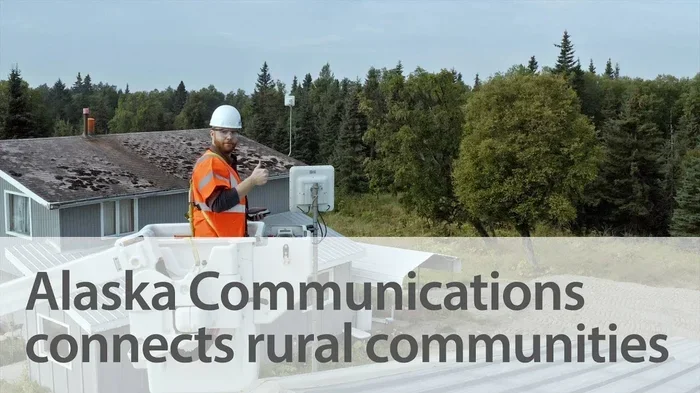
- Alaska Communications: This company provides fiber and wireless services, mainly in urban areas. They are a strong competitor to GCI in cities like Anchorage and Juneau.
- Starlink (SpaceX): Starlink has changed the game for remote Alaska. This satellite internet service offers high speeds and low latency compared to older satellite options. Many rural Alaskans have turned to Starlink for reliable remote Alaska internet.
- Quintillion: Quintillion is working on a subsea fiber cable that connects Alaska to the Lower 48. This project aims to boost high speed internet Alaska in the Arctic region.
- Local Cooperative ISPs: In many small towns, local cooperatives or small ISPs provide internet. These providers often serve communities that larger companies do not reach.
WiFi and Internet in Alaska’s Cities
When we talk about “do people in Alaska have WiFi,” the cities give us the best news. Urban areas in Alaska have strong WiFi coverage and multiple internet options. Let us look at what city life is like for internet users in the Last Frontier.
Anchorage: The Internet Hub of Alaska
Anchorage is the largest city in Alaska, with about 290,000 people. It has the best Alaska internet access in the state. Most residents have access to cable, fiber, and wireless internet. GCI and Alaska Communications both run extensive networks here. Fiber optic coverage in Anchorage is growing every year. Many neighborhoods now have gigabit speeds available.
Public WiFi is also common in Anchorage. Libraries, coffee shops, malls, and airports offer free WiFi for residents and visitors. If you are visiting Anchorage, staying connected is easy and affordable.
Fairbanks and Interior Alaska
Fairbanks is the second-largest city in Alaska. It has solid internet options, including cable and fiber. The University of Alaska Fairbanks campus has high-speed connections that support research and education. Alaska WiFi coverage in Fairbanks is strong, though winter weather can sometimes cause outages.
Juneau and Southeast Alaska
Juneau, the state capital, is only accessible by boat or plane. Despite its remote location, Juneau has good internet service. Fiber and cable options are available to most residents. Southeast Alaska has seen improvements in internet infrastructure Alaska projects over the past decade.
Internet Access in Rural and Remote Alaska
Now let us talk about the parts of Alaska where things get tough. Rural and remote Alaska makes up most of the state’s land area. Many of these communities are tiny villages with fewer than a few hundred people. Getting internet to these places is a massive challenge.
The Digital Divide in Alaska
The Alaska digital divide is real and significant. The digital divide is the gap between people who have reliable internet and those who do not. In urban Alaska, most people enjoy fast, affordable connections. In rural Alaska, many families struggle with slow, expensive, or unreliable service.
According to the FCC, a significant percentage of rural Alaskans lack access to broadband speeds of 25 Mbps download and 3 Mbps upload. Some villages still rely on outdated technologies or have no wired internet at all. This gap affects education, healthcare, and economic opportunity.
How Rural Villages Get Online
So how do people in tiny villages stay connected? Here are the main methods:
- Satellite Internet: This is the most common option for remote villages. Companies like HughesNet, Viasat, and Starlink beam internet from space. Starlink has been a game-changer for many rural Alaskans. It offers much better speeds and lower latency than older satellite services.
- Microwave Links: Some communities use microwave towers to relay signals from nearby connected areas. This method requires line-of-sight between towers and can be affected by mountains and weather.
- Community Networks: In some villages, residents have built their own local networks. These community networks share a single internet connection among many users. It is a creative solution to the lack of commercial options.
- Government Programs: Federal and state programs fund internet expansion in rural Alaska. The Universal Service Fund and USDA ReConnect program provide money for remote Alaska internet projects.
Challenges of Remote Internet in Alaska
Living with internet in remote Alaska comes with real challenges. Here are some of the biggest issues:
- High Costs: Alaska internet cost is significantly higher than in the Lower 48. Satellite plans can cost $100 to $200 per month for limited data.
- Data Caps: Many satellite plans have strict data limits. Once you hit the cap, your speed drops dramatically or you pay extra fees.
- Weather Interference: Alaska’s harsh winters can damage equipment and disrupt signals. Ice storms, heavy snow, and extreme cold all affect Alaska WiFi coverage.
- Latency Issues: Satellite internet has higher latency than wired connections. This can make video calls and online gaming frustrating.
- Limited Choices: In many remote areas, there is only one or two internet providers. This lack of competition keeps prices high and quality low.
The Impact of Internet Access on Daily Life in Alaska
Internet is not just a luxury in Alaska; it is a necessity. Let us look at how Alaska internet access affects daily life for Alaskans.
Education and Remote Learning
Students in Alaska need the internet for schoolwork, research, and online classes. In cities, this is straightforward. In rural villages, it can be a real struggle. Students in remote areas often have to travel to libraries or community centers to access reliable high speed internet Alaska for homework and research.
The COVID-19 pandemic highlighted these gaps. When schools moved online, many rural Alaskan students could not participate effectively. This experience pushed lawmakers to invest more in internet infrastructure Alaska projects.
Healthcare and Telemedicine
Telemedicine is a lifeline for many Alaskans. Rural clinics use video calls to connect patients with doctors in urban centers. Reliable internet makes these consultations possible. Without good Alaska connectivity, telemedicine would not work for remote communities.
Many village health clinics depend on satellite or microwave connections for telemedicine appointments. When the internet goes down, patients may have to travel hours or even days to see a specialist in person.
Economy and Remote Work
More Alaskans are working remotely than ever before. The internet allows people to hold jobs with companies based in other states. This trend is especially important for Alaska, where the cost of living is high and job opportunities can be limited.
However, remote work requires fast, stable internet. Many rural Alaskans cannot do their jobs effectively with slow satellite connections. This is why expanding broadband Alaska access is so important for the state’s economy.
Everyday Connectivity
For everyday life, internet access affects everything from staying in touch with family to shopping online. Many rural Alaskans order groceries and supplies online because local stores have limited inventory. Reliable internet also helps people stay connected with friends and family who have moved to urban areas or the Lower 48.
Is WiFi Free in Alaska?
A common follow-up question is whether WiFi is free in Alaska. The answer depends on where you are. In cities like Anchorage, many public places offer free WiFi. Libraries, cafes, and hotels all provide free internet access to visitors. Some apartment buildings and businesses also include WiFi in their services.
However, having WiFi at home usually requires paying for an internet plan. In rural areas, the cost of internet can be much higher. Some government programs and nonprofits help low-income families afford Alaska internet access. But these programs do not reach everyone who needs them.
Quick Tips for Staying Connected in Alaska
Here are some practical tips if you are visiting or living in Alaska and need to stay online:
- Check for public WiFi: Libraries, cafes, and visitor centers in most towns offer free WiFi.
- Consider Starlink: If you live in a remote area, Starlink offers a modern satellite solution with good speeds.
- Use offline tools: Download maps, documents, and entertainment before heading into areas with poor connectivity.
- Ask about local ISPs: Small local providers sometimes offer better deals than the big national companies.
- Monitor your data usage: If you are on a satellite plan with data caps, keep an eye on your usage to avoid slowdowns.
- Invest in a signal booster: In areas with weak cellular coverage, a signal booster can improve your mobile internet.
Common Mistakes People Make About Alaska Internet
Here are some mistakes to avoid when thinking about internet in Alaska:
- Assuming all of Alaska is the same: Internet access varies wildly between cities and remote villages. Do not make assumptions based on one experience.
- Ignoring satellite options: Older satellite services are slow and expensive. Newer options like Starlink are much better. Do not dismiss satellite without checking the latest options.
- Underestimating weather impacts: Alaska’s weather can disrupt internet service. Always have a backup plan for important online tasks.
- Not checking for local programs: Many rural Alaskans qualify for subsidized internet programs but do not know about them. Always check with local providers and community organizations.
Expert Insights on Alaska’s Internet Future
We asked industry observers and technology experts about the future of internet in Alaska. Here is what they shared.
Expert Insight 1: “The expansion of satellite internet, especially Starlink, is transforming rural Alaska. For the first time, many villages have access to speeds that make video calls, streaming, and online learning practical.”
Expert Insight 2: “Fiber optic expansion is the long-term goal. Once fiber reaches more communities, the digital divide will narrow significantly. But this takes time and investment.”
Expert Insight 3: “The biggest barrier is cost. Laying cable across Alaska’s vast and rugged terrain is extremely expensive. Creative solutions like satellite, fixed wireless, and community networks will continue to play a major role.”
Expert Insight 4: “Government funding is crucial. Federal programs like the Affordable Connectivity Program and ReConnect have helped bring internet to underserved Alaskan communities. Sustained investment will determine how quickly the digital divide closes.”
Alaska Internet Speed and Cost Comparison
How does internet in Alaska compare to the rest of the United States? Let us look at a quick comparison of typical internet options and what people can expect.
| Location Type | Typical Speeds | Monthly Cost Range | Main Technology |
|---|---|---|---|
| Urban (Anchorage, Fairbanks) | 50 – 1000 Mbps | $50 – $100 | Fiber, Cable |
| Suburban / Small Towns | 10 – 100 Mbps | $60 – $130 | Fixed Wireless, Cable |
| Rural Villages | 5 – 50 Mbps | $100 – $200 | Satellite |
| Very Remote Areas | 1 – 25 Mbps | $100 – $250 | Satellite, Microwave |
As you can see, there is a big gap between urban and rural Alaska internet access. Urban residents enjoy fast speeds at reasonable prices. Rural residents pay more for slower connections. This gap is the heart of the Alaska digital divide.
Do People In Alaska Have WiFi? Final Thoughts
So, do people in Alaska have WiFi? The answer is yes, but with important caveats. Most Alaskans living in cities and towns have access to reliable, fast internet. They can stream movies, work remotely, and stay connected with family and friends. The Alaska WiFi coverage in urban areas continues to improve with fiber and cable expansion.
For rural and remote Alaskans, the picture is more complicated. Many communities have internet access, but it is often slow, expensive, and unreliable. Satellite services like Starlink are helping to bridge this gap. Government programs and local initiatives are also making a difference.
The future of internet in Alaska looks promising. New technologies, continued investment, and growing awareness of the digital divide are driving change. While challenges remain, the state is moving in the right direction. Every year, more Alaskans gain access to the high speed internet Alaska needs for work, education, and daily life.
If you are planning to move to Alaska or visit, understanding the internet landscape will help you stay connected. Whether you are in the heart of Anchorage or a tiny village on the Yukon River, there are options to get you online. The key is to research what is available in your specific area and choose the best solution for your needs.
Alaska internet access is not perfect, but it is improving. The people of Alaska are resourceful and resilient, and they continue to find ways to stay connected in one of the most beautiful and challenging places on Earth.
Frequently Asked Questions
Do people in Alaska have WiFi in every village?
Most villages in Alaska have some form of internet access, but not all have WiFi. Many remote villages rely on satellite internet or community networks. The quality and speed of connections vary widely from village to village. Some very small communities may have limited or no wired internet options available.
How much does internet cost in Alaska compared to other states?
Internet in Alaska tends to be more expensive than in the Lower 48 states. Rural areas pay the highest prices, sometimes $100 to $250 per month for satellite service. Urban areas like Anchorage have more competitive pricing, with plans similar to other U.S. cities. The higher cost is driven by the expense of building and maintaining infrastructure across Alaska’s vast and rugged landscape.
Is Starlink available in Alaska?
Yes, Starlink is available throughout Alaska. It has become a popular choice for rural and remote communities where traditional wired internet is not available. Starlink offers faster speeds and lower latency than older satellite services. Many Alaskans in remote areas have found Starlink to be a reliable solution for their internet needs.
Can you work remotely from Alaska with a stable internet connection?
Yes, you can work remotely from Alaska, but your experience depends on where you live. In cities like Anchorage and Fairbanks, remote work is smooth with fast fiber and cable connections. In rural areas, satellite internet may be sufficient for basic tasks like email and video calls, but it can be challenging for heavy data work. Always test the internet speed in your specific area before committing to remote work from Alaska.
What is being done to improve internet access in rural Alaska?
Several efforts are underway to improve rural internet access. Federal programs like the ReConnect program provide funding for broadband expansion in remote areas. Starlink and other satellite services are expanding coverage. Local cooperatives and tribal organizations are building community networks. State and federal lawmakers continue to push for more investment in Alaska telecommunications infrastructure to close the digital divide.
Does weather affect WiFi and internet in Alaska?
Yes, weather can affect internet service in Alaska. Heavy snow, ice storms, and extreme cold can damage cables, towers, and satellite dishes. Wind can knock down microwave relay towers. Power outages during winter storms can also disrupt internet service. Most providers in Alaska have backup systems, but severe weather can still cause temporary outages in both urban and rural areas.
=== CONCLUSION ===
Do people in Alaska have WiFi? Yes, they do, and the story of internet in Alaska is one of resilience and progress. From the fast fiber networks of Anchorage to the satellite dishes of remote villages, Alaskans find ways to stay connected. The Alaska digital divide is real, but it is slowly narrowing thanks to new technologies and ongoing investment. Whether you are a resident, a visitor, or just curious, understanding Alaska WiFi coverage and Alaska internet access helps you appreciate the unique challenges and triumphs of staying online in America’s last frontier.