Can You Pay For Mobile Wi Fi Plans And How Much It Costs
Yes, you can absolutely pay for mobile Wi-Fi plans, and the costs range from budget-friendly pay-as-you-go options to unlimited data packages. Mobile Wi-Fi plans let you stay connected anywhere using portable hotspot devices, data-only SIM cards, or your smartphone’s tethering feature. This guide breaks down pricing, device options, and tips to help you choose the right plan without overspending.
Staying connected while on the go has become a daily necessity. Whether you are traveling for work, commuting, or just hanging out at a park, mobile Wi-Fi plans give you the freedom to access the internet without relying on public networks. But here is the big question most people ask: can you pay for mobile Wi-Fi? The short answer is yes. You absolutely can, and there are more options than you might think.
The world of portable internet has grown fast in recent years. Carriers and providers now offer flexible plans that fit almost any budget and usage level. From pay-as-you-go mobile data to unlimited monthly packages, the choices can feel overwhelming. But do not worry. This guide walks you through everything you need to know about paying for mobile Wi-Fi, including costs, devices, and smart ways to save money.
Key Takeaways
- Affordable Options Exist: Mobile Wi-Fi plans start as low as $10 to $20 per month for basic data needs.
- Multiple Payment Models: You can choose from monthly subscriptions, pay-as-you-go, and prepaid plans.
- Device Costs Vary: Portable hotspot devices range from $50 to $300, with some carriers offering deals.
- Data Usage Matters: Your cost depends heavily on how much data you consume each month.
- Smart Choices Save Money: Comparing providers and plans can save you up to 50% on mobile Wi-Fi costs.
📑 Table of Contents
- What Are Mobile Wi-Fi Plans?
- How Much Does It Cost to Pay for Mobile Wi-Fi?
- Types of Mobile Wi-Fi Devices
- Comparison: Mobile Wi-Fi Plan Types
- How to Choose the Right Mobile Wi-Fi Plan
- Pros and Cons of Paid Mobile Wi-Fi
- Common Mistakes to Avoid
- Expert Tips for Saving Money on Mobile Wi-Fi
- Is Paying for Mobile Wi-Fi Worth It?
- Final Thoughts
What Are Mobile Wi-Fi Plans?
A mobile Wi-Fi plan is a service that gives you internet access through a cellular network. Instead of a home broadband connection, you use a portable device or a SIM card to connect to the web. These plans work through cellular towers that broadcast signals across cities and rural areas.
There are three main ways to get mobile Wi-Fi:
- Mobile Hotspot Devices: Small gadgets that create a Wi-Fi network using cellular data.
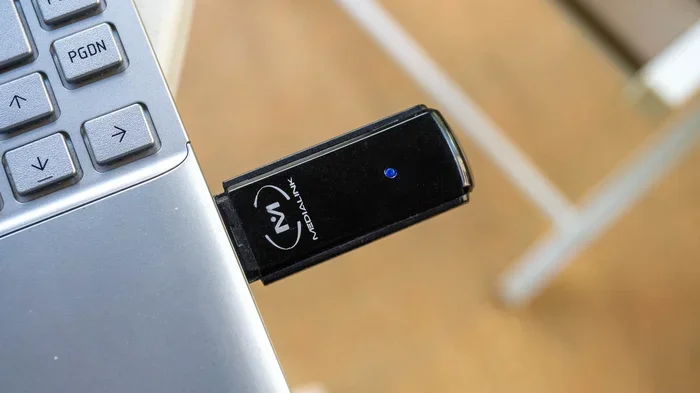
- Data-Only SIM Cards: SIM cards with no phone number, just data for tablets or hotspots.
- Smartphone Tethering: Sharing your phone’s data connection with other devices.
Each option lets you pay for mobile internet access on your own terms. You are not locked into a home internet contract. This flexibility is one of the biggest reasons mobile Wi-Fi plans have become so popular.
How Much Does It Cost to Pay for Mobile Wi-Fi?
The cost of mobile Wi-Fi plans varies a lot. Your price depends on the data amount, the provider, and the type of plan you pick. Let us break down the main pricing models so you know what to expect.
Monthly Subscription Plans
Monthly plans are the most common way to pay for mobile Wi-Fi. You pick a data amount and pay a fixed fee each month. Here is a general idea of what you will see:
- Basic Plans (1 GB to 5 GB): $15 to $30 per month. Good for light browsing and emails.
- Mid-Range Plans (10 GB to 20 GB): $30 to $55 per month. Works well for streaming and video calls.
- Unlimited Plans: $50 to $80 per month. Best for heavy users and families.
Most major carriers like Verizon, AT&T, T-Mobile, and MVNOs (Mobile Virtual Network Operators) offer these monthly mobile data plans. MVNOs often cost less because they use the same networks but skip the big-brand prices.
Pay-As-You-Go Options
Pay-as-you-go mobile Wi-Fi is perfect if you do not use the internet often. You buy data in small chunks and pay only for what you use. There is no monthly fee. You can buy data packs that last for a week or a month.
These plans usually cost between $5 and $25 per data pack. They are a great fit for travelers or people who only need occasional internet access. One popular option is buying a prepaid data SIM from a convenience store or online retailer.
Data-Only SIM Cards
A data-only SIM card gives you mobile internet without a phone number. You insert it into a hotspot device or a tablet, and you are online. These SIMs usually come with monthly data allowances.
Data-only SIM costs range from $10 to $60 per month, depending on the data size. Some providers even offer weekly or 30-day passes for short-term needs. This is a smart choice if you want a dedicated mobile broadband connection without extra phone features.
Types of Mobile Wi-Fi Devices
To use mobile Wi-Fi plans, you need a device that can connect to cellular networks and broadcast Wi-Fi. Here are the most common options.
Mobile Hotspot Devices
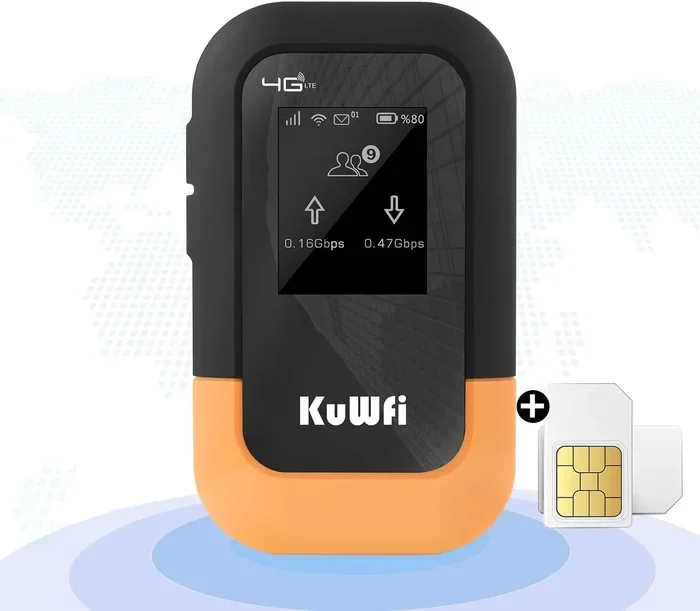
A mobile hotspot device is a small, pocket-sized gadget that creates a Wi-Fi network using cellular data. You turn it on, connect your laptop or tablet, and you are online. Popular brands include Huawei, Netgear, and TP-Link.
Most hotspot devices cost between $50 and $200. Some carriers offer them for free or at a discount when you sign up for a monthly data plan. These devices usually have long battery life, lasting 8 to 12 hours on a single charge.
Portable Wi-Fi Routers
Portable Wi-Fi routers are similar to hotspot devices but often offer better range and faster speeds. They can connect multiple devices at once, making them great for families or small groups.
You will pay between $80 and $300 for a good portable Wi-Fi router. Some models support 4G LTE and 5G networks, which means faster speeds in areas with strong coverage. Brands like GlocalMe and Skyroam are popular in this category.
Smartphone Tethering
Did you know your smartphone can act as a mobile Wi-Fi device? Tethering lets you share your phone’s data connection with other devices through Wi-Fi, Bluetooth, or a USB cable.
Most carriers allow tethering, but you need a plan that includes enough data. Tethering does not require any extra device, which makes it the cheapest way to get on-the-go Wi-Fi. Just keep an eye on your hotspot data usage so you do not hit your data cap too quickly.
Comparison: Mobile Wi-Fi Plan Types
Choosing the right plan can be tricky. Here is a quick comparison of the most common mobile Wi-Fi plan types.
| Plan Type | Avg. Monthly Cost | Data Amount | Best For |
|---|---|---|---|
| Monthly Subscription | $20 – $80 | 1 GB to Unlimited | Regular daily use |
| Pay-As-You-Go | $5 – $25 per pack | 500 MB to 5 GB | Infrequent users |
| Data-Only SIM | $10 – $60 | 1 GB to Unlimited | Tablet and hotspot users |
| Tethering (Phone) | Included in phone plan | Varies by plan | Occasional sharing |
As you can see, mobile Wi-Fi plans come in many shapes and sizes. Your best choice depends on how often you need internet and how much data you use.
How to Choose the Right Mobile Wi-Fi Plan
Not all mobile Wi-Fi plans are created equal. Picking the right one means understanding your needs and comparing options. Here are the key factors to consider.
Consider Your Data Needs
The first step is figuring out how much data you actually use. Hotspot data usage can add up fast, especially if you stream videos or download large files.
Here is a simple way to estimate your needs:
- Light Use (1-3 GB/month): Browsing, emails, and social media.
- Medium Use (5-15 GB/month): Streaming music, video calls, and occasional video watching.
- Heavy Use (20+ GB/month): HD streaming, gaming, and working from home on the go.
Most providers show their data cap limits clearly in the plan details. Going over your data cap usually means extra charges or slower speeds. So always pick a plan with a little extra buffer.
Check Coverage in Your Area
Even the cheapest mobile Wi-Fi plan is useless if you have no signal. Before you commit, check the cellular coverage map for your provider. Each carrier has different strengths in different areas.
For example, Verizon tends to have the widest rural coverage in the US, while T-Mobile often leads in urban areas. If you travel a lot, look for carriers with strong 4G LTE and 5G coverage across the regions you visit most.
Compare Providers and Plans
Do not just go with the first provider you find. Take time to compare mobile broadband plans from several companies. Look at the monthly cost, data limits, speed caps, and any hidden fees.
MVNOs (like Mint Mobile, Visible, and Cricket) often offer the same network quality at lower prices. They are a great way to get affordable mobile Wi-Fi without sacrificing performance.
Pros and Cons of Paid Mobile Wi-Fi
Like anything else, paid mobile Wi-Fi has its advantages and downsides. Let us look at both sides so you can make an informed decision.
Pros
- Freedom and Flexibility: You can connect to the internet anywhere with cellular coverage.
- No Fixed Contract: Many plans let you cancel or change without penalties.
- Multiple Device Support: One plan can connect your phone, laptop, and tablet at the same time.
- Security: You do not have to rely on public Wi-Fi networks, which can be risky.
Cons
- Monthly Costs: Even basic plans add up over time compared to free Wi-Fi.
- Data Limits: Most plans cap your data, and going over can be expensive.
- Device Costs: Hotspot devices can cost extra, especially premium models.
- Signal Dependence: Your connection depends on cellular tower coverage in your area.
Overall, the benefits of paid mobile Wi-Fi outweigh the drawbacks for most people who need reliable internet on the go.
Common Mistakes to Avoid
When shopping for mobile Wi-Fi plans, many people make avoidable mistakes. Here are the most common ones and how to steer clear of them.
Ignoring the Fine Print
Always read the plan details carefully. Some carriers advertise low prices but throttle your speed after a certain amount of data. Others hide activation fees or require a long-term contract. Reading the fine print saves you from surprise charges.
Overestimating Your Data Needs
It is easy to pick a plan with more data than you need. While unlimited plans sound great, they cost more every month. Track your data usage for a week or two before you commit. This helps you pick a plan that fits your real habits.
Forgetting About Hotspot Data Limits
Some phone plans give you data but limit how much you can use for tethering. If you plan to use your phone as a hotspot, make sure your plan supports unlimited hotspot data or at least a generous allowance.
Expert Tips for Saving Money on Mobile Wi-Fi
Paying for mobile Wi-Fi does not have to break the bank. Here are some expert-backed tips to keep your costs low.
Switch to an MVNO
MVNOs use the same networks as big carriers but at a fraction of the cost. Companies like Mint Mobile, Visible, and Boost Mobile offer affordable mobile data plans that rival the big names. You can save $20 to $40 per month by making the switch.
Buy Devices Off-Contract
If you need a mobile hotspot device, buy it outright instead of financing it through a carrier. Unlocked devices give you the freedom to switch providers anytime. They also tend to be cheaper in the long run.
Use Wi-Fi Whenever Available
Even with a portable Wi-Fi plan, you should lean on free Wi-Fi at home, work, coffee shops, and libraries. This reduces your cellular data usage and keeps your monthly bill low.
Monitor Your Usage
Most carriers offer apps or online tools to track your data consumption. Check your usage weekly. If you are consistently under your limit, you might be able to downgrade to a cheaper plan.
Look for Seasonal Deals
Carriers often run promotions during holidays, back-to-school seasons, and new device launches. Timing your purchase can save you a significant amount on both devices and plans.
Is Paying for Mobile Wi-Fi Worth It?
The answer depends on your lifestyle and internet needs. If you travel frequently, work remotely, or live in an area without reliable home broadband, mobile Wi-Fi plans are absolutely worth it. They give you a dependable connection that goes where you go.
On the other hand, if you mostly stay at home and have access to strong Wi-Fi, you might not need a dedicated mobile Wi-Fi plan. In that case, using your phone’s tethering feature when needed is a cost-effective alternative.
Either way, knowing your options puts you in control. You can choose the pay-for-mobile-Wi-Fi model that fits your budget and usage habits perfectly.
Final Thoughts
Can you pay for mobile Wi-Fi? Absolutely. The options are vast, the costs are flexible, and the convenience is hard to beat. Whether you pick a monthly subscription plan, a pay-as-you-go data pack, or a data-only SIM card, there is a solution for every need and budget.
Take the time to compare providers, check coverage, and understand your data habits. Small steps like these can save you money and keep you connected without any headaches. Mobile Wi-Fi plans are not just a luxury anymore. They are a practical tool for staying productive and entertained wherever life takes you.
Start exploring your options today. The right mobile Wi-Fi plan is out there waiting for you, and the best part is, you can switch anytime if the first one does not work out.
Frequently Asked Questions
Can I use a mobile Wi-Fi device without a contract?
Yes, many providers offer no-contract mobile Wi-Fi plans. You can buy prepaid data or pay-as-you-go plans without signing a long-term agreement. This gives you the freedom to change or cancel whenever you want.
How much data do I need for a mobile Wi-Fi plan?
It depends on your usage. Light users need about 1 to 3 GB per month, while heavy streamers may need 20 GB or more. Check your current data habits to find the right data allowance for mobile Wi-Fi.
Is tethering from my phone the same as a mobile Wi-Fi plan?
Tethering uses your phone’s data connection to create a Wi-Fi hotspot for other devices. It is essentially the same concept as a mobile Wi-Fi plan, but you do not need a separate device. Just make sure your phone plan includes tethering.
Can I use a mobile Wi-Fi device abroad?
Yes, many portable Wi-Fi devices work internationally. However, you may need to buy a local SIM card or add an international roaming plan. Check with your provider about global mobile broadband options before you travel.
Are there any hidden fees with mobile Wi-Fi plans?
Some plans may include activation fees, early termination fees, or equipment rental charges. Always read the full plan details before signing up. Choosing no-fee mobile Wi-Fi providers or prepaid options can help you avoid surprise costs.
What is the difference between a hotspot device and a portable Wi-Fi router?
A hotspot device is a small, single-user gadget that creates a Wi-Fi network from cellular data. A portable Wi-Fi router is slightly larger, offers better range, and can connect multiple devices at once. Both serve the same core purpose but differ in size and capacity.
=== CONCLUSION ===
Paying for mobile Wi-Fi plans is straightforward, affordable, and incredibly convenient. Whether you choose a budget pay-as-you-go option or an unlimited monthly package, the key is finding a plan that matches your real needs. Consider your data usage, check coverage in your area, and compare providers to get the best value. With the right mobile Wi-Fi plan, you stay connected without the hassle of home broadband. Start today, and enjoy the freedom of portable internet wherever you go.