Can You Get A Wireless Heater That Is Actually Worth It
Yes, you can get a wireless heater that delivers real warmth without tangled cords. Battery-powered and infrared models have come a long way, offering portable heat for small spaces. We break down the top options, what to watch for, and whether the cost is justified.
Can you get a wireless heater that is actually worth it? That is the question many people ask when they are tired of tripping over cords or looking for an outlet that is just out of reach. The short answer is yes. But the longer answer is more interesting.
Wireless heaters have grown in popularity over the last few years. People want warmth without wires. They want portability. They want something that just works. And manufacturers have listened. From small personal warmers to larger portable heater options, the market has expanded fast.
But not every wireless heater is created equal. Some deliver great heat. Others barely take the chill off. So how do you know which one is worth your money? That is exactly what we are going to cover in this guide.
We will look at how wireless heaters work, what types are available, what to watch out for, and whether buying one makes sense for your situation. Whether you need heat for a tent, a garage, or just your desk area, this guide has you covered.
Key Takeaways
- Wireless heaters exist: Battery-powered and infrared models offer cord-free warmth for tents, offices, and small rooms.
- They are not magic: Most wireless heaters work best in tight spaces and need recharging or battery swaps.
- Energy efficiency matters: Look for ceramic or infrared elements that heat up fast and hold warmth longer.
- Safety first: Even cordless heaters need proper placement and never leave them unattended.
- Cost vs. benefit: Some wireless heaters are pricey, but the convenience can be worth it for the right user.
📑 Table of Contents
- What Is a Wireless Heater and How Does It Work?
- Types of Wireless Heaters You Can Buy
- Pros and Cons of Wireless Heaters
- How to Choose the Right Wireless Heater
- Best Use Cases for Wireless Heaters
- Common Mistakes People Make with Wireless Heaters
- Are Wireless Heaters Worth the Investment?
- Final Thoughts
What Is a Wireless Heater and How Does It Work?
A wireless heater is a heating device that does not need to be plugged into a wall outlet. Instead, it runs on batteries, rechargeable cells, or sometimes fuel cells. This gives you the freedom to place it anywhere without worrying about finding a power source.
The technology behind these heaters varies. Some use infrared heat to warm objects and people directly. Others use ceramic elements or resistive coils. The method matters because it affects how fast you feel warm and how long the device lasts on a single charge or set of batteries.
Infrared Wireless Heaters
Infrared heaters use light waves to generate warmth. You have probably felt this type of heat from the sun or a campfire. It warms your skin and objects nearby without heating the entire room. This makes infrared models great for outdoor use or in spaces where you only need warmth in one spot.
These heaters are often the most efficient type of wireless heating device. They heat up fast and use less energy overall. Many outdoor enthusiasts love them for camping and tailgating.
Battery-Powered Electric Heaters
Battery-powered electric heater models run on rechargeable lithium-ion cells or replaceable batteries. They are common for personal use. Think of them like a big warm blanket you can carry with you.
These units usually work best in small spaces. A desk-sized battery operated heater can keep your hands warm during a cold workday. But do not expect one to heat an entire room.
Fuel-Based Wireless Heaters
Some portable heating devices use butane or other fuels. These are not strictly wireless in the electric sense, but they do not need a cord. They are popular for camping and outdoor events.
Fuel heaters can produce strong heat quickly. But they also need proper ventilation. Safety is always a concern with any open flame or fuel-based device.
Types of Wireless Heaters You Can Buy
Not all wireless heaters are the same. Different types serve different needs. Here is a closer look at the most common options on the market today.
Personal Desk Heaters
These are small, lightweight devices designed to warm your immediate area. They sit on your desk or lap and use a rechargeable battery or USB power. Many people use them in home offices where the central heating is too low.
A good personal cordless heater can make a huge difference in comfort. They are quiet, safe, and easy to move around. Look for models with adjustable heat settings and auto shut-off features.
Handheld Portable Warmers
Handheld warmers are the most basic form of wireless heating. They fit in your hand or pocket and provide targeted warmth. These are great for cold mornings, outdoor events, or even keeping your hands warm during a commute.
Most handheld warmers use rechargeable batteries. They are affordable and widely available. But they do not produce a lot of heat. Think of them as a supplement, not a replacement for a real space heater.
Outdoor Wireless Heaters
Outdoor wireless heaters are built for patios, decks, and camping trips. They often use infrared technology or propane fuel. These units are more powerful than personal desk warmers.
If you enjoy spending time outside in cold weather, an outdoor wireless heater can extend your comfort zone significantly. Many models are weather-resistant and designed to handle the elements.
Wireless Radiant Heaters
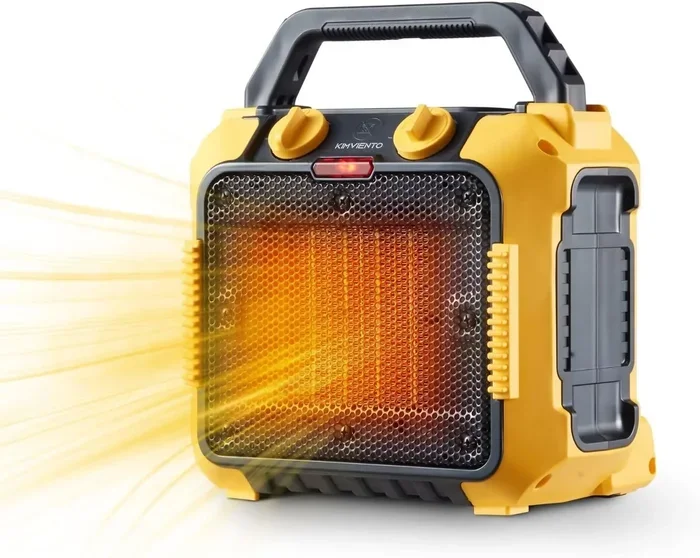
Radiant heaters emit heat waves that warm surfaces and people directly. A wireless radiant heater combines this technology with battery or rechargeable power. They are efficient and effective for small to medium spaces.
These heaters work well in workshops, garages, and tents. They heat up fast and do not waste energy warming the air you are not using.
Pros and Cons of Wireless Heaters
Every heating solution has trade-offs. Wireless heaters are no exception. Let us look at the real benefits and drawbacks so you can make an informed decision.
Advantages of Going Wireless
- Portability: You can move a wireless heater anywhere without worrying about cords or outlets.
- Safety: No dangling cords means fewer tripping hazards, especially in busy spaces or around kids and pets.
- Convenience: Charge it, place it, and enjoy warmth. No need to rearrange furniture to reach a wall outlet.
- Energy Efficiency: Many wireless models focus on radiant heat which warms you directly rather than wasting energy on empty air.
- Compact Design: Most wireless heaters are smaller and lighter than traditional plug-in models.
- Versatility: Use them indoors, outdoors, at your desk, or on the go.
Disadvantages to Consider
- Limited Run Time: Battery-powered heaters do not last as long as plug-in models. You may need to recharge or swap batteries frequently.
- Lower Heat Output: Most wireless heaters cannot match the raw power of a corded space heater.
- Higher Cost: Quality wireless heaters with good battery life tend to cost more than basic plug-in models.
- Charging Time: Rechargeable units can take hours to fully charge, which is inconvenient if you need heat right now.
- Small Coverage Area: Wireless heaters work best for personal warmth or small rooms. They are not ideal for heating large spaces.
How to Choose the Right Wireless Heater
With so many options available, picking the right wireless heater can feel overwhelming. Here are the key factors to consider before you buy.
Heat Output and Coverage
Check the wattage or BTU rating of the heater. Higher numbers mean more heat. But also consider the size of the space you want to warm. A small desk warmer needs much less power than a garage heater.
For personal use, look for a unit with at least 50 watts. For a small room, aim for 100 to 150 watts. Anything above that and you are getting into territory where a corded electric heater might make more sense.
Battery Life and Charging
Battery life is the make-or-break factor for most wireless heaters. Look for models that offer at least 4 to 6 hours of continuous heat on a single charge. Some premium models go longer.
Also check how long charging takes. A heater that needs 8 hours to charge but only runs for 3 hours is not very practical. Fast-charging models are a nice bonus.
Safety Features
No matter what type of heater you buy, safety should always come first. Look for these features:
- Auto shut-off: The heater turns off if it tips over or gets too hot.
- Cool-touch exterior: Prevents burns, especially in homes with children or pets.
- Overheat protection: Built-in sensors that prevent dangerous temperatures.
- Certifications: Look for UL, ETL, or CE marks that confirm the heater meets safety standards.
Portability and Weight
If you plan to carry your heater around, weight matters. A lightweight model that fits in a backpack or tote bag is ideal for camping or commuting. Heavier units are fine for a desk or garage where they stay in one place.
Price Range
Wireless heaters range from about $20 for basic handheld warmers to $200 or more for premium models with long battery life and strong heat output. Set a budget before you shop and focus on features that matter most to you.
Some people like to track their heater costs and energy usage over time. If you are one of them, you might want to use a simple tool for tracking your heater costs in a spreadsheet to compare how much each wireless model costs to run versus a traditional plug-in heater.
Best Use Cases for Wireless Heaters
Wireless heaters shine in specific situations. Here are some real-world scenarios where they are a great choice.
Home Office Comfort
If your home office gets cold in the winter, a small wireless desk heater can make your workday much more comfortable. You stay warm right where you sit without heating the whole room. This can also help you save on energy bills.
Camping and Outdoor Adventures
Campers and outdoor enthusiasts love wireless heaters. A portable infrared heater can warm your tent or campsite without the hassle of finding a power source. Just charge it before you leave and enjoy warmth all night.
Some campers even use their heaters to keep track of temperature readings in Excel to find the sweet spot for comfort without draining the battery too fast.
Workshops and Garages
Garages and workshops can be freezing in winter. A wireless radiant heater placed near your workbench gives you focused warmth where you need it most. You do not have to heat the entire garage just to work comfortably.
Emergency and Backup Heating
During power outages or emergencies, a battery-powered wireless heater can be a lifesaver. It does not depend on electricity, so it works even when the grid goes down. Just make sure you keep spare batteries or a charged power bank on hand.
Small Apartments and Dorm Rooms
Living in a small apartment or dorm room means every inch counts. A compact wireless heater takes up minimal space and can be moved from room to room. It is a great alternative to bulky traditional space heaters.
When comparing different heater setups for small spaces, you might want to organize your heater comparison data in Excel to see which wireless model offers the best value for your specific needs.
Common Mistakes People Make with Wireless Heaters
Even the best wireless heater will not work well if you use it wrong. Here are some common mistakes to avoid.
Expecting Too Much Heat
The biggest mistake is expecting a wireless heater to warm an entire house. These devices are designed for personal warmth or small spaces. If you need to heat a large room, a corded ceramic heater or central heating system is a better choice.
Ignoring Battery Care
Lithium-ion batteries degrade over time if you do not take care of them. Avoid letting the battery drain completely before recharging. Store the heater in a cool, dry place when not in use.
Skipping Safety Checks
Even wireless heaters can overheat. Always check that auto shut-off and overheat protection are working before each use. Never cover the heater or place it on soft surfaces like beds or couches.
Buying Cheap Without Research
A very cheap wireless heater might seem like a good deal. But low-quality models often have weak batteries, poor heat output, and questionable safety standards. Read reviews and buy from reputable brands.
Using Indoor Models Outdoors
Not all wireless heaters are rated for outdoor use. Using an indoor-only model outside can be dangerous and may void the warranty. Always check the manufacturer’s guidelines before taking your heater into the open.
Are Wireless Heaters Worth the Investment?
The honest answer depends on your needs. If you want warmth in a small space, on the go, or in places without outlets, a wireless heater is absolutely worth it. The convenience and portability are hard to beat.
But if you need to heat a large room or entire house, a traditional portable heater that plugs into the wall will give you more power for your money. Wireless heaters are a supplement, not a replacement for your main heating system.
Here is a quick comparison to help you decide.
- Wireless Heater Pros: Portable, safe, cordless, energy efficient for small spaces, great for outdoor use.
- Traditional Heater Pros: More powerful, longer run time, lower upfront cost, better for large rooms.
- Wireless Heater Cons: Limited battery life, lower heat output, higher cost per unit, smaller coverage area.
- Traditional Heater Cons: Corded, less portable, potential tripping hazard, fixed location.
If you value convenience and mobility over raw heating power, go wireless. If you need serious heat for a big space, stick with a traditional plug-in model. Many people actually own both and use them for different situations.
Some users find it helpful to maintain a log of their heater usage and costs. If you are one of them, consider keeping a detailed heater usage tracker in Excel to monitor which wireless model gives you the best return on investment.
Final Thoughts
So can you get a wireless heater that is actually worth it? The answer is a clear yes. The technology has improved dramatically, and there are now excellent options for every budget and need. Whether you need warmth at your desk, on a camping trip, or in a small workshop, there is a wireless heater out there for you.
Just remember to set realistic expectations. Wireless heaters are not meant to replace your home heating system. They are designed to provide targeted, portable warmth where and when you need it. Choose a model with good battery life, solid safety features, and the right heat output for your space.
Take the time to compare options. Read reviews. Check the battery specs. And do not be afraid to spend a little extra on quality. A good wireless heater will serve you well for years and bring a level of comfort and convenience that traditional heaters simply cannot match.
Stay warm, stay safe, and enjoy the freedom of cordless heat. You deserve to feel comfortable no matter where you are.
Frequently Asked Questions
Can a wireless heater heat an entire room?
Most wireless heaters are designed for personal warmth or small spaces. They work best in areas up to about 100 square feet. For larger rooms, a traditional plug-in heater is a better choice.
How long does a wireless heater run on a single charge?
Battery life varies by model and heat setting. Most wireless heaters run for 3 to 8 hours on a full charge. Lower heat settings will extend the battery life significantly.
Are wireless heaters safe to use indoors?
Yes, most wireless heaters are designed for indoor use. Look for models with auto shut-off, overheat protection, and cool-touch exteriors. Always follow the manufacturer’s safety guidelines.
Can I use a wireless heater while it is charging?
Some models allow you to use them while charging, but this is not universal. Check the product manual. Using a heater while charging may slow down the charging process and could affect battery life over time.
What is the best type of wireless heater for camping?
Infrared wireless heaters are the best choice for camping. They provide focused warmth, run efficiently on batteries, and are safe for use in tents. Look for models that are lightweight and weather-resistant.
How much does a good wireless heater cost?
Good quality wireless heaters typically range from $30 to $150. Basic handheld warmers are cheaper, while premium models with longer battery life and stronger heat output cost more. Set a budget based on your specific needs.
=== CONCLUSION ===
A wireless heater can be a fantastic addition to your comfort toolkit. They offer portability, safety, and convenience that traditional heaters simply cannot match. Whether you need warmth at your desk, on a camping trip, or in a small workspace, the right wireless heater makes a real difference.
Just remember that they work best for targeted heating in small to medium spaces. Manage your expectations, choose a quality model, and take care of the battery. With the right wireless heater, you will stay warm and cozy no matter where life takes you.