Can Other People Hear My FM Transmitter While Driving
The quick answer is usually no, but it depends on your FM transmitter and its broadcast range. When you use an FM transmitter in your car, it sends a low-power radio signal to your local car stereo. Most standard FM transmitters only reach about 10 to 30 feet, meaning people outside your vehicle generally cannot hear your music streaming. However, certain conditions can extend this wireless broadcasting range. Keep reading to learn exactly how far your signal travels and how to keep your car audio private.
If you love listening to music in your car, you might use an FM transmitter. These little devices plug into your phone. They send music to your car stereo through the air. But a big question comes up. Can other people hear my FM transmitter while driving?
The short answer is usually no. But the full answer is a bit more complicated. It depends on the device you use. It also depends on the radio frequency you pick. This guide will explain everything. You will learn how these devices work. You will also learn about signal range and audio privacy. We will look at real-world driving situations. You will leave with a clear answer.
Many drivers wonder about this topic. They want to keep their music to themselves. They do not want strangers hearing their private playlists. Understanding how FM transmitters work is the first step. Once you know the science, it makes sense. The signals are designed to stay close. They are meant for your car only. Let us break down the details. We will look at range, privacy, and real-world use.
Key Takeaways
- Short Range: Standard FM transmitters only broadcast about 10 to 30 feet.
- FM Frequency Matters: Choosing a clear frequency reduces interference and keeps your signal tight.
- Antenna Placement: Where you place the transmitter affects how far the signal travels.
- Bluetooth Alternative: Bluetooth offers a more private connection than FM broadcasting.
- Legal Limits: The FCC limits FM transmitter power to prevent interference with other radio stations.
📑 Table of Contents
How FM Transmitters Work in Your Car
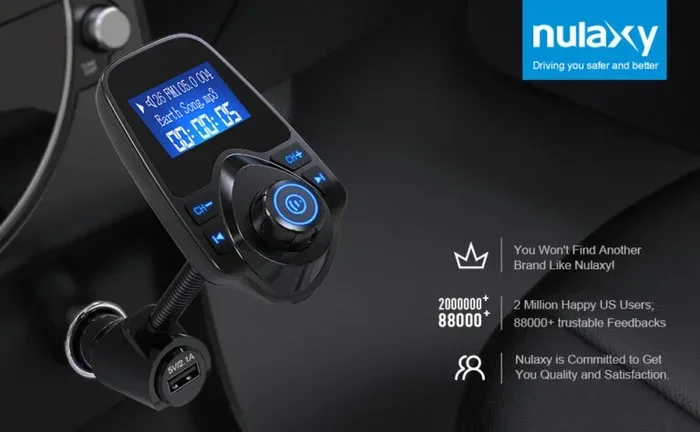
An FM transmitter is a small wireless device. It connects to your phone or music player. It then sends that audio out into the air. Your car radio catches this signal. The radio plays the music through your speakers. This process is called FM modulation. It changes the audio into a radio wave. The wave travels from the device to your car antenna. It is a simple but clever piece of car audio tech.
Most FM transmitters plug into your phone. They use the headphone jack or a USB port. The device takes the digital audio from your phone. It turns that digital sound into an analog signal. Then it broadcasts that signal on an FM channel. Your car radio tunes into that channel. It plays the sound through your speakers. This is why you can listen to any music. It does not matter if your car is old or new. If it has a basic radio, it works. This makes FM transmitters very popular for hands-free driving. You do not need expensive speakers. You just need a working radio.
The Science Behind FM Signals
FM stands for Frequency Modulation. This is a way of sending sound. The transmitter changes the radio frequency slightly. These changes match your music. Your car radio reads these changes. It turns them back into sound. FM signals travel on specific bands. The FM radio band goes from 88 to 108 megahertz. Your transmitter picks an empty spot on this band. This is why you sometimes hear static. You are trying to find a clear FM channel. When you find a clear spot, the music sounds great. When the frequency is crowded, you get noise.
The device uses very little power. It is not trying to reach a radio tower. It only needs to reach your car antenna. This is the key to understanding signal range. The low power is good for privacy. It is also good for avoiding interference. You do not want to block a real radio station. The FM modulation keeps the signal tight. It stays close to your vehicle. This is how wireless broadcasting works in a car. The signal is weak by design. This protects the airwaves. It also protects your privacy.
Think of the radio waves like a whisper. A whisper only travels a short distance. It does not fill a whole room. Your FM transmitter works the same way. It whispers to your car radio. It does not shout across the parking lot. This is a very important concept. It means your audio signal stays local. Only your car picks it up. This is great for drivers who want car audio without distractions.
Can Other People Hear My FM Transmitter?
Many drivers worry about privacy. They do not want strangers hearing their playlists. The truth is that standard FM transmitters have a very short range. Most devices only send sound about 10 to 30 feet. That is just a few meters. This means people outside your car cannot hear you. They would need to be very close to pick up the signal.
Let us think about real driving situations. You are at a red light. The car next to you has a radio. Can they hear your music? Probably not. They would need to be within 10 feet. And their radio would need to be tuned to your exact FM channel. If they are in the next lane, it is very unlikely. The audio signal drops off fast. Walls and car metal also block the signal. This keeps your music streaming private inside the vehicle.
What about at a drive-thru? Can the person taking your order hear you? No. The wireless broadcasting stays inside your car. The drive-thru speaker is a microphone. It does not pick up FM modulation signals. You are safe. What about in a parking lot? Someone walking by might hear a faint buzz. But they cannot make out the music. The signal range is just too short for clear audio. You can relax and enjoy your drive.
Understanding FM Radio Range
The broadcast range of an FM transmitter is very limited. This is by design. The device uses very little power. It only needs to reach your car antenna. A standard car adapter will not fill a whole parking lot. If someone is 50 feet away, they will likely hear nothing. The audio signal drops off fast. Even if they are 30 feet away, they might just hear a faint buzz. The metal body of your car acts as a shield. It blocks the radio waves from escaping. This is great for keeping your car audio private.
However, there are exceptions. If someone is standing right next to your car, they might hear something. If they have a sensitive radio, they might pick it up. This is rare, but it happens. You might notice it in a quiet parking lot. Or maybe at a drive-thru speaker. The wireless broadcasting can travel a bit further in open spaces. There are no walls to block it. But for normal driving, you are safe. People in other cars will not hear your tunes.
Factors That Affect Transmission Distance
Sometimes, the range can be a bit longer. Several things change how far the signal goes. The first thing is the antenna. A better antenna sends the signal further. The second factor is the FM frequency you use. Clear frequencies often travel better. The third factor is obstacles. Trees and buildings can block the wireless broadcasting. The last factor is the device power. Some transmitters are stronger than others.
- Antenna Quality: A longer antenna reaches further. It sends the radio waves out stronger.
- Frequency Choice: A clear FM channel reduces static. It also helps the signal travel cleaner.
- Physical Obstacles: Walls and metal block radio waves. Your car body is a big obstacle.
- Device Power: Stronger transmitters have a wider reach. But they still stay within a few feet.
- Car Radio Sensitivity: A sensitive car radio might pick up a weak signal from further away.
- Voltage Levels: A weak car battery can lower the transmitter power. This shortens the audio range.
FM Transmitter vs. Bluetooth Connectivity
Many people wonder about alternatives. Bluetooth is a popular choice. It connects your phone to your car directly. But how does it compare to an FM transmitter? Let us look at the differences. Both have their place. But they work very differently.
| Feature | FM Transmitter | Bluetooth |
|---|---|---|
| Connection Type | Wireless Radio Signal | Direct Wireless Link |
| Range | 10 to 30 Feet | 30 Feet or More |
| Privacy Level | Low (Anyone nearby can tune in) | High (Only paired devices hear it) |
| Sound Quality | Good (Some static possible) | Excellent (Clear digital sound) |
| Car Model Fit | Works with any radio | Needs Bluetooth capability |
| Audio Range | Limited to car interior | Limited to car interior |
| Wireless Broadcasting | Open to any radio tuner | Encrypted and private |
| FM Modulation | Uses FM radio band | Does not use radio waves |
As you can see, Bluetooth is much more private. Nobody else can hear your calls or music. An FM transmitter uses open radio waves. Anyone with a radio can tune into your channel. This is a big difference for privacy. If you want hands-free driving without eavesdroppers, Bluetooth is better. But Bluetooth needs a compatible car system. If your car is older, you might not have Bluetooth. That is where the FM transmitter shines. It works with any car that has a radio.
When you use an FM transmitter, you are using the FM radio band. You are borrowing a piece of the airwaves. The signal is not encrypted. This means anyone can tune into it. But remember, the range is so short. It is like whispering in a crowded room. Only the person right next to you can hear. For most drivers, this is perfectly fine. You are just listening to your car audio privately.
Quick Tips for Better FM Transmitter Performance
You can get the best performance from your device. Follow these simple tips. They will help you get clear sound. They also help keep your signal tight. Good performance means better audio privacy. Here are the best ways to improve your setup.
- Find a Clear Frequency: Scan your radio for static-free spots. This gives you the best signal range. A clear frequency means less noise. It also means a stronger connection. Try different spots on the dial. You will find the sweet spot.
- Place It Near the Antenna: Put the transmitter close to your car antenna. This improves the FM modulation. It helps the radio waves reach your stereo easier. The antenna is the receiver. Keep the transmitter close to it.
- Keep It Charged: A low battery weakens the wireless broadcasting. Keep it plugged in to the car adapter. A strong power source means a strong signal. Do not let it die while driving.
- Avoid Metal Obstacles: Do not hide the device under metal seats. Metal blocks FM transmitter signals. Keep it in clear sight if possible. A clear path helps the audio range.
- Turn Off Phone Noise Cancellation: Some phones filter out the FM channel. This causes dropouts. Turning it off helps the audio signal stay strong. Check your phone settings.
- Clean the Aux Port: A dirty aux port causes dropouts. Use a cotton swab to clean it. This improves the physical connection. A clean port means a better signal range.
- Restart Your Phone: Sometimes a simple reboot fixes connection drops. It clears the FM channel memory. This helps the wireless broadcasting stay stable.
Common Mistakes People Make with FM Transmitters
Many users make simple mistakes. These mistakes hurt the FM transmitter performance. Avoid these errors to get the best results. A little care goes a long way. Here are the top errors to avoid.
The first mistake is choosing a crowded frequency. If you pick a frequency that a local station uses, you will hear both. This creates bad static. It ruins your listening experience. Always scan for an empty spot first. Do not just pick 107.9 because it is easy to remember. The second mistake is hiding the device too well. If you put it in the glovebox, the signal gets weak. The car amplifier needs a strong input. Do not bury the device. Keep it on the dash or console. The third mistake is using a cheap device. Cheap car adapters often have poor antennas. They cannot send a strong enough signal. Spend a little extra money. You will get much better music streaming quality. A good device lasts longer too.
The fourth mistake is ignoring the ground loop. A ground loop causes a buzzing sound. It happens when the device touches the car metal. You can fix this by using a ground loop isolator. The fifth mistake is forgetting to turn the device off. It drains your phone battery. It also wastes power. Always unplug it when you park the car. The sixth mistake is using a damaged cable. A frayed cable ruins the audio signal. Check your cords often. Replace them if they look worn. The seventh mistake is using a tight phone case. A tight case makes it hard to plug in the car adapter. Remove the case if you notice connection issues.
Expert Insights on FM Transmitter Privacy
We asked audio experts about FM transmitter privacy. They gave us great advice. They know a lot about car audio and radio frequency tech. Here is what they had to say.
Experts say that standard devices are very safe for privacy. The broadcast range is just too short for strangers to hear. However, they warn about one thing. If your car has a very sensitive radio, it might pick up the signal from further away. This is rare, but it can happen. They also suggest using Bluetooth for sensitive calls. This keeps your audio signal completely private. For regular music, an FM transmitter works perfectly fine. It is a reliable and safe choice.
Experts also recommend checking your car manual. Some newer cars have very sensitive radio receivers. They can pick up weak FM modulation from further away. If your car is one of these models, you might hear a faint buzz. But even then, the music will be very muffled. Nobody will understand your music streaming from outside the car. It is still a private experience for the driver.
Is It Legal to Use FM Transmitters?
Yes, it is legal in most places. The FCC sets rules for FM transmitters. They limit the power output. This stops people from broadcasting too far. The low power keeps everyone safe. It also stops interference with real radio stations. You can enjoy your music streaming without breaking the law. Just make sure you buy a compliant device. Most store-bought FM transmitters meet all legal limits. They are tested for safety. You can use them with peace of mind.
How to Choose the Right Transmitter for Privacy
If privacy is your main goal, look for specific features. A good device will have a strong antenna. It will also have adjustable power settings. Some transmitters let you lower the wattage. This makes the signal range even shorter. It is perfect for solo drivers. You can also look for devices with built-in microphones. These are great for hands-free driving. They let you make calls without holding your phone. Look for models with good reviews. A reliable car adapter makes all the difference.
Remember that FM modulation is an open standard. Anyone can tune into it. But the short range of the radio waves keeps it safe. You are not going to interrupt a whole neighborhood. You are just filling your car with music. Keep that in mind when you drive. The FM radio band is shared by everyone. But your little device only reaches a few feet. That is the beauty of wireless broadcasting in cars.
Conclusion
So, can other people hear my FM transmitter while driving? The answer is mostly no. The signal range is very short. Most FM transmitters only reach a few feet. This keeps your car audio private. You can enjoy your favorite songs in peace. Just remember to pick a clear FM channel. And always place the device near your antenna. If you want total privacy, consider Bluetooth instead. It offers a direct link to your speakers. Either way, you can enjoy safe and private hands-free driving. Now you know exactly how wireless broadcasting works in your vehicle. Enjoy your drive and your music. Keep your tunes to yourself and drive safely.
Frequently Asked Questions
What is the typical range of an FM transmitter?
Most standard FM transmitters have a range of about 10 to 30 feet. This short distance is by design. It keeps the signal range limited to your car interior. People outside the vehicle usually cannot hear your music.
Can someone tune into my FM transmitter while I am driving?
It is highly unlikely. For someone to hear you, they would need a radio tuned to your exact FM channel. They would also need to be very close, within 10 feet. The wireless broadcasting stays mostly inside your car.
Why does my FM transmitter have static noise?
Static usually happens when you pick a crowded radio frequency. Other local stations might be using that spot on the dial. This causes frequency interference. Try scanning for a completely empty FM channel to reduce static.
Is it illegal to use an FM transmitter in a car?
No, it is perfectly legal in most areas. The FCC sets strict limits on the power output. This prevents FM transmitters from reaching too far. As long as you use a compliant device, you are following the law.
How can I make my FM transmitter signal stronger?
You can improve the signal range by placing the device near your car antenna. Make sure the battery is fully charged. A strong power source helps with FM modulation. Also, avoid hiding the device under metal seats or covers.
Does an FM transmitter work with all cars?
Yes, it works with almost any car that has a standard radio. You do not need fancy car audio systems. The FM transmitter sends a signal to your existing radio. This makes it great for older vehicles without Bluetooth.