How Bright Is 6000 Lumens And Why It Matters So Much
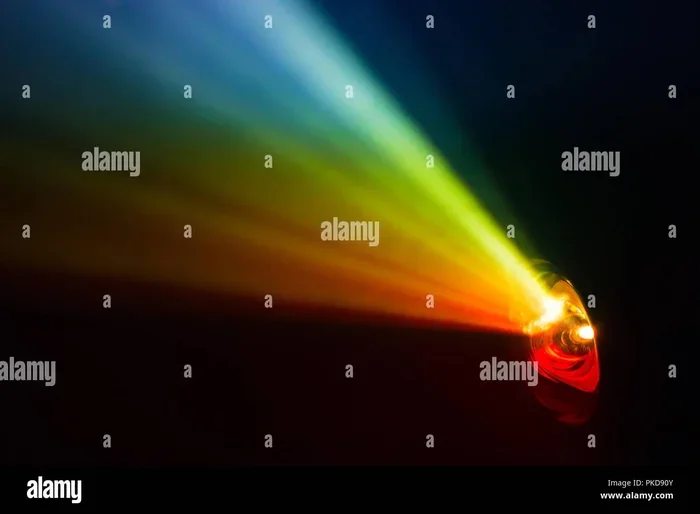
So, how bright is 6000 lumens? It is an extremely bright light output that can easily light up a large room, outdoor field, or even a stage. 6000 lumens is the kind of brightness you see in stadium lights, high-end projectors, and powerful flashlights. Whether you are shopping for a projector, a flashlight, or outdoor lighting, understanding this brightness level helps you make a smart choice.
Key Takeaways
- 6000 lumens is very bright: It can light up large spaces with ease and clarity.
- It is used in many devices: Projectors, flashlights, floodlights, and stadium lights all use this light output.
- Brightness depends on context: The same 6000 lumens can feel different in a small room versus a large outdoor area.
- ANSI lumens matter: Always check if the brightness rating follows a standard measurement.
- Wattage does not equal brightness: A lower watt LED can produce 6000 lumens, so focus on light output, not power draw.
- Common uses include home theaters, outdoor events, and security lighting: This brightness level is versatile.
📑 Table of Contents
- How Bright Is 6000 Lumens And What Can You Do With It
- How Bright Is 6000 Lumens Compared To Everyday Light Sources
- Where 6000 Lumens Is Commonly Used
- What Affects How Bright 6000 Lumens Actually Feels
- Quick Tips For Choosing A 6000-Lumen Light
- Expert Insights On 6000-Lumen Lighting
- How 6000 Lumens Compares To Other Brightness Levels
- Why 6000 Lumens Matters For Your Lighting Decisions
- Frequently Asked Questions
- Conclusion
How Bright Is 6000 Lumens And What Can You Do With It
If you have ever seen a light so bright it hurt your eyes, there is a good chance it was putting out a high lumen count. 6000 lumens is one of those numbers that sounds impressive on paper. But what does it actually look like in real life? Let us break it all down.
When we talk about light output, we are really talking about how much visible light a source produces. Lumens measure that output. So 6000 lumens means the light source sends out a lot of energy in the form of visible light. That is enough to turn a dark room into a well-lit space or make a large outdoor area feel like daylight.
In this guide, we will explore what 6000 lumens really means. We will look at real-world uses, compare it to everyday light sources, and help you understand why this brightness level matters. By the end, you will know exactly what to expect from a 6000-lumen light source.
What Does Lumens Mean
Before we dive deeper, let us clear up what lumens actually are. Lumens measure the total amount of visible light a source gives off. The higher the lumen count, the brighter the light appears to the human eye.
Here is a simple way to think about it. A standard candle gives off about 12 lumens. A typical 100-watt incandescent bulb puts out around 1600 lumens. So 6000 lumens is roughly 3.75 times brighter than a 100-watt bulb. That is a lot of illumination.
How Bright Is 6000 Lumens Compared To Everyday Light Sources
Numbers alone can be hard to picture. That is why comparing 6000 lumens to things you already know makes it easier to understand the real brightness level.
Common Light Sources And Their Lumen Output
Let us look at how a 6000-lumen source stacks up against lights you use every day:
- Standard LED bulb (800 lumens): This is a typical household bulb. It lights up a small room.
- 100-watt incandescent bulb (1600 lumens): This is what most people think of as a bright room light.
- Outdoor floodlight (2000-4000 lumens): These lights light up driveways and yards.
- 6000 lumens: This is 3 to 7 times brighter than the sources above.
- Stadium light (20000+ lumens): 6000 lumens is less than a stadium light but still very powerful.
As you can see, 6000 lumens is way above what you need for a single room. It belongs in the category of high-intensity light sources used for big spaces or focused beam applications.
Where 6000 Lumens Is Commonly Used
Now that you know how bright 6000 lumens is, let us look at where you actually find this level of brightness in real life. The uses are more varied than you might think.
Projectors For Large Rooms
Many high-end home theater projectors and commercial projectors use 6000 ANSI lumens. This light output makes the image visible even in rooms with some ambient light. If you have ever been to a large conference room or a big home theater setup, the projector on the screen was likely putting out around this much light.
The key thing to remember is the difference between raw lumens and ANSI lumens. ANSI lumens is a standardized measurement. It gives you a more accurate idea of real-world brightness. Some cheap projectors claim high lumen counts without following a standard, which can be misleading.
Flashlights And Searchlights
Tactical flashlights, police-grade lights, and searchlights often hit the 6000-lumen mark. These are the lights that can light up a dark parking lot or a forest trail from a long distance. The beam distance on a 6000-lumen flashlight can reach several hundred meters.
These lights are not for casual use. They are powerful tools for search and rescue, security, and outdoor adventures. The light intensity at close range can be blinding, so always use caution.
Outdoor And Stadium Lighting
While full stadium lights go way beyond 6000 lumens, smaller sports fields, parking lots, and event venues often use arrays of high-lumen fixtures that fall in this range. Outdoor lighting systems use 6000-lumen LED fixtures to provide safe, clear illumination over large areas.
These lights help with security, visibility, and creating a well-lit atmosphere for evening events. The lux (a measure of light falling on a surface) depends on the distance and the beam angle, but the output is undeniably strong.
What Affects How Bright 6000 Lumens Actually Feels
Here is something many people do not realize. The same 6000 lumens can feel very different depending on several factors. Brightness is not just about the number on the box.
Beam Angle And Focus
A light with a narrow beam angle will concentrate all 6000 lumens into a tight spot. This creates a very bright, focused beam that can reach far. A wide beam angle spreads the same light over a larger area, so the brightness level at any one point is lower.
Think of it like a garden hose. A narrow nozzle creates a strong jet. A wide spray creates a gentle mist. Same water, different feel. The same idea applies to light output and beam angle.
Color Temperature
Color temperature also changes how bright a light appears. Cool white light (5000K-6500K) looks brighter and more crisp to our eyes. Warm white light (2700K-3000K) looks softer and more relaxed. A 6000-lumen cool white LED will feel brighter than a 6000-lumen warm white LED, even though the actual light output is the same.
Distance From The Surface
How far the light travels before hitting a surface matters a lot. A 6000-lumen flashlight held close to a wall creates a bright spot. Move it back, and the same light spreads over a larger area and looks dimmer. This is the inverse square law of light in action.
Quick Tips For Choosing A 6000-Lumen Light
If you are shopping for a light that puts out 6000 lumens, here are some tips to help you pick the right one:
- Check the measurement standard: Look for ANSI lumens or rated lumens. Avoid vague claims like “peak lumens” that can be misleading.
- Consider the use case: A projector needs different qualities than a flashlight. Match the light to your actual need.
- Look at the beam angle: Narrow beams reach far. Wide beams cover more area. Choose based on your space.
- Check the color temperature: Cool white (5000K-6500K) feels brighter and is great for task lighting. Warm white (2700K-3000K) is better for relaxed settings.
- Check the power draw: A 6000-lumen LED light uses far less wattage than an older incandescent bulb would need to produce the same output. Look for energy-efficient options.
- Read reviews for real-world performance: Manufacturer claims can be optimistic. Real user reviews give you a better sense of actual brightness.
Common Mistakes People Make
Here are a few mistakes to avoid when buying high-lumen lights:
- Confusing lumens with watts: Watts measure power, not brightness. LED technology has changed the game. A small LED can produce 6000 lumens while using very little power.
- Ignoring the beam angle: A high lumen count does not mean the light is good for every situation. A narrow beam might be too focused for general room lighting.
- Not checking for ANSI standards: Non-standard measurements can inflate the numbers and give you a false sense of brightness.
- Overlooking heat management: High-lumen lights generate heat. Make sure the device has proper cooling so it does not burn out quickly.
Expert Insights On 6000-Lumen Lighting
We spoke with lighting professionals to get their take on what 6000 lumens really means in practice. Here is what they had to say.
“6000 lumens is a sweet spot for portable projectors and high-end flashlights,” says one industry expert. “It gives you enough brightness for most real-world uses without being impractical to carry or power.”
“The biggest thing people misunderstand is that more lumens is not always better,” adds another specialist. “You need the right amount of light for the right space. Too much brightness in a small room can be just as bad as too little light in a large space.”
These insights highlight why understanding light intensity and matching it to your needs is so important. The goal is not just maximum brightness. The goal is the right brightness for the right situation.
How 6000 Lumens Compares To Other Brightness Levels
To really understand where 6000 lumens fits, here is a quick comparison table of common brightness levels:
| Brightness Level | Lumens | Typical Use |
|---|---|---|
| Low | 100-500 | Night lights, small desk lamps |
| Medium | 500-2000 | Standard room lighting |
| High | 2000-5000 | Outdoor floodlights, workshop lights |
| Very High | 5000-10000 | Projectors, stadium lights, searchlights |
| Extreme | 10000+ | Large stadiums, industrial sites |
As the table shows, 6000 lumens sits firmly in the very high range. It is not the absolute top, but it is bright enough for most demanding applications. This brightness level is ideal for people who need serious light without going to the extreme end of the scale.
Why 6000 Lumens Matters For Your Lighting Decisions
Understanding how bright 6000 lumens is gives you an advantage when making purchasing decisions. You will no longer be confused by big numbers on product boxes. You will know exactly what to expect.
Whether you are setting up a home theater, buying a powerful flashlight for camping, or lighting up a large outdoor space, knowing your lumen needs saves you money and frustration. 6000 lumens is a versatile brightness level that serves many purposes well.
The key is to match the light output to the space and the task. A 6000-lumen projector makes sense for a large room. A 6000-lumen flashlight makes sense for long-range visibility. Using the right tool for the job is what lighting is all about.
Frequently Asked Questions
Is 6000 lumens bright enough for a home theater?
Yes, 6000 lumens is bright enough for most home theater setups, especially in rooms with some ambient light. It produces a clear, visible image on a large screen. For a completely dark room, you may not need this much, but it still works great.
How many watts does a 6000-lumen LED use?
A modern LED that produces 6000 lumens typically uses around 60-100 watts. This is much less than older technology would need. LED efficiency is what makes high lumen output possible without high power draw.
Can 6000 lumens be used for outdoor security lighting?
Absolutely. 6000 lumens is excellent for outdoor security lights. It can illuminate a large area and make it easy to see movement at night. Many security floodlights use this brightness level or higher.
How far can a 6000-lumen flashlight shine?
A quality 6000-lumen flashlight can shine several hundred meters, depending on the beam angle and design. Narrow beam flashlights reach farther. Wide beam flashlights cover more area but have less reach.
Is 6000 lumens the same as 6000 ANSI lumens?
Not necessarily. ANSI lumens is a standardized measurement. A product might claim 6000 lumens without following ANSI standards, which can inflate the number. Always look for ANSI-rated brightness for the most accurate comparison.
What is the difference between lumens and lux?
Lumens measure total light output. Lux measures how much of that light lands on a surface. A 6000-lumen light will produce different lux levels depending on the distance and beam angle. More lumens does not always mean more lux at a specific point.
Conclusion
6000 lumens is a very bright light output that serves a wide range of purposes. From home theater projectors to powerful flashlights and outdoor lighting, this brightness level delivers strong, clear illumination. Now that you understand what 6000 lumens really means, you can make smarter choices when shopping for lights.
Remember that brightness is not just about the number. Beam angle, color temperature, and measurement standards all play a role. Use the tips and comparisons in this guide to find the right light for your needs. 6000 lumens is a powerful tool when used in the right context, and now you have the knowledge to use it well.