All Dsl Advantages And Disadvantages You Should Know
DSL advantages and disadvantages make it a unique choice for home internet. DSL uses existing telephone lines to deliver a broadband connection that is reliable and affordable. However, distance from the exchange and speed limitations can be drawbacks for some users. Understanding both sides helps you pick the right internet for your needs.
When you think about getting home internet, the options can feel overwhelming. Cable, fiber, satellite, and DSL advantages and disadvantages all compete for your attention. Among these, Digital Subscriber Line technology has been around for decades and still serves millions of households worldwide.
Understanding the DSL advantages and disadvantages helps you make a smart choice. You might be surprised to learn that DSL still holds strong in many areas where newer technologies have not reached yet. Let us dive deep into what makes DSL tick and whether it is the right fit for your home or business.
Key Takeaways
- Affordable and widely available: DSL uses existing phone lines, making it cheaper and easier to access than fiber optic or cable options.
- Stable connection: DSL offers consistent connection stability since it uses a dedicated data transmission line that does not compete with cable TV.
- Speed depends on distance: The farther you are from the provider’s hub, the slower your internet speed will be.
- Not ideal for heavy uploaders: Most DSL plans have much lower upload speed compared to download speed.
- Great for basic to moderate use: DSL works well for browsing, streaming, and video calls but may struggle with multiple heavy users.
- DSL vs fiber vs cable: Each has its place. DSL wins on cost and availability, fiber wins on speed, and cable sits in between.
📑 Table of Contents
What Is DSL and How Does It Work?
DSL stands for Digital Subscriber Line. It is a type of broadband connection that uses existing telephone lines to deliver internet access. Unlike dial-up internet from the old days, DSL allows you to use the internet and make phone calls at the same time. That is a huge convenience.
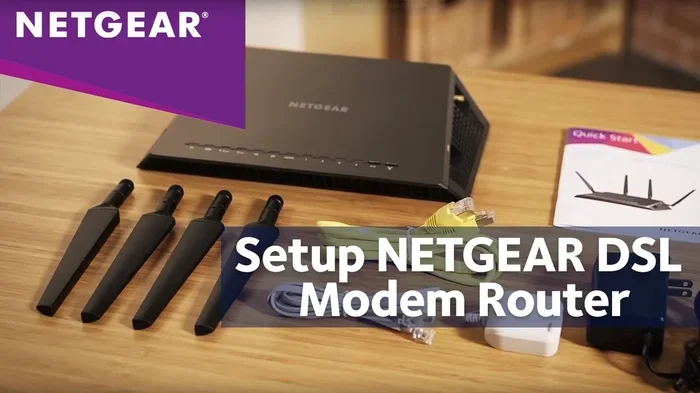
The technology works by sending data transmission signals over copper wires. These copper wires are the same ones that carry your telephone calls. A DSL modem connects to the wall jack and translates those signals into the internet data your devices can use.
Types of DSL Connections
Not all DSL is the same. There are several types, and each has its own strengths:
- ADSL (Asymmetrical Digital Subscriber Line): This is the most common type. It offers faster download speed than upload speed. Most home users prefer ADSL because they download more than they upload.
- SDSL (Symmetric Digital Subscriber Line): SDSL provides equal upload speed and download speed. Businesses often choose SDSL because they need balanced performance for hosting servers or video conferencing.
- VDSL (Very High Bit Rate DSL): VDSL is faster than standard ADSL but works only over short distances. It is often used in fiber-to-the-node setups where fiber reaches a local hub and copper completes the last stretch to your home.
Each type has different bandwidth capabilities. Your internet service provider will determine which type is available in your area. The type you get directly affects your internet speed and overall experience.
Top DSL Advantages You Should Know
DSL has many strengths that make it a popular choice for millions of people. Let us look at the biggest DSL advantages in detail.
1. Wide Availability
One of the biggest DSL advantages is that it is available almost everywhere. Because it uses existing telephone lines, most homes and businesses already have the infrastructure needed. You do not need new cables or wiring to get started.
In rural and suburban areas, DSL is often the only broadband connection option. While fiber optic and cable may not have reached these areas yet, DSL usually has. This makes it a lifeline for people who live far from city centers.
2. Affordable Pricing
DSL plans tend to be cheaper than cable or fiber options. Since the infrastructure is already in place, internet service providers do not need to spend as much on installation. These savings get passed on to you.
For budget-conscious households, DSL offers a reliable broadband connection without breaking the bank. Many providers offer DSL plans starting at around $20 to $40 per month. That is very competitive compared to other options.
3. Consistent Connection Stability
DSL provides a dedicated data transmission line. This means your connection does not compete with your neighbors for bandwidth the way cable internet does. When your neighbor is streaming a movie, it does not slow down your connection.
This dedicated line leads to excellent connection stability. You experience fewer dropouts and less fluctuation in speed. For people who work from home or attend online classes, this reliability is invaluable.
4. Low Latency
Latency is the time it takes for data to travel from your device to a server and back. DSL has relatively low latency compared to satellite internet. This makes it better for real-time activities like video calls, online gaming, and VoIP phone calls.
While fiber optic has even lower latency, DSL still performs well enough for most everyday tasks. You will not notice significant delays when browsing the web or having a video conference.
5. No Phone Line Required
Modern DSL does not require an active telephone service. You can have internet-only DSL without paying for a phone line. The telephone line carries the internet signal, but you do not need to use it for calls.
This is a common misconception that keeps some people from considering DSL. In reality, the phone jack in your wall can serve double duty as an internet connection point.
6. Security Benefits
DSL connections are inherently more secure than some other types of broadband connection. The dedicated line means your data does not travel through shared networks the way cable does. This reduces the risk of interception from neighbors on the same network.
Additionally, DSL connections are less vulnerable to certain types of cyber attacks that target shared infrastructure. While no connection is 100% secure, DSL provides a solid baseline of protection for home users.
Key DSL Disadvantages to Consider
Now let us look at the other side of the coin. Understanding the DSL disadvantages is just as important as knowing the advantages. Here are the main drawbacks you should be aware of.
1. Speed Limitations
The most significant DSL disadvantage is speed. Standard DSL typically maxes out at around 100 Mbps for download. While that is enough for most households, it falls far behind fiber optic plans that can deliver 1 Gbps or more.
If you have a large family where multiple people stream, game, and work from home simultaneously, DSL might feel slow. The bandwidth limitations become more noticeable as more devices connect to the network.
2. Distance Sensitivity
DSL performance degrades with distance. The farther your home is from the provider’s central office or exchange, the weaker the signal becomes. This means your internet speed drops the further you live from the hub.
People in rural areas or on the outskirts of town often experience the worst effects of this distance problem. You might pay for a 50 Mbps plan but only receive 15 Mbps in practice.
3. Asymmetrical Speeds
Most DSL plans, especially ADSL, have much faster download speed than upload speed. While this works fine for casual browsing and streaming, it can be frustrating for people who need to upload large files or host video streams.
For content creators, remote workers who share large documents, or anyone who runs a home server, the low upload speed of standard DSL can be a real pain point.
4. Copper Wire Vulnerability
DSL relies on copper wire infrastructure. Copper is susceptible to interference from electrical storms, nearby power lines, and even old or damaged wiring. This can lead to intermittent connection issues.
Unlike fiber optic cables, which use light signals and are immune to electromagnetic interference, copper wires can pick up noise and degrade signal quality. This affects connection stability during bad weather conditions.
5. Limited Future-Proofing
DSL technology has been around since the 1980s. While improvements have been made, the fundamental technology is aging. Many internet service providers are investing in fiber optic networks instead of upgrading DSL infrastructure.
This means DSL may not keep pace with growing internet demands. What works fine today might feel outdated in a few years as more devices connect to the internet and data-hungry applications become the norm.
DSL vs Other Internet Types: A Comparison
To truly understand where DSL fits, it helps to compare it directly with other internet types. Here is a breakdown of how DSL advantages and disadvantages stack up against the competition.
Comparison Table
| Feature | DSL | Cable | Fiber Optic | Satellite |
|---|---|---|---|---|
| Typical Download Speed | 10-100 Mbps | 50-1000 Mbps | 250-940 Mbps | 12-100 Mbps |
| Typical Upload Speed | 1-10 Mbps | 5-50 Mbps | 250-940 Mbps | 3-5 Mbps |
| Latency | Low to Medium | Low to Medium | Very Low | High |
| Availability | Very High | Moderate | Growing | Universal |
| Monthly Cost | $20-$50 | $30-$70 | $50-$100 | $50-$150 |
| Connection Stability | High | Medium | Very High | Medium |
| Weather Sensitivity | Moderate | Low | Very Low | High |
As you can see, each type has its place. DSL occupies the affordable and widely available niche. It is not the fastest, but it is reliable and accessible. For many households, that balance is exactly what they need.
Who Should Choose DSL?
Not everyone needs the fastest internet in the world. Understanding who benefits most from DSL advantages and disadvantages can help you decide if it is right for you.
Best Candidates for DSL
- Budget-conscious households: If you want a reliable internet connection without a high monthly bill, DSL is hard to beat.
- Light to moderate users: If your internet use involves browsing, email, social media, and occasional streaming, DSL handles these tasks with ease.
- Rural and remote areas: Where fiber and cable are not available, DSL often is. It provides a broadband connection where nothing else is an option.
- Seniors and retirees: Simple plans, affordable pricing, and easy setup make DSL a great choice for older adults who do not need cutting-edge speeds.
- Secondary homes or vacation properties: If you need basic internet at a cabin or second home, DSL is often the most practical and affordable option.
Who Should Look Elsewhere?
On the other hand, certain users should consider other options:
- Heavy gamers: If you need ultra-low latency and high upload speed for competitive gaming, fiber optic is a better choice.
- Large households with many users: Multiple people streaming 4K video, gaming, and working from home simultaneously will push DSL to its limits.
- Content creators and remote workers: If you regularly upload large video files or host video conferences all day, the low upload speed of DSL will frustrate you.
- Smart home enthusiasts: Homes with dozens of connected devices may need the higher bandwidth that cable or fiber provides.
Getting the Most From Your DSL Connection
If you decide that DSL is right for you, there are steps you can take to maximize your internet speed and overall experience. Here are some practical tips.
1. Use a Quality DSL Modem
The modem that comes with your plan may not be the best one available. Investing in a high-quality DSL modem can improve your connection stability and speed. Look for modems that support the latest DSL standards like VDSL or ADSL2+.
2. Keep Your Distance in Mind
If you live far from the provider’s exchange, your speeds will suffer. Ask your internet service provider what speed tier you can realistically expect at your address. Sometimes paying for a higher tier does not help much if distance is a limiting factor.
3. Use a Router with QoS Features
Quality of Service (QoS) settings on your router let you prioritize certain types of traffic. You can set video calls or gaming to take priority over background downloads. This helps you get the most out of your DSL advantages even when the bandwidth is limited.
4. Keep Wiring in Good Condition
Old or damaged copper wire can significantly degrade your DSL signal. Have your telephone line wiring checked if you notice frequent dropouts or slow speeds. Sometimes a simple wiring upgrade can make a noticeable difference.
5. Consider a Combined Plan
Many providers offer bundled packages that include DSL internet, phone service, and even TV. If you use all three services, a bundle can save you money and simplify your billing. Just make sure you are not paying for services you do not need.
The Future of DSL
The internet landscape is constantly evolving. Fiber optic networks are expanding rapidly, and 5G wireless technology is becoming more viable. Does this mean DSL is on its way out?
Not necessarily. DSL will likely remain a staple in areas where newer technologies have not yet reached. For many households, especially in rural regions, DSL is still the best available option. Providers continue to optimize DSL technology, pushing speeds higher and improving connection stability.
However, if you have the option to upgrade to fiber, it is worth considering. Fiber offers superior internet speed, better upload speed, and greater future-proofing. DSL serves its purpose well, but it is not the destination for the future of home internet.
Final Thoughts on DSL Advantages and Disadvantages
The DSL advantages and disadvantages paint a clear picture. DSL is affordable, widely available, and reliable. It uses existing infrastructure to deliver a solid broadband connection to millions of homes. For casual users and budget-conscious households, it remains an excellent choice.
On the other hand, speed limitations, distance sensitivity, and aging infrastructure are real concerns. If you need blazing-fast speeds, heavy upload capabilities, or cutting-edge technology, you may want to look beyond DSL.
Ultimately, the best internet choice depends on your specific needs, location, and budget. Weigh the DSL advantages and disadvantages carefully against your usage habits. Whether you choose DSL or another technology, the goal is the same: a reliable internet connection that fits your life.
Take the time to compare plans, read reviews, and talk to your neighbors about their experiences. The right choice is the one that keeps you connected without breaking the bank. And for many people, that is exactly what DSL delivers.
Frequently Asked Questions
Is DSL still a good internet option in 2024?
Yes, DSL is still a solid choice for many households. It offers reliable connection stability and affordable pricing. If you do not need ultra-high speeds and live in an area where DSL is available, it remains a practical and cost-effective option for everyday internet use.
Can I use DSL and phone service at the same time?
Absolutely. Modern DSL uses a splitter that separates the internet signal from the voice signal. You can browse the web and make phone calls simultaneously without any interference. This is one of the most convenient DSL advantages that many people appreciate.
How does DSL speed compare to fiber optic?
Fiber optic is significantly faster than DSL. While standard DSL typically offers 10 to 100 Mbps, fiber can deliver speeds of 250 Mbps to 1 Gbps or more. Fiber also provides much better upload speed and lower latency. However, fiber is not available everywhere, and DSL fills that gap.
Does weather affect DSL performance?
Yes, but only to a moderate degree. Copper wire infrastructure used by DSL can be affected by electrical storms and heavy rain. However, the impact is usually minor compared to satellite internet, which suffers much more from weather-related disruptions.
What is the difference between ADSL and SDSL?
ADSL (Asymmetrical Digital Subscriber Line) offers faster download speed than upload speed, making it ideal for home users. SDSL (Symmetric Digital Subscriber Line) provides equal speeds in both directions, which is better suited for businesses that need balanced data transmission performance.
Can I upgrade my existing DSL plan to get faster speeds?
In many cases, yes. Check with your internet service provider about available speed tiers. Sometimes you can upgrade from ADSL to VDSL if your distance from the exchange allows it. Keep in mind that physical distance from the provider’s hub is the biggest factor in determining what speeds you can achieve.