Top Examples Of Mobile Commerce To Boost Your Business
Examples of mobile commerce show how businesses sell products and services through mobile devices. From retail shopping apps to digital wallets, these real-world cases reveal what drives sales and customer engagement. This guide breaks down the top mobile commerce models you can use to grow your business today.
Examples of mobile commerce are everywhere you look today. From buying coffee with your phone to shopping for clothes on a train, mobile commerce examples are changing how we spend money. The global m-commerce market keeps growing, and businesses of all sizes are jumping on board. If you run a business or work in digital marketing, understanding these examples is essential.
This article breaks down the top examples of mobile commerce you can learn from. We will explore real mobile apps, payment systems, and shopping strategies that actually work. You will see how brands use mobile commerce platforms to reach customers and boost sales. By the end, you will have a clear picture of what works and how you can apply these ideas to your own business.
Mobile commerce, often called m-commerce, covers all buying and selling done through mobile devices. This includes shopping apps, mobile payments, social media stores, and even banking services. The beauty of m-commerce is its simplicity. Customers can browse, buy, and pay in seconds without ever sitting at a desk. Let us dive into the most powerful examples of mobile commerce that are shaping the future of online retail.
Key Takeaways
- Mobile shopping apps dominate online retail: Brands like Amazon and Walmart prove that retail mobile apps drive massive revenue and customer loyalty.
- Mobile payments are reshaping how we buy: Digital wallets and contactless payment options make checkout fast and frictionless.
- Social commerce is a game-changer: Platforms like Instagram and TikTok let users shop directly from posts and stories.
- Location-based marketing boosts foot traffic: QR code payments and geo-targeted offers connect online and offline retail.
- Mobile banking is growing fast: Financial services are going mobile-first to serve customers on the go.
- Mobile-first design is essential: Businesses that prioritize mobile experiences win more customers and higher conversion rates.
📑 Table of Contents
Mobile Shopping Apps And Retail Platforms
Retail mobile apps are the most visible form of examples of mobile commerce. Major brands have built powerful shopping apps that make it easy for customers to find and buy products. These mobile apps do more than just display items. They offer personalized recommendations, saved carts, and seamless checkout.
How Retail Apps Drive Sales
When a customer downloads a retail mobile app, they are already showing high intent. They want to shop with that brand. This means conversion rates in apps are often higher than on mobile websites. Companies like Amazon, Walmart, and Target have mastered the art of the mobile shopping experience.
Here is what makes these mobile commerce examples so effective:
- Personalized product feeds that show items based on browsing history
- Push notifications that alert users about sales and restocks
- One-tap mobile checkout that removes friction from the buying process
- Saved payment details so customers do not re-enter card info every time
- In-app rewards programs that keep shoppers coming back
Walmart’s app is a standout among examples of mobile commerce. It combines grocery ordering, in-store pickup, and mobile payments in one place. Customers can scan items with their phone camera and pay instantly. This kind of omnichannel retail experience is what modern shoppers expect.
Quick Tips For Building A Winning Retail App
- Keep the interface clean and simple. Customers should find products in under three taps.
- Use mobile-first design principles. Every screen should feel fast and intuitive.
- Add a search bar with auto-complete suggestions to speed up product discovery.
- Enable mobile checkout with Apple Pay, Google Pay, or your own digital wallet.
- Test your app on both iOS and Android to ensure smooth performance.
These mobile commerce examples from major retailers prove that a well-designed app can become your most powerful sales channel. Start small, focus on speed and ease of use, and grow from there.
Mobile Payment Solutions And Digital Wallets
Mobile payments are one of the most exciting areas in examples of mobile commerce. Instead of carrying cash or cards, customers can pay with their phones. This shift toward contactless payment has accelerated rapidly in recent years.
Digital Wallets That Changed Shopping
Apple Pay, Google Pay, and Samsung Pay are among the most popular digital wallet platforms. They store card details securely and let users pay with a single tap. These mobile wallet solutions are now accepted at millions of stores worldwide.
What makes these mobile commerce examples so powerful is the speed of mobile checkout. A customer does not need to open a banking app or type in card numbers. One touch is all it takes. This reduces cart abandonment and increases conversion rates significantly.
Beyond in-store payments, digital wallets also enable easy online shopping. Many e-commerce platforms now offer wallet-based payment options at checkout. This is especially popular among younger shoppers who prefer the convenience of mobile payments.
Common Mistakes To Avoid With Mobile Payments
- Not offering enough payment options. Some customers prefer cards, others want wallets. Support both.
- Ignoring security concerns. Always use trusted payment gateways and display security badges.
- Making checkout too long. Every extra step increases the chance of losing a customer.
- Not optimizing for mobile wallets. If your site does not support Apple Pay or Google Pay, you miss out on sales.
Expert Insight: According to industry reports, stores that offer contactless payment options see up to 30% faster checkout times. Speed is a huge factor in customer satisfaction and repeat purchases.
The rise of QR code payments is another trend worth watching. Customers scan a code with their phone camera and pay instantly. This method is popular in Asia and is gaining traction globally. It is a simple yet powerful addition to any mobile commerce strategy.
Social Commerce And In-App Shopping
Social commerce is one of the fastest-growing examples of mobile commerce. Platforms like Instagram, TikTok, and Facebook now let users shop directly from their feeds. This blend of social media and online retail is changing how people discover and buy products.
How Social Commerce Works
Imagine scrolling through Instagram and seeing a post from your favorite brand. There is a “Shop Now” tag right on the image. You tap it, browse the product, and buy it without leaving the app. This is social commerce in action, and it is one of the most engaging mobile commerce examples today.
TikTok Shop has taken this even further. Users can browse and purchase products while watching short videos. The in-app purchases feel natural and fun. This is why social commerce is growing so fast. It removes the gap between discovery and purchase.
Here are some key features that make social commerce effective:
- Shoppable posts and stories that turn content into storefronts
- Live shopping events where hosts demonstrate products in real time
- User-generated content that builds trust and social proof
- Seamless mobile checkout powered by stored payment methods
- Influencer partnerships that drive targeted traffic to product pages
Quick Tips For Starting Social Commerce
- Start with one platform where your audience spends the most time.
- Create short, engaging product videos that showcase real use cases.
- Use push notifications to alert followers about flash sales and new drops.
- Make sure your mobile checkout process is fast and intuitive.
- Track engagement metrics to understand what content drives the most sales.
Social commerce is not just for big brands. Small businesses can also leverage examples of mobile commerce on social platforms. A local boutique can use Instagram Shopping to sell products directly through posts. The barrier to entry is low, and the potential reach is huge.
Mobile Banking And Financial Services
Mobile banking is another category of examples of mobile commerce that deserves attention. Banking apps allow customers to manage money, transfer funds, pay bills, and invest — all from their phones. This shift to mobile-first financial services has transformed the banking industry.
What Makes Mobile Banking A Commerce Tool
Mobile banking apps are not just for checking balances. They now include features that directly support commerce. Mobile wallet integration, peer-to-peer payments, and in-app lending are all part of the mobile commerce ecosystem. When a customer can pay, send money, and shop all from one app, the experience is seamless.
Apps like Venmo, Zelle, and PayPal blur the line between banking and shopping. They are mobile commerce platforms in their own right. Users can pay for goods, split bills, and even tip creators — all through their phones.
Here are some ways mobile banking supports examples of mobile commerce:
- Instant payments that speed up the purchase process
- Mobile loan applications that let users buy now and pay later
- Budget tracking tools that help customers manage spending
- Integration with digital wallets for smooth mobile checkout
- Real-time transaction alerts that keep users informed and secure
Expert Insight
Financial experts agree that mobile banking is the future of personal finance. As mobile commerce grows, banking apps will become even more central to the shopping experience. Brands that integrate banking features into their apps will have a significant advantage.
If you are in the fintech space or building a commerce app, consider adding banking features. A digital wallet inside your app can increase customer retention and make transactions smoother. This is one of the most practical mobile commerce examples to study.
Location-Based Mobile Commerce
Location-based marketing is a clever use of examples of mobile commerce. It uses a phone’s GPS to deliver targeted offers based on where a customer is. This approach bridges the gap between online and offline shopping.
How Location-Based Commerce Works
When you walk past a store and receive a notification about a sale inside, that is location-based marketing in action. Retailers use geofencing technology to trigger push notifications when a customer enters a specific area. This drives foot traffic and increases impulse purchases.
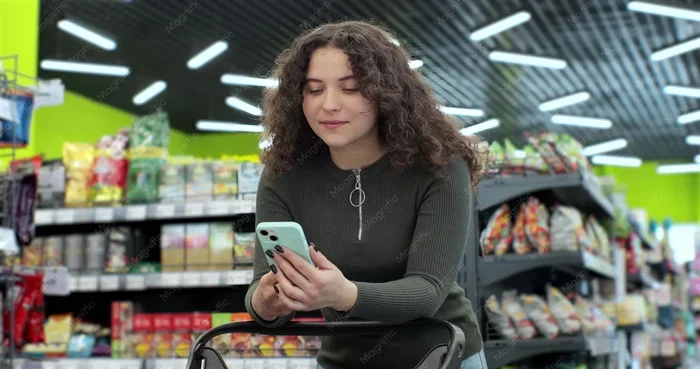
QR code payments are another powerful location-based mobile commerce tool. Customers scan a code at a store, browse the product catalog on their phone, and pay without waiting in line. This is fast, clean, and increasingly popular.
Here are some practical examples of mobile commerce using location data:
- Geo-targeted ads that show deals to nearby shoppers
- Click and collect services where customers order online and pick up in-store
- Indoor navigation that guides customers to specific products in a store
- Location-based loyalty rewards that offer points for visiting a store
- Beacon technology that sends personalized offers when customers are near a display
Quick Tips For Location-Based Commerce
- Always ask for location permission and explain why it benefits the customer.
- Keep offers relevant and timely. A notification about a sale three towns away will not help.
- Combine location data with purchase history for more personalized messaging.
- Test different triggers and measure which ones drive the most store visits.
Location-based mobile commerce is especially useful for brick-and-mortar stores that want to compete with online retailers. By using a customer’s phone, physical stores can offer the same convenience and personalization that e-commerce platforms provide.
How To Choose The Right Mobile Commerce Strategy For Your Business
Now that you have seen the top examples of mobile commerce, you might wonder how to pick the right strategy for your business. The answer depends on your audience, products, and goals. Let us look at how different models compare.
Comparison Table: Mobile Commerce Models
| Model | Best For | Key Benefit | Example |
|---|---|---|---|
| Retail Shopping Apps | Product-based businesses | High conversion rates | Amazon, Walmart |
| Mobile Payments | All businesses | Faster checkout | Apple Pay, Google Pay |
| Social Commerce | Brand building and discovery | Organic reach and engagement | Instagram Shop, TikTok Shop |
| Mobile Banking | Financial services | Convenience and retention | Venmo, PayPal |
| Location-Based Commerce | Physical retail stores | Drives foot traffic | Geo-targeted offers, QR payments |
Matching Your Strategy To Your Audience
Not every example of mobile commerce will fit your business. A B2B company might benefit more from a mobile app with bulk ordering features. A fashion brand might thrive on social commerce and influencer partnerships. A local cafe might focus on QR code payments and loyalty rewards.
Here are some questions to ask yourself when choosing a strategy:
- Where does your audience spend most of their time online?
- What is the primary buying behavior of your customers?
- Do you need to bridge online and offline experiences?
- What is your budget for app development and marketing?
- Which mobile commerce platforms align with your existing tech stack?
Common Mistakes To Avoid
- Copying competitors without a strategy. Just because a rival uses TikTok Shop does not mean it is right for you.
- Neglecting mobile-first design. A clunky app will drive customers away fast.
- Ignoring analytics. Track every mobile checkout step to find and fix friction points.
- Underinvesting in security. Customers trust you with their payment data. Protect it.
- Forgetting omnichannel integration. Your mobile experience should connect smoothly with your website and physical store.
Expert Insight: The most successful businesses do not rely on just one mobile commerce channel. They build an omnichannel retail strategy that combines apps, payments, social media, and location-based tools. This creates a seamless experience that keeps customers coming back.
Key Takeaways For Your Strategy
Start by identifying which examples of mobile commerce align with your business goals. Then build a simple, focused plan. Test one or two channels first, measure results, and expand from there. The key is to start and iterate. You do not need a perfect app on day one. You need a solid foundation that you can improve over time.
Remember that mobile commerce is not a one-size-fits-all solution. Your strategy should reflect your unique audience, products, and brand voice. Use the mobile commerce examples in this article as inspiration, but always adapt them to fit your specific needs.
As you plan your next steps, think about what your customers want most. Fast checkout? Personalized deals? Easy returns? Build your mobile commerce strategy around those needs, and you will see real results. The world of m-commerce is vast and full of opportunity. The businesses that act now will be the ones that thrive tomorrow.
Frequently Asked Questions
What are the best examples of mobile commerce for small businesses?
Small businesses can benefit from retail mobile apps, social commerce on Instagram or Facebook, and QR code payments. These low-cost options let you sell directly through mobile devices without a large investment. Start with one channel and expand as you grow.
How does mobile commerce differ from traditional e-commerce?
Traditional e-commerce happens on desktop computers, while mobile commerce takes place on smartphones and tablets. Mobile commerce focuses on touch-friendly interfaces, faster checkout, and location-based features. The user experience is designed specifically for smaller screens and on-the-go shopping.
What is the most popular type of mobile commerce today?
Mobile shopping apps and social commerce are currently the most popular forms. Retail apps like Amazon and Walmart dominate in terms of revenue, while platforms like TikTok Shop and Instagram Shopping lead in engagement and discovery. Both are powerful examples of mobile commerce worth studying.
Do I need a separate app for mobile commerce?
Not always. Some businesses succeed with a mobile-optimized website or a presence on social commerce platforms. However, a dedicated app offers more control, better personalization, and higher customer retention. Choose based on your budget and customer behavior.
How secure are mobile payment systems?
Major digital wallet platforms like Apple Pay and Google Pay use advanced encryption and tokenization to protect transactions. These mobile commerce examples follow strict security standards. Always use trusted payment gateways and keep your app updated to maintain security.
Can location-based mobile commerce work for online-only businesses?
Yes, even online businesses can use location data for targeted marketing. You can send geo-targeted promotions to potential customers in specific areas or offer local delivery options. This is one of the most versatile examples of mobile commerce that adapts to any business model.
=== CONCLUSION ===
Examples of mobile commerce are transforming how businesses connect with customers and drive sales. From retail shopping apps to digital wallets, social commerce, and location-based offers, the options are vast and growing. Each mobile commerce example we covered in this article shows a different way to leverage mobile devices for real business results.
The key is to choose strategies that match your audience and goals. Start with one or two approaches, test them, and scale what works. Whether you build a shopping app, integrate contactless payment, or launch a social commerce store, the foundations are the same. Keep it simple, keep it fast, and always put the customer first.
Mobile commerce is not just a trend. It is the future of retail. Businesses that embrace m-commerce today will be the leaders tomorrow. Use these examples of mobile commerce as your guide, take action, and watch your business grow.